
Exciting Paleontological Discoveries You Probably Missed in February
#3 Dinosaurs evolved frills to flirt…
Several fascinating paleontological discoveries are taking place each month. Scientists working in the field publish numerous studies, describe new prehistoric species, and propose exciting theories about the biology and behavior of many extinct animals at a pace never seen before.
In this article, we will do a quick recap of the most important paleontological discoveries and updates from February 2021.
Before we do, be sure to check the most memorable ones from January below:
Ready? Let’s go!
A new sauropod from Uzbekistan
Starting off with the description of a new genus of sauropod dinosaur from Uzbekistan.
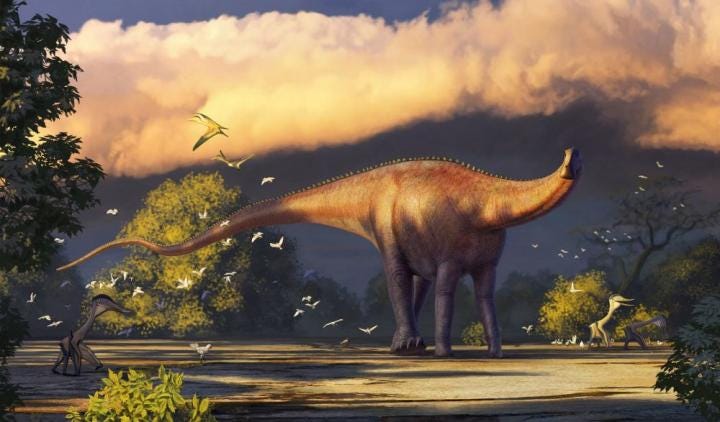
Hans-Dieter Sues at the Smithsonian Institution in Washington, DC, and his colleague Alexander Averianov at the Russian Academy of Sciences examined a single, large tail vertebrate found in the Dzharakuduk region and realized it belonged to a species of a yet unidentified long-necked dinosaur.
Named Dzharatitanis kingi this animal would have had a long, slender neck and a relatively small head with a very long tail. The newly discovered dinosaur lived about 90 million years ago and paleontologists estimate it could have grown between 15 and 20 meters (49–65 ft) in length. Sues and Averianov classified Dzharatitanis as a rebbachisaurid, a family of sauropod dinosaurs closely related to Diplodocus and Brontosaurus.
Rebbachisaurids were distinguished from other sauropods by their distinctive teeth, which have a low angle, internal wear facets, and asymmetrical enamel. Scientists have previously reported rebbachisaurid remains from North Africa, Europe, North, and South America.
Dzharatitanis is the first member of its family to be found in Asia and marks an important discovery for the study of the diversification of this group of sauropods in the Northern Hemisphere.
A new population of Neanderthal-modern human hybrids
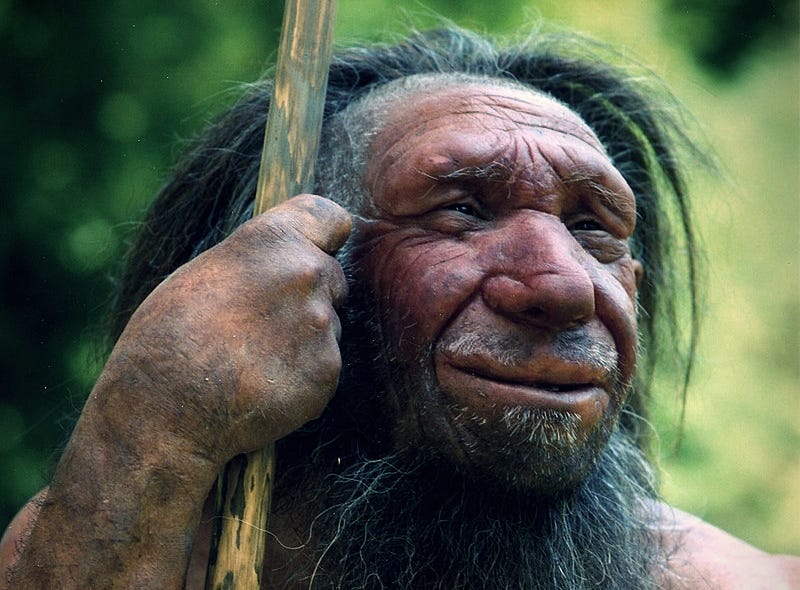
During the early 20th century, paleontologists discovered thirteen hominid teeth at the Paleolithic site of La Cotte de St Brelade in Jersey. Back then, scientists had classified the remains as Neanderthal specimens. A study published in February, though, reanalyzed the teeth and questioned the original classification.
For one, the locality where the remains were found dates back to roughly 48,000 years ago. This age is pretty young for Neanderthal remains, but it coincides with the time in which both Neanderthals and modern humans were coexisting in Europe. Additionally, the teeth have a slightly distinct shape when compared to their Neanderthal counterparts.
Based on their analysis, scientists suggested the hominid specimens were in fact Neanderthal-modern human hybrids. This is not very surprising. Modern humans are known to have interbred with closely related hominid species like Neanderthals and Denisovans in the past. The latest study suggests the existence of a new and a previously unknown population of these hybrids in Europe.
Dinosaurs evolved frills to flirt
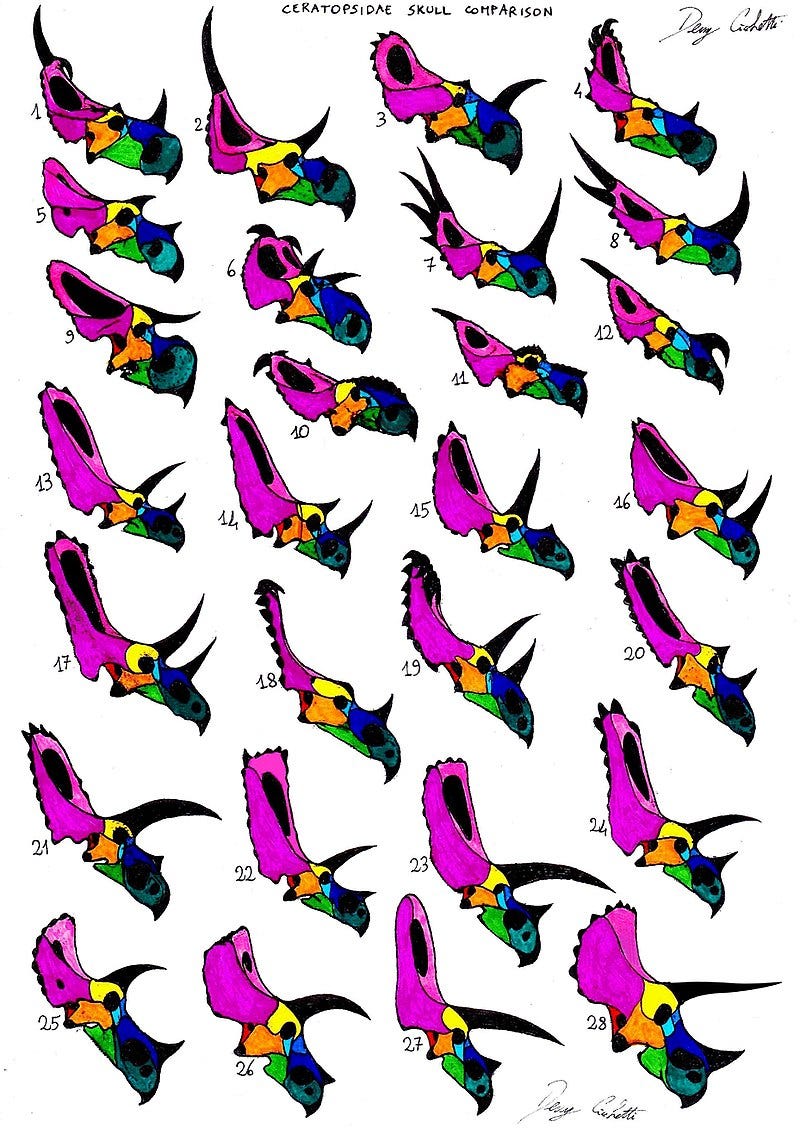
Paleontologists have long since wondered why ceratopsians, the group that includes Triceratops and the rest of the dinosaurs with facial horns, evolved their elaborate frills.
Some scientists argued the frills must have a defensive purpose since they extended backward, protecting the vulnerable area of these animals' necks. Others proposed ceratopsians used their frills for intimidation or display.
Dr. Andrew Knapp, a postdoctoral researcher at the Natural History Museum, and his colleagues described the evolution of frills as the result of sexual selection — a feature that was favored by members of the opposite sex, and it became more elaborate in time.
Contemporary animals that display sexual selection show a distinct pattern of growth in certain of their features. Scientists name this pattern of growth allometry. When allometry disproportionally exceeds the growth of other traits, it is almost always a sexually selected feature.
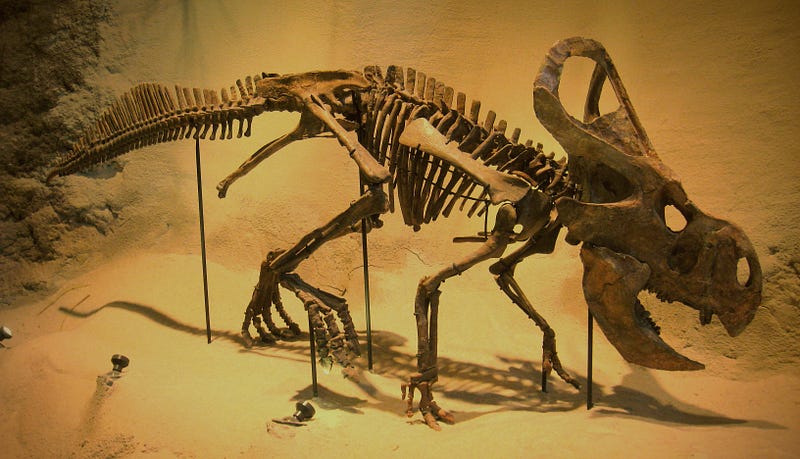
Dr. Knapp examined various skulls of the genus Protoceratops, a sheep-sized ceratopsian from Mongolia known from many skeletal remains. Researchers involved in the study 3D scanned 30 (!) well-preserved skulls of this dinosaur, ranging in size from newly born to fully grown adults.
The analysis of the skulls showed the frill formed an independent region of the skull that grew much more rapidly than any other part of the head. The frills of Protoceratops displayed growth patterns consistent with allometry, indicating that the frills were very possibly sexually selected.
Ceratopsian dinosaurs displayed an incredible variety of frills, horns, and facial ornaments. It seems that love — not war, triggered the evolution of these unique features.
Flowering plants evolved earlier than previously thought
Also this month, scientists published a new study supporting a much earlier appearance of the flowering plants on the planet.
Paleontologists originally hypothesized these plants must have evolved during the Cretaceous Period (145–66 million years ago) since their oldest definite fossils date from this age. The newest study did not just analyze the fossil record of the flowering plants. It also looked at the molecular clocks and took into account the incomplete sampling of their fossil record.
The results of the latest analysis suggest that several families of these plants likely did not originate from the Cretaceous but from the chronologically older Jurassic Period (200–145 million years ago).
Apparently, the Jurassic world would have been much more colorful than previously imagined!

Dinosaur migration was delayed by climate?
Early carnivore and herbivore dinosaurs colonized the world at different times, a new study suggests.
Paleontologists recalculated the dates of early dinosaur fossils from Greenland and found that sauropodomorphs, the group of basal herbivore dinosaurs related to the long-necked sauropods, were about 215 million years old- almost 13 million years younger than originally thought.
The oldest dinosaur remains come from South America and date to roughly 230 million years ago. Most of these archaic dinosaurs were carnivorous. By 220 million years ago, meat-eating dinosaurs can be found pretty much worldwide, something that does not apply to their plant-eating counterparts.
Why it took longer for the herbivores to colonize the Northern Hemisphere?
According to the latest study, climate change was to blame.
During the late Triassic Period (230 million years ago), carbon dioxide levels were ten times higher than today. The world was hotter, with no ice sheets at the poles and two bands of extreme deserts north and south of the equator. The climate was dry in those regions, and while there were enough insects to keep the small meat-eating dinosaurs going, there were not enough plants for the sauropodomorphs to survive the migration journey.
Carbon dioxide levels gradually dropped by 215 million years ago, enabling the deserts to grow small patches of vegetation, which allowed the sauropodomorphs to migrate eventually up north.
Today, the effects of climate change also enable certain animals to migrate to new locations, while preventing others from doing so. If proven correct, the newly proposed theory would reflect some important contemporary issues as well.
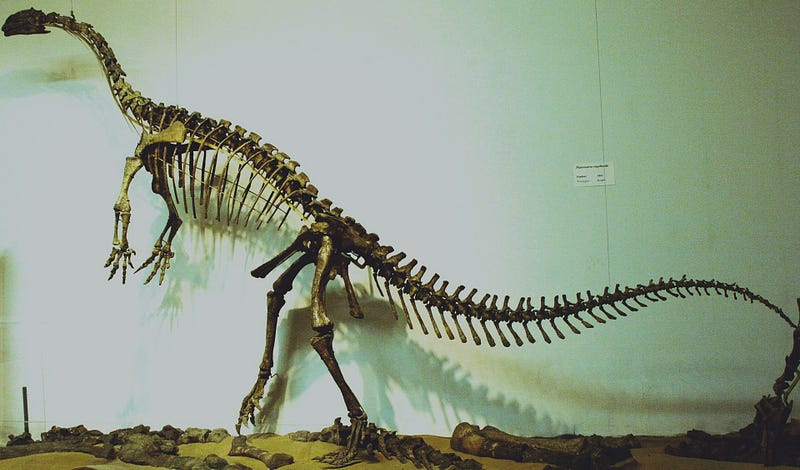
A freshwater elasmosaurid
February saw the naming and the description of a new elasmosaurid plesiosaur, a group of large marine reptiles contemporary to dinosaurs.
Elasmosaurids had a streamlined body with paddle-like limbs, a short tail, a small head, and an extremely long neck. The particularly exciting thing about the newly discovered genus is that it lived in freshwater environments, an unusual characteristic for elasmosaurs since most of these creatures were primarily oceanic.
Scientists retrieved the newest specimen from the Late Cretaceous rocks of the Dinosaur Park Formation of Canada. The remains include the trunk region, the base of the neck and tail, a partial fore and hind limb, and tooth.
Paleontologists named the genus Fluvionectes sloanae and estimate it had a body length of about 5 meters (16 ft). Fluvionectes is the most complete elasmosaurid yet collected from southern Alberta.
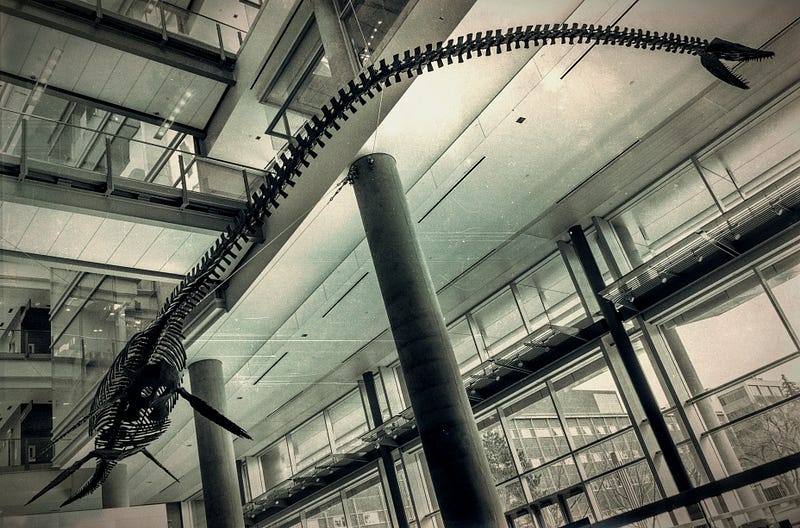
New spinosaurid remains from Thailand
An exciting discovery was announced this month from Thailand. Scientists working at Phu Wiang Mountain reported the find of few dinosaur tail bones which, based on their unique shape and structure, were identified as spinosaurid remains.
Spinosaurids were a group of specialized theropod dinosaurs that had jaws like those of crocodiles and long, cone-shaped teeth. Scientists suggested that some members of this group may have had a semi-aquatic lifestyle and fed partly on fish. Spinosaurid remains are known from Africa, Europe, South America, Asia, and possibly Australia, with their fossils dating between 139 and 93 million years ago. Famous members of the family include the bizarre-looking Spinosaurus from Africa and Baryonyx from Europe.
The new specimen from Thailand not only confirms the presence of spinosaurids in southeast Asia, but also helps scientists better understand the diversification of this group in Europe.
Researchers involved in the study noted the many similarities between the Thai spinosaurid and Camarillasaurus, a fragmentary dinosaur genus from Spain, which was originally identified as basal ceratosaur. Based on their resemblance, paleontologists reclassified Camarillasaurus as a spinosaurid, further adding to the number of spinosaurs found in Europe.
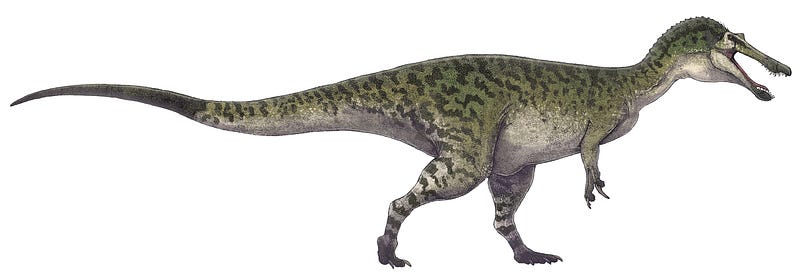
Our earliest primate ancestors rapidly spread after dinosaur extinction
Our earliest primate ancestors were a group of small, furry animals that seem to have taken to the trees a mere 100,000 years after the mass extinction event that wiped out the non-avian dinosaurs.
Scientists from the University of California Museum of Paleontology analyzed the teeth and the upper and lower jawbones of Purgatorius, the oldest genus in a group of now-extinct early primates called plesiadapiforms. These teeth are the earliest-known fossil evidence of any primate and date from around 65.9 million years ago. This is between 105,000 to 139,000 years after the Cretaceous-Paleogene boundary that signaled the end of the dinosaur age.
Based on the newest analysis, the research team estimates that the ancestor of all primates likely emerged during the Late Cretaceous and lived alongside the last non-avian dinosaurs.
The latest study is central to understanding primate ancestry and paints a clearer picture of how life on land recovered after the Cretaceous–Paleogene extinction event that preceded the rise of mammals.
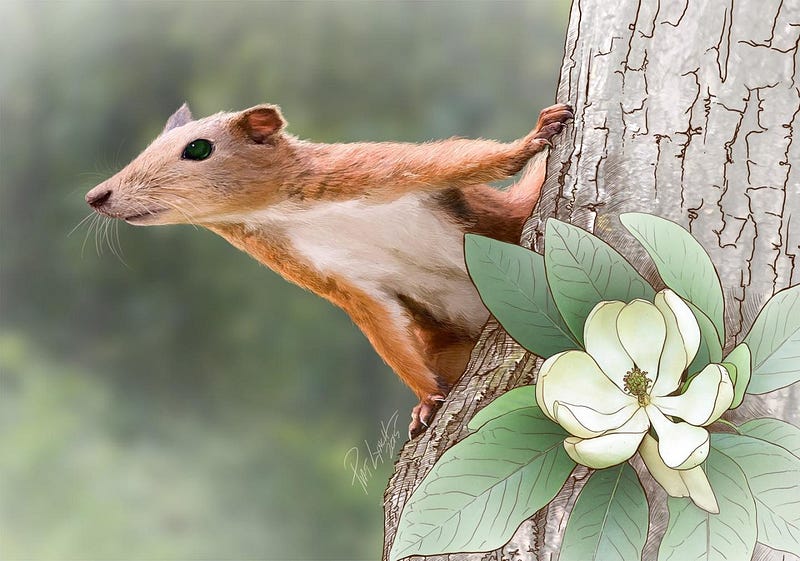
Dinosaurs ran more like ducks
Also in February, researchers from Brown University used a new 3D imaging technology called XROMM — X-ray to examine the moving morphology of alligators and Guinea fowls in an effort to better understand how dinosaurs really walked and moved.
Scientists took X-ray videos of these modern-day dinosaur relatives walking and having their limbs manipulated. Additionally, they took CT scans of their skeletons and transferred both datasets to XROMM for 3D reconstruction. The software produced almost 600,000 joint poses for the two animals. The researchers then used these data to create joint mobility maps, enabling them to look for patterns of leg movement shared by these animals.
The results showed both animals appeared to favor a narrow center of mobility, which may imply that dinosaurs also had little to no potential for locomotion outside of these ranges. In addition, both alligators and Guinea fowls show patterns of abduction — the movement away from the body’s midline — during movement and weight-bearing stances. This led researchers to theorize that, if dinosaurs had similar movement, then it’s likely that they would’ve run a fashion similar to modern-day ducks.
The study helps paleontologists paint a clearer picture of dinosaur evolution and could act as a blueprint for more accurate reconstructions of these animals in the future.
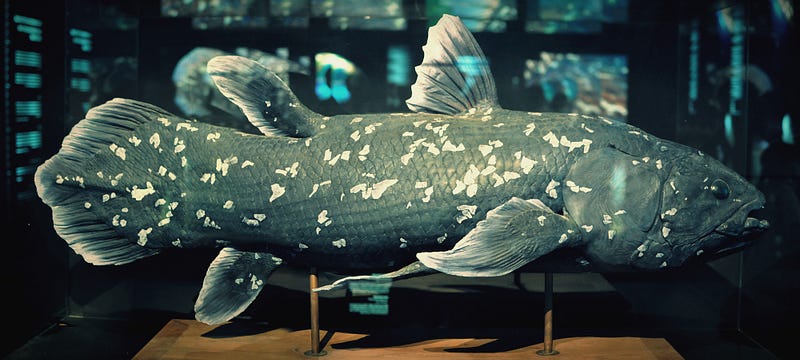
The largest coelacanth ever found?
Scientists from the University of Portsmouth announced this month the accidental discovery of what is perhaps the largest coelacanth ever found.
Coelacanths are a group of fish that first appeared 400 million years ago-almost 200 years before dinosaurs. People believed them to be extinct until a fisher found a living specimen off the coast of South Africa in 1938.
The latest discovery was purely serendipitous. A private fossil collector asked paleontologist David Martill to identify a large bone in a private collection in London. The collector who bought the specimen originally thought the bone might have been part of a pterosaurs’ skull.
The paleontologist from the University’s School of the Environment, Geography, and Geosciences discovered in surprise that the supposed ‘bone’ was in fact composed of many thin bony plates. These plates were arranged like a barrel, but with the staves going round instead of from top to bottom. Scientists know only one animal that displays such a structure-the coelacanth.
Martill teamed up with leading Brazilian paleontologist Dr. Paulo Brito, who has studied coelacanths for over 20 years to identify the specimen. Dr. Brito confirmed the identification but was astonished at the specimen’s projected size.
The team calculated the prehistoric coelacanth which swum roughly 66 million years ago off the coast of Morocco, to be roughly five meters (16 ft) in length. It was substantially larger than its modern-day counterparts, which only grow to a maximum length of two meters (6.5 ft).
“We only had a single, albeit massive lung, so our conclusions required some quite complex calculations. It was astonishing to deduce that this particular fish was enormous — quite a bit longer than the length of a stand-up paddleboard and likely the largest coelacanth ever discovered.” Dr. Paulo Brito said.
20 tons of dinosaur bones left stranded in the Sahara
And, finally, a paleontological update, rather than discovery. In secret patches of the south-central Sahara, almost 20 tons of dinosaur bones lie beneath the sand. Located in Niger, this part of the desert is one of Africa’s biggest fossil caches.
Unfortunately, scientists have temporarily paused all excavations in the region since the country confronts the second wave of the coronavirus pandemic combined with escalating Islamist insurgencies. The current situation has left precious fossils exposed to looters and collapsing dunes. Bandits are known to operate in those parts, while extremist groups are typically found hundreds of miles south. The government has sent soldiers to guard the region while nomads are also keeping an eye on the bones. But the situation is critical.
Niger has always been famous for its rich fossil sites, with countless bones poking through the sand. Fascinating discoveries from the area include several weird-looking dinosaur species, bizarre extinct mammals, and even traces of our earliest human ancestors.
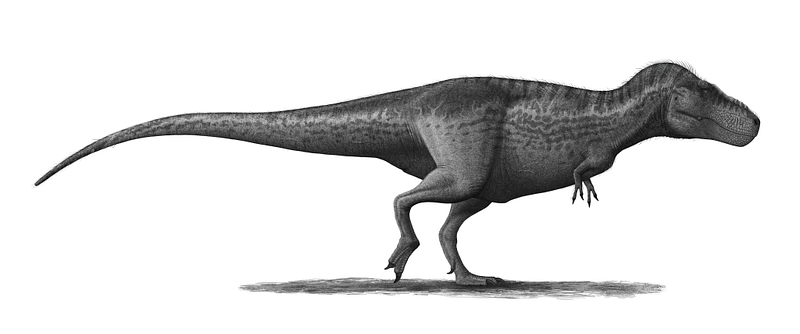
Further up north, some equally exciting discoveries have revealed what must have been the most dangerous place in the history of our planet. To find out more about the terrifying assemblage of Late Cretaceous North Africa, read the article below:
Epilogue
To sum up, February was a remarkable month in the field of paleontology. Scientists learned more about the biology and behavior of a wide range of extinct animals and discovered exciting new species.
Hungry for more paleontology news? Check out the top discoveries from March below:
References
Averianov A, Sues H-D (2021) First rebbachisaurid sauropod dinosaur from Asia. PLoS ONE 16(2): e0246620. https://doi.org/10.1371/journal.pone.0246620
Tim Compton, Matthew M. Skinner, Louise Humphrey, Matthew Pope, Martin Bates, Thomas W. Davies, Simon A. Parfitt, William P. Plummer, Beccy Scott, Andrew Shaw, Chris Stringer, The morphology of the Late Pleistocene hominin remains from the site of La Cotte de St Brelade, Jersey (Channel Islands), Journal of Human Evolution, Volume 152, 2021, 102939, ISSN 0047–2484, https://doi.org/10.1016/j.jhevol.2020.102939.
Knapp A, Knell R. J., Hone D. W. E., 2021Three-dimensional geometric morphometric analysis of the skull of Protoceratops andrewsi supports a socio-sexual signalling role for the ceratopsian frillProc. R. Soc. B.28820202938http://doi.org/10.1098/rspb.2020.2938
Silvestro, D., Bacon, C.D., Ding, W. et al. Fossil data support a pre-Cretaceous origin of flowering plants. Nat Ecol Evol (2021). https://doi.org/10.1038/s41559-020-01387-8
Dennis V. Kent, Lars B. Clemmensen, Northward dispersal of dinosaurs from Gondwana to Greenland at the mid-Norian (215–212 Ma, Late Triassic) dip in atmospheric pCO2, Proceedings of the National Academy of Sciences Feb 2021, 118 (8) e2020778118; DOI: 10.1073/pnas.2020778118
Campbell JA, Mitchell MT, Ryan MJ, Anderson JS. 2021. A new elasmosaurid (Sauropterygia: Plesiosauria) from the non-marine to paralic Dinosaur Park Formation of southern Alberta, Canada. PeerJ 9:e10720 https://doi.org/10.7717/peerj.10720
Paulo M. Brito, David M. Martill, Ian Eaves, Roy E. Smith, Samuel L.A. Cooper, A marine Late Cretaceous (Maastrichtian) coelacanth from North Africa, Cretaceous Research, Volume 122, 2021, 104768, ISSN 0195–6671, https://doi.org/10.1016/j.cretres.2021.104768. https://www.sciencedirect.com/science/article/pii/S019566712100015X)
Adun Samathi, P. Martin Sander & Phornphen Chanthasit (2021) A spinosaurid from Thailand (Sao Khua Formation, Early Cretaceous) and a reassessment of Camarillasaurus cirugedae from the Early Cretaceous of Spain, Historical Biology, DOI: 10.1080/08912963.2021.1874372
Gregory P. Wilson Mantilla, Stephen G. B. Chester, William A. Clemens, Jason R. Moore, Courtney J. Sprain , Brody T. Hovatter, William S. Mitchell , Wade W. Mans, Roland Mundil, Paul R. Renne, (24 Febr.) ‘Earliest Palaeocene purgatoriids and the initial radiation of stem primates’, the Royal Society: https://doi.org/10.1098/rsos.210050
Armita R. Manafzadeh, Robert E. Kambic, and View ORCID ProfileStephen M. Gatesy PNAS February 16, 2021 118 (7) e2023513118; A new role for joint mobility in reconstructing vertebrate locomotor evolution https://doi.org/10.1073/pnas.2023513118
Paquette Danielle, (12 February 2021), The pandemic has left a huge cache of dinosaur bones stuck in the Sahara, The Washington Post, Link: https://www.washingtonpost.com/world/2021/02/12/niger-dinosaur-bones/?arc404=true


