
Newly Discovered Dinosaur From Brazil Dubbed ‘Godfather of T.rex’
Erythrovenator jacuiensis lived almost 150 million years before the mighty Tyrannosaurus rex…
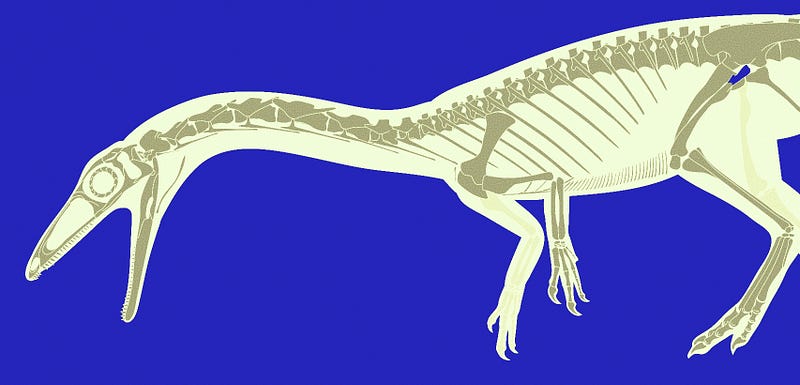
A new genus of a Late Triassic dinosaur has recently been discovered in Brazil. Recovered from the Candelária Formation in the Paraná Basin, Erythrovenator jacuiensis is one of the oldest known theropods - the group that would eventually include the likes of Allosaurus, Tyrannosaurus, and birds.
Description
The name Erythrovenator translates to “red hunter”, in reference to the red color of its holotype. The holotype is based on a single, extremely fragmented proximal portion of the left femur measuring only 190 millimeters in length.
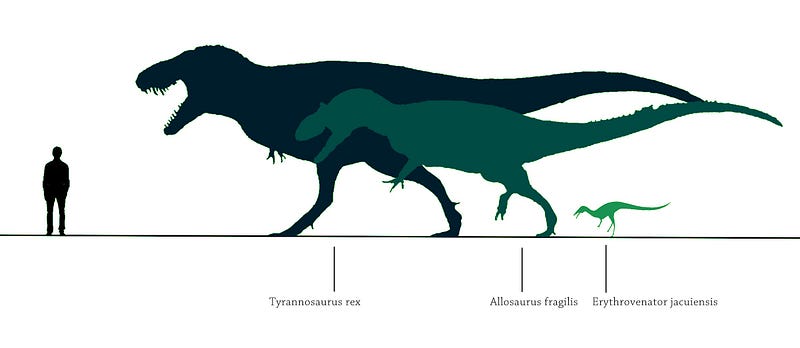
The newly discovered dinosaur is estimated to have been around 2 meters (6.5 ft) long. While small compared to its later descendants, it was no less deadly. Its jaws were full of sharp, blade-like teeth that would have enabled it to hunt down live prey. Its diet would have consisted of lizards, primitive mammals, and insects.
Paleontologist Dr. Rodrigo Muller, of the Federal University of Santa Maria, Brazil, said: “You could say it is the ‘Godfather’ of T.rex. Despite the small size, the animal was an apex predator. It was a fast and vicious hunter, with strong leg muscles. The animal had sharp and blade-like teeth, like other early theropods. We believe its skin had feather-like structures.”
The Triassic world
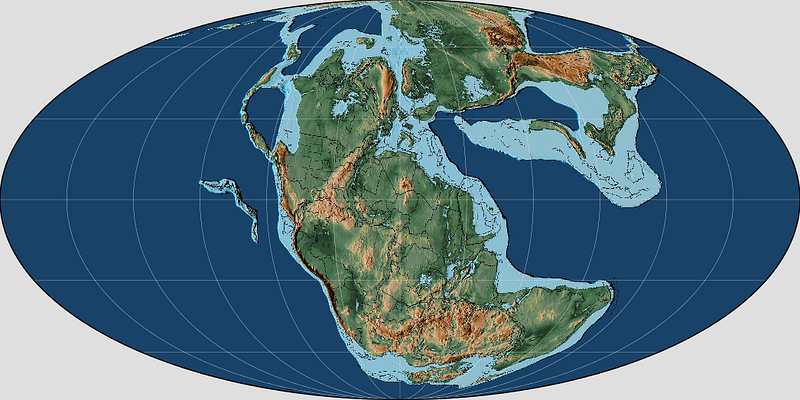
During Erythrovenator’s time, all major continents were united in a single, giant landmass called Pangea. The climate was mostly hot and dry, with deserts spanning much of Pangaea’s interior. The Earth looked a lot different 230 million years ago.
Non-dinosaurian archosaurs (aetosaurs, phytosaurs, rauisuchids), therapsids, and large amphibians were the dominant terrestrial fauna on the planet. Erythrovenator comes from a locality of the Candelária Formation where no other dinosauromorphs are known. This is not surprising. Dinosaurs were relatively small, both in size and in numbers in these Triassic ecosystems.
Dr. Muller notes: “During their origin and early radiation, dinosaurs were ‘humble’ animals in a world dominated by other ancient reptiles that became extinct at the end of the Triassic.”
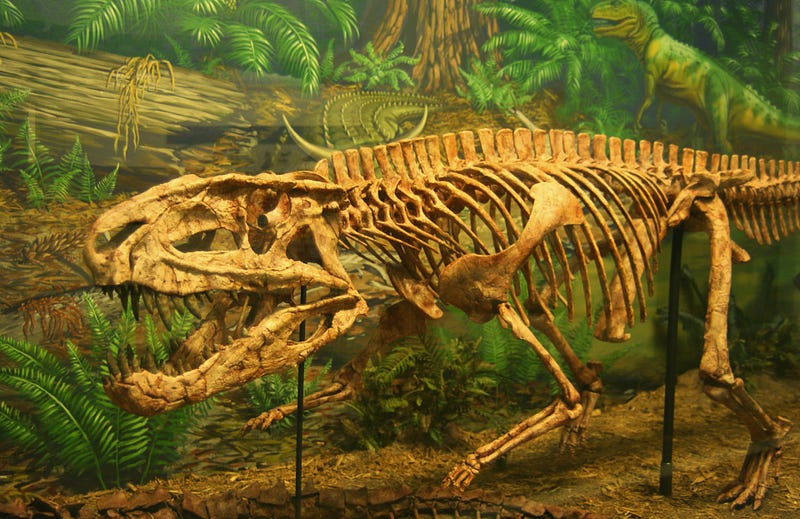
The end of the Triassic was marked by a major mass extinction event that wiped out most of these reptilian groups, allowing dinosaurs like Erythrovenator to further radiate and eventually dominate the planet.
Epilogue
The discovery of Erythrovenator is extremely important. This creature represents one of the oldest known theropod dinosaurs and sheds valuable light on some of the earliest theropod features. It is also the first dinosaur retrieved from the Candelária Formation and helps paleontologists to better understand the faunal content of this enigmatic assemblage.
Relevant Reads
References
Rodrigo T. Müller (2020). “A new theropod dinosaur from a peculiar Late Triassic assemblage of southern Brazil”. Journal of South American Earth Sciences. in press: Article 103026. doi:10.1016/j.jsames.2020.103026
James Smith (Nov. 2020), Remains of the T-Rex’s oldest relative have been excavated in Brazil, Flash News, Link: https://lifesly.com/remains-of-the-t-rexs-oldest-relative-have-been-excavated-in-brazil/
“Late Triassic Dinosaurs — ZoomDinosaurs.com”. www.enchantedlearning.com. Archived from the original on 28 February 2015.


