avatarPanos Grigorakakis

Free AI web copilot to create summaries, insights and extended knowledge, download it at here

3312

Abstract

f the climate led to a major floristic turnover. Prior to the volcanic event, the dominant flora consisted of sphenophytes, dipteridacean ferns, conifers, seed ferns, and cycads -species that flourish in humid, lush habitats.</p><figure id="150f"><img src="https://cdn-images-1.readmedium.com/v2/resize:fit:800/0*dlI9esPwjShDa-_s"><figcaption>Photo by <a href="https://unsplash.com/@oddityandgrace?utm_source=medium&amp;utm_medium=referral">hannah grace</a> on <a href="https://unsplash.com?utm_source=medium&amp;utm_medium=referral">Unsplash</a></figcaption></figure><p id="ea9f">Following the environmental crisis, tall conifer trees became increasingly widespread. The proliferation of conifer trees is suggestive of an arid, seasonally dry environment. These plants may have acted as a strong selective regime favoring the survival of creatures that could feed on them.</p><p id="371b">Early sauropodomorphs had gracile skulls, their mandibles were less mechanically efficient and their teeth were small, with thin enamel. In short, they lacked adaptations to high-fiber herbivory.</p><p id="2bee">Which creatures were better adapted to exploit the proliferation of the conifer trees? Turns out, the sauropods were.</p><figure id="17fc"><img src="https://cdn-images-1.readmedium.com/v2/resize:fit:800/0*0bbY6CE_sXmmV2f2"><figcaption>Photo by <a href="https://unsplash.com/@lightscape?utm_source=medium&amp;utm_medium=referral">Lightscape</a> on <a href="https://unsplash.com?utm_source=medium&amp;utm_medium=referral">Unsplash</a></figcaption></figure><h1 id="ecc4">Evidence from Argentina</h1><p id="17f0">A newly discovered species of sauropod from Argentina provides valuable insights into the evolutionary history of these giants. Recovered from the base of the Cañadón Asfalto Formation, Bagualia<i> alba</i> is the oldest known eusauropod (true sauropod). This animal lived 179 million years ago and is estimated to have weighed almost 10 tons. It’s not the size, however, but the animal’s teeth that attract the scientists’ attention.</p><p id="bf8e">According to Diego Pol, principal researcher at the Museum of Paleontology Egidio Feruglio in Argentina the <i>“enamel of the teeth of Bagualia was about 7 times thicker than those of the other herbivores that went extinct. This allowed them to feed on the tough coriaceous leaves of conifers.”</i></p><p id="81b3">Contrary to their sauropodomorph relatives, sauropods evolved strong jaws and teeth with thick enamels that enabled them to feed more efficiently on the newly available flora.</p><figure id="d5bc"><img src="https://cdn-images-1.readmedium.com/v2/resize:fit:800/1*zwvLhouqvm6D0W898DXwoQ.jpeg"><figcaption>The newly discovered eusauropod Bagualia alba (left) compared to its later and (much) larger cousins: (from left to right) the diplodocid Brontosaurus excelsus, the brachiosaurid Giraffatitan brancai, and the titanosaur Argentinosaurus huinculensis (chart by author, 2020).</figcaption></figure><h1 id="329a">Getting big</h1><p id="ac24">Yet, having thick teeth and powerful jaws is not enough to process tough vegetation: one also needs a large digestive chamber. By feeding upon conifer trees, sauropods would have an evolutionary pressure to grow larger stomachs and thus a larger overall body size.</p><p id="8067">And the long

Options

necks?</p><p id="a564">A large body requires a lot of food to meet its energetic requirements. A big, heavy animal needs to be constantly on the move to acquire it, and by doing so it wastes a lot of energy. A long neck was an evolutionary advantage because it enabled these creatures to reach the tall conifers and to access different plants without moving their huge bodies much.</p><figure id="91a9"><img src="https://cdn-images-1.readmedium.com/v2/resize:fit:800/1*CF3OHRzfvZF-3ZFRRo1XDA.jpeg"><figcaption>Sauropod neck reconstructions by Michael P. Taylor​, Mathew J. Wedel / <a href="https://commons.wikimedia.org/wiki/File:Sauropod_neck_reconstructions.png">Wikimedia Commons</a>.</figcaption></figure><p id="45b7">Some scientists like D. Pol believe that a long neck may have served an additional function as well: it could have helped these animals dissipate heat from their bodies in a fashion similar to the big ears of modern elephants.</p><figure id="089a"><img src="https://cdn-images-1.readmedium.com/v2/resize:fit:800/0*WgcwwjqebWm_AYjp"><figcaption>Photo by <a href="https://unsplash.com/@malcoo?utm_source=medium&amp;utm_medium=referral">Tomáš Malík</a> on <a href="https://unsplash.com?utm_source=medium&amp;utm_medium=referral">Unsplash</a></figcaption></figure><h1 id="64a8">Epilogue</h1><p id="2133">A global warming event that took place roughly 200 million years ago triggered a drastic floral change in the planet and freed sauropods from their competitors, allowing them to flourish. Through the course of millions of years that followed, sauropods became even more diverse and…gigantic.</p><p id="67e0">By 150 million years ago, sauropods were the undisputed dominant herbivores of their ecosystems. Well-established names such as the <a href="https://readmedium.com/the-dinosaur-that-went-extinct-twice-fead96094704">Brontosaurus</a>, the Brachiosaurus, and the Diplodocus thrived in the North American upper<a href="https://readmedium.com/hollywood-lied-to-you-this-is-how-the-real-jurassic-world-would-have-looked-like-8baabc71cb39"> Jurassic ecosystem of the Morrison Formation </a>while their relatives did the same in Africa and Europe.</p><p id="c5cf">While most groups were in decline during the Cretaceous Period that followed, a clade of macronarian sauropods known as titanosaurs managed to spread across every continent. These giants ultimately went extinct 66 million years ago, along with the rest of the non-avian dinosaurs, putting an end to a glorious chapter of evolutionary history.</p><h1 id="cffe">References</h1><p id="209e"><i>Pol D., Ramezani J., Gomez K., Carballido J. L., Carabajal A. Paulina, Rauhut O. W. M., Escapa I. H. and Cúneo N. R., (2020) Extinction of herbivorous dinosaurs linked to Early Jurassic global warming eventProc. R. Soc. B.28720202310 <a href="http://doi.org/10.1098/rspb.2020.2310">http://doi.org/10.1098/rspb.2020.2310</a></i></p><p id="9ec4"><i>Cúneo, R., Ramezani, J., Scasso, R., Pol, D., Escapa, I., Zavattieri, A. M., & Bowring, S. A. (2013). High-precision U–Pb geochronology and a new chronostratigraphy for the Cañadón Asfalto Basin, Chubut, central Patagonia: Implications for terrestrial faunal and floral evolution in Jurassic. Gondwana Research, 24(3–4), 1267–1275. doi:10.1016/j.gr.2013.01.010</i></p></article></body>

Did Global Warming Trigger the Evolution of Giant Dinosaurs?

The discovery of a new sauropod from Argentina suggests it may have…

Photo by enakshi mukhopadhyaya from Pexels

Instantly recognizable by their long necks, their four pillar-like legs, and their (usually) massive size, sauropods are possibly the most iconic dinosaurs of all time. The group includes the largest terrestrial vertebrates that had ever walked the earth, with some genera -like Argentinosaurus- growing up to 35 meters (115 ft) in length and over 60 tons in weight. How and why these creatures grew so large had always puzzled scientists.

The discovery of a new sauropod from Argentina combined with geological evidence from the early Jurassic Period provides new insights into the evolution of these giants and helps scientists to better understand the reasons behind their extreme growth.
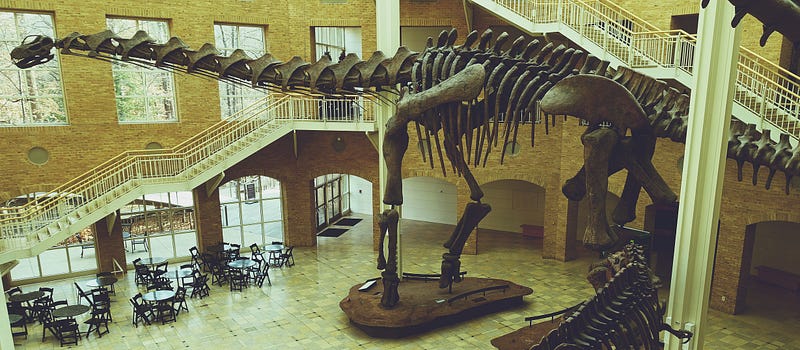
Skeleton of the giant titanosaur sauropod Argentinosaurus by Jeremy Thompson / Wikimedia Commons.

Sauropod forerunners

Sauropodomorpha — the clade that includes sauropods and their ancestral relatives- evolved in the Late Triassic Period some 230 million years ago. For the first 50 million years of their existence, the sauropodomorphs were represented by several groups of both bipedal and quadrupedal species. They were herbivorous and their size varied from genera not larger than a goat to animals more than 10 meters (33 ft) in length.

Around 180 million years ago, all these sauropodomorph groups gradually disappeared, leaving the sauropods as the only survivors. The reasons behind this drastic faunal change that occurred during the Early Jurassic Period remained a mystery. At least, until now.
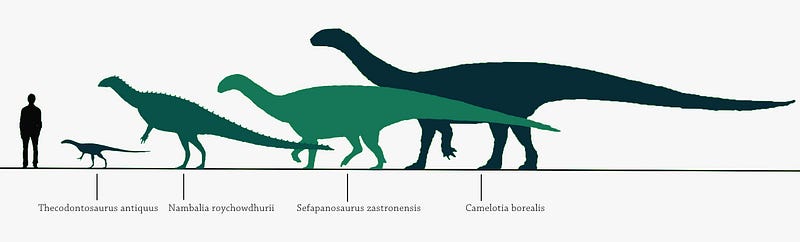
A selection of primitive Sauropodomorphs: (from left to right) Thecodontosaurus antiquus, Nambalia roychowdhuri, Sefapanosaurus zastronensis, Camelotia borealis (chart by author, 2020).

A global warming event

Geological evidence suggests that massive volcanic eruptions were occurring 180 million years ago in the Southern Hemisphere. The increased volcanism released huge amounts of CO2 in the atmosphere leading to a global warming event. The high concentration of CO2 and the subsequent rising temperatures drastically affected both marine and terrestrial environments.

On land, in particular, the change of the climate led to a major floristic turnover. Prior to the volcanic event, the dominant flora consisted of sphenophytes, dipteridacean ferns, conifers, seed ferns, and cycads -species that flourish in humid, lush habitats.
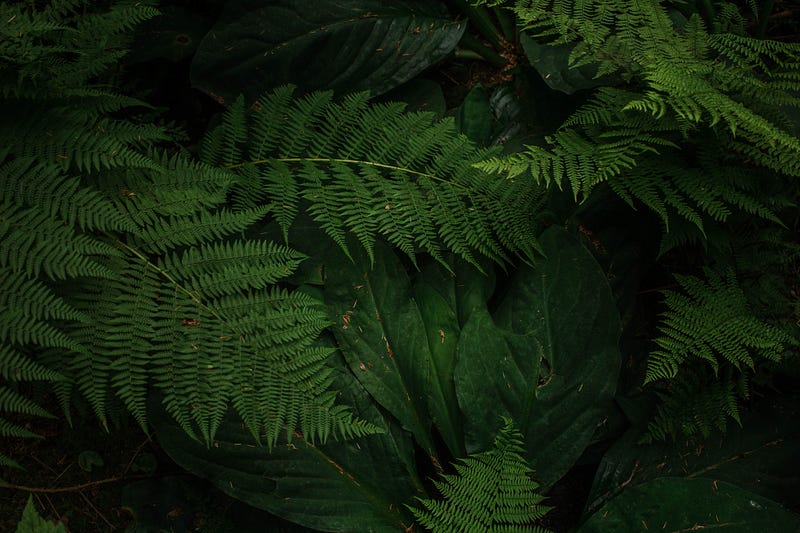
Photo by hannah grace on Unsplash

Following the environmental crisis, tall conifer trees became increasingly widespread. The proliferation of conifer trees is suggestive of an arid, seasonally dry environment. These plants may have acted as a strong selective regime favoring the survival of creatures that could feed on them.

Early sauropodomorphs had gracile skulls, their mandibles were less mechanically efficient and their teeth were small, with thin enamel. In short, they lacked adaptations to high-fiber herbivory.

Which creatures were better adapted to exploit the proliferation of the conifer trees? Turns out, the sauropods were.
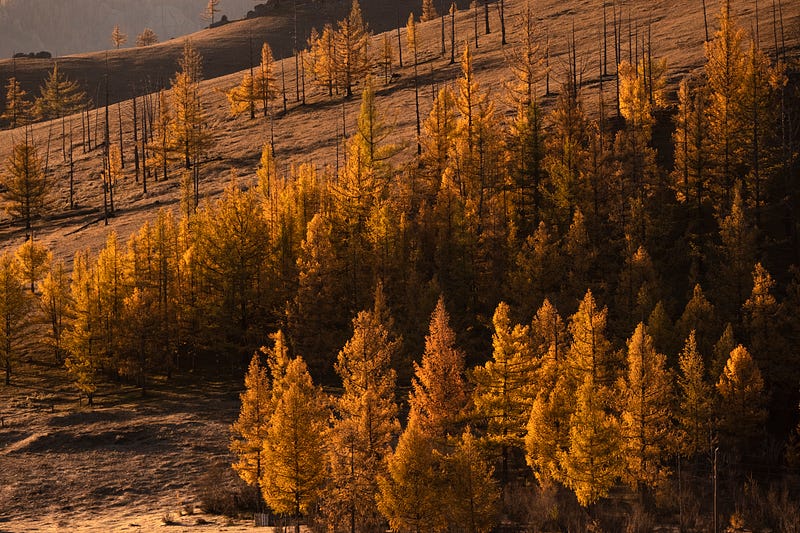
Photo by Lightscape on Unsplash

Evidence from Argentina

A newly discovered species of sauropod from Argentina provides valuable insights into the evolutionary history of these giants. Recovered from the base of the Cañadón Asfalto Formation, Bagualia alba is the oldest known eusauropod (true sauropod). This animal lived 179 million years ago and is estimated to have weighed almost 10 tons. It’s not the size, however, but the animal’s teeth that attract the scientists’ attention.

According to Diego Pol, principal researcher at the Museum of Paleontology Egidio Feruglio in Argentina the “enamel of the teeth of Bagualia was about 7 times thicker than those of the other herbivores that went extinct. This allowed them to feed on the tough coriaceous leaves of conifers.”

Contrary to their sauropodomorph relatives, sauropods evolved strong jaws and teeth with thick enamels that enabled them to feed more efficiently on the newly available flora.
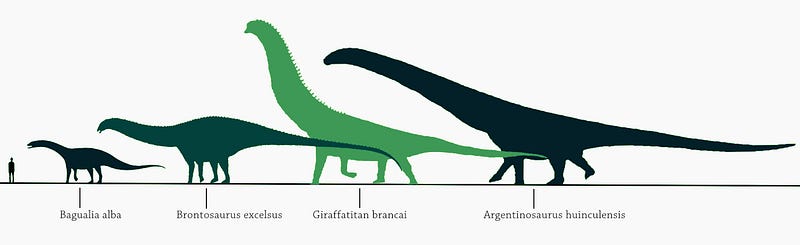
The newly discovered eusauropod Bagualia alba (left) compared to its later and (much) larger cousins: (from left to right) the diplodocid Brontosaurus excelsus, the brachiosaurid Giraffatitan brancai, and the titanosaur Argentinosaurus huinculensis (chart by author, 2020).

Getting big

Yet, having thick teeth and powerful jaws is not enough to process tough vegetation: one also needs a large digestive chamber. By feeding upon conifer trees, sauropods would have an evolutionary pressure to grow larger stomachs and thus a larger overall body size.

And the long necks?

A large body requires a lot of food to meet its energetic requirements. A big, heavy animal needs to be constantly on the move to acquire it, and by doing so it wastes a lot of energy. A long neck was an evolutionary advantage because it enabled these creatures to reach the tall conifers and to access different plants without moving their huge bodies much.
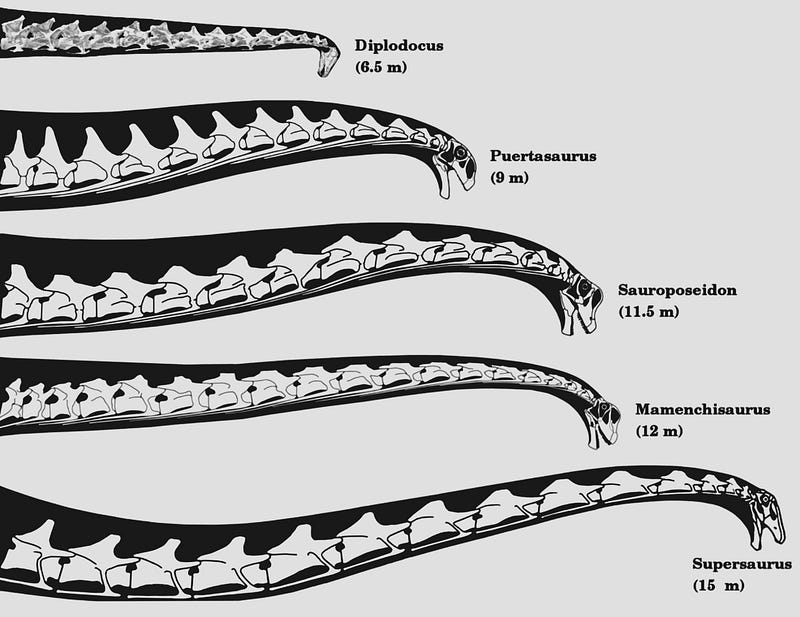
Sauropod neck reconstructions by Michael P. Taylor​, Mathew J. Wedel / Wikimedia Commons.

Some scientists like D. Pol believe that a long neck may have served an additional function as well: it could have helped these animals dissipate heat from their bodies in a fashion similar to the big ears of modern elephants.
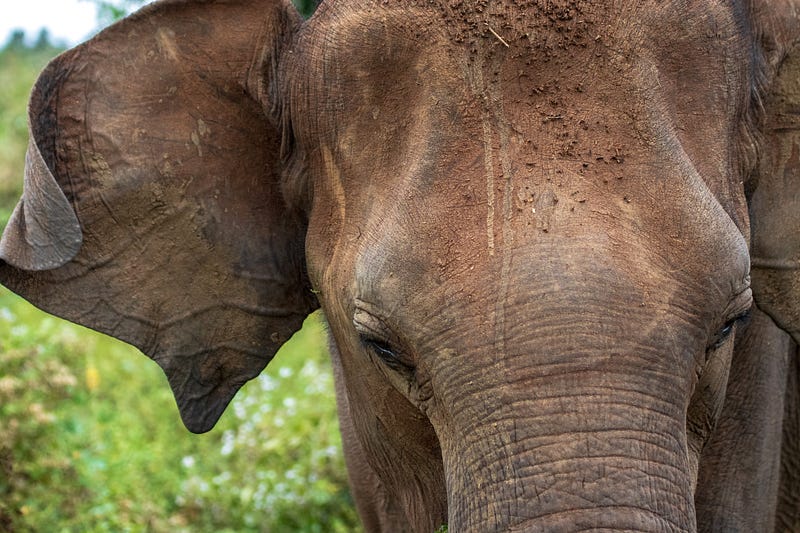
Photo by Tomáš Malík on Unsplash

Epilogue

A global warming event that took place roughly 200 million years ago triggered a drastic floral change in the planet and freed sauropods from their competitors, allowing them to flourish. Through the course of millions of years that followed, sauropods became even more diverse and…gigantic.

By 150 million years ago, sauropods were the undisputed dominant herbivores of their ecosystems. Well-established names such as the Brontosaurus, the Brachiosaurus, and the Diplodocus thrived in the North American upper Jurassic ecosystem of the Morrison Formation while their relatives did the same in Africa and Europe.

While most groups were in decline during the Cretaceous Period that followed, a clade of macronarian sauropods known as titanosaurs managed to spread across every continent. These giants ultimately went extinct 66 million years ago, along with the rest of the non-avian dinosaurs, putting an end to a glorious chapter of evolutionary history.

References

Pol D., Ramezani J., Gomez K., Carballido J. L., Carabajal A. Paulina, Rauhut O. W. M., Escapa I. H. and Cúneo N. R., (2020) Extinction of herbivorous dinosaurs linked to Early Jurassic global warming eventProc. R. Soc. B.28720202310 http://doi.org/10.1098/rspb.2020.2310

Cúneo, R., Ramezani, J., Scasso, R., Pol, D., Escapa, I., Zavattieri, A. M., & Bowring, S. A. (2013). High-precision U–Pb geochronology and a new chronostratigraphy for the Cañadón Asfalto Basin, Chubut, central Patagonia: Implications for terrestrial faunal and floral evolution in Jurassic. Gondwana Research, 24(3–4), 1267–1275. doi:10.1016/j.gr.2013.01.010

Paleontology
Global Warming
Dinosaurs
Science
Discovery
Recommended from ReadMedium