
Measuring Health
7 Health and Fitness Tests You Can Do on Your Own Daily
Biochemical and electrical data from the body can give valuable insights into our health and fitness.
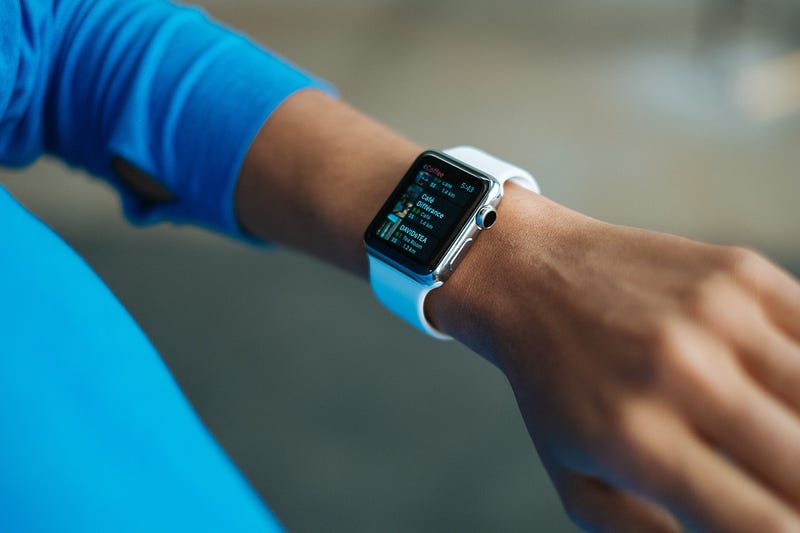
Technology enables us to see what is going on inside the body, showing invisible biochemical and electrical processes. Why shouldn’t we take this opportunity to stay healthy?
Purpose of the Article
The purpose of this post is to introduce seven valuable tests that you can do on your own daily. I also create awareness and provide practical tips on using these devices and their importance for proactively determining your health by doing these indicative tests at your convenience.
The Value of Do-Your-Own Health Tests
Countless cells communicate with chemical and electrical signals in our bodies constantly. It is difficult to understand their language with the limited capabilities of our six senses and the conscious mind.
Fortunately, humans developed extraordinary tools holding a mirror to our inner world. Technology turned scientific ideas and theories into valuable tools, devices, and services.
Collecting, storing, and analyzing data add tremendous value to our lives. They keep a mirror of the inner world. We turn data into information, knowledge, and wisdom.
This data, when matched with our feelings, can be invaluable. For example, we feel uncomfortable when our blood sugar quickly rises or falls. Similar unpleasant feelings happen when our blood pressure or heart rate goes up and down irregularly.
Learning about the body’s reactions is critical for preventing and treating health conditions. Therefore, these devices can add significant value to our well-being.
In addition, these digital devices are more affordable nowadays and provide more accurate results than analog devices used decades ago.
They don’t, of course, replace the tests performed by qualified healthcare professionals. However, these proactive tests can be supplementary to our regular tests performed by family doctors or specialists.
In this post, I only focus on the practical and affordable tools that can be used at home or work. I excluded other tests such as do it at your home type of ones.
For example, some pathology services send test kits home, users follow instructions, and send them to the service provider who analyses and provides results.
The tests I cover in this post do not require intervention from service providers. Individuals can do them at their convenience.
Healthcare institutes also provide devices for home use connecting to clinics or hospitals to monitor patients' health. I excluded them from this article.
However, data collected from these devices can be helpful for our healthcare service providers, such as family doctors, specialists, or therapists, to make better decisions.
1 — Blood Glucose and Ketones
The amount of glucose in our blood is an excellent indicator of our metabolic health. Fluctuations in the blood glucose send signals to the brain and generate noticeable emotions.
The body needs a delicate balance for blood sugar. Too much or too little can disrupt the body’s homeostasis and eventually cause severe health issues such as type II diabetes leading to other metabolic diseases, cardiovascular disorders, and neurological conditions.
Measuring blood sugar is particularly important for people living with type I and type II diabetes. Both elevated and too-low blood glucose can cause serious health issues.
Several lifestyle factors affect blood sugar fluctuations, such as eating, fasting, exercising, stress, supplements, and medications.
Even though we can measure blood glucose levels at different times, the best indicator for health conditions is on an empty stomach (no caloric food or drink) after at least eight hours of fasting.
I documented the importance of blood glucose measurement in an article titled, Understand Blood Glucose Levels, Learn to Measure & Monitor Them to Lower the Risks of Diabetes.
People interested in ketosis can also check ketone levels using blood, urine, and breath with publicly available tools. Blood ketone levels are better than urine ones, as the second one only shows unused ketones.
Both blood glucose and ketones can be tested with strips that can be purchased from pharmacies or health shops. However, ketone strips are relatively more expensive than blood glucose strips.
In addition, to check ketones for fitness performance, ketone measurement can also be beneficial for type I diabetes to detect a harmful condition known as ketoacidosis. It happens when ketones are created in order of magnitude, which is toxic to the body.
Ketoacidosis is a particular situation as it does not apply to everyone and mainly relates to people with type I diabetes or some people with type II diabetes consuming excessive alcohol.
2 — Blood Pressure
Consistently elevated blood pressure can indicate problems in our hearts. Likewise, too low readings can also be a problem. Blood pressure is a valuable indicator of our cardiovascular health. We can purchase blood pressure monitoring devices from pharmacies or electronic shops.
Self-monitoring our blood pressure can be helpful in diagnosing cardiovascular issues proactively. Our tests might provide additional information to our healthcare professionals, who can perform more thorough analyses. These devices can also show a heart pulse at a given time.
Investing in a blood pressure device for home use can be an excellent investment for people with higher cardiovascular health risks. As type II diabetes might lead to heart disease, these patients should consider self-monitoring their blood pressure.
Devices measuring blood pressure are affordable. The digital and automatic ones that fit on the upper arm are more reliable than the older units. Placing the cuff on the bare skin can provide more accurate results.
Keeping a record of blood pressure at different times of the day in a notebook, test document, or spreadsheet can be helpful. I use a spreadsheet as it allows me to create graphs.
Some smartphones also have health and fitness apps that can create visual effects by entering data into the app.
3 — Resting Heart Rate
Resting heart rate is another valuable indicator of cardiovascular conditions. This helpful measure represents how many times the heart beats per minute while at rest.
Our heart rate changes based on what we do at a specific time. For example, when we’re sitting or lying down heart rate slows. When we move or get excited, it beats faster.
The heartbeat is also known as the pulse. Blood pressure monitoring devices and smartwatches show this one-time reading.
Occasionally checking the pulse is not as helpful as resting heart rate as the pulse can vary from moment to moment based on many biochemical and electrical activities in the body.
Usually, a resting heart rate between 60 and 100 beats per minute is considered normal. If the resting heart rate is consistently over 100, it indicates cardiovascular issues. The condition is called tachycardia.
Even though athletes and very fit people have low resting heart rates, like between 40 and 60 beats per minute, too low scores might also indicate health risks for some people. This condition is called bradycardia.
Resting heart rate is not just a one-time check like blood pressure or sugar, but it is an average for a given time, such as a day, a week, or a month based on constant monitoring of heartbeats.
Several factors affect the heart rate. The most common ones are sleep, exercise, dehydration, eating, digestive disorders, stress, temperature, body composure like excessive abdominal fat, and some medications. Thus, when evaluating our resting heart rate, we need to consider these factors.
The best and most affordable tool to test resting heart rate is a smartwatch with this capability. The apps coming with these watches show the resting heart rate daily, weekly, monthly, or yearly.
4 — Heart Rate Variability
Recently, heart rate variability (HRV) is one of the most crucial biofeedback from the body as it covers several health conditions. Heart rate variability shows a pattern for the biological needs of the body.
HRV is biofeedback indicating the amount of time and variation between heartbeats. The time between the beats constantly changes depending on biological and psychological reactions in the body and mind.
Low HRV scores indicate the formation of disorders in the body and mind. Therefore, HRV biofeedback enables us to adjust our physiology to improve our cognitive and cardiovascular functioning.
There are publicly available and affordable devices for checking and analyzing HRV. New smartwatches and rings include it.
As I documented my research and experience on HRV, I will not repeat them here. Interested readers might check this story titled Here’s Why I Envision the Key to Good Health Resides Between the Spaces of Our Heartbeats.
5 — Pulse Oximetry for Oxygen Saturation
The oxygen level in our body plays a critical role in our survival. If it goes down the threshold, we face serious health issues. Oxygen is a crucial element for the body. We cannot live without oxygen in a few minutes.
Our tissues need oxygen constantly. Lack of oxygen in a short while causes suffocation of the tissues and will lead to death. The literature indicates that 90% or more of red blood cells must carry oxygen at a given time to survive.
The amount of oxygen in the blood is called oxygen saturation. The abbreviation for this concept is SpO2. It is measured as a percentage. Over 94 indicates normal, and under it abnormal, which requires medical attention.
Digital devices can check the oxygen saturation in the blood. They are called pulse oximetry devices. A pulse oximeter is a non-invasive device, meaning we don’t need to use blood.
This tool can show us the amount of oxygen in the blood when we touch it on our fingers for a short while. A drop in oxygen saturation can indicate severe conditions, such as allergies, sleep apnea, heart failure, suffocation, or infections.
Pulse oximeters became popular during the Covid pandemic as this virus substantially affects the oxygen saturation in the blood.
I documented my research on this topic in an article titled Here’s Why Our Blood Oxygen Saturation Levels Matter and How We Can Improve Them.
6 — Sleep Quality and Stress Levels
Sleep is the most fundamental need human body and mind. Even though we all sleep every day to some extent, not everyone gets restorative sleep and therefore faces severe health issues such as insulin resistance.
Fortunately, it is possible to measure sleep quality using sophisticated smartwatches and digital rings, checking some biomarkers in our arms or fingers. The rings are believed to provide more accurate signals from the body.
These smartwatches or rings come with some apps that can show sleep quality in a visual format by interpreting and processing the biofeedback data. They indicate the amount of rem, deep, and light sleep which play different restorative roles for the body.
Sleep is also closely associated with stress levels. Therefore, numerous applications interpret stress levels based on previously mentioned items such as heart rate, heart rate variability, blood pressure, blood sugar fluctuations, and sleep quality.
Checking sleep quality and stress levels daily can be invaluable as they provide us with what we are doing right or wrong on a given day. Service providers freely supply data gathering and analysis. Checking sleep quality daily and taking preventative measures is worth the time and effort.
Based on the results in the app portals, we can make the necessary adjustments. This data can also be provided to our healthcare professionals, who can monitor our health and provide us with a better plan to improve it.
7 — Cognitive Tests
I left this to the end, as cognitive tests are not as tangible as the previous ones. They are not physical indicators like glucose, blood, and heart signals.
Paper-based or digital cognitive tests reflect how the mind works from a psychological point of view. However, they are helpful in understanding our cognitive health and performance.
The paper ones cover tests like puzzles or intricate questions to test working memory, attention, task switching, and problems solving, which are critical cognitive functions.
In addition, some digital game programs, such as Lumosity and Elevate, work into subscription models. They might provide indicative cognitive progress giving an idea of how our focus, attention, task-switching, memory, and problems solving abilities are at a given time.
Furthermore, there are physical tests that can be performed by mental health professionals using expensive devices leveraging the signals in the brain.
They check blood flow to a specific part of the brain using MRI scans and other sophisticated tools. Professionals usually use these tests to detect cognitive decline.
As cognitive tests are comprehensive and varied based on conditions and cognitive performance requirements, I plan to post an article about the tools I have reviewed and used.
In the meantime, interested readers might consult their healthcare professionals if they have symptoms of cognitive decline, as I explained in a story titled 7 Tips to Prevent Cognitive Decline and Impairment.
Conclusions and Takeaways
In this post, I only provided practical, affordable, and widespread tests that can be done on your own at home or at work. They are minimally invasive, don’t require medication, and don’t need special knowledge.
There are other tests that I did not include as they are more expensive, riskier, or more intrusive, usually used by experienced biohackers for performance purposes.
Monitoring our health and fitness is critical for preventing diseases and getting timely treatment. If we automate them and make their use a habit, they don’t take much time and get easier as we use them. They can give us valuable insights.
These affordable and practical tests can provide a proactive health and fitness management capability to us and serve as a supplementary tool for our healthcare professionals. Therefore, investing in them is a wise choice.
If our mood is down, most likely, some of these tests, such as fluctuating blood glucose or pressure, might give us a clue and motivate us to take necessary actions for improvement.
Here’s How I Got Healthier and Smoother Skin via 5 Lifestyle and Holistic Health Methods.
Thank you for reading my perspectives. I wish you a healthy and happy life.
As a new reader, please check my holistic health and well-being stories reflecting my reviews, observations, and decades of experiments optimizing my hormones and neurotransmitters. I write about health as it matters. I believe health is all about homeostasis.
Petechiae, ALS, Metabolic Syndrome, Type II Diabetes, Fatty Liver Disease, Heart Disease, Strokes, Obesity, Liver Cancer, Autoimmune Disorders, Homocysteine, Lungs Health, Pancreas Health, Kidneys Health, NCDs, Infectious Diseases, Brain Health, Dementia, Depression, Brain Atrophy, Neonatal Disorders, Skin Health, Dental Health, Bone Health, Leaky Gut, Leaky Brain, Brain Fog, Chronic Inflammation, Insulin Resistance, Elevated Cortisol, Leptin Resistance, Anabolic Resistance, Cholesterol, High Triglycerides, Metabolic Disorders, Gastrointestinal Disorders, Thyroid Disorders, Anemia, Dysautonomia, cardiac output, and urinary track disorders.
I also wrote about valuable nutrients. Here are the links for easy access:
Lutein/Zeaxanthin, Phosphatidylserine, Boron, Urolithin, taurine, citrulline malate, biotin, lithium orotate, alpha-lipoic acid, n-acetyl-cysteine, acetyl-l-carnitine, CoQ10, PQQ, NADH, TMG, creatine, choline, digestive enzymes, magnesium, zinc, hydrolyzed collagen, nootropics, pure nicotine, activated charcoal, Vitamin B12, Vitamin B1, Vitamin D, Vitamin K2, Omega-3 Fatty Acids, N-Acetyl L-Tyrosine, and other nutrients.
Disclaimer: My posts do not include professional or health advice. I only document my reviews, observations, experiences, and perspectives to provide information and create awareness.
As part of my creative non-fiction writing goals, I’d like to share a few stories that might warm our hearts with a bit of humor into weighty topics.
Sample Humorous Stories
Finally, After Burning Her House, Georgia Found Enlightenment
Hilarious Tips to Prevent Brain Atrophy and Keep the Gray Matter Giggling
8 Psychological Points I Had to Unlearn and Relearn the Opposite
Based on my writing experience and observations, I documented findings and strategies that might help you amplify your voice, engage your audience, and achieve your desired outcomes in your writing journey.
I publish my lifestyle, health, and well-being stories on EUPHORIA. My focus is on cellular, mitochondrial, metabolic, and mental health. Here is my collection of Insightful Life Lessons from Personal Stories.
You might join my six publications on Medium as a writer by sending a request via this link. 22K writers contribute to my publications. You might find more information about my professional background.
As a writer, blogger, content developer, and reader, you might join Medium, Vocal Media, NewsBreak, Medium Writing Superstars, Writing Paychecks, WordPress, Cliqly, and Thinkers360 with my referral links. These affiliate links will not cost you extra to join the services.


