
10 Spring Cloud Features Which Makes Microservice Development Easier in Java
These are the 10 most essential Spring Cloud features which every Java Microservice developer should know
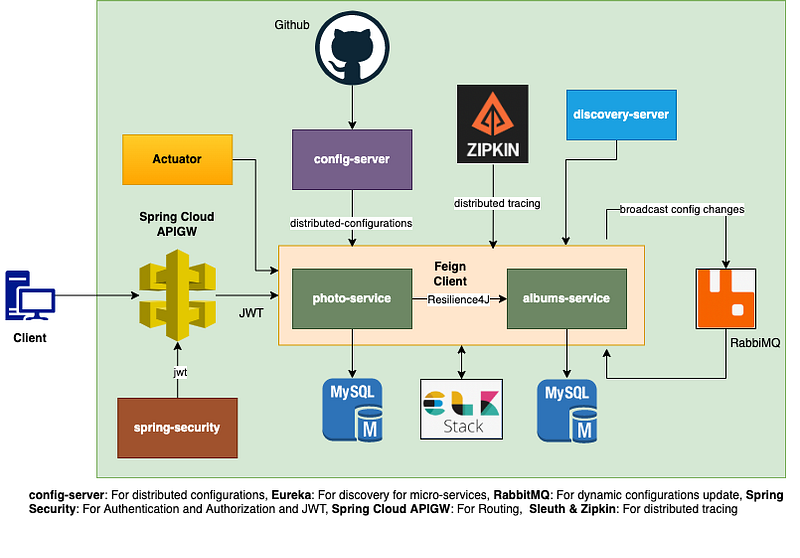
Hello guys, Spring Cloud is one of the main framework for Java developers to build Microservices and in this article I am going to tell you 10 Spring Cloud features which makes Developing Microservices in Java easier.
In the past, I have shared several Microservices articles like Microservices design principles, Microservices patterns, Microservice interview questions and explained many key patterns like SAGA, CQRS, Load Balancer, Circuit Breaker, DB Per Microservices, and API Gateway pattern and in this article, I will share awesome Spring Cloud features which can help you in Microservices development.
Microservices have revolutionized the way we design and build scalable, distributed systems. To effectively develop and manage microservices, developers often rely on frameworks that provide essential functionalities and abstractions.
Spring Cloud, a popular framework built on top of the Spring ecosystem, offers a comprehensive set of tools and features that facilitate the development of microservices. In this article, we will explore the ten most important Spring Cloud features that empower developers in building robust and resilient microservice architectures.
By the way, if you are new to Microservice architecture and Spring Cloud or just want to revise key Microservice concepts and looking for resources then here are few online courses you can join:
- Master Microservices with Spring Boot and Spring Cloud [Udemy]
- Building Scalable Java Microservices with Spring Boot [Coursera]
- Developing Microservices with Spring Boot [Educative]
- Master Microservices with Java, Spring, Docker, Kubernetes [Udemy]
This list includes both video and text-based courses as well as project based courses for hands-on learning, you can join one or a couple of them to revise Microservices concepts. If you need more choices, you can see the below articles:
And, if you need free resources like free Microservices courses then you can also checkout following resources:
10 Essential Spring Cloud Features for Java Microservice Developers
Here are the 10 awesome features which makes Spring Cloud one of the most popular framework for developing Microservices in Java:
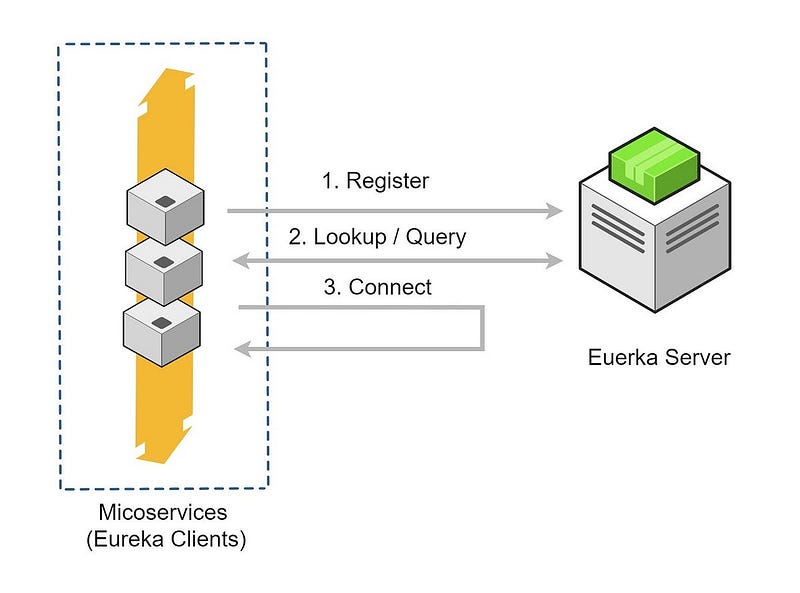
1. Service Discovery with Eureka
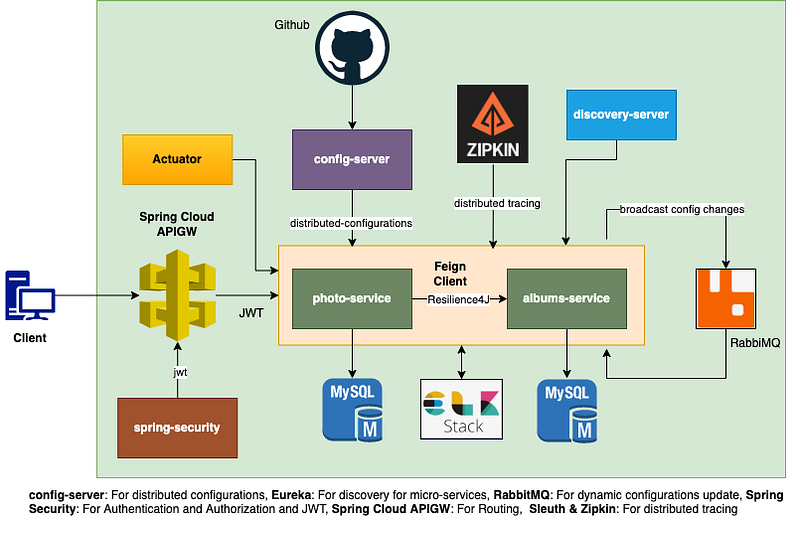
Spring Cloud Eureka enables service registration and discovery within a microservices environment. By implementing the service registry pattern, Eureka allows services to dynamically discover and communicate with each other, simplifying the management of service endpoints.
learn more about service discovery— https://readmedium.com/service-registry-design-pattern-in-microservices-explained-a796494c608e
2. Load Balancing with Ribbon
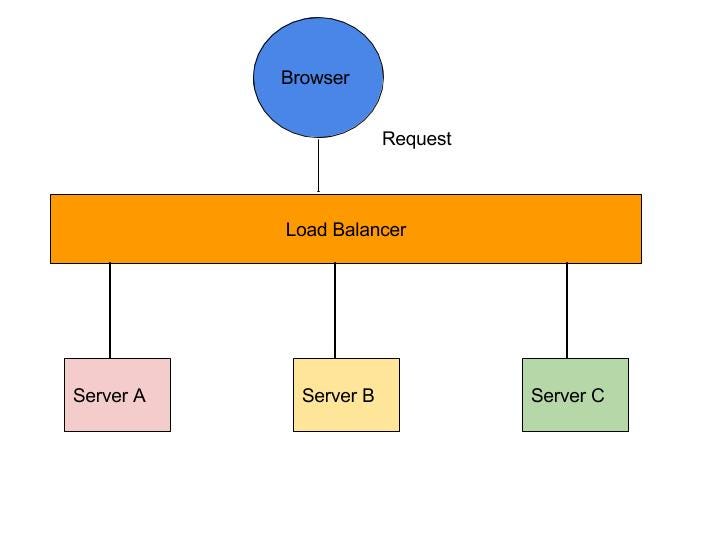
Ribbon, a client-side load balancing library provided by Spring Cloud, seamlessly integrates with Eureka. It distributes incoming requests across multiple instances of a service, improving performance, scalability, and fault tolerance without requiring complex infrastructure configurations.
3. Circuit Breaker with Hystrix
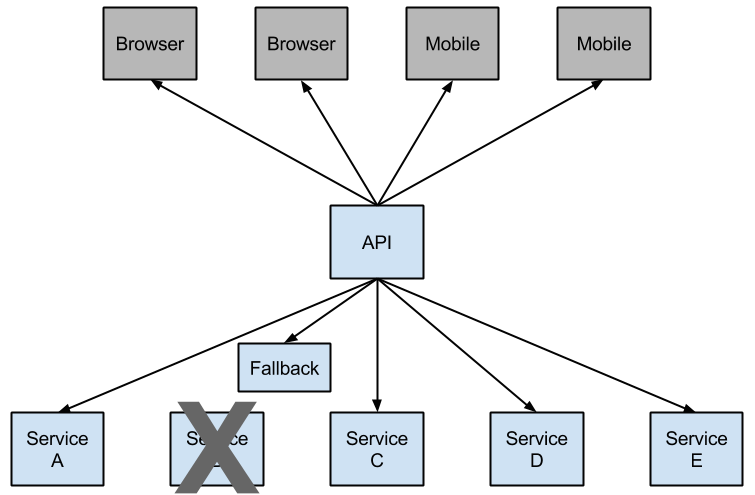
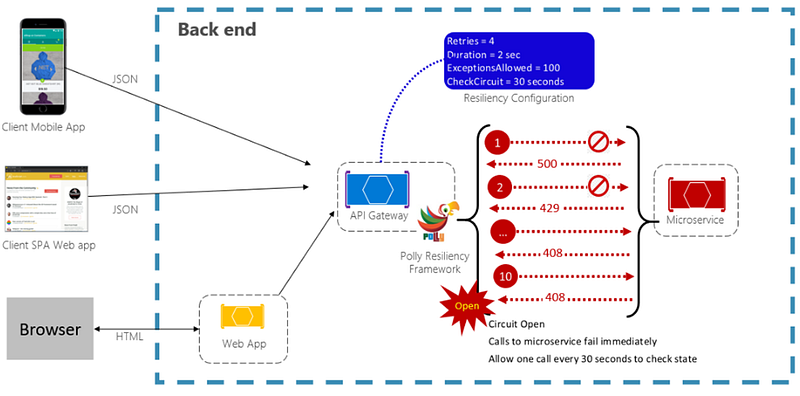
Hystrix provides a circuit breaker pattern implementation, protecting microservices from cascading failures and improving system resilience. With Hystrix, developers can define fallback behaviors and fault tolerance mechanisms, enabling services to gracefully degrade or isolate failures.
4. Distributed Configuration with Spring Cloud Config
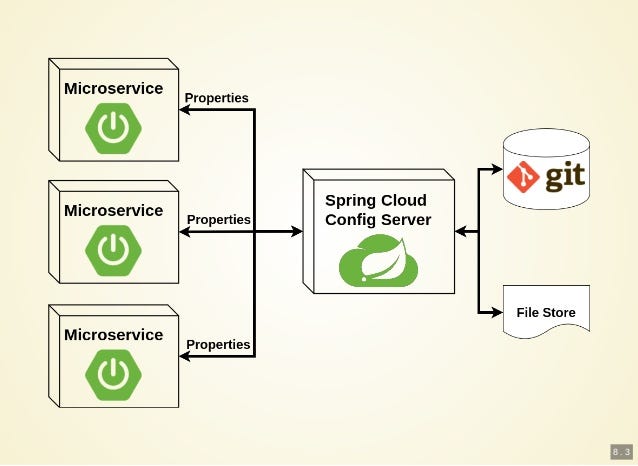
Spring Cloud Config allows centralizing and externalizing the configuration of microservices in a distributed system. It provides a Git-backed configuration server that enables dynamic configuration updates without requiring service restarts, enhancing flexibility and manageability.
5. API Gateway with Spring Cloud Gateway
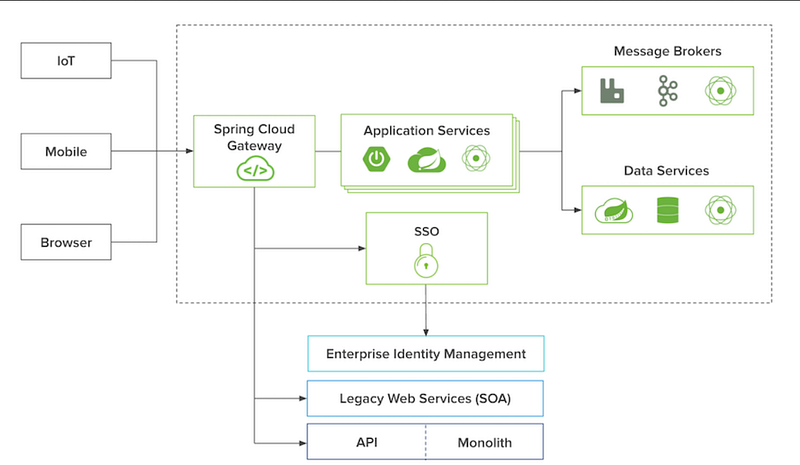
Spring Cloud Gateway offers a powerful and flexible API gateway solution for routing and filtering requests to microservices. It acts as an entry point for clients, handling cross-cutting concerns like authentication, rate limiting, and request transformation, simplifying the microservice architecture.
6. Distributed Tracing with Sleuth
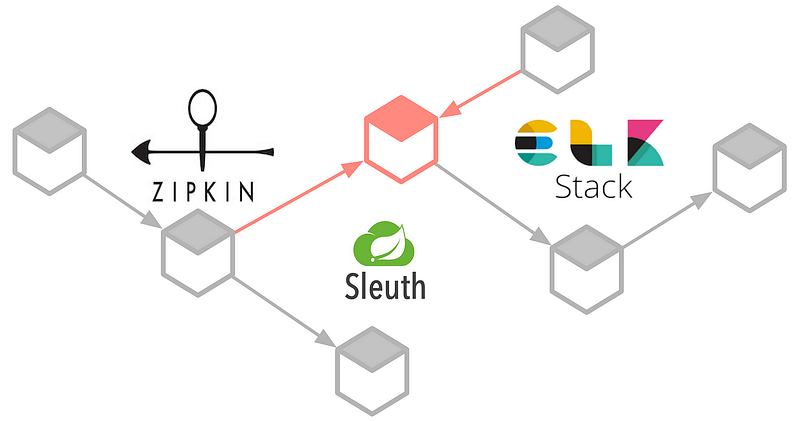
Sleuth, integrated with Spring Cloud, provides distributed tracing capabilities, allowing developers to track requests as they flow through multiple microservices. It enables monitoring and troubleshooting of latency, performance bottlenecks, and dependencies across the distributed system.
7. Event-Driven Communication with Spring Cloud Stream
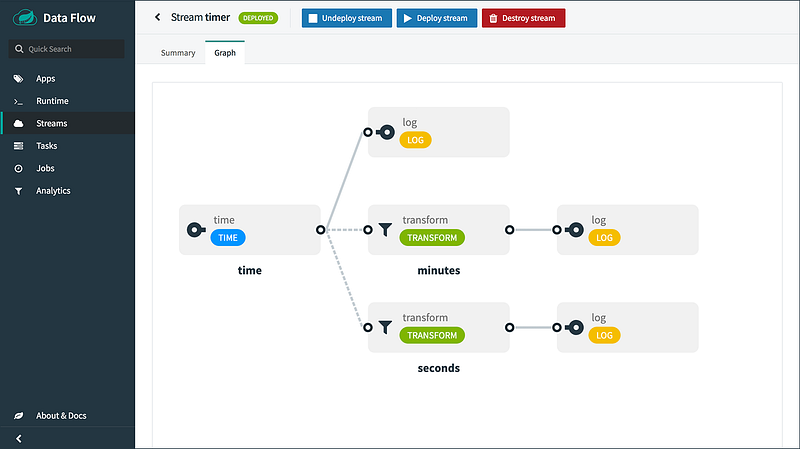
Spring Cloud Stream simplifies the development of event-driven microservices by providing abstractions for messaging systems like Apache Kafka or RabbitMQ. It allows services to communicate asynchronously through message-based architectures, enabling loose coupling and scalability.
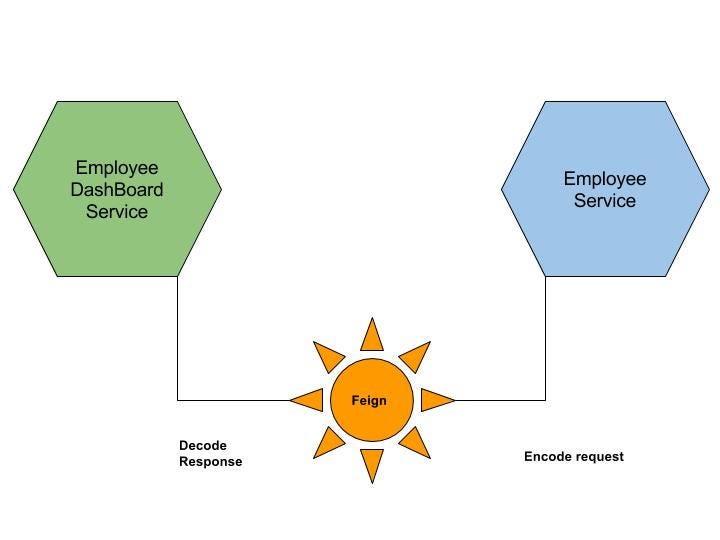
8. Service-to-Service Communication with Feign
Feign, a declarative REST client provided by Spring Cloud, simplifies the development of service-to-service communication. With Feign, developers can define interfaces using annotations, abstracting away the complexities of HTTP requests and serialization.
9. Distributed Security with Spring Cloud Security
Spring Cloud Security offers robust security mechanisms for microservices, including authentication and authorization. It integrates seamlessly with Spring Security, providing a unified and consistent approach to securing microservice architectures.
10. Fault Tolerance and Resilience with Spring Cloud Circuit Breaker:
Spring Cloud Circuit Breaker provides a common abstraction layer for implementing circuit breakers across different underlying libraries, such as Hystrix or Resilience4J. It enables developers to handle failures and latency in a consistent manner, improving fault tolerance and system resilience
Conclusion
That’s all about the essential Spring Cloud features a Java developer should know for Microservices development. Spring Cloud offers an extensive suite of features that greatly simplify and enhance the development of microservices.
From service discovery and load balancing to distributed configuration and fault tolerance, these ten key Spring Cloud features provide developers with the necessary tools and abstractions to build robust, scalable, and resilient microservice architectures.
By leveraging these features, developers can focus on business logic and accelerate the development of microservices while ensuring high availability and fault tolerance in their distributed systems.
This is one thing which I believe every Java developer should prepare but if you want more, you can also prepare Microservices Questions like difference between API Gateway and Load Balancer, SAGA Pattern, how to manage transactions in Microservices, and difference between SAGA and CQRS Pattern, they are quite popular on interviews.
By the way, if you are new to Microservice architecture or just want to revise key Microservice concepts and looking for resources then here are few online courses you can join:
- Master Microservices with Spring Boot and Spring Cloud [Udemy]
- Building Scalable Java Microservices with Spring Boot [Coursera]
- Developing Microservices with Spring Boot [Educative]
- Master Microservices with Java, Spring, Docker, Kubernetes [Udemy]
This list includes both video and text-based courses as well as project based courses for hands-on learning, you can join one or a couple of them to revise Microservices concepts. If you need more choices, you can see the below articles:
And, if you need more choices, you can also checkout following resources:
Other Microservices articles you may like


