
Difference between Microservices and Monolithic Architecture for Java Interviews
What are differences between Monolith and Microservices architecture? Pros and cons, and when to use each of them
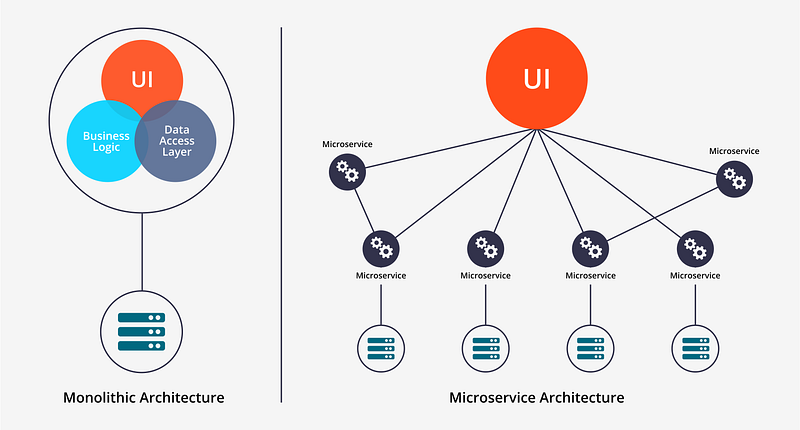
Hello guys, one of the common question on Java developer interviews for senior and experienced developer is, “difference between monolith and Micro service architecture?”. With the growing popularity of Microservices, you I am seeing more and more questions from Microservices on Java Interviews and this is one of the starter question.
Earlier, I have shared 25 Advanced Java questions, 25 Spring Framework questions, 20 SQL queries from Interviews, 50 Microservices questions, 60 Tree Data Structure Questions, 15 System Design Questions, and 35 Core Java Questions for Java developer interview and in this article, I am going to explain about Microservices and Monolith from Java interview point of view.
While both Monolith and Microservices are two different architectural styles for building software applications, there are quite a lot differences between them.
In case of monolith architecture, your entire application is packaged and deployed together while in case of Microservices architecture an application is broken into a collection of small, independent services that communicate with each other over a network, mostly over HTTP.
Each service is responsible for a specific business capability and can be developed, deployed, and scaled independently. This makes it easier to make changes to the application without affecting other parts of the system.
Microservices also enable applications to be developed and deployed faster, and they are better suited to large and complex applications where different parts of the application may need to evolve at different speeds.
Btw, Microservices are not sliver bullet, there are debugging and troubleshooting issues with Microservices because application log files is scattered across multiple services also for latency sensitive application, Microservices is not a good choice because it increases latency.
Now that we are familiar with the basic idea of Microservices and Monolithic architecture, its time to deep dive and see pros and cons of both software architecture.
By the way, if you are new to Microservice architecture or just want to revise key Microservice concepts and looking for resources then here are few online courses you can join:
- Master Microservices with Spring Boot and Spring Cloud [Udemy]
- Building Scalable Java Microservices with Spring Boot [Coursera]
- Developing Microservices with Spring Boot [Educative]
- Master Microservices with Java, Spring, Docker, Kubernetes [Udemy]
This list includes both video and text-based courses as well as project based courses for hands-on learning, you can join one or a couple of them to revise Microservices concepts. If you need more choices, you can see the below articles:
And, if you need more choices, you can also checkout following resources:
Difference between Monolithic and Microservices Software Architecture
Here are the key differences, advantages and disadvantages of Monolithic and Microservices architecture:
1. Deployment and Management
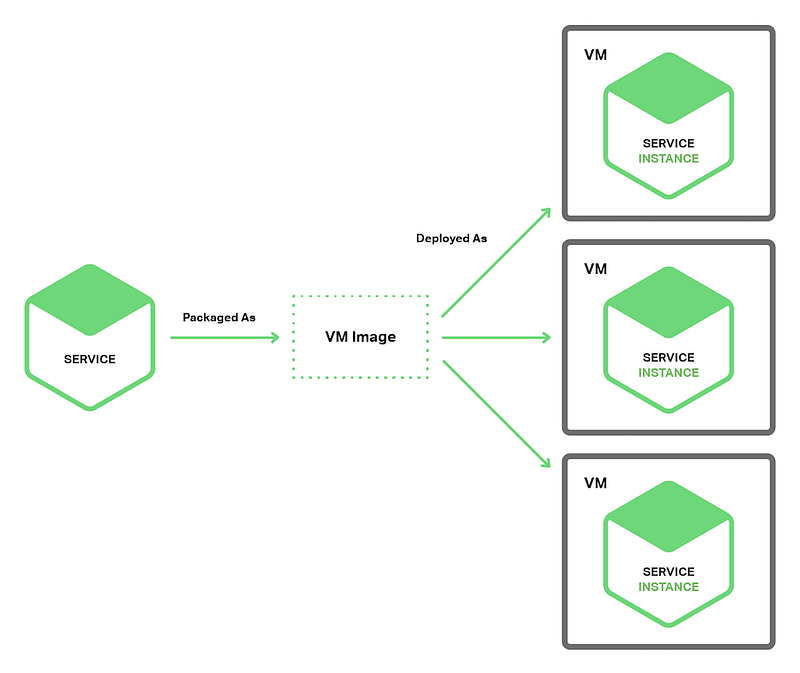
Monolithic applications are simple to deploy and manage, since all components are included in a single package, but Microservices are complex to deploy and manage, since each service is deployed independently and must communicate with other services over a network.
Microservice architecture also have increased operational overhead, as each service must be deployed, monitored, and managed individually.
2. Easy to Understand
In case of Monolithic architecture its easy to understand the entire system, since all components are integrated tightly, while its difficult to understand the flow in Microservices because of multiple services.
3. Debugging
Monolitic application are easier to debug as compared to Microservices because entire application runs in a single process, while Debugging can be more difficult in Microservice architecture, since issues can span multiple services.
For example, if data is updated in one service it can have origin in some other service like authentication or authorization
4. Coupling
In case of Monolithic architecture components are tightly coupled which makes it difficult to make changes to the application without causing unintended consequences, while Microservices promotes low coupling.
It’s also easier to make changes to the application, since each service is responsible for a specific business capability.
5. Maintainence
Monolitic application are easier to start but difficult to maintain, as the application grows, the code base becomes larger and more complex, making it harder to maintain.
On the other hand, Microservices are easier to maintain as you can make changes in one service without deploying other services.
6. Development
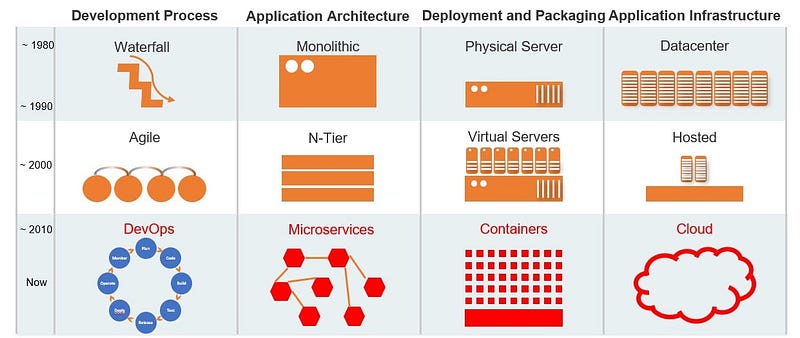
Microserivce promotes flexible development and its better suited to large and complex applications where different parts of the application may need to evolve at different speeds.
While Microsrvices are better suited for small, latency sensitive application. In short, Microservices Enables faster development and deployment, since services can be developed and deployed independently.
7. Performance and Scalability
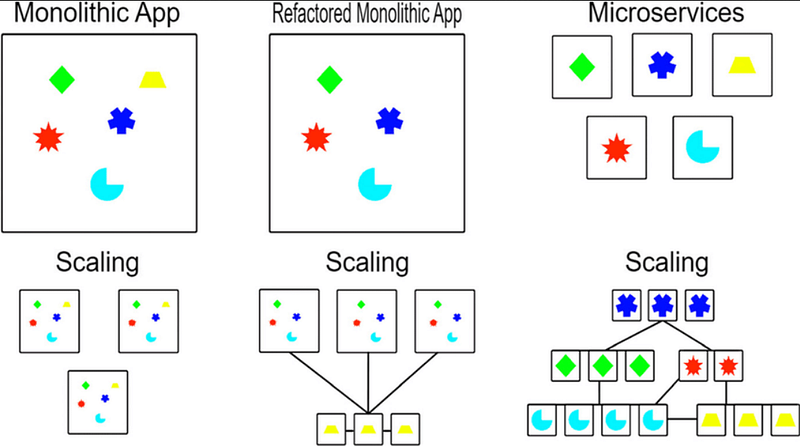
Microservice architecture allows for better scalability and performance improvement , since each service can be scaled independently, while performance bottlenecks can easily happen in Monolithic application, since all components share the same resources.
Java and Spring Interview Preparation Material
Before any Java and Spring Developer interview, I always use to read the below resources
Grokking the Java Interview
Grokking the Java Interview: click here
I have personally bought these books to speed up my preparation.
You can get your sample copy here, check the content of it and go for it
Grokking the Java Interview [Free Sample Copy]: click here

If you want to prepare for the Spring Boot interview you follow this consolidated ebook, it also contains microservice questions from spring boot interviews.
Grokking the Spring Boot Interview
You can get your copy here — Grokking the Spring Boot Interview

That’s all about difference between Microservices and monolithic architecture. As I said, monolithic architecture is simpler and easier to deploy and manage, but is less flexible and harder to change. Microservices architecture is more flexible and easier to change, but is more complex and harder to deploy and manage.
The choice of Software architecture depends on the specific requirements and constraints of the application being built. It also depends upon development team and people involved in decision making like Software and Solution architect.
Microservices is latest trend in Software development and a well-designed microservices architecture can provide benefits such as scalability and faster development, but requires a more complex deployment and management infrastructure.
On the other hand, a well-designed monolithic architecture can provide benefits such as simpler deployment and easier debugging, but can become more difficult to change as the application grows.
Microservices Online Courses
By the way, if you are new to Microservice architecture or just want to revise key Microservice concepts and looking for resources then here are few online courses you can join:
- Master Microservices with Spring Boot and Spring Cloud [Udemy]
- Building Scalable Java Microservices with Spring Boot [Coursera]
- Developing Microservices with Spring Boot [Educative]
- Master Microservices with Java, Spring, Docker, Kubernetes [Udemy]
This list includes both video and text-based courses as well as project based courses for hands-on learning, you can join one or a couple of them to revise Microservices concepts. If you need more choices, you can see the below articles:
And, if you need more choices, you can also checkout following resources:
Other Microservices articles you may like


