avatarGunnar De Winter

Free AI web copilot to create summaries, insights and extended knowledge, download it at here

3019

Abstract

VSGIb8vRnC3Qj9h.png"><figcaption>Metformin (Wikimedia commons, Ben Mills)</figcaption></figure><p id="0019">The diabetes drug metformin is a perennial top-pick in the anti-aging competition. After all, metformin does a couple of interesting things.</p><p id="f27a">For one thing, it affects the 5′‐AMP-activated protein kinase (<a href="https://en.wikipedia.org/wiki/AMP-activated_protein_kinase">AMPK</a>). This an enzyme that — what’s in a name? — plays an important part in the AMPK signaling pathway that regulates cellular energy homeostasis. As we age, the activity of that pathway declines. This messes up autophagy and amps up cellular stress and inflammation.</p><p id="a351">Hello, cancer, diabetes, and cardiovascular issues.</p><p id="e174">Metformin also reduces stress on the <a href="https://en.wikipedia.org/wiki/Endoplasmic_reticulum">endoplasmatic reticulum</a>, an important cellular subunit. Additionally, metformin may tweak how our gut microbiome responds to nutrients, and the diabetes medication is known to affect <a href="https://en.wikipedia.org/wiki/DNA_methylation">DNA methylation</a> (‘tagging’ DNA with methyl groups, which influences gene activity).</p><p id="f263">So, is metformin the key to become Methuselah?</p><p id="a7eb">Hold your old horses.</p><p id="c4d1">A <a href="https://onlinelibrary.wiley.com/doi/full/10.1002/agm2.12135">new review</a> tallies what we know about metformin, and why we have to be careful. Let’s take a look.</p><h2 id="feba">Lifespan</h2><p id="9fa4">What we’re here for, right?</p><p id="954f">And indeed, in organisms such as roundworms, fruit flies, and mice, we see an increase in lifespan (between 0.1% and 36%). Big but: at higher doses, we see a <i>decrease</i> in lifespan.</p><p id="ff8b">In human trials (a <a href="https://link.springer.com/article/10.1007/s11357-019-00146-3/tables/1">list</a> here) we see an increase in AMPK activation, less tumor cell proliferation, and a change in activity in genes thought to be involved in metabolism and DNA repair. Results on life- and healthspan in humans? Come back in twenty years — also: more research funding needed…</p><h2 id="738f">Cardiovascular disease</h2><p id="11cf">Some of the genes affected by metformin play a role in the concentration of circulating lipids and <a href="https://en.wikipedia.org/wiki/Low-density_lipoprotein">LDL </a>cholesterol (which we generally don’t want too much of). Tweaking the activity of those genes could affect the risk for cardiovascular disease.</p><p id="e5fb">In <a href="https://www.sciencedirect.com/science/article/pii/S0925443918300292?via%3Dihub">old, atherosclerosis-suffering mice</a>, for example, a chronic low dose of metformin reduced vascular inflammation and delayed aging in the cardiovascular system.</p><p id="8105">In humans too, metformin appears to have a modest cardiovascular protective effect, both in <a href="https://www.ahajournals.org/doi/10.1161/CIRCULATIONAHA.116.025483">diabetes</a> patients and <a href="https://drc.b

Options

mj.com/content/3/1/e000090">non-diabetics</a>.</p><h2 id="fdae">Tumors</h2><p id="3923">As we age, our backstabbing bodies tend to shut down tumor suppressing genes and loosen the reins on oncogenes. Ready, set, cancer. Metformin might be able to put the brakes on this.</p><p id="122b">When <a href="https://www.aging-us.com/article/100273">mice are started on a metformin treatment early in life</a>, the emergence of life-threatening tumors is delayed (but not turned to zero).</p><p id="beb2">There are <a href="https://www.bmj.com/content/330/7503/1304">some indications</a> that diabetes patients on metformin have a reduced cancer risk. Unfortunately, if we <a href="https://link.springer.com/article/10.1007%2Fs00125-012-2653-7">look across all trials in a meta-analysis</a>, no luck, metformin does not appear to reduce cancer risk.</p><h2 id="545b">Neurodegeneration</h2><p id="9758">For a while now, we have known that there is a <a href="https://www.nature.com/articles/nrneurol.2010.130">link between type 2 diabetes and the risk of Alzheimer’s disease</a> (AD), possibly due to problems with protein and insulin processing, as well as increased inflammation.</p><p id="e632">Metformin to the rescue?</p><p id="13a3">Again, <a href="https://content.iospress.com/articles/journal-of-alzheimers-disease/jad180263">the data does not live up to the hype</a>. People without diabetes do not seem to benefit from metformin when it comes to AD risk. Although the use of metformin with insulin in AD patients did <a href="https://journals.lww.com/alzheimerjournal/Abstract/2017/04000/Effects_of_the_Insulin_Sensitizer_Metformin_in.4.aspx">improve cognitive function in the short-term</a>.</p><h1 id="7473">Metformin go or no?</h1><p id="c218">This leaves us where exactly?</p><ul><li>Any positive effect of metformin is strongly dose-dependent. Wrong dose → shorter life. Oopsie. What is the right dose? We don’t really know + it probably depends on your genetic make-up and other individual traits.</li><li>Side effects: depending on your version of the gene OCT1, metformin can cause <a href="https://doi.org/10.1007/s00125-015-3844-9">gastrointestinal issues</a>. The drug can also up the risk for <a href="https://doi.org/10.1371/journal.pone.0100379">vitamin B12 deficiency</a>.</li><li>Effects are not the same in male and female <a href="https://doi.org/10.18632/aging.100245">mice</a> and <a href="https://doi.org/10.1161/circulationaha.116.025483">people</a>. Why? We’re not sure.</li><li>We don’t really know how or why metformin changes the activity of certain genes, and this <a href="https://doi.org/10.2337/db10-0543">activity also depends on which specific versions of other genes</a> you carry.</li></ul><p id="8d1a">As the authors of the review note:</p><blockquote id="7930"><p>The issues of dosage, side effects, sexual dimorphism, and genetic regulatory mechanisms all point to the need for large‐scale clinical trials.</p></blockquote><p id="86d3">No magic pill, after all.</p></article></body>

Metformin to Treat Aging: Potential and Concerns

Metformin, originally a diabetes drug, has quickly become a popular anti-aging medication. But what do we really know?
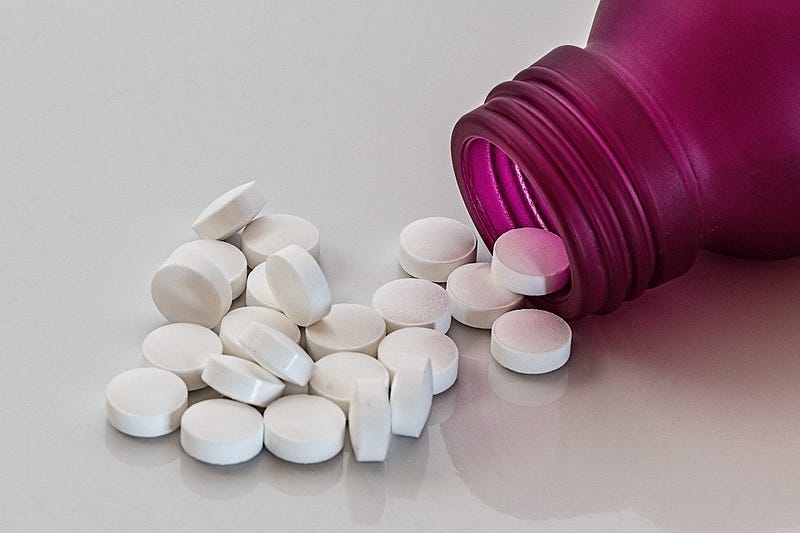
(Pixabay, stevepb)

Elixir of life

Imagine going to sleep and waking up in a body much older than the one you dozed off in.

Saggy skin, different body shape, loss of muscle tone. On the inside, a decrease in immune function, a greater risk for cancer, joints that creak, holes in your memory, and even a microbiome that gives your trouble.

Doesn’t sound like fun. Yet we will all be confronted with old age one day.

No wonder we are looking for ways to prevent that scenario.

More specifically, we would like to extend both health- and lifespan. Thus far, we don’t really have a lot of options. Our current best bet is to emulate the lifestyle of people who age healthily (see the Blue Zones, for example): Move throughout the day, eat (mostly) plants, avoid stress, have a purpose, and cultivate a strong social network.

Those lifestyle factors, though, are no guarantee. There is a lot of individual variability — and even with the best genetics and healthiest lifestyle, human bodies fail eventually.

Time for a magic pill? (As social media ‘influencers’ know very well, we all like magic pills — and are willing to pay big bucks for it.)

Several chemical compounds are currently being studied for their potential effects on (parts of) the aging process — here’s a review. Some are more popular than others. Rapamycin is a favorite. So is metformin.

But all anti-aging drugs have their drawbacks. Not in the least the fact that they have been mostly tested in model organisms in controlled laboratory settings, or in small, short-term human trials that look at select biomarkers and then extrapolate the findings. There is a lot we still have to figure out.

Metformin review
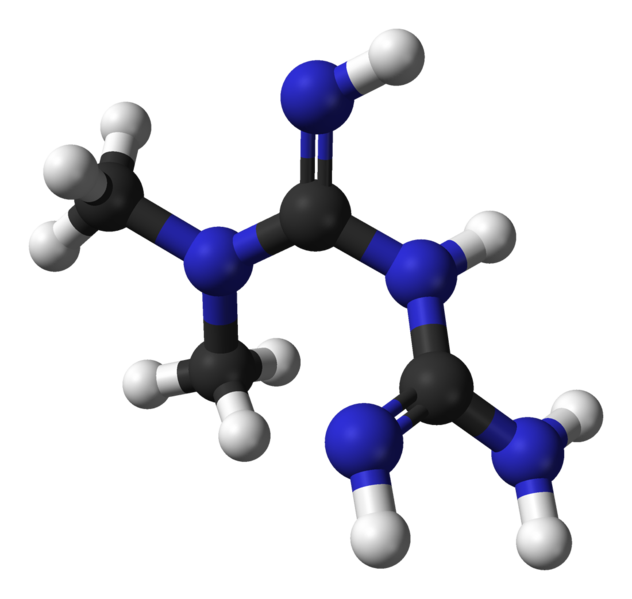
Metformin (Wikimedia commons, Ben Mills)

The diabetes drug metformin is a perennial top-pick in the anti-aging competition. After all, metformin does a couple of interesting things.

For one thing, it affects the 5′‐AMP-activated protein kinase (AMPK). This an enzyme that — what’s in a name? — plays an important part in the AMPK signaling pathway that regulates cellular energy homeostasis. As we age, the activity of that pathway declines. This messes up autophagy and amps up cellular stress and inflammation.

Hello, cancer, diabetes, and cardiovascular issues.

Metformin also reduces stress on the endoplasmatic reticulum, an important cellular subunit. Additionally, metformin may tweak how our gut microbiome responds to nutrients, and the diabetes medication is known to affect DNA methylation (‘tagging’ DNA with methyl groups, which influences gene activity).

So, is metformin the key to become Methuselah?

Hold your old horses.

A new review tallies what we know about metformin, and why we have to be careful. Let’s take a look.

Lifespan

What we’re here for, right?

And indeed, in organisms such as roundworms, fruit flies, and mice, we see an increase in lifespan (between 0.1% and 36%). Big but: at higher doses, we see a decrease in lifespan.

In human trials (a list here) we see an increase in AMPK activation, less tumor cell proliferation, and a change in activity in genes thought to be involved in metabolism and DNA repair. Results on life- and healthspan in humans? Come back in twenty years — also: more research funding needed…

Cardiovascular disease

Some of the genes affected by metformin play a role in the concentration of circulating lipids and LDL cholesterol (which we generally don’t want too much of). Tweaking the activity of those genes could affect the risk for cardiovascular disease.

In old, atherosclerosis-suffering mice, for example, a chronic low dose of metformin reduced vascular inflammation and delayed aging in the cardiovascular system.

In humans too, metformin appears to have a modest cardiovascular protective effect, both in diabetes patients and non-diabetics.

Tumors

As we age, our backstabbing bodies tend to shut down tumor suppressing genes and loosen the reins on oncogenes. Ready, set, cancer. Metformin might be able to put the brakes on this.

When mice are started on a metformin treatment early in life, the emergence of life-threatening tumors is delayed (but not turned to zero).

There are some indications that diabetes patients on metformin have a reduced cancer risk. Unfortunately, if we look across all trials in a meta-analysis, no luck, metformin does not appear to reduce cancer risk.

Neurodegeneration

For a while now, we have known that there is a link between type 2 diabetes and the risk of Alzheimer’s disease (AD), possibly due to problems with protein and insulin processing, as well as increased inflammation.

Metformin to the rescue?

Again, the data does not live up to the hype. People without diabetes do not seem to benefit from metformin when it comes to AD risk. Although the use of metformin with insulin in AD patients did improve cognitive function in the short-term.

Metformin go or no?

This leaves us where exactly?

  • Any positive effect of metformin is strongly dose-dependent. Wrong dose → shorter life. Oopsie. What is the right dose? We don’t really know + it probably depends on your genetic make-up and other individual traits.
  • Side effects: depending on your version of the gene OCT1, metformin can cause gastrointestinal issues. The drug can also up the risk for vitamin B12 deficiency.
  • Effects are not the same in male and female mice and people. Why? We’re not sure.
  • We don’t really know how or why metformin changes the activity of certain genes, and this activity also depends on which specific versions of other genes you carry.

As the authors of the review note:

The issues of dosage, side effects, sexual dimorphism, and genetic regulatory mechanisms all point to the need for large‐scale clinical trials.

No magic pill, after all.

Health
Aging
Science
Drugs
Medicine
Recommended from ReadMedium