
How Aging Changes the Shape of Your Body
Aging affects many processes in our body, but does it change overall body shape as well?
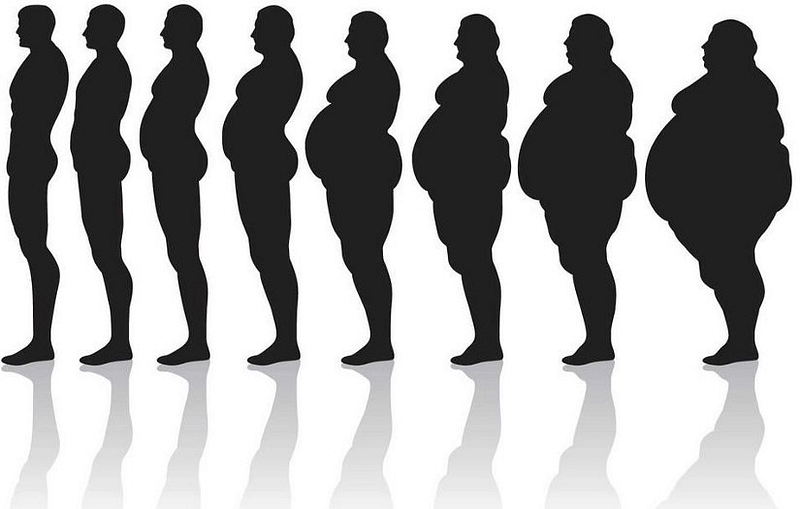
The ravages of time
As we traverse adulthood and start to ripen into old age, bodily changes happen. Most of them not very desirable.
The immune system begins to sputter, the risk for cancer increases, it becomes harder to build/maintain muscle, joints creak, connective tissue loosens, and your memory is no longer what it used to be.
Aging affects all parts of our bodies, including our microbiome. And while there are some substances that are being researched for their supposed anti-aging properties (such as rapamycin), progress has mostly been made in animal models — human studies for this are restricted to observing changes in certain biomarkers.
Tweaking these biomarkers and investigating how this affects the many intertwined and convoluted pathways involved in aging has led towards implementing machine learning in aging research. A few recent studies indeed used machine learning to develop lifespan ‘clocks’, including some based on human blood proteins.
In short, aging leads to lot of bodily changes.
Does the actual shape of the body change, though?
Stay in shape
A new study answers this question.
With data from almost 8,500 people aged between 40 and 80, researchers quantified various bodily dimensions via body scanning.
This is not only interesting for its own sake, but:
There is growing evidence that body shape and regional body composition are strong indicators of metabolic health.
First, they looked at traditional body indices: height, weight, BMI, and waist-to-hip ratio.
When we age:
- Height starts to decline from age 50.
- Weight increases until around 60, then starts dropping.
- BMI creeps up until 60, then remains stable (the weight drop from the previous point is countered by the decrease in height).
- Waist-to-hip ratio slowly increases over the entire period.
Next, the researchers investigated so-called meta-measures, a term they use to refer to various measurements such as the girth of the different limbs, the length of the limbs, head circumference, shoulder width, and so on.
Here, they:
…marked sex-specific differences of the body shapes as expected, especially the broader upper male body and the larger dimension of female legs. At the same time, we see similar reshaping trends upon aging in both sexes, namely increasing body girths and a (relative) shortening of the upper body.

Finally, they stratified the data into different body types (categories such as long/slim body and legs, big upper body & big thighs, and so on) to see if different body types changed in similar or different ways.
Overall:
…upon aging, slim body shapes remain slim and partly tend to become even more lean and fragile, while obese body shapes remain obese.
Finally, they looked at changes in physical activity and the risk for myocardial infarction. These results are as expected, the first goes down, the second up.
In summary, the physical activity of participants measured in units of MET anti-correlates with BMI and decays with age. Prevalence of myocardial infarction increases with age and/or BMI among men, but it is low among women, except those of the androgynous body type B2F…
If we take all this together, we can come to the very broad conclusion that, as we age, we get shorter, fatter, and we move less.
But…
Caveats
- Studies like this always consider averages. This does not necessarily mean that these findings hold for each individual. You do you.
- This is a cross-sectional study, meaning that they took a ‘snapshot’ of each person and did not follow individuals over time (good luck getting funding for 40 years of that…). Hence, individual trajectories of body shape change are still a bit of a question mark.
- The study participants were all of Middle European descent. It seems likely that the results hold for other ethnicities, but we don’t really know.
- One of the measures they used is BMI. This has its use in large groups of people, for determining population averages, but, again, the relevance of this can be considerably different between individuals. (Many strength athletes, for example, have an ‘obese’ BMI despite being very lean.)
Take care of yourself and stay in shape.


