
Rapamycin and Anti-Aging: What Do We Know?
The compound rapamycin is proposed as a major life extension approach, but what do we really know?
mTOR
Aging, a process none of us can escape, is characterized by the ‘gradual deterioration of functional characteristics’. Aging affects all parts of our bodies, including our microbiome. It is, on other words, very complicated.
In fact, in a previous post, we looked at how this leads some researchers towards implementing machine learning in aging research. A later study indeed used machine learning to develop lifespan ‘clocks’.
All this apparently implies that there are simply too much molecules involved to tackle the detrimental effects of aging, but there are some substances that appear to have a large effect. While many pathways are involved in aging, a lot of anti-aging research focuses on so-called ‘downstream targets’. These targets are molecules that influence many pathways. So, manipulating them could have an effect on several molecular pathways simultaneously.
There are several such downstream targets that have been proposed.
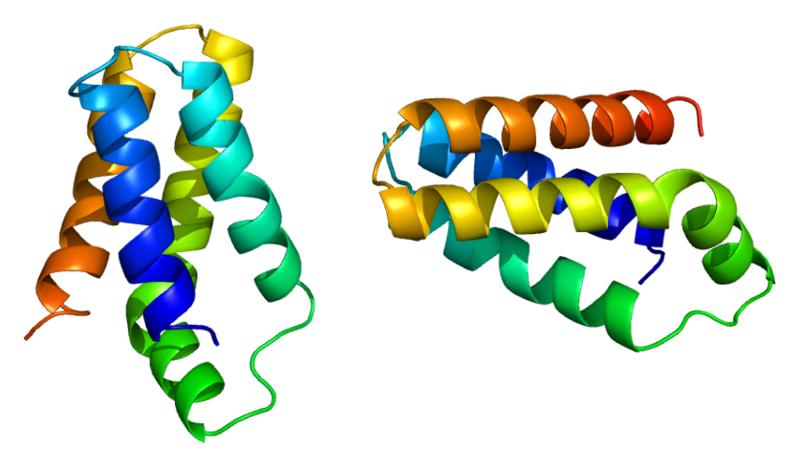
One of the most well-known is mTOR, or mammalian target of rapamycin.
mTOR has many functions in our body, and is heavily involved in metabolism and physiology. It helps us grow and mature.
But, when you mature an already mature body, the result is old age. Which suggests that reducing the activity of mTOR after adulthood might stall the hands of time.
Enter rapamycin.
Rapamycin
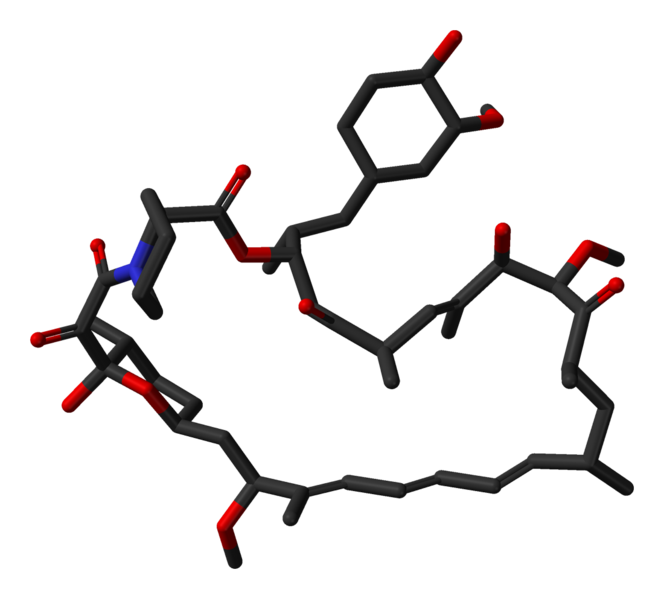
As mTOR’s full name (mammalian target of rapamycin) implies, the compound rapamycin affects mTOR’s function. More specifically, rapamycin (also known as Sirolimus) inhibits mTOR, reducing the activity of the molecule.
Eternal life awaits. Or does it?
As with the vast majority of anti-aging research, what we (think we) know is gleaned from animal and in vitro studies. Mice and cells are not human beings. The few studies in human beings involve looking at proxies for aging, such as levels of certain blood markers. Following a cohort of people for 50+ years is not exactly what funding agencies are eager to support…
What do we know about rapamycin and aging? A new review collates the current evidence.
Mice lifespan
Let’s start with the big one. Does rapamycin indeed increase lifespan in mice? For the most part, yes. Some caveats apply though. Female mice are more sensitive and experience a stronger life-extending effect, but this effect disappears at higher doses (in one study with a very high dose, there was no effect on female mice).
Also, while by far most of the studies show a positive effect:
…there are five studies that have reported either no effect or reduced lifespan when treated with rapamycin.
The mice in these studies were models for human diseases other than old age, so the effect of rapamycin could exacerbate certain diseases.
Cancer in mice
Since mTOR affects cell growth, it also plays a potential role in cancer. Hence, reducing the working of mTOR might have a positive effect on cancer growth.
And indeed, in mice models of different cancers, rapamycin reduces tumor growth and modestly increases lifespan as a result of this.
However, in most studies, reduced tumor growth did not mean reduced tumor incidence. The mice still grew tumors and still suffered from cancer, it only spread slower and less aggressively.
Heart health in mice
This is a mixed bag. Coronary stents in human patients are often coated with rapamycin (it is an immunosuppressant and thus prevents rejection). In these patients, clinical studies report an increase in LD cholesterol and blood triglycerides. It also appears to negatively affect the ability of blood vessels to contract and dilate.
However, in mice rapamycin generally reduces the formation of plaques in blood vessels and attenuates dysfunction of the heart muscle, especially in old mice.
Mice are not human beings, remember?
The central nervous system in mice
This is more of a success story. Mice models of Alzheimer’s disease, Parkinson’s disease, and Huntington’s disease all do better when administered rapamycin. This led some researchers to argue that:
…changes in the brain with normal aging and Alzheimer’s disease involve a vascular mechanism and that rapamycin improves vascular integrity and function in normal aging and in the pathogenesis of Alzheimer’s disease.
Rapamycin also improved memory and cognition in these mice. A few studies also suggest possible mitigating effects on depression and anxiety when rapamycin is given to young mice.
Infections in mice
Rapamycin is often used in transplants because it suppresses the immune system. So, this must be bad, right?
Not necessarily. There have been recent calls to relabel rapamycin as an immunomodulator rather than as immunosuppressant. The effects on the immune system are not as straightforward as we once thought.
Rapamycin protects mice from various infectious agents and improves the efficacy of vaccination. This, however, depends strongly on various factors. Old mice, for example, experience less positive immune effects than young ones, and the effects differ for different infectious agents.
Cell senescence
We’ll end on a positive note. In mice, as well as in a variety of cells from mice, rats, and humans, rapamycin blocks or reduces cell senescence.
Rapamycin positively affects senescence markers and pro-inflammatory markers in mice and various cells from various species. The effects in living aging mice sound great: better hair, better skin, better liver, better lungs.
One of the few human studies on cell senescence also shows reduced skin aging in people aged >40.
The final word is for the review’s authors:
The current mouse data conclusively demonstrate that rapamycin is effective in preventing/reversing a broad range of age-related conditions, including lifespan with minimal adverse effects or toxicity. However, there is always a concern as to how well discoveries in mice translate to humans.
…we are at a point when the aging community should began seriously considering clinical trials to test the anti-aging properties of rapamycin in humans.
…when taking rapamycin to treat human conditions related to aging, the side effects and the risk-benefit trade-off need to be considered. For example, the side effects are viewed as acceptable in treating cancer and would be acceptable in treating Alzheimer’s disease because there is currently no effective treatment.
More research is needed, as the scientific saying goes.