avatarSoma

Free AI web copilot to create summaries, insights and extended knowledge, download it at here

6588

Abstract

inerization using technologies like Docker allows you to package microservices along with their dependencies.</p><p id="187e">This simplifies deployment, ensures consistency across environments, and promotes a DevOps-friendly deployment approach. Here is a nice diagram which shows containerize Microservices in work:</p><figure id="fd8e"><img src="https://cdn-images-1.readmedium.com/v2/resize:fit:800/0*fDcDYAxDrKFW_285.png"><figcaption></figcaption></figure><h2 id="b837">4. Implement Circuit Breaker Pattern</h2><p id="931b">Resilience is crucial in distributed systems. Implement the Circuit Breaker pattern using Spring Cloud Hystrix to prevent cascading failures. Hystrix provides fallback mechanisms, reducing the impact of failing services on the entire system.</p><p id="d388">I have shared <a href="https://readmedium.com/what-is-circuit-breaker-design-pattern-in-microservices-java-spring-cloud-netflix-hystrix-example-f285929d7f68"><b>how to use Hystrix for Circuit breaker pattern</b></a> earlier in below article, you can also read that to enhance your knowledge:</p><div id="46cc" class="link-block"> <a href="https://readmedium.com/what-is-circuit-breaker-design-pattern-in-microservices-java-spring-cloud-netflix-hystrix-example-f285929d7f68"> <div> <div> <h2>What is Circuit Breaker Design Pattern in Microservices? Java Spring Cloud Netflix Hystrix Example</h2> <div><h3>Learn how to use Netflix Hystrix to create a circuit breaker in Java Microservices and prevent cascading failures.</h3></div> <div><p>medium.com</p></div> </div> <div> <div style="background-image: url(https://miro.readmedium.com/v2/resize:fit:320/1*8ZztbyTzBJkAaEErS_CKfQ.png)"></div> </div> </div> </a> </div><h2 id="016a">5. Decentralize Configuration Management</h2><p id="ccf5">Use Spring Cloud Config to externalize configurations from your microservices. Decentralized configuration management simplifies maintenance and allows dynamic updates without service restarts.</p><p id="071c">This approach also enhances security by segregating sensitive data from code repositories.</p><figure id="7933"><img src="https://cdn-images-1.readmedium.com/v2/resize:fit:800/1*m8qRU3gH-nnqD_N17CFJxw.png"><figcaption></figcaption></figure><h2 id="189e">6. Ensure Service Discovery</h2><p id="ff4f">Implement service discovery with Spring Cloud Netflix Eureka or Spring Cloud Consul. This allows microservices to find and communicate with each other dynamically, even in a changing environment.</p><p id="8f99">Service discovery enhances the scalability and resiliency of your system.</p><p id="ec9b">I have also shared <a href="https://readmedium.com/service-registry-design-pattern-in-microservices-explained-a796494c608e"><b>how to use Service discovery using Eureka and Spring Cloud</b></a> earlier, you can see that article for more details on this best practices.</p><div id="b7ae" class="link-block"> <a href="https://readmedium.com/service-registry-design-pattern-in-microservices-explained-a796494c608e"> <div> <div> <h2>Service Registry Design Pattern in Microservices Explained</h2> <div><h3>Discover, Load Balance, and Scale: Understanding the Service Registry Pattern in Microservices Architecture</h3></div> <div><p>medium.com</p></div> </div> <div> <div style="background-image: url(https://miro.readmedium.com/v2/resize:fit:320/0*j821tfro1lxZ9z0i.png)"></div> </div> </div> </a> </div><h2 id="4544">7. Apply API Gateway</h2><p id="4b6b">Use a Spring Cloud API Gateway, such as Spring Cloud Gateway or Spring Cloud Netflix Zuul, to manage incoming API requests. An API gateway centralizes cross-cutting concerns like authentication, security, and load balancing, simplifying microservice development.</p><p id="da17">I have also shared <a href="https://readmedium.com/what-is-api-gateway-pattern-in-microservices-architecture-what-problem-does-it-solve-ebf75ae84698"><b>How to use API Gateway earlier</b></a>, you can see that article for more details on this best practices.</p><div id="eb89" class="link-block"> <a href="https://readmedium.com/difference-between-api-gateway-and-load-balancer-in-microservices-8c8b552a024"> <div> <div> <h2>Difference between API Gateway and Load Balancer in Microservices?</h2> <div><h3>Hello folks, what is difference between API Gateway and Load balancer is one of the popular Microservice interview…</h3></div> <div><p>medium.com</p></div> </div> <div> <div style="background-image: url(https://miro.readmedium.com/v2/resize:fit:320/1*4YiKYTkjpRLAfIg23XxPpA.png)"></div> </div> </div> </a> </div><h2 id="22b9">8. Log Aggregation and Monitoring</h2><p id="0919">Centralized logging and monitoring are vital for understanding the health and performance of your microservices. Utilize tools like the <a href="https://javarevisited.blogspot.com/2022/02/top-5-courses-to-learn-elasticsearch.html">ELK stack (Elasticsearch, Logstash, Kibana)</a> or Prometheus and <a href="https://readmedium.com/6-best-grafana-online-courses-for-experienced-developers-and-devops-40ccae2fed8d">Grafana </a>to aggregate logs and metrics from various microservices.</p><figure id="1835"><img src="https://cdn-images-1.readmedium.com/v2/resize:fit:800/0*CYC4ZmN_8zZHyQPg.png"><figcaption></figcaption></figure><h2 id="4b93">9. Implement Asynchronous Communication</h2><p id="2672">To reduce tight coupling and enhance scalability, employ message brokers like <a href="https://readmedium.com/difference-between-rabbitmq-apache-kafka-and-activemq-65e26b923114">RabbitMQ </a>or <a href="https://readmedium.com/how-apache-kafka-works-internally-5dc9810032f1">Apache Kafka</a> for asynchronous communication between microservices. Asynchronous communication also provides better fault tolerance and enables event-driven architectures.</p><p id="e96e">I have also written about <a href="https://readmedium.com/how-microservices-communicates-with-each-other-synchronous-vs-asynchronous-communication-pattern-31ca01027c53"><b>difference between Synchronous and Asynchronous communication</b></a> earlier, which you can read to learn more about this topic and best pra

Options

ctices.</p><figure id="9de3"><img src="https://cdn-images-1.readmedium.com/v2/resize:fit:800/0*35vQG3wsEi0EogJX.png"><figcaption></figcaption></figure><h2 id="1530">10. Automate Testing and Deployment</h2><p id="bde0">You should always implement automated testing, continuous integration (CI), and continuous deployment (CD) pipelines. Automated testing ensures that changes do not introduce regressions, while CI/CD streamlines the deployment process, making it faster and more reliable.</p><figure id="52cb"><img src="https://cdn-images-1.readmedium.com/v2/resize:fit:800/0*KdqODcTKpjeu5QDe.jpg"><figcaption></figcaption></figure><h2 id="e375">Bonus Tip: Versioning APIs</h2><p id="1227">You should always plan for API versioning from the start to accommodate changes without breaking backward compatibility. Use versioning in URLs or headers to manage API evolution effectively, providing a smooth transition for existing clients.</p><figure id="3483"><img src="https://cdn-images-1.readmedium.com/v2/resize:fit:800/0*agTog6ero91F1hAv"><figcaption></figcaption></figure><h2 id="cf31">Conclusion</h2><p id="410c">That’s all about the <b>10 best practices you can follow while creating Microservices in Java</b>. As we have learned, building microservices with Spring Cloud and Java requires adherence to best practices for scalable, resilient, and maintainable applications.</p><p id="dc63">Design modular microservices, leverage Spring Cloud features, containerize deployments, and apply the Circuit Breaker pattern to enhance the resiliency of your system. Decentralize configuration management and ensure service discovery for better scalability and dynamism.</p><p id="0f9e">By applying these best practices, along with automated testing and deployment, you can create a robust microservices architecture that fosters innovation, enables rapid development, and ensures a seamless user experience.</p><p id="aef7">As an experienced Java developer one should embrace the power of Spring Cloud and Java to build microservices that thrive in modern distributed environments.</p><p id="559a">By the way, <i>if you are new to Microservice architecture </i>or just want to revise key Microservice concepts and looking for resources then here are few online courses you can join:</p><ol><li><a href="https://click.linksynergy.com/deeplink?id=CuIbQrBnhiw&amp;mid=39197&amp;murl=https%3A%2F%2Fwww.udemy.com%2Fcourse%2Fmicroservices-with-spring-boot-and-spring-cloud%2F"><b>Master Microservices with Spring Boot and Spring Cloud</b></a><b> [Udemy]</b></li><li><a href="https://coursera.pxf.io/c/3294490/1164545/14726?u=https%3A%2F%2Fwww.coursera.org%2Flearn%2Fgoogle-cloud-java-spring"><b>Building Scalable Java Microservices with Spring Boot</b></a><b> [Coursera]</b></li><li><a href="https://www.educative.io/courses/developing-microservices-with-spring-boot?affiliate_id=5073518643380224"><b>Developing Microservices with Spring Boot</b></a><b> [Educative]</b></li><li><a href="https://click.linksynergy.com/deeplink?id=CuIbQrBnhiw&amp;mid=39197&amp;murl=https%3A%2F%2Fwww.udemy.com%2Fcourse%2Fmaster-microservices-with-spring-docker-kubernetes%2F"><b>Master Microservices with Java, Spring, Docker, Kubernetes</b></a><b> [Udemy]</b></li></ol><p id="8fa6">This list includes both video and text-based courses as well as project based courses for hands-on learning, you can join one or a couple of them to revise Microservices concepts. If you need more choices, you can see the below articles:</p><p id="9254">And, if you need more choices, you can also checkout following resources:</p><div id="dbe1" class="link-block"> <a href="https://readmedium.com/10-best-java-microservices-courses-with-spring-boot-and-spring-cloud-6d04556bdfed"> <div> <div> <h2>11 Best Java Microservices Courses with Spring Boot and Spring Cloud</h2> <div><h3>My favorite online courses to learn Microservices in Java using Spring Boot and Spring Cloud for beginners </h3></div> <div><p>medium.com</p></div> </div> <div> <div style="background-image: url(https://miro.readmedium.com/v2/resize:fit:320/1*ewAZ5bbv8dYGaX6msQwpvg.png)"></div> </div> </div> </a> </div><p id="cbc6">Other <b>Java and Microservices articles</b> you may like:</p><div id="9aa4" class="link-block"> <a href="https://readmedium.com/top-10-microservices-problem-solving-questions-for-5-to-10-years-experienced-developers-3391e4f6b591"> <div> <div> <h2>Top 10 Microservices Problem Solving Questions for 5 to 10 years experienced Developers</h2> <div><h3>From Service Discovery to Security: 10 Problem-Solving Questions to Test the Microservices Skills of Developers with 5…</h3></div> <div><p>medium.com</p></div> </div> <div> <div style="background-image: url(https://miro.readmedium.com/v2/resize:fit:320/1*ARoiYCmjy2OQAexXOClZyQ.png)"></div> </div> </div> </a> </div><div id="d5cb" class="link-block"> <a href="https://readmedium.com/10-spring-boot-features-that-make-java-development-easier-6bbee204c867"> <div> <div> <h2>10 Spring Boot Features That Make Java Development Easier</h2> <div><h3>These are the top 10 magical Spring Boot features which makes everyday application development in Java easier</h3></div> <div><p>medium.com</p></div> </div> <div> <div style="background-image: url(https://miro.readmedium.com/v2/resize:fit:320/0*CnvREDstX45u4ruk.png)"></div> </div> </div> </a> </div><div id="bca6" class="link-block"> <a href="https://readmedium.com/why-microservices-are-not-silver-bullet-10-reasons-for-not-using-microservices-74f7c0fa98c"> <div> <div> <h2>Why Microservices are not silver bullet? 10 Reasons for NOT using Microservices</h2> <div><h3>Don’t blindly use Microservices for every single application you build</h3></div> <div><p>medium.com</p></div> </div> <div> <div style="background-image: url(https://miro.readmedium.com/v2/resize:fit:320/1*FkTHAci5_G4DZ4l_rixS4w.png)"></div> </div> </div> </a> </div></article></body>

10 Tips and Best Practices for Creating Microservices with Spring Cloud and Java

Tips and best practices for creating better Microservices in Java using Spring Cloud
Hello folks, Microservices architecture has gained immense popularity due to its ability to build scalable, maintainable, and flexible applications. When it comes to building microservices in Java, Spring Cloud is the go-to framework.

In past few articles I have been sharing my experience on Microservices and Spring Cloud like 50 Microservices Interview questions and 10 Spring Cloud Features for Microservices, which I shared earlier as well my article about SAGA Design Pattern and Monolithic vs Microservices architecture.

In this article, we will explore ten best practices for creating microservices using Spring Cloud and Java. Following these practices will help you build robust and efficient microservices that can thrive in modern distributed environments.

By the way, if you are new to Microservice architecture or just want to revise key Microservice concepts and looking for resources then here are few online courses you can join:

  1. Master Microservices with Spring Boot and Spring Cloud [Udemy]
  2. Building Scalable Java Microservices with Spring Boot [Coursera]
  3. Developing Microservices with Spring Boot [Educative]
  4. Master Microservices with Java, Spring, Docker, Kubernetes [Udemy]

This list includes both video and text-based courses as well as project based courses for hands-on learning, you can join one or a couple of them to revise Microservices concepts. If you need more choices, you can see the below articles:

And, if you need more choices, you can also checkout following resources:

10 Best Practices for Creating Microservices with Spring Cloud and Java

When it comes to building Microservices in Java, many people think that just learning Microservices design patterns like CQRS, SAGA, or Database per Microservice is enough, while its good, its also make sense to learn about general best practices like the one I am going to share below:

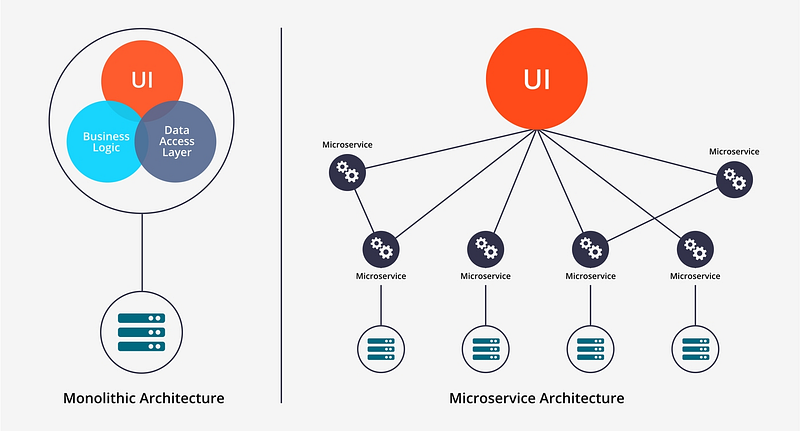
1. Design Modular Microservices

Microservices should be focused on specific business capabilities, following the Single Responsibility Principle. Avoid creating monolithic microservices as they become difficult to manage and scale.

Design modular, loosely coupled microservices to enable teams to work independently on different functionalities.
2. Leverage Spring Boot and Spring Cloud

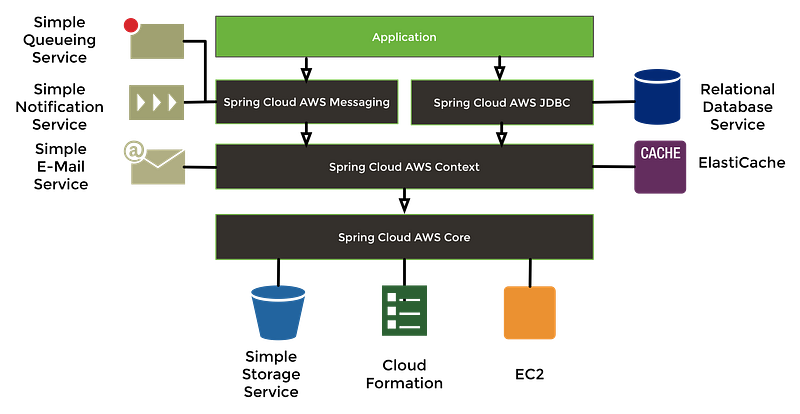
Spring Boot provides a rapid development environment for microservices by automating configurations. Integrate Spring Cloud modules, such as Eureka, Ribbon, Hystrix, and Config, to enhance your microservices with features like service discovery, load balancing, circuit breaking, and centralized configuration management.

I have also shared many more such tips on 10 Spring Cloud Features which makes Microservices development easier, if you haven’t read it already, I highly recommend you to read it to learn about wonderful features of Spring Cloud.
3. Containerize Microservices

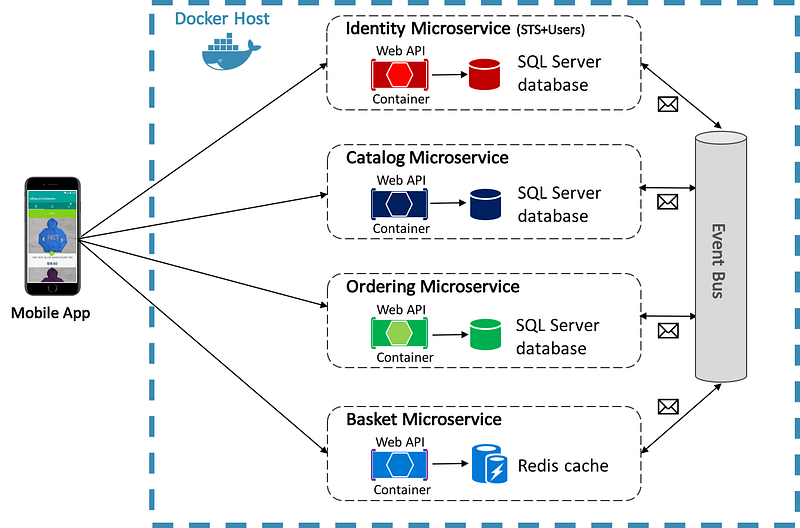
This is no brainier but I still see many people deploying Microservices without containers which is not advised in today’s world. Containerization using technologies like Docker allows you to package microservices along with their dependencies.

This simplifies deployment, ensures consistency across environments, and promotes a DevOps-friendly deployment approach. Here is a nice diagram which shows containerize Microservices in work:
4. Implement Circuit Breaker Pattern

Resilience is crucial in distributed systems. Implement the Circuit Breaker pattern using Spring Cloud Hystrix to prevent cascading failures. Hystrix provides fallback mechanisms, reducing the impact of failing services on the entire system.

I have shared how to use Hystrix for Circuit breaker pattern earlier in below article, you can also read that to enhance your knowledge:

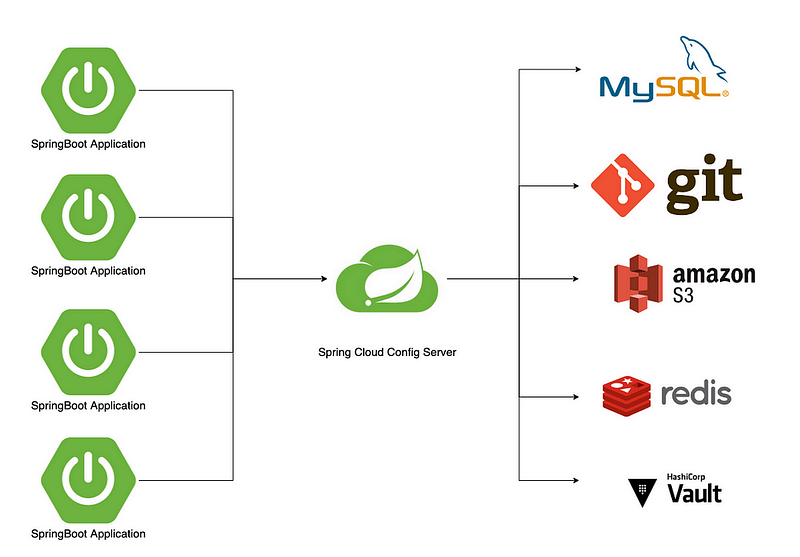
5. Decentralize Configuration Management

Use Spring Cloud Config to externalize configurations from your microservices. Decentralized configuration management simplifies maintenance and allows dynamic updates without service restarts.

This approach also enhances security by segregating sensitive data from code repositories.

6. Ensure Service Discovery

Implement service discovery with Spring Cloud Netflix Eureka or Spring Cloud Consul. This allows microservices to find and communicate with each other dynamically, even in a changing environment.

Service discovery enhances the scalability and resiliency of your system.

I have also shared how to use Service discovery using Eureka and Spring Cloud earlier, you can see that article for more details on this best practices.

7. Apply API Gateway

Use a Spring Cloud API Gateway, such as Spring Cloud Gateway or Spring Cloud Netflix Zuul, to manage incoming API requests. An API gateway centralizes cross-cutting concerns like authentication, security, and load balancing, simplifying microservice development.

I have also shared How to use API Gateway earlier, you can see that article for more details on this best practices.

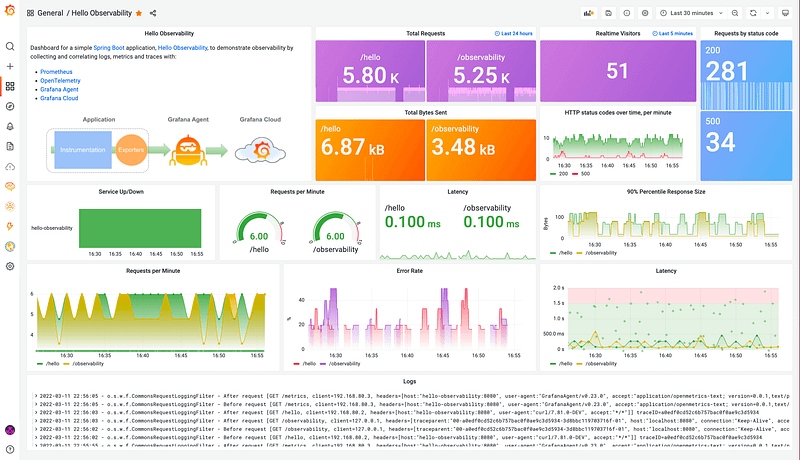
8. Log Aggregation and Monitoring

Centralized logging and monitoring are vital for understanding the health and performance of your microservices. Utilize tools like the ELK stack (Elasticsearch, Logstash, Kibana) or Prometheus and Grafana to aggregate logs and metrics from various microservices.
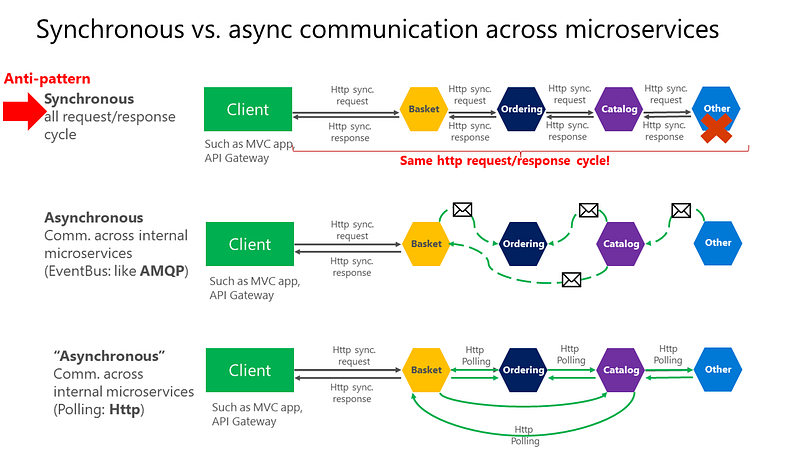
9. Implement Asynchronous Communication

To reduce tight coupling and enhance scalability, employ message brokers like RabbitMQ or Apache Kafka for asynchronous communication between microservices. Asynchronous communication also provides better fault tolerance and enables event-driven architectures.

I have also written about difference between Synchronous and Asynchronous communication earlier, which you can read to learn more about this topic and best practices.
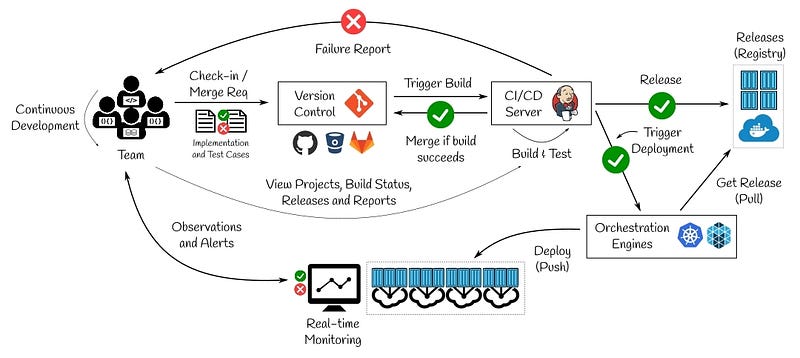
10. Automate Testing and Deployment

You should always implement automated testing, continuous integration (CI), and continuous deployment (CD) pipelines. Automated testing ensures that changes do not introduce regressions, while CI/CD streamlines the deployment process, making it faster and more reliable.
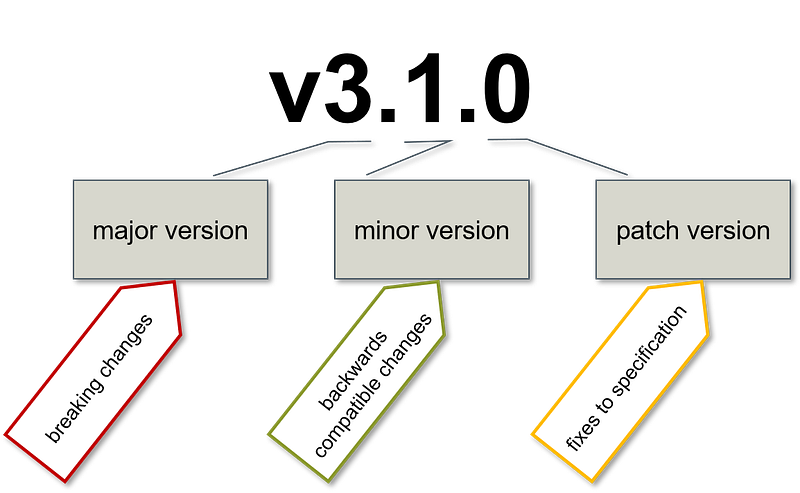
Bonus Tip: Versioning APIs

You should always plan for API versioning from the start to accommodate changes without breaking backward compatibility. Use versioning in URLs or headers to manage API evolution effectively, providing a smooth transition for existing clients.
Conclusion

That’s all about the 10 best practices you can follow while creating Microservices in Java. As we have learned, building microservices with Spring Cloud and Java requires adherence to best practices for scalable, resilient, and maintainable applications.

Design modular microservices, leverage Spring Cloud features, containerize deployments, and apply the Circuit Breaker pattern to enhance the resiliency of your system. Decentralize configuration management and ensure service discovery for better scalability and dynamism.

By applying these best practices, along with automated testing and deployment, you can create a robust microservices architecture that fosters innovation, enables rapid development, and ensures a seamless user experience.

As an experienced Java developer one should embrace the power of Spring Cloud and Java to build microservices that thrive in modern distributed environments.

By the way, if you are new to Microservice architecture or just want to revise key Microservice concepts and looking for resources then here are few online courses you can join:

  1. Master Microservices with Spring Boot and Spring Cloud [Udemy]
  2. Building Scalable Java Microservices with Spring Boot [Coursera]
  3. Developing Microservices with Spring Boot [Educative]
  4. Master Microservices with Java, Spring, Docker, Kubernetes [Udemy]

This list includes both video and text-based courses as well as project based courses for hands-on learning, you can join one or a couple of them to revise Microservices concepts. If you need more choices, you can see the below articles:

And, if you need more choices, you can also checkout following resources:

Other Java and Microservices articles you may like:

Spring Cloud
Spring Boot
Microservices
Java
Programming
Recommended from ReadMedium