
avatarJames Stanier

Free AI web copilot to create summaries, insights and extended knowledge, download it at here

7290

Abstract

<p id="a83e">Although it doesn’t concern itself with management, you can still view progress along this track similarly to the equation above. The output of the individual is very clearly measured: they can work efficiently on complex tasks, often at an increasingly architectural level. They breeze through technical issues and automate most tasks they encounter for the first time. They give crucial advice at the beginning of projects about how technical choices will factor into the cost of a product: from scaling to maintenance to the amount of time and risks involved in building it.</p><p id="76b7">That’s the output of the individual covered, but what about the organization under their influence? For the engineer on the individual contributor track, they can exert influence in a number of ways to show progression. For example, they could head up (or strongly steer) a self-organizing group in the company for their skill set (for example, the Scala group or Hadoop group) and advise on developments and best practices. They could mentor and train other members of staff. They could review architectural plans for other teams not in their usual remit. They could advise on CapEx and OpEx spends through researching different ways of building a new system. Their expertise ensures the right business decisions are made, which can result in the creation of a truly innovative new feature or product. Conversely, their analysis can stop a project from happening altogether, saving many years of wasted time and money.</p><h1 id="4246">Considering Compensation</h1><figure id="2e7a"><img src="https://cdn-images-1.readmedium.com/v2/resize:fit:800/0*rGwH15PzUGm9-ktd"><figcaption>Photo by <a href="https://unsplash.com/@micheile?utm_source=medium&amp;utm_medium=referral">Visual Stories || Micheile</a> on <a href="https://unsplash.com?utm_source=medium&amp;utm_medium=referral">Unsplash</a></figcaption></figure><p id="d3cd">Ideally, there should be no glass ceilings in either track and no interdependencies. For a technology company, an extremely experienced individual contributor and extremely experienced manager both contribute at a high level. Thus, at a similar level of contribution, they should be rewarded similarly.</p><p id="f2db">In the real world, equal compensation may not always be the case. You can detect senior leadership bias here: a so-called <i>pure</i> technology company may lean towards paying Staff Engineers higher than managers. A more corporate environment may value leadership over technical skills, and the higher ends of the average pay bracket may favor those in management positions.</p><p id="df22">If you have easy access to the senior leadership in your company, then pay policy is an interesting discussion to have with them. What do they value? Which skills are irreplaceable?</p><h1 id="ca54">Moving Between Tracks</h1><figure id="b5a5"><img src="https://cdn-images-1.readmedium.com/v2/resize:fit:800/1*YSHJ-nJb-15Iy0O5e13QNA.jpeg"><figcaption></figcaption></figure><p id="32aa">Many see the movement from the individual contributor track to the management track as a one-way street. I don’t think that this should be true at all. Until one has tried management, how can one be sure that it is right for them?</p><p id="37c1">When promoting staff into a managerial role, a good approach is to set some goals with them over a fixed period. Then, after that time has passed, both the new manager and their own manager can mutually decide whether the role is working out. If it isn’t, they should be free to <a href="http://theengineeringmanager.com/growth/shame/">move back</a> to the individual contributor track, exactly where they were before. Likewise, managers who want to move back to the individual contributor track should also be allowed to, assuming they have the correct technical skills.</p><p id="6458">The possibility of moving between tracks leads to an interesting discussion: how should pay be decided when moving from one track to the other? In my eyes, it depends on the value the individual is contributing to the organization. If an experienced long-time manager wants to move back to the technical track but will take a long time to become a net-positive contributor because of retraining, it seems reasonable for them to take a pay cut if they would otherwise be dramatically overpaid compared to the rest of the team.</p><h1 id="22ac">Having Conversations Around Trajectory</h1><p id="5be7">If you’ve not had these kinds of conversations about the two tracks with your staff, begin them as soon as you can. Having staff explore their intentions early on means that you’re able to begin supporting them in moving towards their goals. Left undiscussed, your direct reports may not know that there are opportunities to move both upwards (along the same track) and sideways (to a new track) within the current organization, and in the worst case, they may feel that the only way to do so is to get a new job.</p><p id="41a4">I’d advise against going into a full career planning session with them immediately, but instead, begin to weave the conversation into your 1 to 1s. As a manager, what could you delegate to a member of staff interested in learning the ropes of management? This exercise could be mutually beneficial. Equally, could you begin a mentorship between a junior engineer interested in becoming a senior individual contributor with someone of similar stature in your department?</p><p id="e259">Have you moved between tracks in your career? Share your experience in the comments.</p><p id="e2d3">If you enjoyed this article, be sure to pick up James Stanier’s books from The Pragmatic Bookshelf:</p><div id="934d" class="link-block">
      <a href="https://pragprog.com/titles/jsrw/effective-remote-work/">
        <div>
          <div>
            <h2>Effective Remote Work</h2>
            <div><h3>The office isn’t as essential as it used to be. Flexible working hours and distributed teams are replacing decades of…</h3></div>
            <div><p>pragprog.com</p></div>
          </div>
          <div>
            <div style="background-image: url(https://miro.readmedium.com/v2/resize:fit:320/0*m38i6iMU1T4zFtDx)"></div>
          </div>
        </div>
      </a>
    </div><div id="46eb" class="link-block">
      <a href="https://pragprog.com/titles/jsengman/become-an-effective-software-engineering-manager/">
        <div>
          <div>
            <h2>Become an Effective Software Engineering Manager</h2>
            <div><h3>Software startups make global headlines every day. As technology companies succeed and grow, so do their engineering…</h3></div>
            <div><p>pragprog.com</p></div>
          </div>
          <div>
            <div style="background-image: url(https://miro.readmedium.com/v2/resize:fit:320/0*qQnBx5MokjxN6uvk)"></div>
          </div>
        </div>
      </a>
    </div><h1 id="2c5d">Further Reading</h1><p id="cf6f">Also by James Stanier:</p><div id="0d16" class="link-block">
      <a href="https://readmedium.com/four-key-managerial-activities-d3bc75ccd9c9">
        <div>
          <div>
            <h2>Four Key Managerial Activitie

Options

s</h2> <div><h3>How to Exert Influence to Improve Your Organization</h3></div> <div><p>medium.com</p></div> </div> <div> <div style="background-image: url(https://miro.readmedium.com/v2/resize:fit:320/1*5Uq-7_WIChIkqCWf5D0LjA.jpeg)"></div> </div> </div> </a> </div><div id="7eb5" class="link-block"> <a href="https://readmedium.com/the-spectrum-of-humanity-670b8f2b85dc"> <div> <div> <h2>The Spectrum of Humanity</h2> <div><h3>Learn When to Break the Rules to Connect with People</h3></div> <div><p>medium.com</p></div> </div> <div> <div style="background-image: url(https://miro.readmedium.com/v2/resize:fit:320/0*naO7rX4RLMUUb5PS.png)"></div> </div> </div> </a> </div><div id="bb4e" class="link-block"> <a href="https://readmedium.com/the-spectrum-of-permanence-a37208bc848e"> <div> <div> <h2>The Spectrum of Permanence</h2> <div><h3>Create Useful, Tidy Artifacts for Your Colleagues and Future Self</h3></div> <div><p>medium.com</p></div> </div> <div> <div style="background-image: url(https://miro.readmedium.com/v2/resize:fit:320/1*kGWUrsRstQn2iWBdnSRO_A.jpeg)"></div> </div> </div> </a> </div><div id="8119" class="link-block"> <a href="https://readmedium.com/the-spectrum-of-synchronousness-7f41d8687d1a"> <div> <div> <h2>The Spectrum of Synchronousness</h2> <div><h3>How to Shift Communication for More Effective Remote Work</h3></div> <div><p>medium.com</p></div> </div> <div> <div style="background-image: url(https://miro.readmedium.com/v2/resize:fit:320/1*U5ZLMtDABfTu1swomAJm2A.png)"></div> </div> </div> </a> </div><div id="1f88" class="link-block"> <a href="https://readmedium.com/managing-upwards-f3e710b5830b"> <div> <div> <h2>Managing Upwards</h2> <div><h3>Upwards?</h3></div> <div><p>medium.com</p></div> </div> <div> <div style="background-image: url(https://miro.readmedium.com/v2/resize:fit:320/1*TpILWcakmqmLCMeWWmIj3A.jpeg)"></div> </div> </div> </a> </div><div id="aecc" class="link-block"> <a href="https://readmedium.com/bringing-your-whole-self-to-work-4bf091340750"> <div> <div> <h2>Bringing Your Whole Self to Work</h2> <div><h3>Wow, This Is So Much More Tiring than Programming…</h3></div> <div><p>medium.com</p></div> </div> <div> <div style="background-image: url(https://miro.readmedium.com/v2/resize:fit:320/0*WLYp2B6leG5y3oHC)"></div> </div> </div> </a> </div><div id="6c04" class="link-block"> <a href="https://readmedium.com/performance-reviews-31026c423643"> <div> <div> <h2>Performance Reviews</h2> <div><h3>It’s That Time of Year Again…</h3></div> <div><p>medium.com</p></div> </div> <div> <div style="background-image: url(https://miro.readmedium.com/v2/resize:fit:320/1*VHGMue5KQzy7shkcuV4Gzg.png)"></div> </div> </div> </a> </div><div id="a441" class="link-block"> <a href="https://readmedium.com/giving-feedback-f94b8e75ea60"> <div> <div> <h2>Giving Feedback</h2> <div><h3>Easy, Right?</h3></div> <div><p>medium.com</p></div> </div> <div> <div style="background-image: url(https://miro.readmedium.com/v2/resize:fit:320/1*sdRDAmeJu9o4BeC__NkIRQ.png)"></div> </div> </div> </a> </div><div id="a7a6" class="link-block"> <a href="https://readmedium.com/conducting-1-to-1s-b25dc1f898e9"> <div> <div> <h2>Conducting 1 to 1s</h2> <div><h3>Build Strong Relationships and Identify Future Superstars</h3></div> <div><p>medium.com</p></div> </div> <div> <div style="background-image: url(https://miro.readmedium.com/v2/resize:fit:320/0*M1KQVKO6Kkw-xyPC)"></div> </div> </div> </a> </div><div id="94c2" class="link-block"> <a href="https://readmedium.com/doing-interviews-48a2bf55f930"> <div> <div> <h2>Doing Interviews</h2> <div><h3>The Other Side of the Table</h3></div> <div><p>medium.com</p></div> </div> <div> <div style="background-image: url(https://miro.readmedium.com/v2/resize:fit:320/1*if1_F2OY2fgCLLsZznyNqw.png)"></div> </div> </div> </a> </div><div id="dc1d" class="link-block"> <a href="https://readmedium.com/feeling-productive-23b2568996de"> <div> <div> <h2>Feeling Productive</h2> <div><h3>Why Do I Feel Like I Get Nothing Done?</h3></div> <div><p>medium.com</p></div> </div> <div> <div style="background-image: url(https://miro.readmedium.com/v2/resize:fit:320/0*UfH-y1zRpo03kqeO)"></div> </div> </div> </a> </div><div id="ce1e" class="link-block"> <a href="https://readmedium.com/attracting-people-to-work-for-you-7a1d33c39ced"> <div> <div> <h2>Attracting People to Work For You</h2> <div><h3>It’s Not Just the Technology</h3></div> <div><p>medium.com</p></div> </div> <div> <div style="background-image: url(https://miro.readmedium.com/v2/resize:fit:320/0*GpiBeRGWcqrobBfT)"></div> </div> </div> </a> </div><p id="7730">Become An Effective Software Engineering Manager on Medium:</p><div id="dd09" class="link-block"> <a href="https://readmedium.com/table-of-contents-e8bf453fe2b4"> <div> <div> <h2>Become an Effective Software Engineering Manager</h2> <div><h3>Become an Effective Software Engineering Manager — by James Stanier (0 / 96)</h3></div> <div><p>medium.com</p></div> </div> <div> <div style="background-image: url(https://miro.readmedium.com/v2/resize:fit:320/1*sZWA2wjCR6nEwnOk6qSejg.jpeg)"></div> </div> </div> </a> </div></article></body>

Photo by Francesco Gallarotti on Unsplash

Two Tracks of Growth

Which Path Do Your Direct Reports Want to Follow?

📚 Connect with us. Want to hear what’s new at The Pragmatic Bookshelf? Sign up for our newsletter. You’ll be the first to know about author speaking engagements, books in beta, new books in print, and promo codes that give you discounts of up to 40 percent.

How Do We Grow?

You have a responsibility to your staff to understand their career aspirations and facilitate their growth in the right direction. But what should they be aiming for, and who is accountable for making that growth happen?

A stereotype in the technology industry is that growth happens one way: via promotion into roles that carry increased people management responsibilities. At best, this path can produce excellent leaders who take their teams and companies to the next level. At worst, this path can alienate staff who aren’t naturally suited to management — so they get frustrated and leave the company. Clearly, we don’t want the latter to happen.

You may find it more helpful to think about two mutually exclusive tracks: the management track and the individual contributor track. Both are very different growth trajectories, carrying very different responsibilities. However, despite the differences, both can have an incredible weight of influence at senior levels. People in these tracks just exert influence in different ways.

We’ll have a look at both of these tracks today.

Following the Management Track
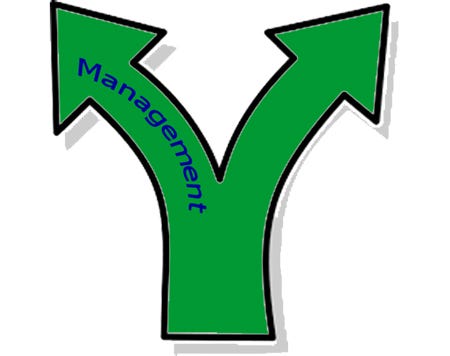
The management track concerns itself with — unsurprisingly — people management. The management track begins, typically, by gaining line management responsibility for some individuals — usually by taking on a team lead role. In my current organization, the size of these teams varies from two to eight people, depending on the kind of work the team does.

If you are a new manager with direct reports for the first time, then congratulations: you’ve just begun on the management track. In fact, most of my articles describe in detail the many facets of this role, so we won’t dwell on specifics.

As a manager, you’ll be concerned with increasing the speed and efficiency of the work that your part of the organization delivers. But how do we measure the growth of an individual along that track? Andy Grove comes to the rescue (again) with this succinct equation:

A manager’s output = the output of their organization + the output of the neighboring organizations under their influence.

Neat, huh?

The Output of Your Organization

Looking at the equation, moving further up the management track means growing your team’s output and increasing your influence in your organization. Now, that’s interesting — that goal encompasses all people who report to you plus everyone you work with outside of your lines of reporting.

A natural first step in growth is expanding the number of people, and hence direct reports, on your team. However, once teams get to a certain size, usually around seven (plus or minus two), the overhead of line managing all of those people becomes prohibitive. For example, allowing an hour a week for 1 to 1s with each of your reports means nearly a solid working day in those meetings every week, not including follow-ups, day-to-day work, and team meetings. Attention gets scattershot.

Growth in the management track beyond managing one team means starting to manage other team leads so that you have multiple teams reporting to you. If you have a small team, you can continue to lead it yourself in addition to managing other leads. You’ll want to make sure you have enough to do; don’t make yourself redundant.

That’s the first half of the equation covered: get more and more people and make sure they perform really well. But what about the second half?

The Output of Neighboring Organizations Under Your Influence

Well, in addition to growing the size of your organization, you can also grow your influence in your company. You can sit in on steering meetings, contribute to strategic decisions, get involved in hiring new staff, and so on. This half of the equation requires developing a feel for what is going on in your company at any given time, leaning forward, and asking to contribute. In a later article, we’ll talk more about increasing your visibility at work.

The further an individual goes down the management track, the less time that individual has to get involved in technical details. More emails and meetings, less code. Becoming less technical often causes tension for engineers who have been promoted into management roles. I have seen engineers who move into management become extremely stressed when they cannot predictably get technical work done due to frequent meetings and interruptions. Some begin to panic that their technical skills are not increasing as rapidly as before. Moving into a management track requires very careful consideration: it’s a different job being judged on very different criteria.

Managing your time better may allow for some continued technical contribution, but you must let go of the way things were and fully embrace management: your own personal output is less important than the output of your team.

Following the Individual Contributor Track
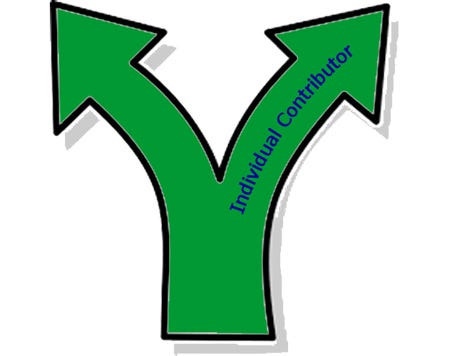
The individual contributor track, widely written about for many years, celebrates the engineers who want to hone their craft and become technical experts rather than going into management. Instead, it is a path where expertise and influence are the currency. A promotion from Junior to Intermediate (or similar) into a Senior Engineer role over time is a clear sequence of steps along this track. Larger organizations have roles like Principal Engineer and Staff Engineer to further allow for progression and recognition for their most senior staff.

Although it doesn’t concern itself with management, you can still view progress along this track similarly to the equation above. The output of the individual is very clearly measured: they can work efficiently on complex tasks, often at an increasingly architectural level. They breeze through technical issues and automate most tasks they encounter for the first time. They give crucial advice at the beginning of projects about how technical choices will factor into the cost of a product: from scaling to maintenance to the amount of time and risks involved in building it.

That’s the output of the individual covered, but what about the organization under their influence? For the engineer on the individual contributor track, they can exert influence in a number of ways to show progression. For example, they could head up (or strongly steer) a self-organizing group in the company for their skill set (for example, the Scala group or Hadoop group) and advise on developments and best practices. They could mentor and train other members of staff. They could review architectural plans for other teams not in their usual remit. They could advise on CapEx and OpEx spends through researching different ways of building a new system. Their expertise ensures the right business decisions are made, which can result in the creation of a truly innovative new feature or product. Conversely, their analysis can stop a project from happening altogether, saving many years of wasted time and money.

Considering Compensation

Photo by Visual Stories || Micheile on Unsplash

Ideally, there should be no glass ceilings in either track and no interdependencies. For a technology company, an extremely experienced individual contributor and extremely experienced manager both contribute at a high level. Thus, at a similar level of contribution, they should be rewarded similarly.

In the real world, equal compensation may not always be the case. You can detect senior leadership bias here: a so-called pure technology company may lean towards paying Staff Engineers higher than managers. A more corporate environment may value leadership over technical skills, and the higher ends of the average pay bracket may favor those in management positions.

If you have easy access to the senior leadership in your company, then pay policy is an interesting discussion to have with them. What do they value? Which skills are irreplaceable?

Moving Between Tracks
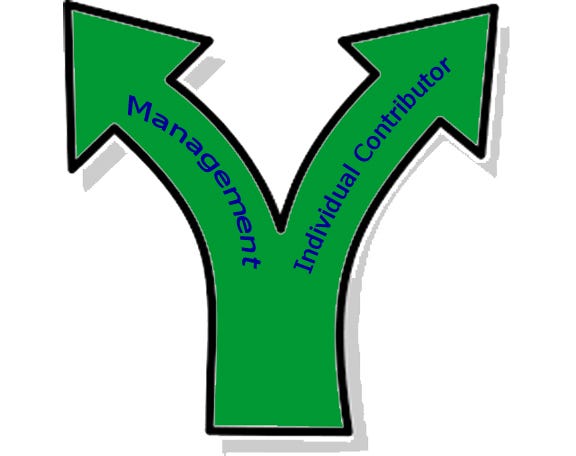
Many see the movement from the individual contributor track to the management track as a one-way street. I don’t think that this should be true at all. Until one has tried management, how can one be sure that it is right for them?

When promoting staff into a managerial role, a good approach is to set some goals with them over a fixed period. Then, after that time has passed, both the new manager and their own manager can mutually decide whether the role is working out. If it isn’t, they should be free to move back to the individual contributor track, exactly where they were before. Likewise, managers who want to move back to the individual contributor track should also be allowed to, assuming they have the correct technical skills.

The possibility of moving between tracks leads to an interesting discussion: how should pay be decided when moving from one track to the other? In my eyes, it depends on the value the individual is contributing to the organization. If an experienced long-time manager wants to move back to the technical track but will take a long time to become a net-positive contributor because of retraining, it seems reasonable for them to take a pay cut if they would otherwise be dramatically overpaid compared to the rest of the team.

Having Conversations Around Trajectory

If you’ve not had these kinds of conversations about the two tracks with your staff, begin them as soon as you can. Having staff explore their intentions early on means that you’re able to begin supporting them in moving towards their goals. Left undiscussed, your direct reports may not know that there are opportunities to move both upwards (along the same track) and sideways (to a new track) within the current organization, and in the worst case, they may feel that the only way to do so is to get a new job.

I’d advise against going into a full career planning session with them immediately, but instead, begin to weave the conversation into your 1 to 1s. As a manager, what could you delegate to a member of staff interested in learning the ropes of management? This exercise could be mutually beneficial. Equally, could you begin a mentorship between a junior engineer interested in becoming a senior individual contributor with someone of similar stature in your department?

Have you moved between tracks in your career? Share your experience in the comments.

If you enjoyed this article, be sure to pick up James Stanier’s books from The Pragmatic Bookshelf:

Further Reading

Also by James Stanier:

Become An Effective Software Engineering Manager on Medium:

Jsengman
People
Articles
Management
Leadership
Recommended from ReadMedium