Stop Telling People To “Calm Down”
First of all, it’s condescending. Secondly, it doesn’t benefit who you might think.

I have a question
Why do intensity and passion make people so uncomfortable? Please note, I’m mostly talking about allistic (non-Autistic) North Americans (Canadians), because that’s where my primary experiences come from.
I love respectful, passionate debate and conversation. I may seem quite intense when engaged in conversation about a special interest or something which evokes strong emotions from me.
I’ve noticed this seems to make a lot of people uncomfortable, and they try to “settle” things down, or change the subject, rather than allowing people to simply feel and express their emotions.
This even happens when I’m excited, happy, or passionate about something — not just in situations where a conversation or debate seems to be getting a bit tense.
I think this has a lot to do with how we’re socialized growing up. We’re taught to “control” our emotions and behaviours, and we’re given the message that intense or passionate expressions of emotion are somehow “wrong”.
North American allistic culture seems to value stoicism, self-control, and the ability to mask our emotions — it’s important to appear calm, cool, and collected at all times. We disparage people for getting “too emotional” and laud those who can hide their feelings well.
WHY?! I don’t get it.
We’re even instructing and teaching children to “calm” themselves. They’re getting the message (whether directly or indirectly) that anger is bad and wrong, even getting “too” excited or happy is frowned upon.
So many important changes have happened in our history because people were passionate, emotional, even angry — their strong reactions drove them to push for positive change, to take action to right a wrong.
…
Oh.
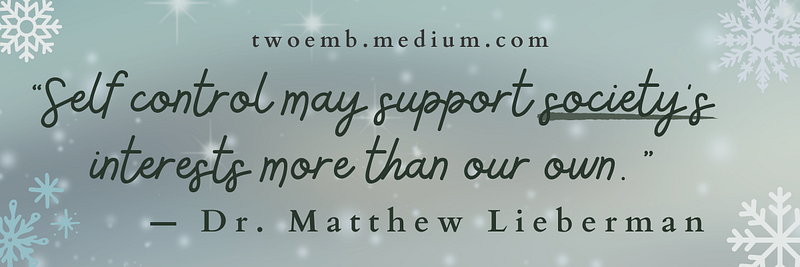
Well that makes sense, then
The powers-that-be (wherever and whomever they are, depending on the circumstance) would be well-served to have quiet, compliant citizens (or students).
It is a great deal easier to maintain one’s position of power and control when those “beneath” you have been taught it’s not polite to argue and we shouldn’t “talk back” or question authority.
It’s considered an important life skill to learn how to fit in and go along to get along.
We help perpetuate these ideals when we follow social norms without questioning them (especially when said norms have been set by those already in positions of privilege).
I’ll be realistic
I get it, there are some situations in which it is valuable and important to control our emotions and behaviour. We can’t just go around yelling at, or assaulting, people who piss us off. (I mean, we could, but it wouldn’t end well for anyone).
I do see the value in supporting one another through co-regulation, and learning strategies for self-regulation. The difference is it’s the individual who should be deciding when it’s important to express themselves authentically and let their feelings be known, and when it’s more helpful for them to self-regulate and temper those emotions.
We may need help sometimes, when our emotions overwhelm us, and we can’t access the logical, rational part of our brain which tells us not to pick that battle today. I know I do.
I also know that when I’m having fun engaging in a debate with a friend, although we may disagree and have strong opinions on the topic, I don’t need anyone to calm me down, nor change the subject to avoid — heaven forbid — respectful debate.
Seeing someone passionate about something should evoke feelings of happiness for them, not discomfort. We should support our friends and loved ones in things they enjoy and feel strongly about, and they should do the same for us.
I have a suggestion
If you’re having a conversation or intellectual debate with someone and they seem to be getting worked up, instead of becoming uncomfortable or changing the subject, check in with them. Ask, “are you getting upset, or are you enjoying yourself?”
Unless their behaviour is actually making you feel unsafe or highly uncomfortable, or you need to disengage for whatever reason, don’t try to manage the feelings or behaviour of someone who is entirely capable of doing so for themselves.
If you’re unsure, ask, rather than assuming the conversation is becoming too much for them.
Parents and caregivers, before you correct a child for being “too” anything — too wound up, excited, intense, etc. — check in with yourself. Are you truly concerned about them, or is there an expectation that has been socialized into you, which you are now imposing upon them?
Do you want to quell their passion, or is this something which can be fostered, and perhaps directed into something productive? (Not that it always has to be — we can enjoy feeling strongly about things without having to act upon them).
I wish I could let my true and authentic emotions show all the time, without others looking down on me, or people becoming uncomfortable simply because I am passionate about something.
I don’t want to make others uncomfortable if I do get carried away, but I feel that a lot of that discomfort comes from how we have been socialized, not necessarily out of genuine concern.
I think it’s useful and healthy to challenge our long-held beliefs, to question whether they still hold meaning for us and whether they serve us well, or whether it’s time to change our view based on new information we’ve learned.
Next time someone is getting worked up about something, instead of telling them to calm down or changing the subject, perhaps simply remark (without judgement), “this is something you feel strongly about”, or ask them questions about the topic.
Perhaps you’ll learn something new and interesting. At the very least, you’ll have shown them their feelings and interests are important to you.
© Jillian Enright, Neurodiversity MB
Related Articles
When you join medium, as a member you’ll have access to unlimited reads for only $5 per month. If you use my referral link, I’ll earn a small commission, and you’ll earn my undying gratitude.
If you’d prefer give a one-time tip, you can support my writing on Ko-Fi — also, it’s free to follow me on Facebook!