
How to Make Real-Life Rewards Truly Meaningful
Start with seeing whatever you are up to as a game.
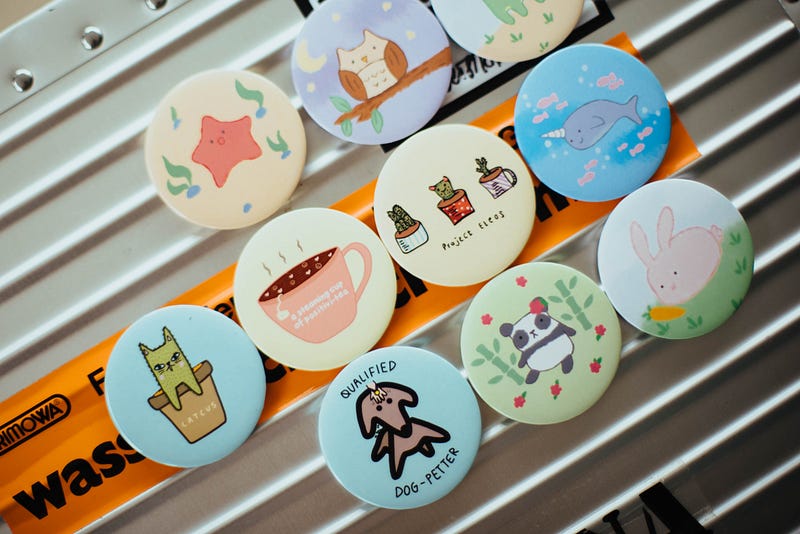
Anything can be a reward — a smile, a message of praise, a compliment, a hand-written card, a colorful sticker, a pen, another helpful token, a cup of coffee, a tiny piece of chocolate — anything, however small. We just don’t see them that way.
We usually attach some weight and drama to what we get. We disregard what we think to be insignificant and search for something big and significant. A big bonus, an invoice with a large sum on it; now, that is significant, right?
Interestingly, we, especially lately with the rise of awareness and mindfulness, recognize that each moment — however small — matters. However, when it comes to rewards, we still pursue this judgment — the bigger, the better, the smaller, the less we should care.
I like how Jane McGonigal makes the difference between our perspectives in real life and games brilliantly visible in her best-selling book Reality is Broken: Why Games Make Us Better and How They Can Change the World. Here is what she says about the rewards.
“ FIX #8: MEANINGFUL REWARDS WHEN WE NEED THEM MOST
“Compared with games, reality is pointless and unrewarding. Games help us feel more rewarded for making our best effort.” — Jane McGonigal, Reality is Broken: Why Games Make Us Better and How They Can Change the World
I find it curious that we find our reality pointless and unrewarding. Especially because I can confirm it. I used to see it the same way, and sometimes the mechanics of my thought processes create such ideas in my head once in a while also today.
But in games, we celebrate each point, each however strangely looking badge, because it brings us closer to winning the game. And we find getting them fun.
I find it also curious because all we do in real life is about one or another point. We put into and search for reasons in anything. So, how could it be pointless when we set those points at the beginning by ourselves?
Maybe it is because we forget what those points were or start second-guessing them while complaining about the process or fret about the outcome.
Turning life into fun games can help bring the goals back into view because it starts with asking ourselves the following question, which I realize now bringing often into my stories lately:
“If this [challenge, project, activity] was a game, how would I approach it as its designer or player?”
It might be easier to see that about the goals (which we could call quests), but a little less obvious about the limits (=rules) our projects (project games) set and even less about the rewards they bring.
I addressed the importance of the rewards and how to reward ourselves when we turn our lives into fun games in the following story:
I recommend that you read this article because it gives the necessary insight into the importance of rewards and how you can do that, so it becomes meaningful to you.
But I will try to summarize it’s main lessons in three paragraphs, followed by the stories relating to the thoughts in these paragraphs:
1. You can start seeing all those spreadsheets you need to fill out, all the e-mails and PowerPoint slides you create to report your work's status as the necessary feedback systems for your projects and activity games. Reminding yourself that you are, at the very least, the co-designer of all of your real-life games (= anything you are up to) will help you adjust those real-life feedback systems into something fun and engaging for you.
2. Taking time to record your score in points, stars, badges, or any other type of reward you might come up with as the designer of your project and activity games will help you come into the habit to appreciate what you do and stop depending on the praise and appreciation from others.
3. The smaller the rewards and the more often you give them to yourself (meaning the tinier the steps you take, give attention to, and take time to appreciate), the more meaningful they become.
Thank you for reading! I wish you joy in turning your life into fun games. If you liked this article and the ones I referred to above, then you might also enjoy these:
P.S. To stay in touch and keep updated on the possibilities of turning life into fun games offers, join my e-mail list, Optimist Writer.


