Five Reasons Why Electric Cars Will Only Worsen Our Oil Problems
And what the real solution might look like
Having read the title of this post, you might be surprised to hear I’m very optimistic about the future of electric vehicles (EVs). However, there’s a big difference between the types of EVs that can make the world a better place (e.g., 2-and-3-wheelers and small commuter cars) and all the overweight electric SUVs carmakers are churning out so enthusiastically today.
Indeed, current EV trends threaten to turn this promising technology into a big liability for the global economy. The following five sections will explain why the heavy and powerful electric cars driving all the EV hype today will only worsen the environmental, supply security, and sustainability issues typically associated with our oil-dependent society.
After covering all these problems, we’ll end on a positive note with a closer look at the technology-neutral ecosystem that could get the most out of EVs and a range of other mobility solutions. It’s quite the beautiful thing, but sadly, current policy trends are only pushing this ideal further away. We need a major rethink about sustainable transport (and sustainability in general).
Problem 1: Embodied Energy and CO2
Electric cars are commonly marketed to the public as “zero-emissions” vehicles because they have no tailpipe. Reality is quite different, though.
Understanding EV emissions
The first article in this 6-part series highlighted five key points about EV emissions accounting, the latter three of which are commonly ignored:
- Almost all electricity used to charge electric cars today involves plenty of CO2 emissions, especially in the largest global car markets in Asia.
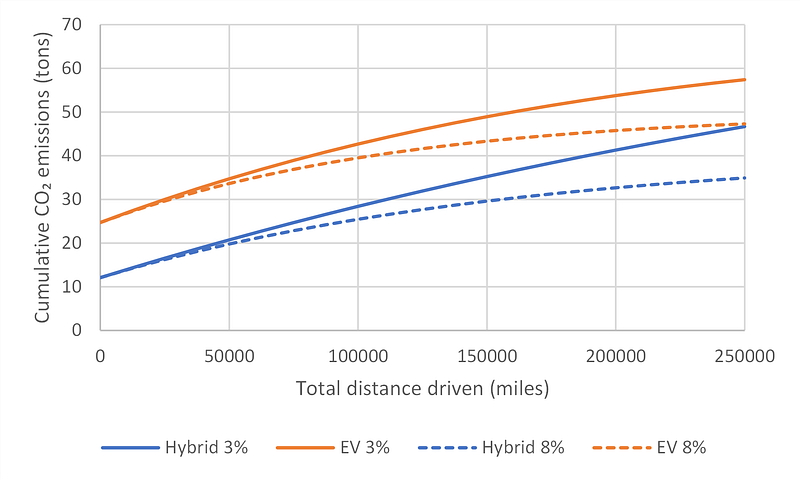
- Each 12 kWh of battery capacity emits about 1 ton of CO2 before the electric car drives its first mile.
- Electric cars often use more aluminum to keep weight down, further increasing their embodied energy and emissions.
- Incentive structures and the difficulty of taxing EV “fuel” makes them particularly prone to the Jevons paradox, further increasing embodied emissions and lowering efficiency by incentivizing ever-larger vehicles.
- The time-value of energy and CO2 (represented by the discount rate) makes embodied emissions much more important than the effect of cleaner electricity toward the end of the electric vehicle’s lifetime.
The result looks something like this for the world’s largest car market.
Scenarios to 2050
Since the time-value of energy and CO2 is a tricky concept to grasp, I completed another analysis comparing hybrid and electric car strategies for reducing emissions from passenger transport.
In the graphs below, the share of global new car sales that are either hybrids or EVs is assumed to increase linearly from 5% to 95% over the evaluation period, while global new car sales hold steady at 100 million per year.
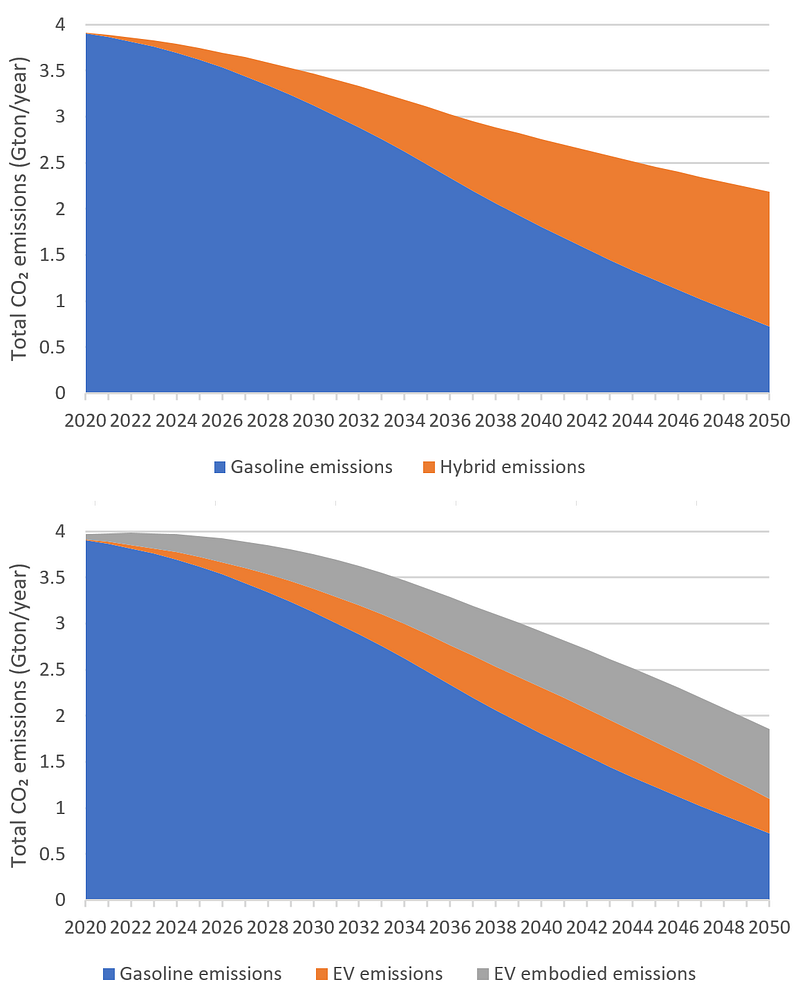
As shown above, both strategies significantly reduce emissions up to 2050, although “net-zero” remains far away. More importantly, however, the cumulative emissions of the hybrids (20.8 Gton) over the evaluation period are less than those of the EVs (22.4 Gton).
If we did the typical undiscounted emissions accounting where emissions savings from cleaner electricity at the end of the vehicle lifetime are weighed equally to its large up-front emissions, the average EV would save 3.4 tons of CO2 over its lifetime relative to a hybrid under the same assumptions.
Why this difference? Well, since the excess embodied emissions of EVs (grey area in the graph) need to be paid upfront, a lot of emissions are pulled forward during a rapid expansion. That’s the reason why the EV strategy emissions peak considerably higher than those of the hybrid strategy.
Toward the end of the evaluation period, the EV strategy starts to reduce emissions relative to the hybrid strategy due to the very low emissions intensity of electricity at that point, but we will need to wait until after 2050 before the cumulative emissions of EVs dip below those of hybrids.
Furthermore, since hybrids are already outselling EVs in spite of all the EV incentives (e.g., Europe and the US), a policy structure that incentivizes hybrids similarly to EVs would see much faster progress in the hybrid strategy. If we assume that all new cars are hybrids by 2035, the cumulative emissions advantage of the hybrid strategy grows from 1.7 Gton to 8.7 Gton.
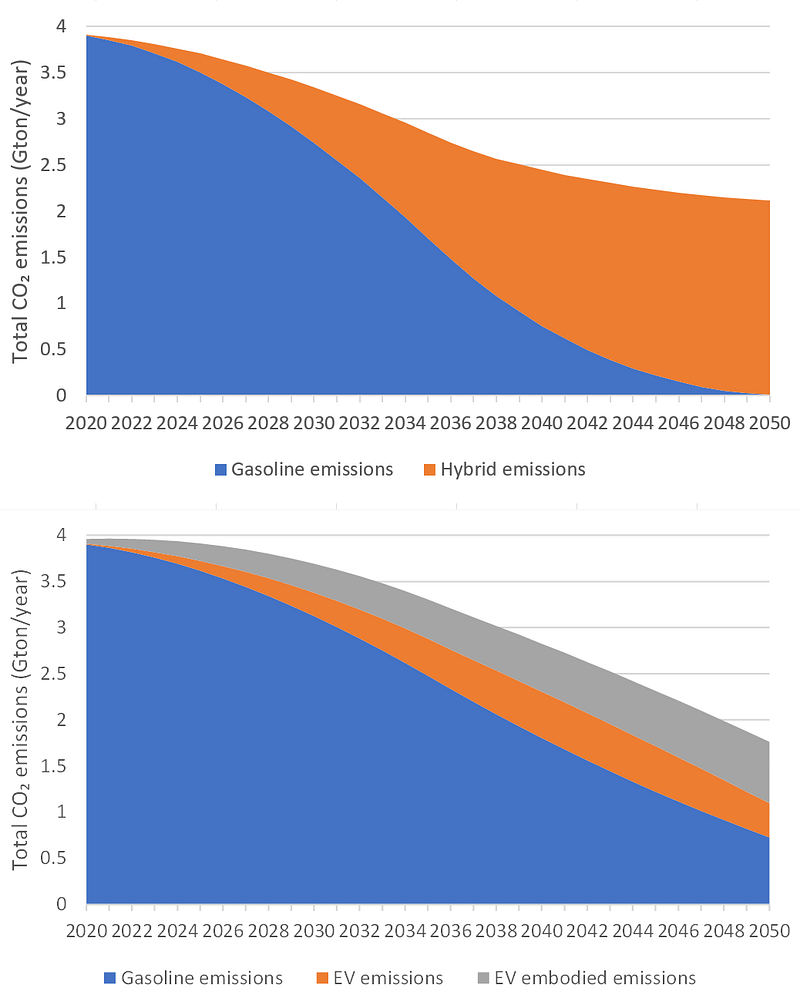
In addition, the excess emissions in the EV strategy would have caused some damage by the time we reach the point (around 2060) where its cumulative emissions fall below those of the hybrid strategy. Since these damages will hamper our transition efforts, they should be weighed higher than the emissions reductions after 2050, favoring the hybrid strategy even more.
These important effects are implicitly captured by discounted emissions accounting but ignored in most LCA studies that weigh every ton of CO2 equally regardless of whether it’s emitted today or 20 years from now.
The EV as a climate action poster child
It’s almost like electric cars were made for greenwashing. They’re a highly visible way for individuals, companies, and governments to project a green image, they promise a highly convenient solution for perpetuating our car-centered society, and they offer instant torque to stir up our emotions.
As clearly illustrated above, electric cars are no better for the climate than (subsidy-free) gasoline hybrids, but that doesn’t stop governments around the world from making pledges to mandate EVs by banning the evil CO2-spewing internal combustion engine.
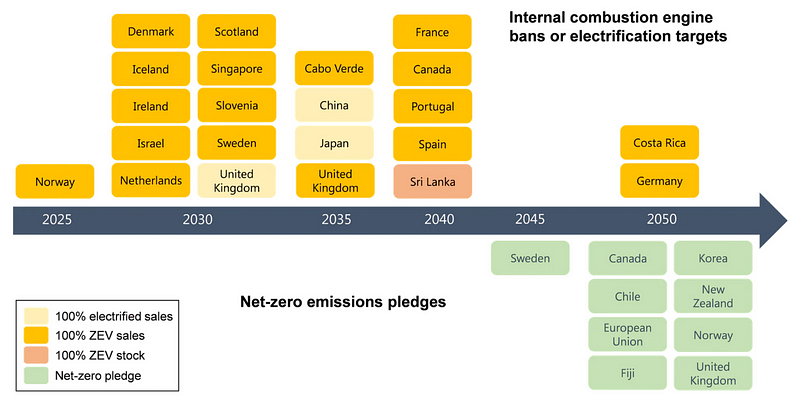
Such bans would have been ridiculous even if EVs offered substantial emissions cuts relative to hybrids, given that the CO2 avoidance costs involved in forcing high EV market shares are so enormous. But the fact that they will achieve no climate benefits relative to hybrids at all really makes ICE bans for the sake of the climate a “net-zero sense” policy.
And the worst is that this is just the beginning.
Problem 2: Environmental Costs of Critical Minerals
Whereas gasoline cars are dependent on oil extraction, EVs are dependent on a range of critical minerals that must be mined in massive quantities to facilitate a battery-powered revolution. Although the mass of material needed in a battery does not appear particularly large, the low ore grades of these mineral deposits mean that the battery in a single electric car requires roughly 240 tons of earth to be moved and 40 tons to be processed.
That’s why mining-related environmental concerns are already starting to make waves at a time when we’ve extracted only about 0.1% of the material required for a battery-powered world. These problems will only grow as the mining boom continues and ore grades inevitably decline over time.
As illustrated in the second article in this series, the rate of ore extraction in a battery-powered future is similar to coal extraction today. All the processing required to get the refined minerals out of these low-grade ores and the environmental toxicity of several battery minerals actually makes critical mineral mining far worse than coal mining.
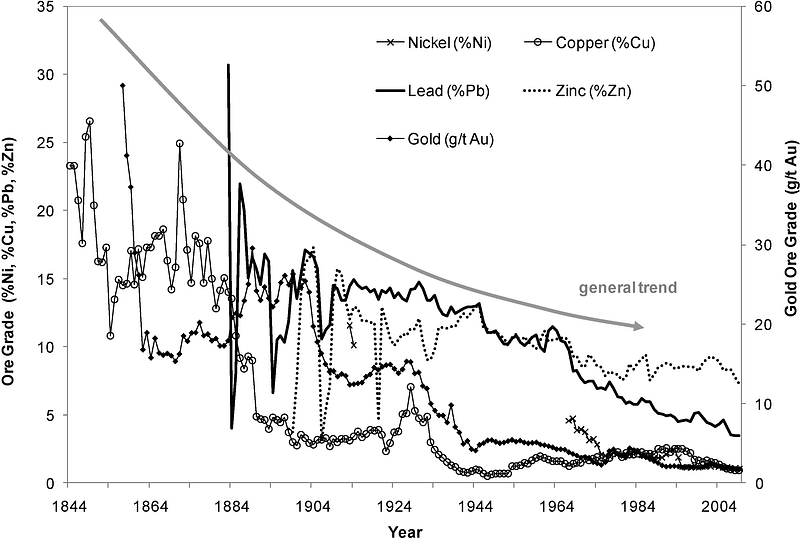
In other words, an EV revolution might end up displacing about half the oil industry with the equivalent of an entire new coal industry. And this doesn’t even consider all the environmental impacts involved in the electricity generation, balancing, and distribution required to power all these EVs.
And the challenges with critical minerals don’t stop there…
Problem 3: Supply Security
Energy security is a major concern for oil-importing regions. In a classic illustration of knee-jerk politics, the ongoing tragedy in Ukraine is prompting many governments (with the EU front-and-center) to make drastic changes to their energy strategies to cut down on oil & gas imports.
Green transition to the rescue
The solution to all our energy security woes? Simple: transition almost entirely to wind, solar, and electric cars within impossibly short timeframes.
What all the green advocates fail to see is that such a transition (especially an extremely rapid one) will only exchange hydrocarbon dependencies for even worse critical mineral dependencies. As reviewed in the third article in this series, the critical minerals required in spades by variable renewables and electric cars are substantially more geographically concentrated than oil & gas.
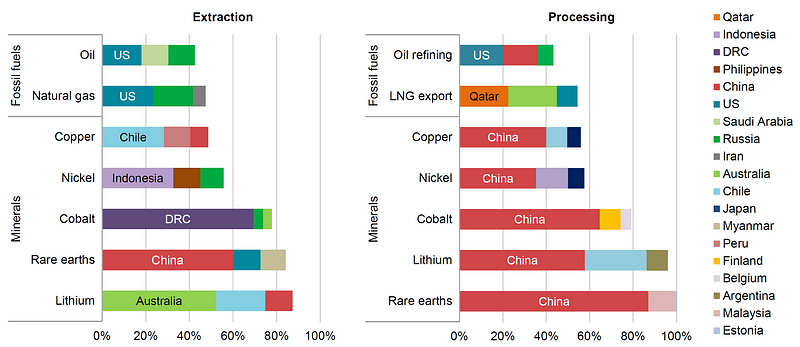
Furthermore, new mining capacity needs an average of 16.5 years to come online and will face many additional hurdles from environmental groups. Hence, if supply from one of the (not particularly trustworthy) states controlling a particular critical mineral is lost for whatever geopolitical reason, prices will go through the roof.
A taste of what’s to come
The current global supply issues provide a valuable taste of what we might expect from the green revolution that promises to forever rid us of energy insecurity. Here is the effect of a shortage of critical minerals on battery cathode prices (excluding inflation in all other materials and shipping):
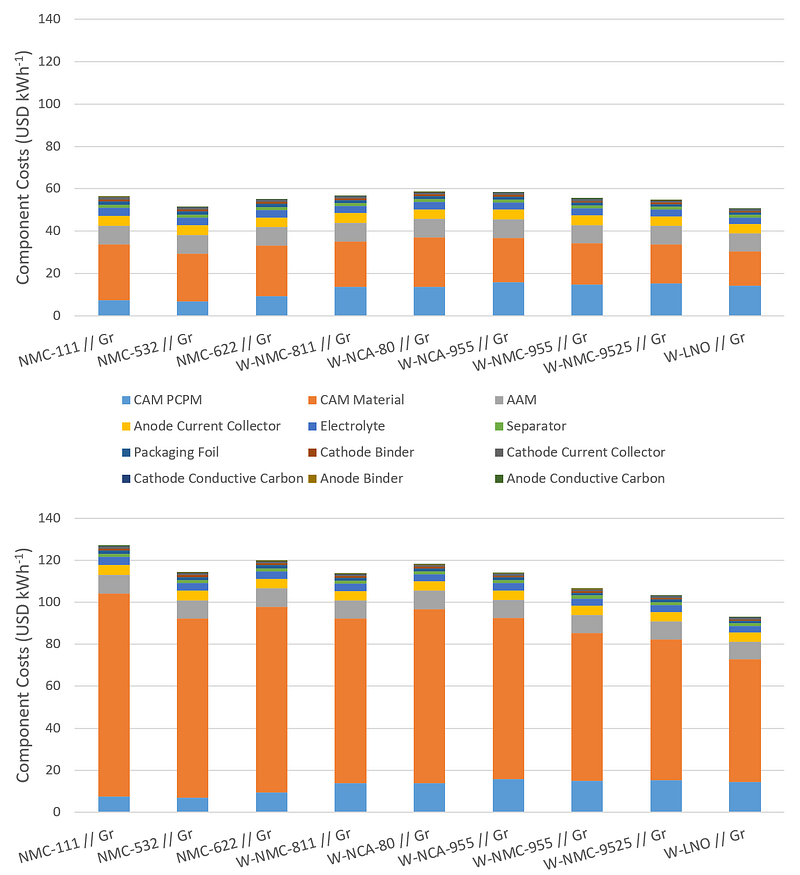
The 60 $/kWh battery price hike shown above is equivalent to absorbing a 50 $/barrel oil price hike for 20 years in a 50 MPG hybrid. In this light, 100 $/barrel oil suddenly doesn’t look so bad.
But that’s not all. The electricity required to charge all the electric cars required to save us from oil dependence can be even more volatile:
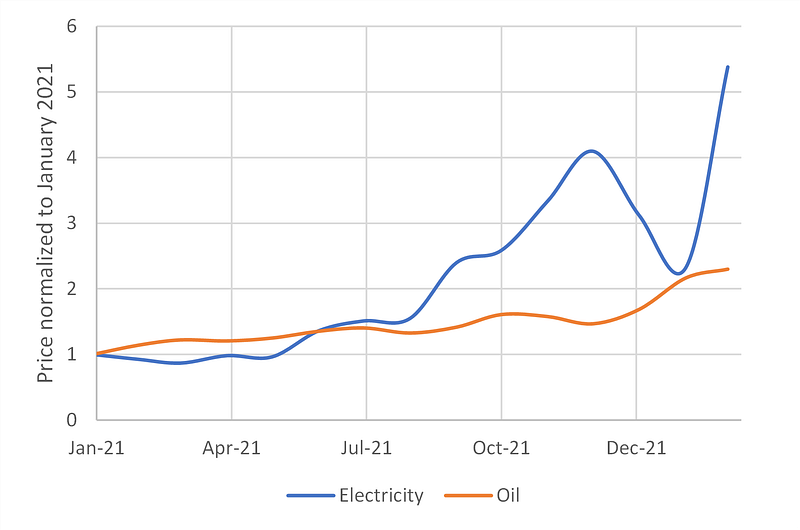
And no, more variable and non-dispatchable renewables are not going to help. Wind and solar power fluctuate strongly over timescales of months and even years. The unpredictable long-term fluctuations will regularly create the relatively minor supply/demand mismatches required to triple energy prices.
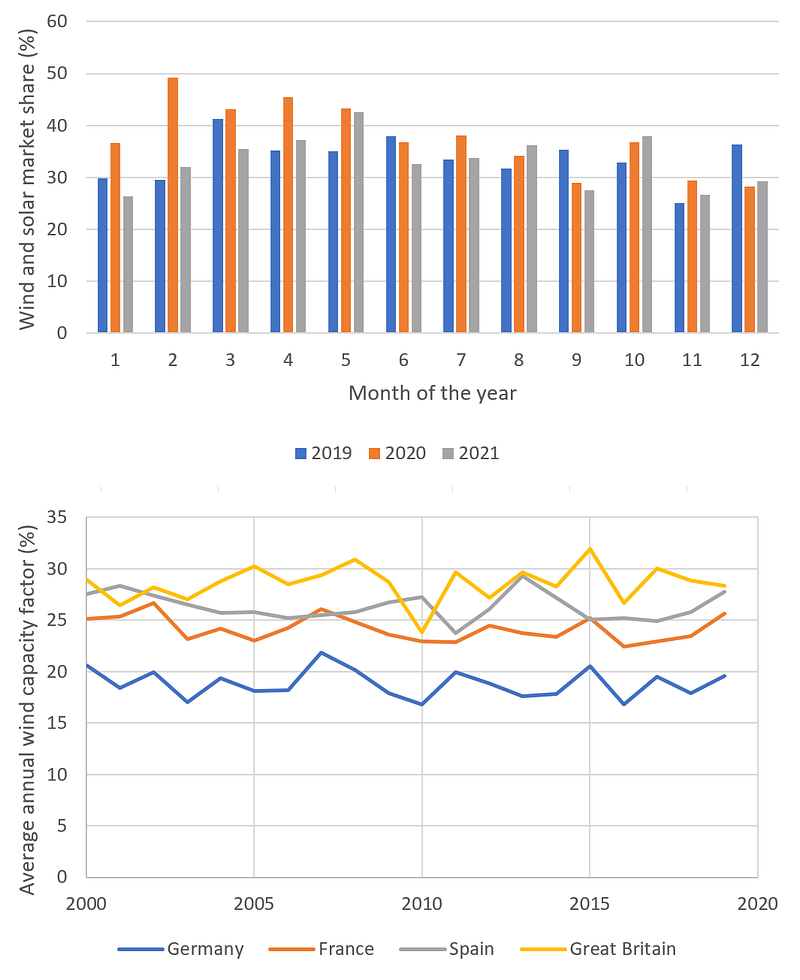
Out of the (well-oiled) frying pan and into the (EV battery) fire
All told, the rapid green transition touted by politicians and advocacy groups will substantially worsen supply security in importing regions like the EU. Still, it seems like we will doggedly push on with this agenda until it crashes into an impenetrable socio-enviro-economic wall, at which point we’ll have to make another highly disruptive U-turn.
But at least the green ideal is sustainable, right? Well… not quite.
Problem 4: Green Does Not Mean Sustainable
Charging electric cars with renewable electricity doesn’t make them sustainable. Fossil fuels are deeply ingrained in all green value chains and will remain so for decades. In the long term, these dependencies can be broken to achieve true sustainability, but EVs are by no means the only viable pathway to sustainable transportation.
Fossil fuel dependence
Few people realize just how dependent wind, solar, and EVs are on fossil fuels and how hard it will be to break this dependence. The fourth article in this series discussed three key points regarding fossil fuel dependency:
- Wind, solar, grid expansions, and EVs are highly material-intensive and these materials come from fossil-intensive heavy industries like steel, cement, plastics, ceramics, and various other metals. These sectors are not called “hard-to-abate” for nothing.
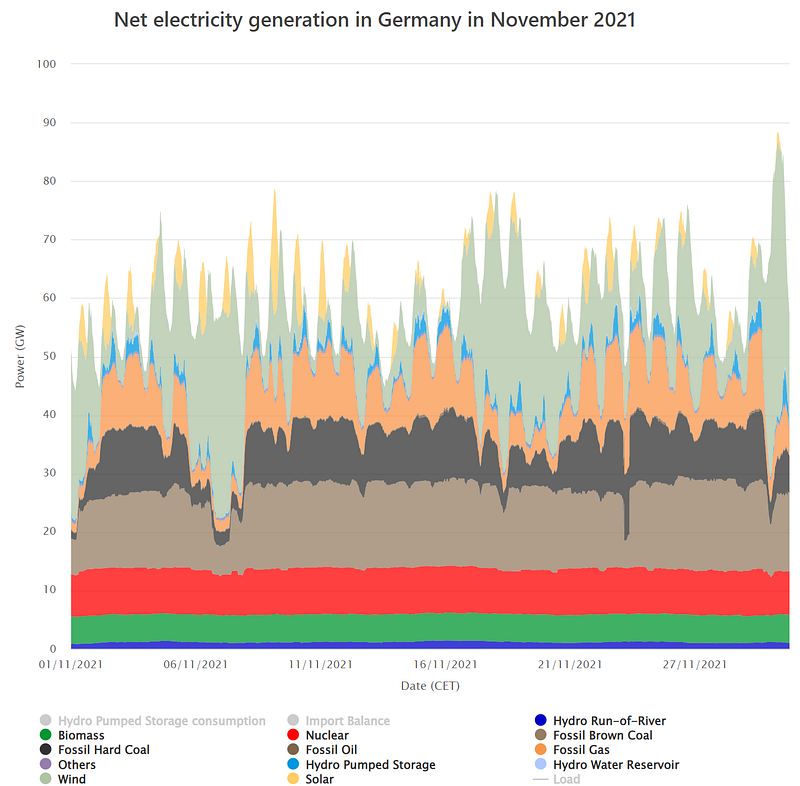
- In most regions, variable renewables will always depend on dispatchable power plants for long periods of low wind and solar output. Scalable solutions for countering such long-term variability are still far off and will be much more expensive than fossil fuels.
- The largest present and future car markets still have very fossil-intensive grids and decarbonization is proceeding slowly. China and India stand at 66% and 77% fossil shares respectively.
Critical mineral dependence
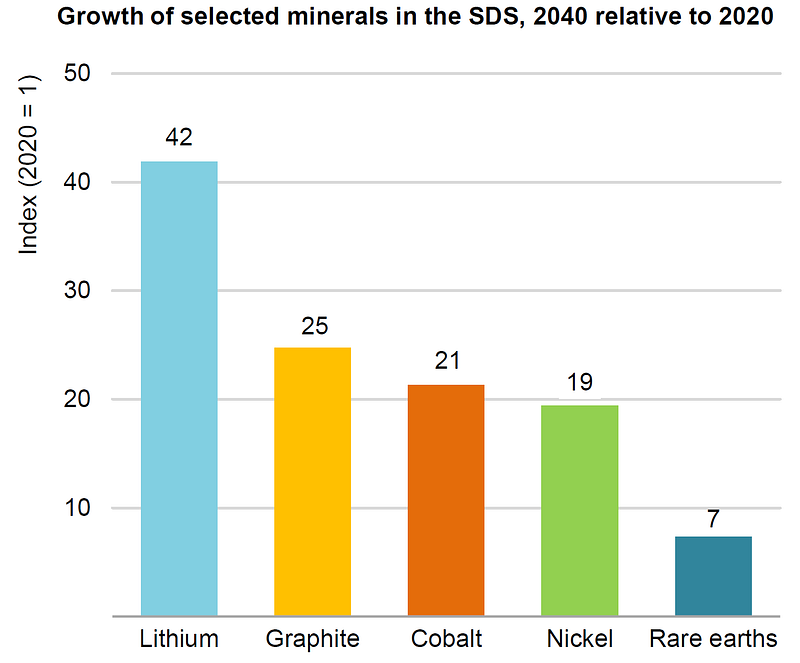
As if the environmental and supply security issues of critical minerals were not enough, a green revolution will add sustainability concerns to the list. It must also be mentioned that wind and solar add large additional critical mineral demands to the coal industry-rivaling demand of EV batteries.
The massive mining boom associated with a green revolution will be highly unsustainable. Current reserves to production (R/P) ratios of critical minerals are not much higher than those of fossil fuels. Considering the vast expansions in production required, these ratios are likely to shrink considerably in the coming decades.
Sustainable hydrocarbons
Drop-in replacements for fossil fuels will challenge the battery-powered sustainability paradigm in the long term. Just like critical minerals can be recycled to create a sustainable transportation system (once we’ve dug up 1000x more material than we have to date), so can CO2 be recycled via biogenic or electrochemical means.
Biofuels are well known, and although their sustainable supply is limited, they could supplant up to a third of current fossil fuel consumption. Long-term solutions like algae farming can greatly increase this potential and biogenic hydrogen with CCS provides an attractive negative-emission fuel.
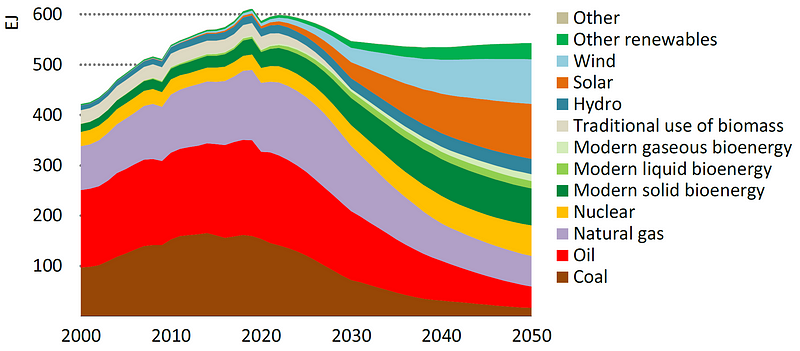
Even synthetic hydrocarbons from combining electrolytic hydrogen with CO2 could compete with EVs in the long term. Yes, these fuels will remain less than half as efficient as EVs directly charged from renewable electricity in the long term, but they make up for this inherent disadvantage in other ways.
First, liquid hydrocarbons have almost negligible international transportation costs, meaning that they can be produced from the very best renewable energy resources in the world, whereas EVs must be charged from locally produced electricity. This advantage alone is enough to cancel out the entire efficiency disadvantage in many regions.
Furthermore, synthetic hydrocarbons circumvent all the grid expansion and charging network costs associated with electric cars. Attempting to charge a large fleet of electric cars with intermittent wind and solar (at no inconvenience to drivers) will require very large expenses in this category.
True sustainability should not be rushed
We need to get our priorities straight: first uplift most people to the level where they can afford to care about sustainability and then build a sustainable society. Currently, only about one in seven global citizens have reached that point.

Excessive green technology-forcing will only delay our progress in this area. The only scenario where it might work is if the rich world manages to scrape together the $1.3 trillion per year in transition support the developing world (rightfully) demands, but that looks vanishingly unlikely since we scarcely manage 1% of this goal today.
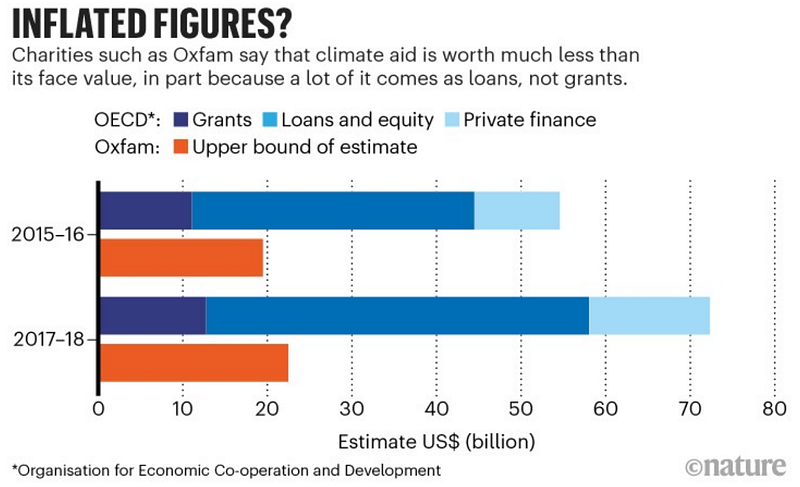
A much better strategy for the rich world would be to focus on setting a better example for the developing world to emulate — one that will ensure broad prosperity within planetary boundaries when fairly scaled to the entire world. We’ll come back to this at the end of the article.
Unfortunately, the way the EV revolution is shaping up will only push our urban environments further from this crucial objective.
Problem 5: Car-Dependence, Instability, Inequality
As the fifth article in this series explains, the EV revolution is set to perpetuate the inherently highly inefficient car-dependence of our economies. This trend will solidify a long list of car-related externalities including air pollution, climate change, time lost in traffic, health impacts from sedentary living, accidents, energy insecurity, high-value real estate occupied by roads and parking, depressing car-centered city landscapes, and the sheer economic inefficiency of moving most people in machines 25x their weight.
Electric cars could even be bad for air quality
The avoidance of NOx and particulate tailpipe emissions has long been touted as a major EV benefit. However, modern hybrid and catalytic converter technologies have all but eliminated this problem, mostly scoring ratings of “Extremely Low (trace).”
For new eco-friendly cars, non-exhaust PM2.5 emissions are far more important, and the extra weight of electric cars makes them perform worse in this category than hybrids.
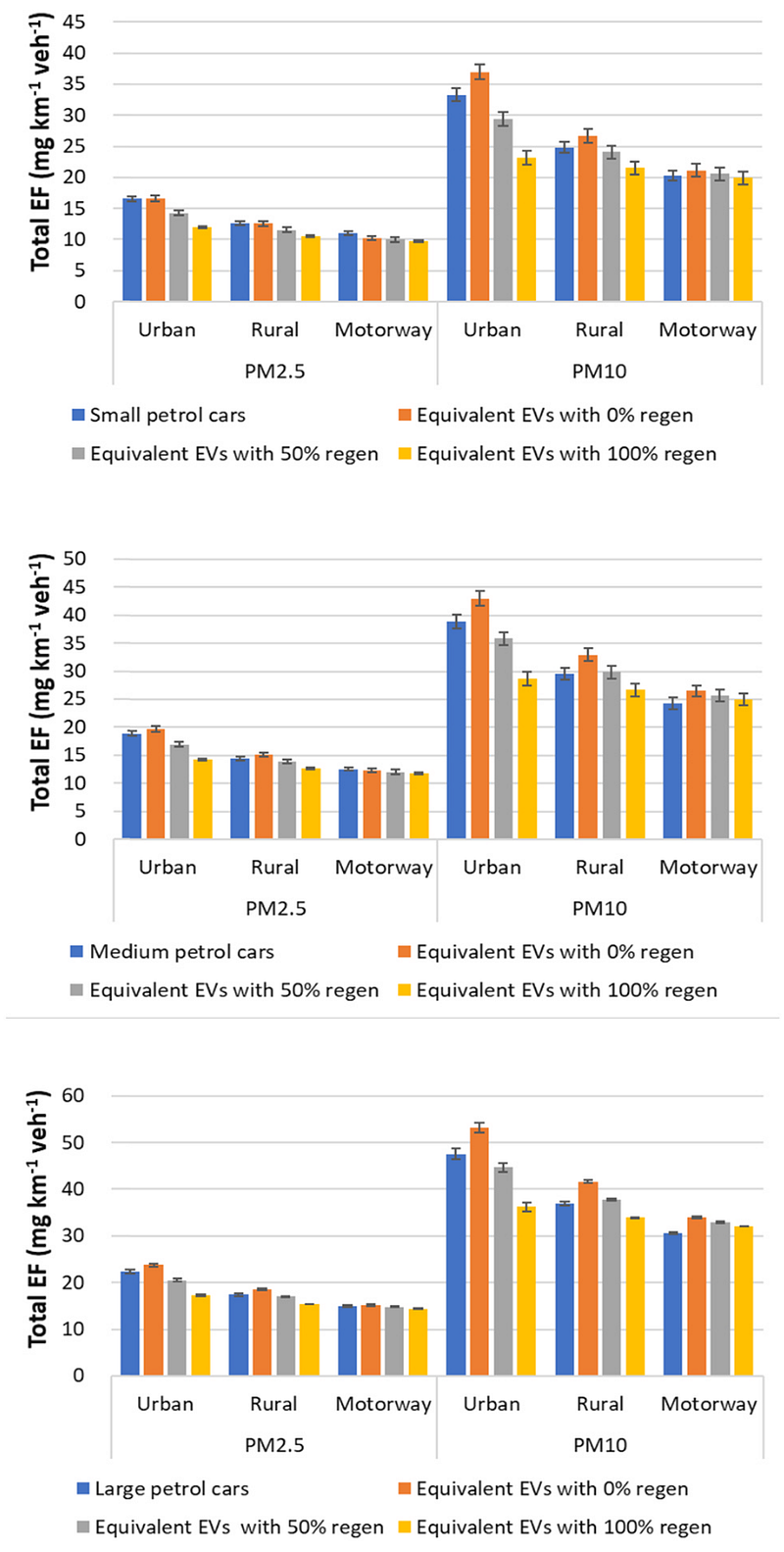
To get an EV-to-hybrid comparison from the graph above, we can subtract 1.5 mg/km of exhaust emissions from the (non-hybrid) petrol car and compare to the EV with 0% regen because hybrids can also do regenerative braking.
Arguably, we should also compare the hybrid to an EV in a bigger size class due to the heavy Jevons paradox effect triggered by EV technology-forcing policies. This would make EV PM2.5 emissions about 30% higher than those of a hybrid. In the largest car markets in Asia, indirect air pollution from a coal-heavy electricity mix would further increase EV emissions.
Perpetuating car-centered cities
Automakers have enthusiastically embraced electric cars not because they care so deeply about sustainability but because it guarantees continued growth in car sales. In an era of increasingly eco-conscious consumers, carmakers are only too happy about all the EV technology-forcing policies driving us to buy new electric cars in pursuit of “net-zero by 2050.”
The prevailing notion that driving around in a fancy new Tesla is actually saving the planet instead of just supercharging the long list of serious car-related externalities listed earlier is terrible for the future of our cities. It presents a serious threat to the growing understanding that cities should be built for humans and not for cars.
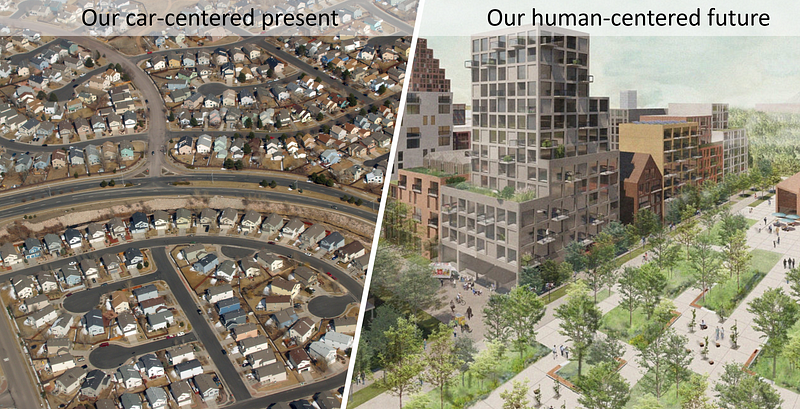
The best way to control the viral spread of cars in our cities is a large fuel tax. This is a big reason why Western European nations consume an unbelievable 4x less oil per capita in personal transportation than the US (while achieving superior human development and health/happiness outcomes).
Unfortunately, high taxes on EV fuel (electricity) is impossible because these taxes would also affect the rest of the economy. Thus, controlling car dependencies in an EV future will be considerably harder than it is in our gasoline present. This will cost us dearly in money, health, and wellbeing.
Instability and inequality
As outlined earlier, an EV revolution will only worsen strategic supply dependencies relative to oil and gas. Thus, the geopolitical and economic instabilities created by large critical mineral and energy price fluctuations will only get more severe.
When compared to critical minerals, oil supply is actually quite well-diversified among nation-states. In addition, OPEC has considerable spare capacity and US shale drillers can quickly ramp up production. In contrast, critical mineral mines have decadal developmental timeframes. Thus, the massive material price spike that has already increased the cost of Tesla’s supposedly $35000 car to $47000 will become a regular occurrence.
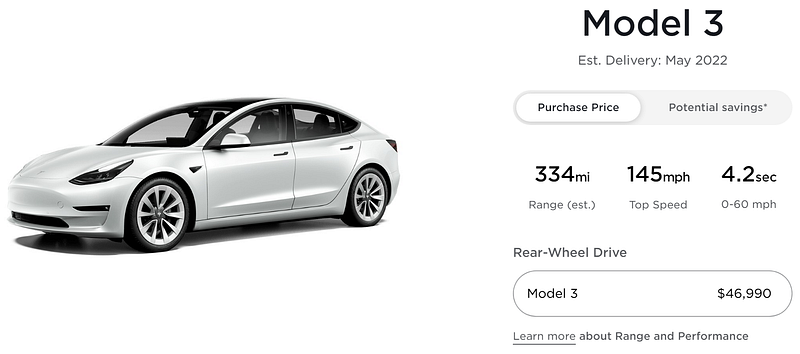
Such price hikes will only add to the inability of capital-heavy green technologies to achieve economic upliftment. As outlined in problem #10 in this previous article, giving capital-intensive green technologies preferential treatment reduces the capital available for other much more important investments like decent housing, schools, hospitals, and the wide range of other life-enhancing infrastructure developing nations need.
Furthermore, the critical mineral gold rush threatens to displace underprivileged populations, pollute their livelihoods, and lock their economies into a destructive developmental pathway dependent on unsustainable primary extraction (a.k.a. the resource curse).
All told, an EV revolution based on large electric cars can have a range of truly ugly consequences. We really need to do better.
The Way Forward
So, faced with all these problems, how do we proceed? Obviously, we can’t drive our cars on oil-derived gasoline forever. Luckily, there are many far better options for building a sustainable transportation system. Let’s wrap up this article by unpacking what such a strategy might look like.
Technology-neutral internalization of externalities
As outlined at the top of this article, electric car technology-forcing is an extremely inefficient way to cut transport emissions. It’s also incredibly costly ($2000 per ton of CO2 avoided in Norway with 100% clean electricity). Even worse, it will perpetuate our car-centered cities, cementing the long list of car-related externalities outlined at the start of Problem 5 above.
A far more efficient way of transitioning to a sustainable transportation system would involve the technology-neutral internalization of all externalities by raising taxes in proportion to externalized costs (and paying the proceeds back to the people). Under such policies, the global passenger transportation system might respond as follows:
- Small EVs (e.g., 2-and-3-wheelers) and public transport could reduce annual car sales by 1 million (1%) per year to 70 million in 2050
- A balanced mix of 3:1:1 hybrids, plug-in hybrids, and small electric city cars can grow from 5% in 2020 to 80% of new car sales in 2050
- Plug-in hybrids would be used efficiently (mainly as daily family movers in cities with worry-free road-trip capabilities), driving 80% on electricity
- The large reduction in liquid fuel demand can make the 2050 share of sustainable biofuel grow to 40%, while the embodied emissions and electricity consumption of much smaller electric cars reduce substantially
- Fuel cell EVs could grow from 0% in 2030 to 20% of new car sales in 2050, running on clean H2 (potentially even negative-emission biogenic H2)
The following graph shows the evolution of CO2 emissions in such a technology-neutral strategy compared to the electric car technology-forcing strategy promoted by current policy frameworks.
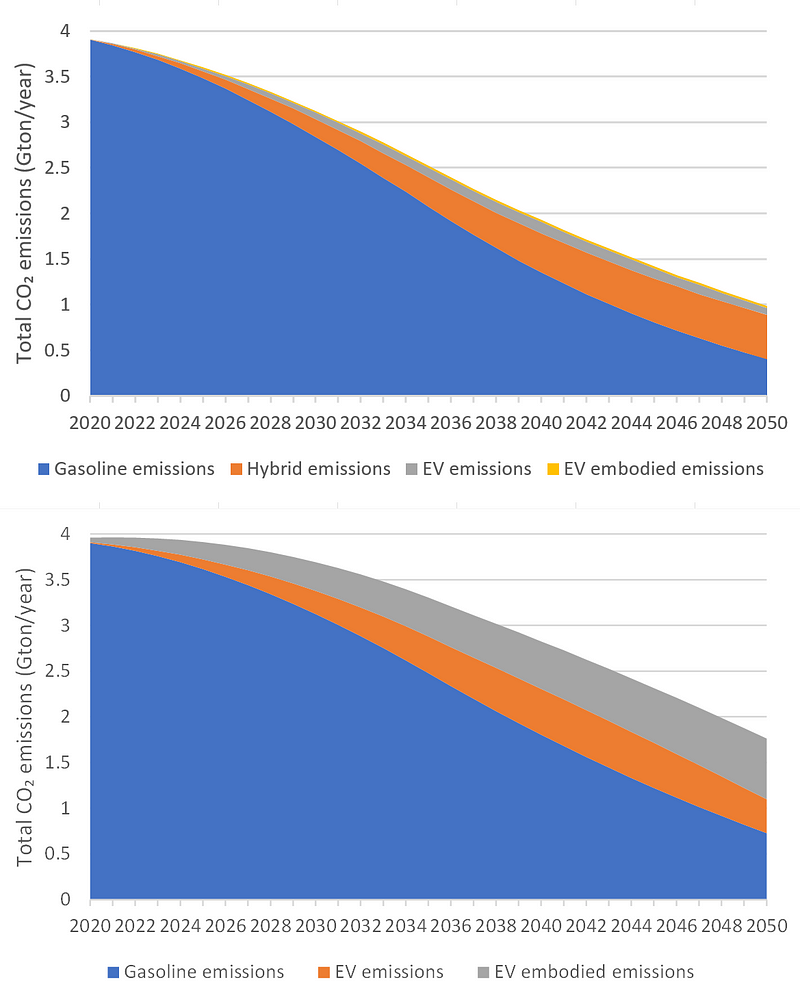
The technology-neutral strategy reduces cumulative emissions over the evaluation period by fully 20 billion tons relative to the EV technology-forcing strategy. It will also be far cheaper and avoid a sizable fraction of the massive externalized costs related to our car-centered cities.
Furthermore, if we assume an average battery size of 80 kWh in the EV technology-forcing strategy and a 20 kWh average for the small electric city cars and larger PHEVs in the technology-neutral strategy, we can slash critical mineral demand by a massive 93%. This would vastly reduce all the serious concerns with critical minerals highlighted earlier.
There’s simply no contest. In fact, it would be a socio-enviro-economic travesty if we persist with the highly inefficient EV technology-forcing strategy, knowing the huge benefits of the technology-neutral alternative.
Human-centered cities, virtual mobility, and life efficiency
EV enthusiasts like to see themselves as futurists and visionaries, but in reality, the solution they promote is just an incremental (arguably backward) modification to an inherently inefficient concept.
Hauling two tons of environmentally destructive metals and plastics over a vast network of roads occupying high-value real-estate while generating PM2.5 pollution, causing accidents, creating large strategic dependencies, and enforcing dangerous sedentary lifestyles is a fundamentally flawed way to get people from point A to point B, regardless of what’s under the hood.
No, the step-change society needs can be found by looking beyond the car. The first step is to design human-centered neighborhoods and cities. Such environments would have all necessities within easy walking or cycling distance. Since there will be very few cars around, public spaces can be covered in greenery instead of asphalt, making it highly attractive to be outside in the sun, getting healthy exercise and social interaction.
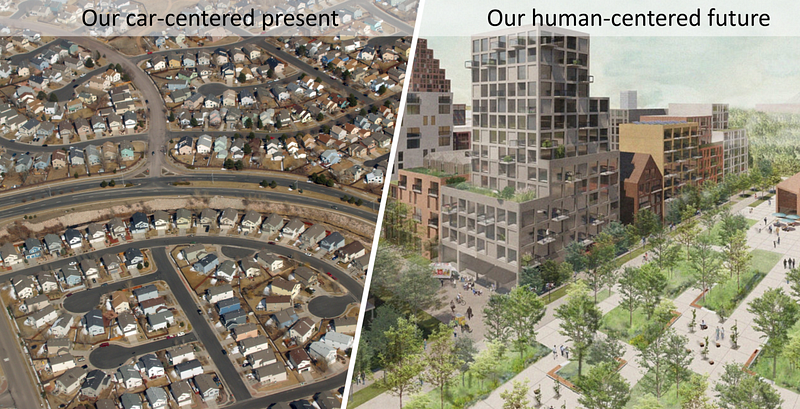
In parallel, virtual mobility will flourish. The daily commute would become far less common as virtual reality meetings become the norm and even physical tasks increasingly get done via remote control. Most retail will also happen in virtual reality with deliveries made to the peripheries of our car-free neighborhoods for easy collection.
The idea of life efficiency — consciously designing a lifestyle that gains more health and happiness from far less consumption — offers an additional multiplier to these benefits. Human-centered cities and virtual mobility will open many more avenues for cutting material consumption while boosting wellbeing. As a result, everyone will have much more resources, time, energy, and creative freedom that can be directed at stimulating challenges like further improving our society on a local, national, or global level.
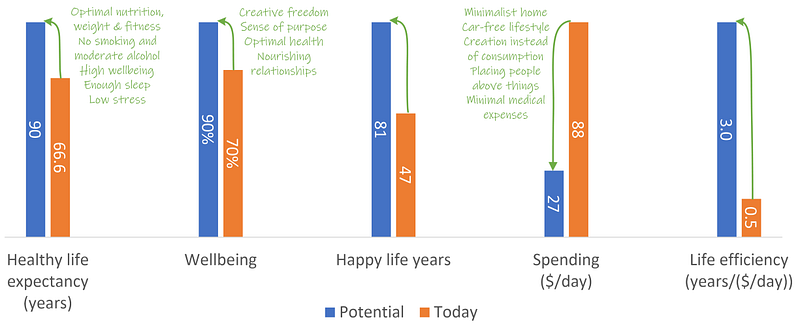
Our legacy: A harmonious society within planetary boundaries
The developments outlined above can strongly accelerate the transition toward sustainability in transport and other economic sectors. It will also usher in the age of high-tech dematerialization that will finally allow rich societies to find lasting health and happiness within planetary boundaries.
We must establish a new normal where such dematerialization clearly becomes more desirable than the material-intensive consumerism so perfectly embodied by today’s fancy “planet-saving” electric SUVs. In this new culture, people will aspire to a life of financial and creative freedom in a (physically and ecologically) green car-free neighborhood instead of an exhausting existence on the hedonic treadmill of big houses, big cars, and big debt.

When dematerialization becomes aspirational, we won’t need to waste our time in bloated climate conferences, keep fighting over our pet sustainable technologies, or engage in complex geopolitical wrangling over emission pledges and scarce resources. Instead, we would live creative and fulfilling lives in an increasingly stable and harmonious world of true abundance.
Imagine… What a legacy that would be!