
Don’t Ignore That ‘False’ Alarm
Canaries, popcorn, smoke detectors, and dog training all have something in common
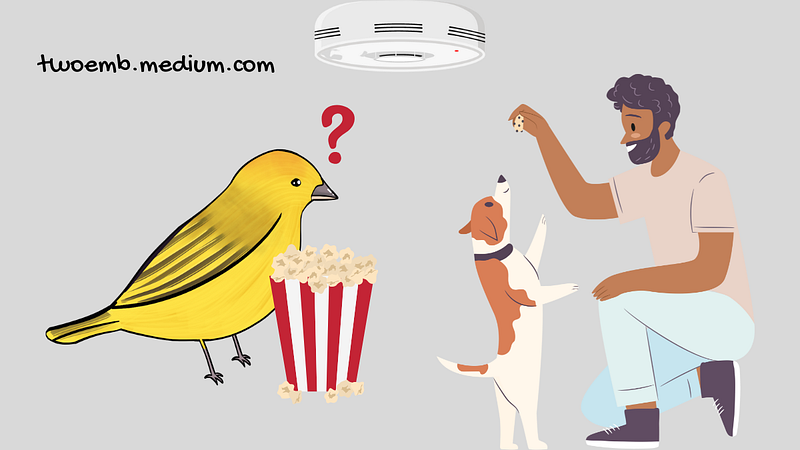
A mixture of metaphors
I’m a visual thinker and a visual learner, so I like metaphors. Unfortunately I’m not very good at creating my own, and I often get them muddled.
However, this time I think I’ve come up with a mixture of metaphors that really works to illustrate why we can’t just keep expecting individuals to adapt and change when we refuse to make any accommodations for them.
We create shared spaces without considering different needs, then refuse to modify the environment, and instead attempt to modify the person.
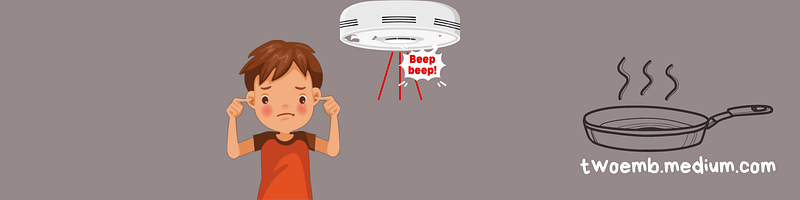
The smoke alarm
Ever had one of those smoke detectors that was super-sensitive, sounding an alarm any time you cooked without the window open or the exhaust fan on?
Some people’s nervous systems are like that, to varying degrees.
Some reasons for a hyper-responsive nervous system:
- Trauma (c-ptsd, PTSD)
- Anxiety
- Sensory processing disorder (SPD)
- Autism
- Underlying health conditions
Just because someone’s nervous system is more sensitive in comparison to the statistical average (what people like to call “normal”, but normal is a fluid concept, meaning its definition changes often) doesn’t mean they’re “over-reacting” to their environment or their experiences.
They’re responding rationally to their internal experience.
Not having the same experience, or not understanding their experience, does not make theirs any less real in comparison. A nervous system which responds earlier and more often than others is still responding to real stimuli.
The sensitive smoke detector still needs to detect smoke in order to sound the alarm.
While the sensitive alarm may cause frustration at times, warning of danger when there is none yet, it’s still a signal that something is wrong. A little smoke can very quickly turn into an emergency if we don’t take the necessary steps to address it.
Canaries and coal mines
Canaries were primarily used by rescue crews following explosions resulting from regular detonations during mining, sparks from mining equipment, or the open flames of the miners’ carbide lamps.
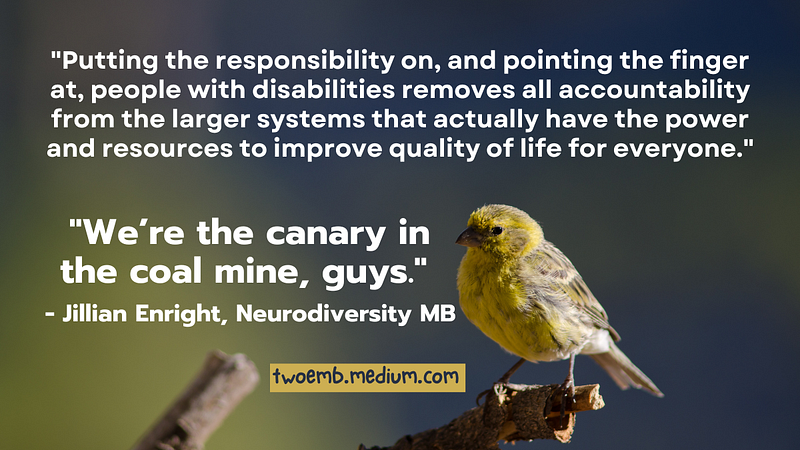
Combustion in the mines produced carbon monoxide (CO), which could kill miners through asphyxiation. Because birds have a much more sensitive respiratory system than humans, the birds would be the first to show distress from CO exposure, alerting the miners to danger.
When a person’s nervous system is more sensitive than the average, it’s like a proverbial canary, alerting us to potential problems in the environment (at home, school, in the workplace, anywhere — not just mines).
Popcorn kernels
Left unchecked, these underlying issues being flagged by more sensitive people often worsen, until they’re finally noticed and validated as problematic by the less sensitive majority.
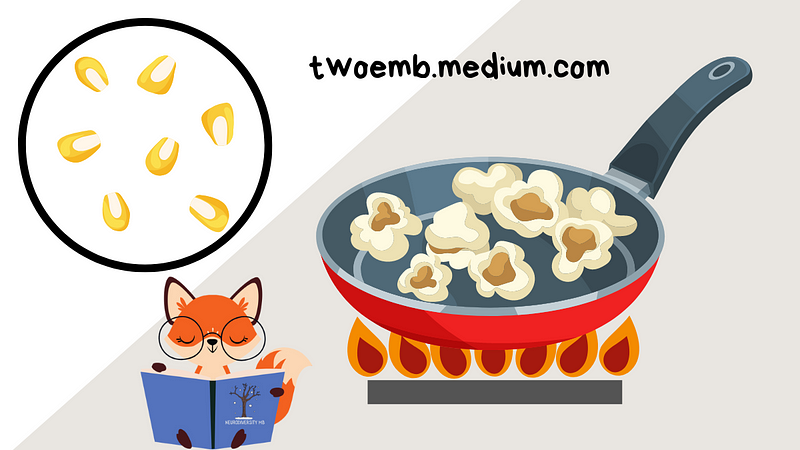
Switching to my popcorn metaphor, the people in these environments are like un-popped popcorn kernels. The sensitive person pops first, telling everyone the heat is starting to rise. When people dismiss and ignore our sensitive little popcorn, the heat continues to increase.
If nothing changes, more kernels start to pop, and before long, we’ve got a pan full of popcorn. I like popcorn, don’t get me wrong — but in this case, the popcorn represents distressed people, the heat akin to unsolved problems in their shared environment.
Dog training
Lastly, we have dog training.
When you have an over-sensitive smoke alarm and it’s too cold to open the windows, what might you do? You might take the batteries out, intending to replace them as soon as you’re done cooking.
Except if you have ADHD, like me, you’ll definitely forget to replace those batteries. If you’re human, like most of us, you may also forget to put them back in when you’re done.
The danger, of course, is that an actual fire could take place — but without your sensitive smoke alarm, you will be unaware of the danger until it’s a true emergency.
In this case, taking the batteries out of the smoke detector is what we do when we punish or attempt to “modify” a person’s stress behaviours.
Instead of recognizing these behaviours as indicators that something is wrong, we blame the individual, admonishing them to “make better choices” or get control of themselves.
Listen, if they could, they would.

We all do well when we can
Nobody enjoys being distressed. While there are self-regulation strategies we can use to help calm ourselves when we’re dysregulated, we didn’t have the luxury of picking out our preferred nervous system.
If someone does have a hyper-responsive nervous system, and it is causing them distress, telling them to “calm down” or saying they’re overreacting sure as hell won’t help.
Instead, we need to first meet people where they are. We need to validate and empathize with their experience. A person cannot learn new skills, nor develop new coping strategies, while dysregulated.
We must first help them feel calm and safe, only then can we support anyone to engage in the problem-solving process. This means addressing the environment contributing to their distress, not just expecting the individual to make change.
Otherwise we’ll have canaries, popcorn, and puppies running loose all over the place.
© Jillian Enright, Neurodiversity MB
Related Articles
When you join medium, as a member you’ll have access to unlimited reads for only $5 per month. If you use my referral link, I’ll earn a small commission, and you’ll earn my undying gratitude.
If you’d prefer give a one-time tip, you can support my writing on Ko-Fi — also, it’s free to follow me on Facebook and LinkedIn!


