
Data Driven Architecture
Buildings designed by A.I in a 5 sec
AI ARCH tool ready to use
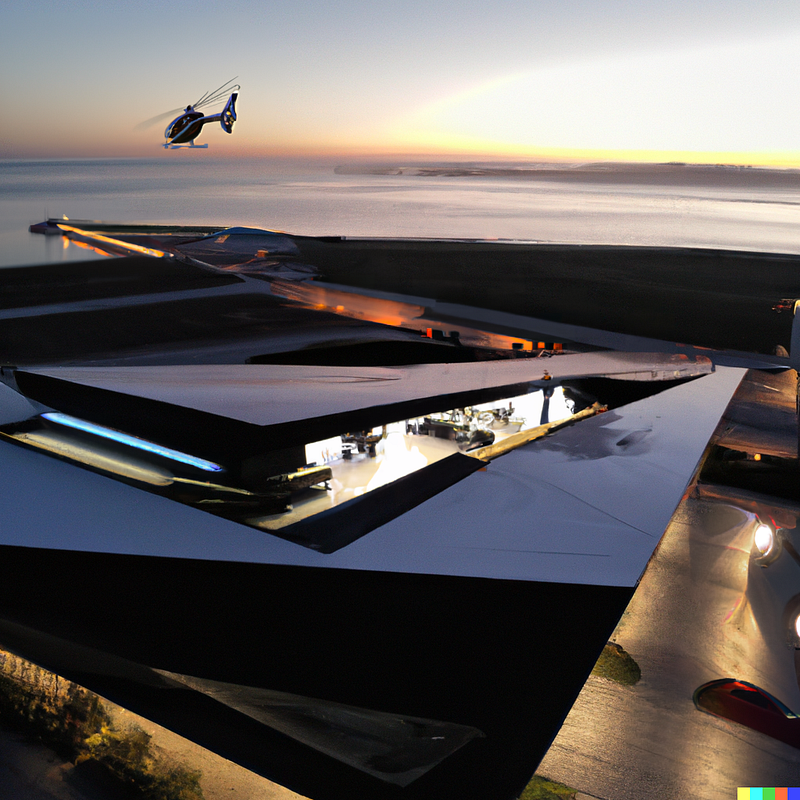
Recent research on machine learning shows that automation will replace human architects. As a result, the field of architecture will soon change enormously.
Architects must open their minds to technologies, or else they will be replaced. The time for human creativity is coming to an end. Architects have been slow to adopt technology, but not because they’re unaware of it. They’ve been in the dark about artificial intelligence and its potential effect on the profession, but now that changes are here. It’s impossible not to see this. Technology has gone through every industry, and architecture is next on the list. It’s always a case with revolutionary changes; those most interested learn about it last (sometimes all too late).
- June 2022 — AI art tools update can be found ➡️ HERE ⬅️
The buildings from the animation above do not exist and are generated in a 5 second AI process. Architects do not accept that their time is running out. Technological disruption has reached architecture. The tech tank has crossed through the hotel industry (Airbnb), television (Netflix), and music (Spotify). Time for the most conservative field — Architecture. As is always the case with revolutionary changes, those most interested find out in the end. And not because they do not have access to knowledge, but because they crowd out the apparent development of technology. The AI system is replacing human creativity at the edge of history.
Data-driven Architecture.
This burgeoning, cutting-edge sector influences more than simply physical space. Buildings, communities, public places, and transportation systems may be constructed to help people live better lives. Data-driven Architecture integrates human behavior (emotions), environmental (light), building performance, and mechanical equipment data to create a living habitat for humans (air conditioning). Data-driven Architecture may make buildings more efficient, attractive, and beautiful when paired with AI and deep learning systems like Generative Architecture.
DALL•E links users with AI tools to create and share AI architecture. Architecture has always been about how imagination works. But making these things strong has never been straightforward, and we don’t want AI to do so soon. Internet has simplified everything. Our imagination may now interact directly with AI technologies to generate the perfect picture anytime, wherever. Architecture shall be freed.
Machine Learning has many potential consequences, such as the architect profession dying out. The AI system is replacing human creativity at the edge of history. Architects must open their minds to technologies, or else they will be replaced.
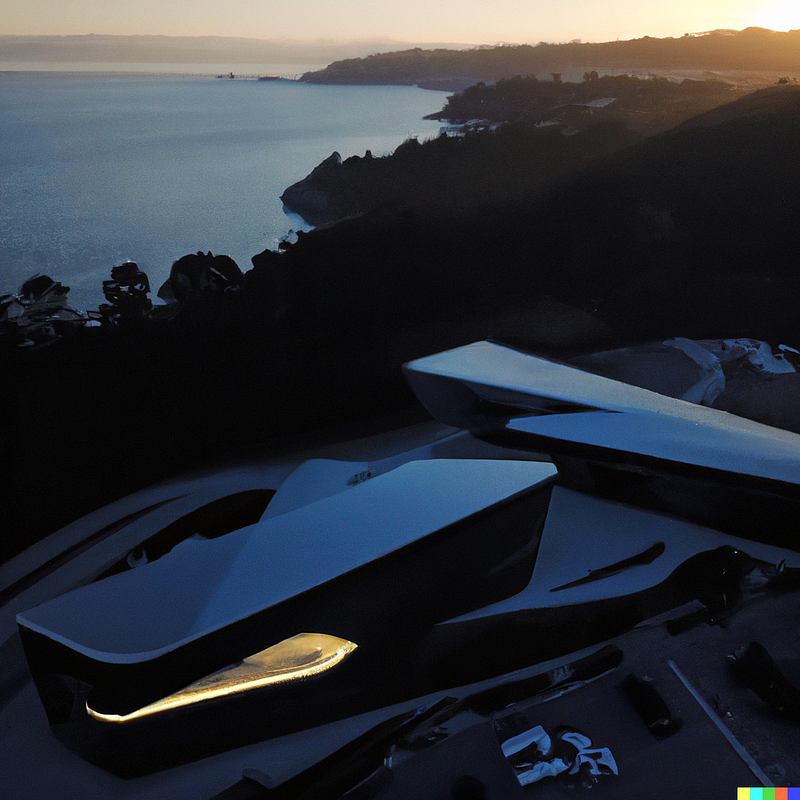
As we’ve seen with AI in other industries, this technology has effectively made architectural practices more efficient and improved vast aspects of our lives- but has it also killed off a little bit of what makes us human?
🟣 Join me in discovering the potential of AI art.
AI art Data | Driven Art | Data-Driven Fiction | Lists | ☕️ AI Coffee | Substack
I am an Art Curator, founder at EvArtology. I advise companies and institutions in the creative industries on using AI tools in their daily work. Human collaboration with ML models can be very creative and bring huge benefits. The new era begins now and here


