
Human collaboration with AI
Machine Learning Will Free Creatives!
How AI is Changing the Creative Industry
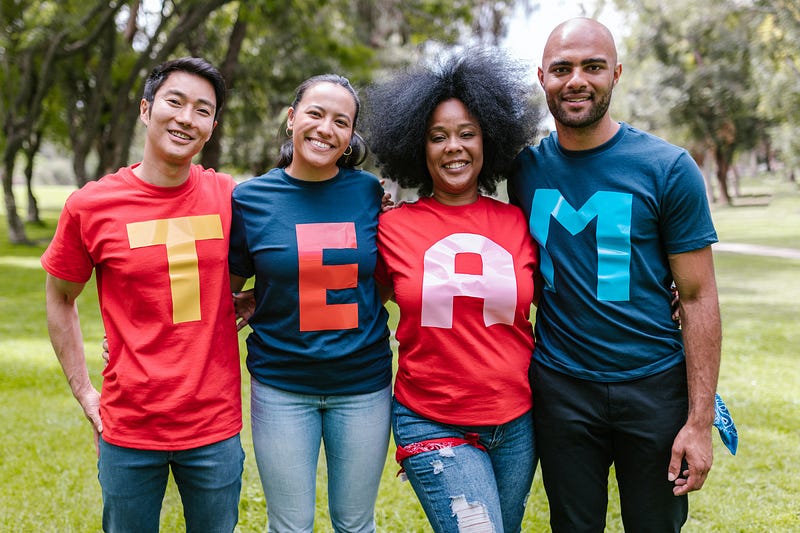
The Machine Learning Age is upon us. AI tools have been developed within the last decade that will revolutionize the way we do just about everything, from teaching to marketing. One such tool is called AI_concierge© which was developed by the company MLearning.ai. I have been working with MLearning.ai since January of this year, advising on the use of their AI_concierge© service. What is AI_concierge© service? It is an Artificial Intelligence system that uses human input to improve its output. So it’s the best of both worlds: machine analysis of data combined with human analysis.
To use the AI_concierge© tool, you need three things: excellent knowledge of what you are doing, information for the AI model, and an example of data that you want to get analyzed. Fortunately, depending on the task Dariusz Gross #DATAsculptor (CEO) and his team can help you with all this.
Machine learning in the creative industries is leading to a paradigm shift. What was the state of the art yesterday is no longer relevant today. The need to be on the cutting edge seems to matter most to creators. The use of AI tools has been going on for a while now. The earlier models have been implemented as commercial tools, maintaining a private profile. MLearning.ai is the first company that puts this knowledge at the disposal of artists and creative professionals from 50+ countries.
In 2016, the company was chosen to train the world’s leading film studio how to use AI tools, including facial analysis and speech recognition for voiceovers. Today, MLearning.ai collaborates with over 500 researchers from 6 continents. They publish several research papers every day.
As an art curator, I am equally interested in MLearning.ai’s artwork analysis — Turing’s nose . Alan Turing’s nose is a thermometer. It can measure the temperature of a work of art. It is a software/art that combines machine learning and digital art. The thermometer provides a measure of the algorithmic content of a digital image. Using this measure, we can use the thermometer to determine how much of an image is machine-generated and how much is created by an artist.
My task is to advise institutions on how to use AI tools in their daily work, including recommending which ML models should be used and how to train them — and which datasets should be used — and identifying experts who can help with the job. Human collaboration with ML models can be very creative and bring huge benefits. The new era in the creative industry begins now.
All the knowledge of an artist or creative professional is available to us, but how far are we from living in a world where AI can create art on its own? What will humans do then? The answer is a whole lot! Dariusz Gross #DATAsculptor CEO of MLearning.ai, believes it will be another 10 years before humans finally and irrevocably change the way they work. In the meantime, artists can use the tools provided by MLearning.ai As Steve Wozniak said,
“If a machine can do the work better than me, why should I do it? “
In his opinion, the main problem is that there are so many important tasks in art and culture that no one is doing. It is also clear that AI tools should be used wisely so that they do not damage or destroy what we hold dear.
Podcasts are an excellent way to learn faster and better in the MLearning.ai world
I’m looking forward to working with you, and if you need any suggestions, I would be more than happy to provide them.
I am an Art Curator, founder at EvArtology, and ML consultant at MLearning.ai. I advise companies and institutions in the creative industries on how to use AI tools in their daily work. Human collaboration with ML models can be very creative and bring huge benefits. The new era begins now.


