
Why Black Women Defend People Who Refuse to Defend Them
Assessing an unexpected hero’s advocacy
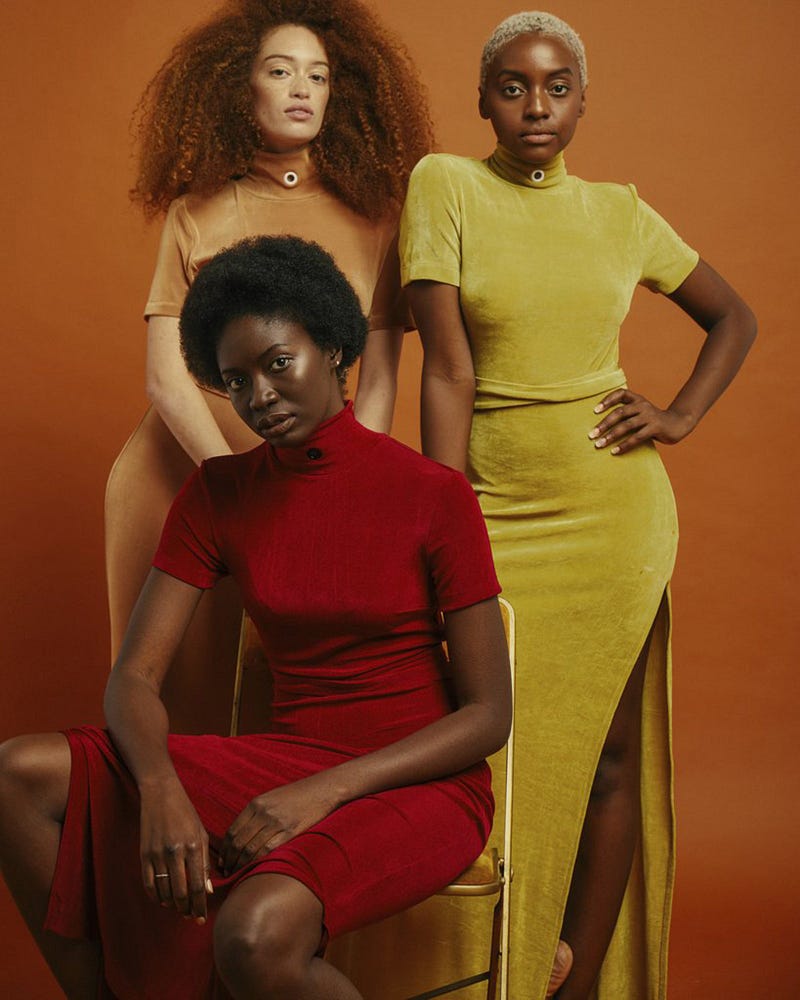
In the 87' Film, Dirty Dancing, Patrick Swayze’s character boldly stated, “No one puts Baby in a corner.” Years later, I realized how powerful this message was, and I relished seeing a man defend a woman’s right to live, love, and feel protected.
In contrast, America consistently puts Black women in a corner. We do not get the same level of care and protection as other women. Black women are also more likely to become police brutality victims, suffer from domestic violence, wealth inequality, work, healthcare, and educational discrimination than any other group of women.
Wouldn’t it be nice if Black girls weren’t inundated with negative, sexist comments about Black women? If they were told instead of the many important things that we’ve achieved? (Stallion, 2020)
It would be nice if Americans stood up for us and said. “Enough; no one puts Baby in a corner.” However, history shows how unlikely that is to happen. Black women remain marginalized in their communities and also homes. Why can’t society see us as we are — diamonds in the rough?
Unity Comes At a Cost For Black Women
Malcolm X wrote, it is a disgrace for Negro leaders not to be able to submerge our ‘minor’ differences to seek a standard solution to a common problem posed by a Common Enemy (Brown, 2018)”.
Only Black unity can liberate us from the tyranny of white supremacy. Unfortunately, solidarity often comes at a cost. Black women must continually fight for their race as opposed to matters that concern their womanhood. They are the unsung heroes, tirelessly working towards the goal of equality.
White women can call the police on a man for abusing them without any guilt. After all, they have every right to seek help. Black women do not have that privilege. They think about what will happen to the man when the police arrive. A Black woman must consider whether she is hurt enough to justify the risk of his or her life. This dynamic permits cruelty to thrive in our communities, with some taking advantage of Black women’s natural, protective nature.
Black men often suppress the voices of Black women, viewed as divisive for bringing up the disparities Black women often experience. For example, Black men admonished me in a Facebook group for posting a statistic about our interpersonal relationships.
Black women are 2.5 times more likely to be murdered by men than white women. 56% of these homicides were committed by a current or former intimate partner. Nearly all — 92% — of these killings were intra-racial, which means that they were committed by a Black man against a Black woman (Center, 2020).
After Breonna Taylor’s death, many Black men posted condolences for her and supported her case. I thought the majority of their digital advocacy came from an authentic place. However, their responses to my post indicated that many Black men participated in performative allyship. I wanted to know why Black men abused Black women at a disproportionate rate. No one gave a reasonable answer or condemned the actions of these men.
I learned that some of the same men who fight against racism do not always fight for Black women. The Black power movement often displays a dangerous level of apathy and, at times, blatant misogynoir. Many Black people vehemently disagree on how we should counter white supremacy — lack of resources and consensus on methodology stymie progress. However, addressing domestic violence should not be a divisive subject, nor should we debate a path forward. Giving love and respect to Black women is not costly, nor does it take political power to achieve. We need a culture shift in our music, our heroes, and our households.
In the movement, Black men treat women’s issues like a side dish, similar to the women’s movement. It seems that despite Black women’s ability to become excellent allies, neither group equally reciprocates. Black men give us the proverbial pat on the back with temporary bursts of support. This summer showed why that type of fair-weather friend advocacy fails Black women.
Most Black men are not abusers, so I did not expect purely negative responses. I considered discussing this an essential step to addressing violence that Black women endure. Since we were so united in George Floyd’s death, I assumed we could move forward on critical issues. I was wrong; they called me disparaging names and accused me of hating men. Ironically, they found the stat more offensive than the crimes against Black women. Their responses disquieted me.
I reviewed the facts; 40% of Black women experience domestic violence in their lifetimes. If you know one hundred Black women, forty of them are likely to be domestic violence survivors. Of course, these numbers are merely estimates as many women do not report domestic violence. The problem exists, and in my mentioning of it, I caused an uproar. It became clear to me that self-advocacy may be the only tool. Black women have in facing this level of apathy.
Enduring pain is a staple of Black womanhood, and we need to work to decimate this social expectation. Those who love us should not ask us to endure isolation in our fight against discrimination. Just as we entrust the President to protect the nation from foreign and domestic threats, Black men should protect Black women against white supremacy and domestic violence. Unity should never mean erasure.
An Unexpected Hero
This past summer, I found an unexpected hero — Megan Thee Stallion. I never expected to find a woman I looked up to in the Hip-hop community, which consistently reinforced negative stereotypes about Black women. Still, I began to understand the nuance of her character. She freely spoke about sex in a way that made many women feel liberated. While many felt offended by her and Cardi B’s hit song WAP, I did not let respectability politics stop me from valuing her as a strong, successful Black woman. I rather a woman talk about consensual sex in a relationship she sets the terms of than always hearing about women talked about as objects, devoid of personality.
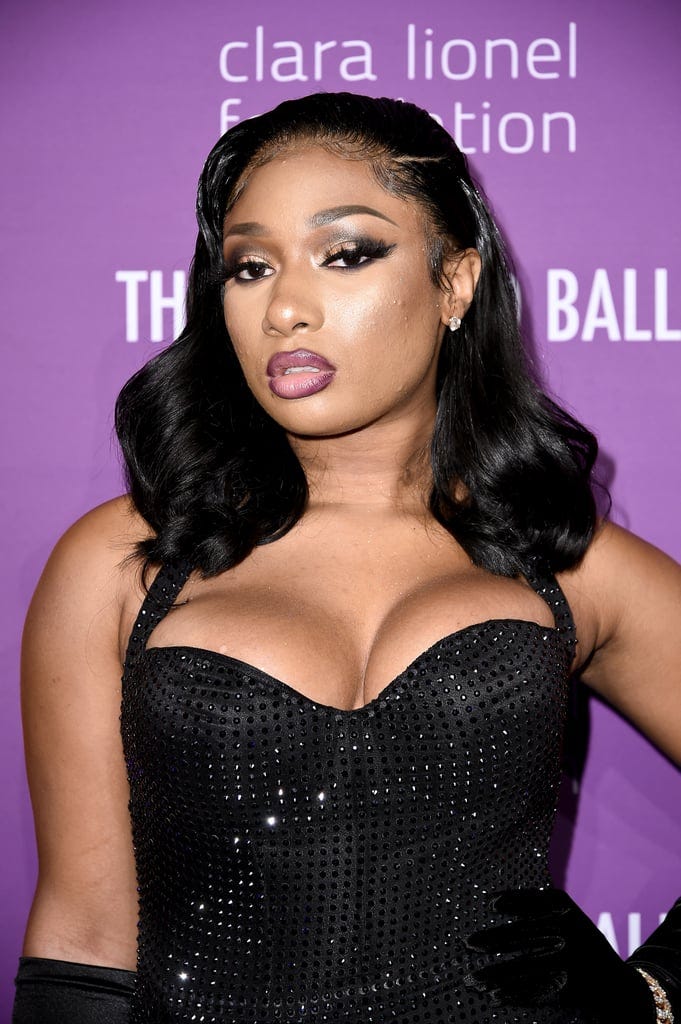
Unfortunately, she experienced domestic violence this summer. Initially, she felt hesitant to come forward. Although initially reluctant, she found her voice in speaking out against a man who shot her — Tory Lanez. On July 12, he shot her as she walked away from him; she was unarmed. As soon as the media divulged her story, my timeline became inundated with Black men denying her lived experience. They used the same “both sides” mantra that white people often use to dismiss our cries of injustice. It seems that when it comes to injustice, the Black community has a blind spot for Black women. We fall through the cracks and get disregarded as obscene or hyperbolic even in our darkest moments.
I was recently the victim of an act of violence by a man. After a party, I was shot twice as I walked away from him. We were not in a relationship. Truthfully, I was shocked that I ended up in that place. (Stallion, 2020)
While there are exceptions to every rule, I have not found one case in which Black women joined together to mock a Black man who suffered from gunshot wounds. I felt so hurt seeing them dismiss her pain, calling her manly, ugly, stupid, whorish, and bitchy. Society expects Black women to take abuse and just quietly endure it. They wanted to attack her character for speaking out about her abuse. Modern women do not adhere to the “be seen and not heard” mantra of the past. So, men need to catch up to our culture shift towards equity.
When a Black woman, like Megan Thee Stallion, speaks out, they refuse to accept her pain as valid. They use the strong Black woman trope to insist that her injuries were minor, even going so far as to insist she must deserve what happened to her. These Black men do not value the virtue of Black women.
We Need Reciprocity
In Sojourner Truth’s infamous speech, “Aren’t I a Woman?” she made a plea to suffragists and abolitionists who failed to fight for Black women’s rights. Today, I am asking Black men, “Aren’t we human?” Because ultimately, we defend our Black men, at the cost of our lives even when the very men we protect do not respect us. We deserve reciprocity.
This dynamic is not sustainable and, in its current state, leaves white supremacy an opening to maintain a wedge between our respective groups. Their apathy is unfortunate because Black men and women need one another to raise strong family units and fight colonialism.
As I discussed in, Hip-Hop and Black Women — Unrequited Love, the love Black women express for Black culture is often a one-sided deal. White supremacy has a strong, negative influence on Black culture — themes like colorism and hair texture discrimination highlight these influences. Europeanized beauty standards negatively impact interpersonal relationships between Black men and women. Negative stereotypes condition Black men to place less value on Black women.
Racism is difficult to deal with, but Black women also must reckon with sexism. Moya Bailey coined this intersection, misogynoir. Black men should acknowledge this intersection in the Black liberation movement holistically. Meg Thee Stallion’s experiences and her advocacy that followed exposed a schism within the Black community. It did so at a time when we thought we had unity.
“Self-defense is not just a set of techniques; it’s a state of mind, and it begins with the belief that you are worth defending” — Rorion Gracie (MMA, 2019).
Despite the constant negative messaging, most Black women possess deep self-love. We believe we are worth protecting and thus engage in self-defense. However, we should not be alone defending ourselves unless, ultimately, no one else values us.
Black women are not looking for a savior. However, we do need accomplices in fighting against misogynoiristic acts of cruelty and violence. Our experience with racism is unique, and we need partners that understand that.
Some people may question why Black women, after shown, such disdain would choose to defend Black men and white women. Oppression creates the idolatry of equality. We value equality because we do not have it and can see injustice clearly like black ink on white paper. To fight for equality means to take up arms against inequities wherever it is and whoever is the victim. Empathy is something Black women understand and value.
“From the moment we begin to navigate the intricacies of adolescence, we feel the weight of this threat, and the weight of contradictory expectations and misguided preconceptions. Many of us begin to put too much value to how we are seen by others. That’s if we are seen at all” (Stallion, 2020)
The Black Power Movement Fails to Prioritize Black Women
There can be no justice for black Americans unless women and girls are included in the reckoning (Winfrey-Harris, 2020).
Black women find trouble confronting misogynoir when the call is coming from inside the house. It is so much easier to look at white people and say, “They do not love us” than to look across the dinner table and say, “You do not love me.” The Black Power movement’s agenda is primarily concerned with addressing the inequities that Black men experience. Black women must stop walking on eggshells in fear of losing the support of Black men. The ones who truly support us will not stop doing so because we advocate for fair treatment.
The issue is even more intense for Black women, who struggle against stereotypes and are seen as angry or threatening when we try to stand up for ourselves and our sisters. There’s not much room for passionate advocacy if you are a Black woman (Stallion, 2020).
Historically, Black women fought for the ratification of the 15th amendment, which granted voting rights to Black men. Yet, Black men did not mount a fight to ensure voting rights for Black women. We should learn from history and address the specific inequities Black women experience.
We need more Black leaders like Malcolm X, who infamously described the Black woman as the most disrespected in America. His advocacy for Black women is an excellent example of what Black women require — a true partnership.
While not a popular character amongst white people and moderates, Malcolm X advocated for Black liberation unapologetically expressing white people’s failures to accept Black people as complete citizens. While he remains a popular reference for Black advocates, modern Black men often ignore Malcolm X’s advocacy for Black women.
When black husbands, fathers, sons, and neighbors fall victim to law enforcement, often black wives, daughters, mothers, and girlfriends pick up the pieces. They must keep families together, manage the community’s collective grief, and lead the resistance with little acknowledgment of their own mental and physical well-being or safety (Winfrey-Harris, 2020).
Black women are triage nurses of the Black community, addressing the concerns of everyone while systematically dismissed.
Meg Thee Stallion Advocates for Black Women
My initial silence about what happened was out of fear for myself and my friends. Even as a victim, I have been met with skepticism and judgment. The way people have publicly questioned and debated whether I played a role in my own violent assault proves that my fears about discussing what happened were, unfortunately, warranted (Stallion, 2020)
Like so many women who experience domestic violence, Megan felt hesitant to speak out against her abuser. Society conditioned us to stay silent about things that make others feel uncomfortable. When she discussed her experiences, people doubted her and accused her of causing her abuse. Blaming the victim is a typical response when women come forward. It is a tool to silence victims of domestic violence. I call her an unexpected hero because she confronted this violent act despite the criticisms. Her advocacy countered the narrative that women who speak about sex openly are unsuitable advocates for women’s rights.
Unfortunately, we have prioritized protecting alleged perpetrators, particularly if they are high profile performers, over protecting survivors and addressing the problem of domestic violence and sexual assault in our community (Lisa Deaderick August 30, 2020)
When we fight against racial discrimination in policing, Black men often understand the importance of looking at patterns. We know that 1 in 1000, Black men in the United States die from police brutality. However, when we discuss domestic violence, there is an inclination to avoid discussions about the negative patterns that ferment violent behaviors.
Men Mock Her Use of “Stallion”
When women choose to capitalize on our sexuality, to reclaim our own power, like I have, we are vilified and disrespected (Stallion, 2020)
Many men take issue with her nickname “Stallion,” which typically describes a male horse. What they fail to realize is that women can call themselves whatever we like. While her music contains many profanities, there are some important themes that Black men are missing.
She often talks about sex from the perspective of dominance. Her boldness makes many people feel uncomfortable. Meg Thee Stallion does not feel limited by stereotypical expectations of men. In one song, WAP, she vividly described spelling out her name during sex. Her lyrics counter the narrative that women must worship a man sexually. She has the right to define herself as a human with sexuality and thoughts and feelings.
The Advocacy of Megan Thee Stallion
Love her or hate her, Meg Thee Stallion is here to stay because she loves making music and speaking out on behalf of Black women.
I recently used the stage at “Saturday Night Live” to harshly rebuke Kentucky’s attorney general, Daniel Cameron, for his appalling conduct in denying Breonna Taylor and her family justice. I anticipated some backlash: Anyone who follows the lead of Congressman John Lewis, the late civil rights giant, and makes “good trouble, necessary trouble,” runs the risk of being attacked by those comfortable with the status quo (Stallion, 2020).
Like many Black women in America, my heart skipped a beat when I watched her performance on SNL, which I have come to adore for their Trumpian satire. In the background, I could hear Malcolm X’s voice. The love he had for Black women is remarkable and shakes me to the core. I know this type of love is possible for our Black liberation movement.
Malcolm’s words have become our battle cry, our legitimacy, and our mark. We dare Black men to oppose the great Malcolm X’s words because frankly, they would never do that. Now it is time to do more than to receive his words. It is time to live up to them.
Megan Thee Stallion raised her fist as she spoke, insisting that we should love Black women because we need Black women, and we are tired of seeing our Black men’s names in hashtags. Unlike some Black community men who stayed neutral, she condemned Daniel Cameron for failing to provide justice in Breonna Taylor’s case. The intersectionality of the topics she introduced on SNL embodied her album’s title, “Hot Girl Summer.”
I wish that every little Black girl was taught that Black Lives Matter was co-founded by Patrisse Cullors, Alicia Garza and Opal Tometi (Stallion, 2020).
Black women leaders spurred the movement that captivated the world scene. However, this is nothing new. Women like Ida B. Wells, Fannie Lou Hamer, and Shirley Chisholm lead the way. We do it all the time, but we don’t get the credit for it. The fact is we do not need the credit. But we do need the respect that comes with that fight.
There can be no justice for black Americans unless women and girls are included in the reckoning (Winfrey-Harris, 2020).
Black women are not making things up. The statistics demonstrate we become victims of violence more than any other group of people. Even within the LGBTQ+ community, Black trans women are more likely to suffer from terrible brutality forms. Shooting a Black woman should become a hate crime if prosecutors determine that the intersectionality of race and gender (misogynoir) were at play.
It is ironic that many white women traditionally lied on Black men to get them lynched, yet Black women protect Black men even when they are guilty. There is no credible reason not to return the love that Black women show to Black men. That means they must passionately advocate for us, as Malcolm X did. Let us hear your voice on this issue in the barbershop, court, and family units. We need music to reflect respect for women. We need men to stop calling other men chumps for respecting and catering to women. Enough is enough.
Looking Ahead:
Black women are imperfect, but we are worthy. We need the Black power movement to show outrage for the disparities in infant and maternal mortality. They should no longer stay quiet about little Black girls disproportionately kicked out of public schools, arrested, molested, abused, and killed.
White supremacy stripped Black women’s dignity, and Black men must counter these narratives that leave our communities in shambles. Stop defending Torey Lanez because shooting an unarmed Black woman is fundamentally wrong. Ask yourself what Malcolm X would say before you type wretched comments under Black women’s posts.
We believe that if the white man, will do whatever is necessary, to see that his woman get respect and protection, then you and I will never be recognized as men. Until we stand up like men and pays the same penalty over the head of anyone, who puts his filthy hands out, to put it in a direction of our women (Malcolm X, 1962).
Malcolm X made it clear that if Black men want recognition as men, they must respect and protect Black women. This level of advocacy is what Black men can achieve. We understand that the stereotypes and feelings they have about Black women derive from white supremacy. However, they cannot become liberated while leaving Black women in darkness.
It’s ridiculous that some people think the simple phrase “Protect Black women” is controversial. We deserve to be protected as human beings. And we are entitled to our anger about a laundry list of mistreatment and neglect that we suffer (Stallion, 2020)
Separate the rumors and negative stereotypes about Black women from the facts, our words, our beliefs, our ideals, and our passions. Too often, people dismiss our stories because stereotypes closed their minds and hearts. If you listen to her words, you will hear the remnants of the great Civil Rights Activists that came before her. I am not insinuating that she will become an all-out full-time advocate. Still, she is using her voice and power in the world to make a difference. She certainly touched my heart during her speech at SNL and subsequent interview with the New York Times. Meg Thee Stallion is a hero for Black women and the Black community. I doubt her detractors can say the same.
To answer this article’s premise, Black women protect those who do not protect them back because we believe in righteousness for righteousness’ sake. Even if no one returns the favor, we will continue to call out injustices. We believe in what we are fighting for, so it will not stop because of insults, violence, racism, or sexism. Still, I cannot help but reflect on how nice it would be for all Black women to feel love and respect in and outside their homes. Since they won’t say it, I will. No one should put Black women in a corner. We can fight our way out, but society should never have put us there in the first place.
Curated Articles about Race, Equality, Women, & Beauty:
References:
Brown, D. (2018, January 14). Martin Luther King Jr. met Malcolm X just once. The photo still haunts us with what was lost. Retrieved July 20, 2020, from https://www.washingtonpost.com/news/retropolis/wp/2018/01/14/martin-luther-king-jr-met-malcolm-x-just-once-the-photo-still-haunts-us-with-what-was-lost/
Center, B. (2020, February 26). Black Women & Domestic Violence. Retrieved October 15, 2020, from https://www.blackburncenter.org/post/2020/02/26/black-women-domestic-violence
Finoh, M., & Sankofa, J. (2020, September 28). The Legal System Has Failed Black Girls, Women, and Non-Binary Survivors of Violence. Retrieved October 14, 2020, from https://www.aclu.org/blog/racial-justice/race-and-criminal-justice/legal-system-has-failed-black-girls-women-and-non
Lisa Deaderick August 30, 2. (2020, August 30). The shooting of Megan Thee Stallion shows how Black women see a lack of sympathy as victims of violence. Retrieved October 14, 2020, from https://www.sandiegouniontribune.com/columnists/story/2020-08-30/shooting-of-megan-thee-stallion-shows-how-black-women-see-lack-of-sympathy-as-victims-of-violence
Moon, S. (2020, October 09). Rapper Tory Lanez charged in shooting of Megan Thee Stallion. Retrieved October 13, 2020, from https://edition.cnn.com/2020/10/08/entertainment/tory-lanez-megan-thee-stalling-shooting-charges-trnd/index.html
MMA, B. (2019). How self-defense classes can help you? Retrieved October 14, 2020, from https://www.bendigomma.net.au/blog/how-self-defence-classes-can-help-you
Stallion, M. (2020, October 13). Megan Thee Stallion: Why I Speak Up for Black Women. Retrieved October 13, 2020, from https://www.nytimes.com/2020/10/13/opinion/megan-thee-stallion-black-women.html
X, M. (1962, May 05). Malcolm X — Who Taught You to Hate Yourself? Retrieved October 14, 2020, from https://genius.com/Malcolm-x-who-taught-you-to-hate-yourself-annotated
Winfrey-Harris, T. (2020, June 15). The Reckoning Will Be Incomplete Without Black Women and Girls. Retrieved October 14, 2020, from https://www.theatlantic.com/ideas/archive/2020/06/revolution-will-be-incomplete-without-black-women-and-girls/613045/
If you are someone you know is the victim of domestic violence, please contact The National Domestic Violence Hotline. Their website also provides live chat 24 hours a day.
The National Domestic Violence Hotline
1–800–799–7233 (SAFE)
Author’s Note: While Black women are the primary victims of domestic violence, 12% of Black men report instances of domestic violence. They deserve respect and support.


