
Stop Trolling Black Women
Exposing the Hate-Love Relationship
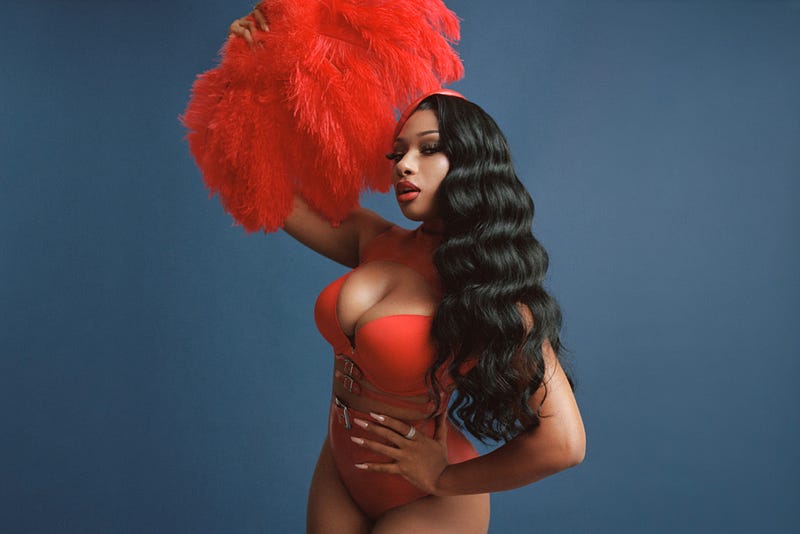
People use social media platforms to express themselves to a massive audience. Like any great invention, it can be a force for good or bad. However, the abuses on these platforms is worth fighting against. Black women are hated and loved all at once. While users love to follow them and watch their charismatic expressions, they also demonstrate hateful rhetoric that damages the self-esteem and dignity of Black women and girls.
“The data shows Black women were 84 percent more likely than White women to be disproportionately targeted. One in ten tweets mentioning Black women was abusive or problematic, compared to one in 15 for White women. Women of color were 34 percent more likely to be targeted” (Byrd, 2019).
While Black women received more abusive tweets compared to White women, Latinx women are more likely to get threats of physical [violence]; Asian women faced more ethnic, racial and religious slurs; and mixed race women faced abuse across all categories including sexism, racism, physical and sexual threats, the study found” (Byrd, 2019).
Michelle Obama once said, “When they go low, we go high,” and those words seem difficult to live up to on some days. She made a call to human decency and encouraged each and every one of us to hold ourselves up to a high moral standard. However, sometimes Black women struggle to navigate in this troll-filled world. We are human. If you cut us, we will bleed. You would think people understood this but sadly, the humanity of Black women is being denied by many groups of people.
Endurance is an indicator of strength but even that can be considered a trope because of the cruelty Black women experience. Black women are strong but not by choice. Just like every group of women, Black women want to be respected, loved, and listened to.
Too many men argue that sex has nothing to do with the treatment and lived experiences of Black women. This argument is a blatant attempt to disregard the experiences of Black women as over-the-top. Social media moguls do very little to stop the disrespect spreading on social media. Seeing this information can be harmful in the hands of young Black girls and women. We need Black male activists to acknowledge the achievements and values of Black women, to call out injustices when they see them, and fight against the stereotypes white supremacists percolate on the Internet.
Social Media is Toxic for Women of Color
Three prime examples of the recent disrespect WOC receive are the disrespect of Megan Thee Stallion, the denigration of First Lady Michelle Obama, and the preemptive attacks on the potential first Black woman Vice Presidential Nominee. Any snapshot of time would produce the same results because this type of abuse is part of a long term pattern of disrespect towards Black women.
Honestly, I do not consider myself a fan of new aged hip-hop. One toe in and one toe out is how I describe it. Like most Black women, my relationship with hip-hop is complicated. Sure, I love the 90s pro-black elements of it. However, when the genre went mainstream, Black women became the first casualty. Often portrayed as over sexual, money-hungry, and unintelligent, Black women endured. Over the years, various women came forward during the MeToo movement to discuss abuses they endured by men in the industry. Not much changed.
Seeing Black women rapping like Nicki Minaj, Cardi B, and Megan Thee Stallion gives me mixed feelings. Yes, they give voices to the video-vixen stereotype that rap artists often show off in their videos. Depending on your ideology, you may see it as exploitation or women’s liberation. I think a little bit of both is in play. Women can express themselves freely and should not be confined to European standards for their expression. However, women like Sarah Baartman make me reflect on the over-sexualization and exploitation of Black women through white supremacy. Nevertheless, as long as these women are happy, well paid, and treated respectfully, I support them.
Megan Thee Stallion
Still, despite my reservations about her, I respect her as a Black woman. She is talented and beautiful. But even if she was none of these things, I would still respect her. One of the issues that Black women face is the perception of her appearance as indicative of her ideology.
She got shot in the foot, and the internet went wild. While many people showed concern, some ugly attacks popped up, from Black men. They said that Megan looked like a man, that getting shot in the foot was not a big deal, and said getting shot ruined her tough-girl image. Their treatment of her up and down my timeline was too disrespectful. If only one man said something, I would remain unbothered. However, the prevalence of these comments disturbed me. I saw the pattern.
First off, calling a Black woman manly is an old trope to deny humanity and femininity to women. Secondly, all abuse against women is wrong. Whether a man slaps, punches, pushes, kicks, or shoots, it is an act of domestic violence. No one should undermine her experiences, her pain, and her humanity. Seeing these words from Black men hurt too much. The very activists I looked up to, agreed with, did not respect Black women. The hypocrisy cut through the screen. I wondered if these men could really fight against White supremacy when they would not face their own sexism and slay it. Worse, they did not recognize their behavior as sexist.
Lastly, They claim that getting shot jeopardized her reputation, but I’m afraid I have to disagree. In her music, she never claimed to be invincible. Critics take issue with her physical characteristics and her ambition. While ambition is usually attributed to something positive in men, Black women are often dismissed because of their assertive, direct manner of communicating.
When Black men get shot, no one mocks them. Their reputation remains intact. Growing up in New Orleans, I heard about the time Lil Wayne accidentally shot himself while listening to music. As a teenager, he really scared himself. However, nobody mocked him even though he made an accident. So, how can they mock her? After all, a man shot her. It seems that men work themselves in a frenzy about her. They love her curves, her attitude, and her sex appeal. However, they despise her independence and that she uses language that some men find inappropriate. Still, she did not promote violence, and yet, the outrage continues.
Michelle Obama
She is a strong, well-educated American leader. Her values help to bring moral clarity during these troubling times. On her podcast, First Lady Michelle talked about the pain and low-grade depression she experiences as a result of the poor pandemic management in the White House and racial reckoning. Like everyone else, she saw the recent tragedies for the Black community. Just when you need a break, another one happens. Little Black girls and their moms got assaulted by police officers in broad daylight. Her ability to communicate about these issues demonstrates her ability to lead and humanize Black women.
Still, the attacks on her continue. They call her manly and racists said she looks like a monkey. It is difficult to imagine having degrees from Princeton and Harvard, yet compared to an animal. When Black men engage in calling her manly, they perpetuate the same type of stereotypes that white supremacists use to accost us.
The Impending Black Woman VP
To indicate that any Black woman’s choice is a token is disrespecting the qualifications and worth of Black women. Yet, comments reiterated a trope that Black women must be decorative.Black women are not a monolith. To imply that Black women are window dressing is sexist and discriminatory. This sexism did not just appear recently. Still, it seems all to clear to me. Some Black men exhibit sexist and even bigoted ideology about women.
While many Black women are qualified, many people continue to denigrate their hard work, their dedication to progressive values, and their solidarity with other Black people. Critics characterized Stacy Abrams as too ambitious and Kamala as too white. Yet, we should not condemn women for showing the tenacity to lead. They deserve a platform to be heard and going forward, America needs to destroy the stigma against selecting Black women for leadership roles.
Take-Aways
“From research and analysis, we know Twitter can be a breeding ground for anti-blackness in general and venom towards black women in particular. If Twitter is unable to offer proactive protection for black women on its platform, black women should abandon it altogether” (Farmer, 2019).
In an attempt to not offend, I remained silent. However, I no longer care if they call me a feminist as if it is a derogatory term. I no longer care if anyone calls me loud, too opinionated, or not submissive enough. I will no longer remain quiet about the bigotry Black women experience. Black women deserve respect, not condemnation, dehumanization, and erasure. These petty critiques of women come from a very dark place. To combat white supremacy, we need a united front. That includes Black women. I suggest that strong Black men defend Black women even when accosted by other Black men. We know that white supremacy dominates American culture but the hate should not trickle down. This is how we create a safe environment for Black women to express themselves, free from ridicule by those in the community. In the tug-a-war between Love and Hate, I hope America turns towards Love regarding Women of Color.
For More Articles Curated in Race, Equality, Beauty, and History:
References:
Byrd, A. (2019, January 10). New Study Confirms That Black Women Are Most Abused Group on Twitter. Retrieved August 08, 2020, from https://www.colorlines.com/articles/new-study-confirms-black-women-are-most-abused-group-twitter
Farmer, J. (2019, September 07). The Online Abuse of Black Women Persists and It Needs to Be Checked. Retrieved August 08, 2020, from https://www.theroot.com/the-online-abuse-of-black-women-persists-and-it-needs-1837899002


