
Want To Create Stunning AI Images Exactly as You Imagined?
AI image generation sometimes tests your patience. Understanding the basics will help you master this art.
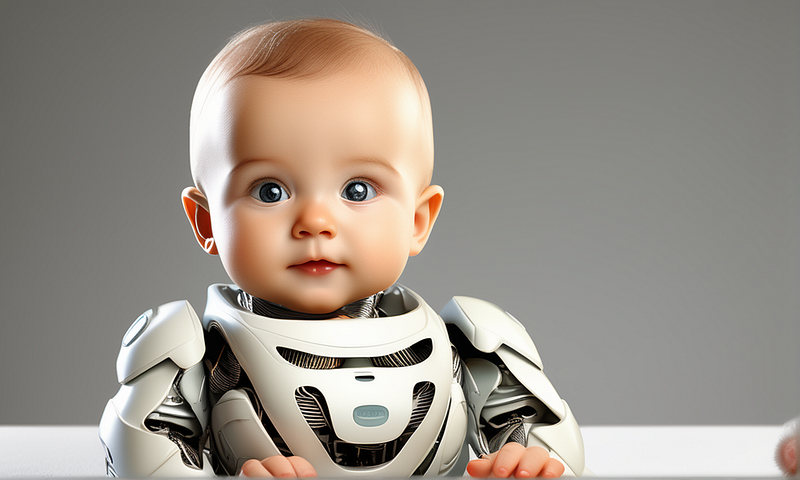
AI image creation has been a trend for the past couple of years. You can build your imagination into digital art just by text prompts. There are many platforms out there offering paid and free credits.
You can craft stunning visuals relevant to your content.
Have you ever found it difficult to get those exact images, even after several prompt attempts? This is a common hassle for most of the beginners.
Let's take an example of PlaygroundAI and discuss some fundamentals.
Subscribe to this publication for the latest updates in the world of Generative AI, ensuring you don’t miss any significant updates.
How do AI platforms generate an image from text?
We are not going to deep dive into the technology aspects since that is not required for an image creator. So how exactly do these AI models generate an image from the text?
Let's take one of the image generation models Stable Diffusion which at first generates an image of pure visual noise and then step by step reduces the noise until it gets an exact match for the given prompt text.

Let's discuss some general rules for creating the prompt.
Build your prompt from scratch.
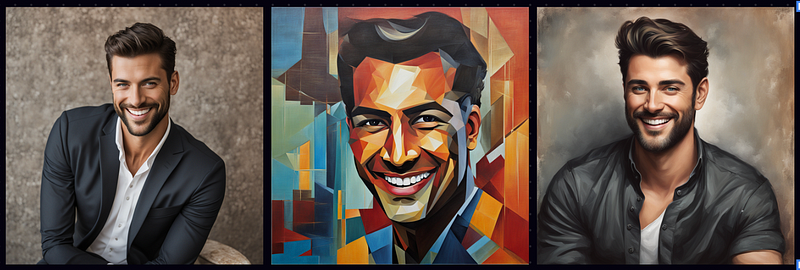
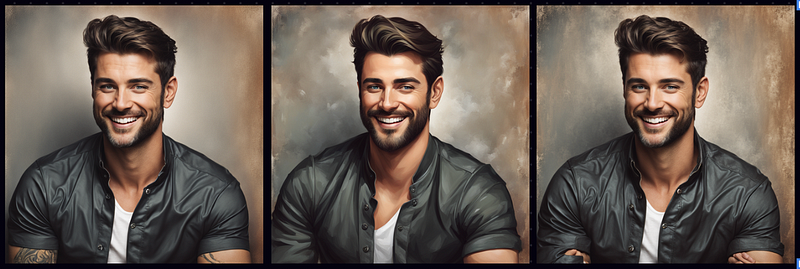
First, build a base prompt then improvise. Here are the three versions of the output based on three base prompts.
A handsome man smiling, A handsome man smiling abstract painting, A handsome man smiling artistic style.
You can see how the AI images vary according to the given prompts.
How to utilize the seeds?
Seeds are a series of numbers that guide the AI on how to generate an image. If you use the same seed, prompt, and settings, you can get the same image every time.
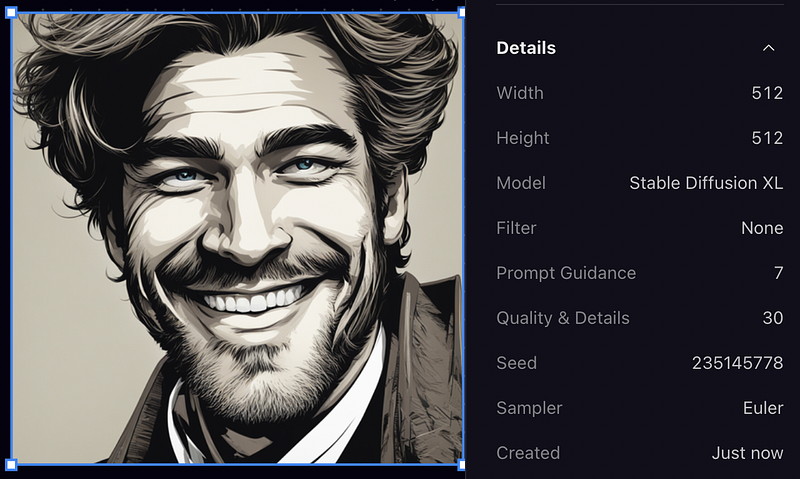
It plays a critical role in the creative process. AI artists can use different seeds to explore variations on an image or theme. So copy the seed of an image then play with individual numbers in seeds to get variations.
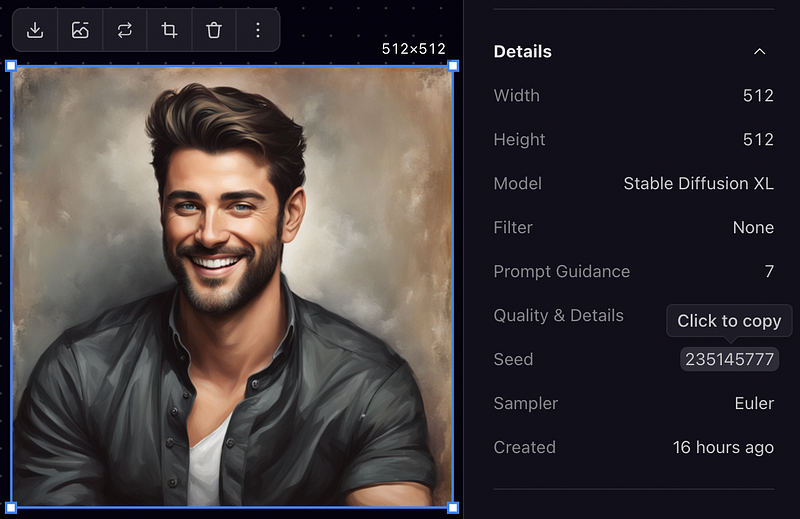
Here is the variant generated from the original seed (235145777). I just changed the last number 7 to 8 — > 235145778. Let us see the difference.
What are the negative prompts?
Negative prompts are useful when you want to exclude the details that you don't want to be in your generated images. Let's understand through one example.
You might have already noticed that AI image generators give output of human images with missing fingers, or additional fingers, etc.
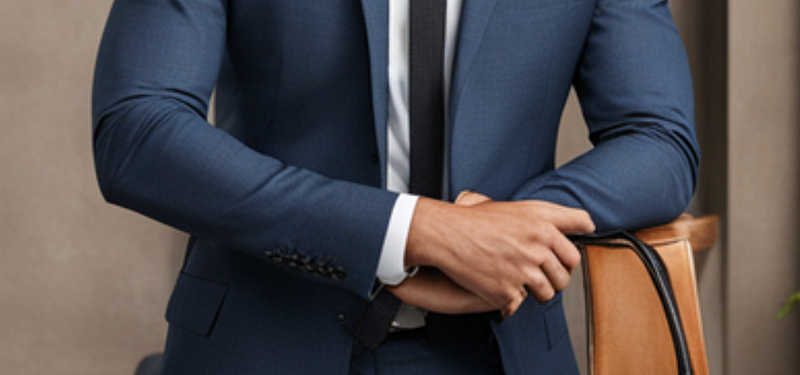
Why does it generate disfigured or missing fingers?
The reason behind this funny issue is described by some of the websites(Britannica.com) as the AI models are trained with millions of images, but most of the images display hands less visibly than they do faces … “To successfully depict hands and fingers, AI would need more reference photos with hands as the main focus.”
So you provide negative prompts to avoid those issues in Playground AI.
Examples of negative prompts: ugly, deformed, noisy, blurry, distorted, out of focus, bad anatomy, extra limbs, poorly drawn face, poorly drawn hands, missing fingers, cropped body, cropped face
Samplers. How to use it?
As we discussed already, the process of creating an image with “Stable Diffusion” starts with an initial random image with pure visual noise. Then this noise is reduced iteratively to get the final image.
This denoising or cleaning of images is termed “sampling”
There are many samplers. eg. Euler a, LMS, DDIM, DPM 2 etc. So we should learn how this choice of sampler influences the output. Let us see.
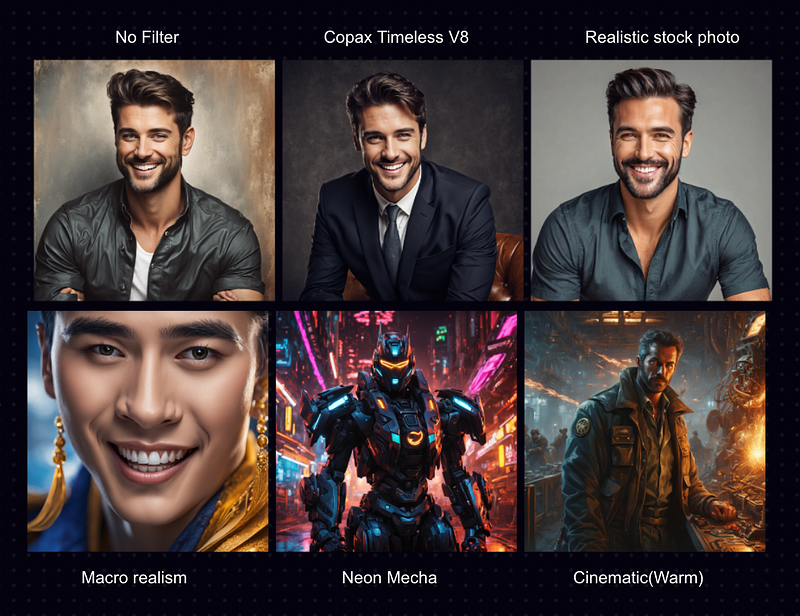
How can we use the Filter?
Filters are just like that we use in normal photo editing software. It applies a certain style to the generated image. It's very useful when we need to generate suitable images aligning with the context of our articles. Eg. Cinematic, Macro Realism, and Realistic stock photo are some of the famous filters.
This article just roughly explains the basics of how AI Images are being generated.
I‘ll come up with more articles about AI image generation in-depth and prompt engineering in platforms like Midjourney, and Dalle-E.
Stay tuned and Subscribe for the latest updates.
If you like my article, please don’t forget to support me by clapping and sharing your comments.
Here are some other articles you may be interested in:


