
The Most Beautiful Gay Film Nobody’s Ever Heard Of
‘A Home at the End of the World’ made me who I am.
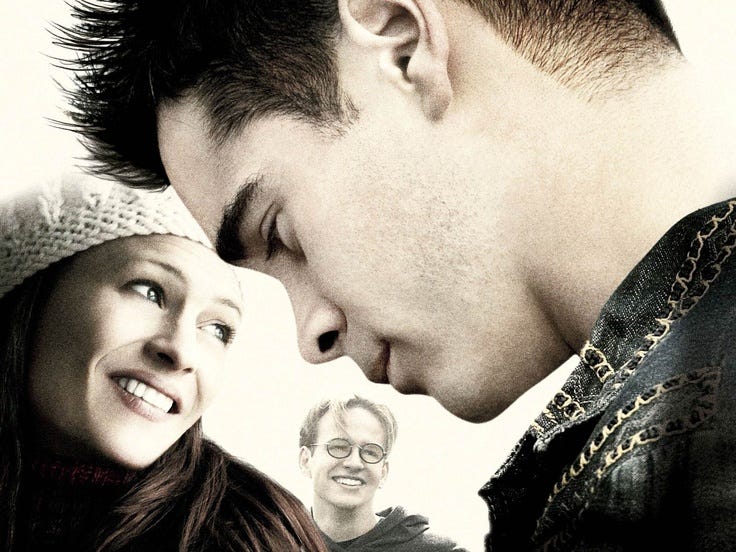
It was the first time I went to the theatre alone. I was 17, old enough to see whatever I wanted. I was a sensitive young dreamer, lusting for poetry and beauty, and I finally knew where to find it — the local arthouse cinema.
Like most queer kids on the cusp of escaping suburbia, I was thrilled at the prospect of a few unaccompanied hours, gazing at a screen and dreaming of all that lay ahead of me in “the beautiful noisy world”.
I forget if I chose the film because it was by the same author who wrote The Hours… or if I’d already heard whispers of the queer romance. But either way, it snuck into my heart, and in so many ways, it defined me.
As I’ve written before, I spent much of my 20’s dancing barefoot in a field whenever I got the chance. I was always a wildly passionate, enthusiastic, earnest person trying to contend with my increasingly ironic generation.
I always struggled to find reflections of who I was and who I wanted to be. As I’ve said before, the culture of the nineties and naughties made it seem like the only options were a very limited stereotypical queer presentation or it’s binary opposite — an apathetic, emotionally closed-off straight bro.
I was so hungry to find stories about people in between, people who didn’t fit into any cliques, who belonged to themselves and each other. Men who were loving, earnest, and full of wonder. This was the first film where I saw young men of varied sexualities with such profound yearnings for life.
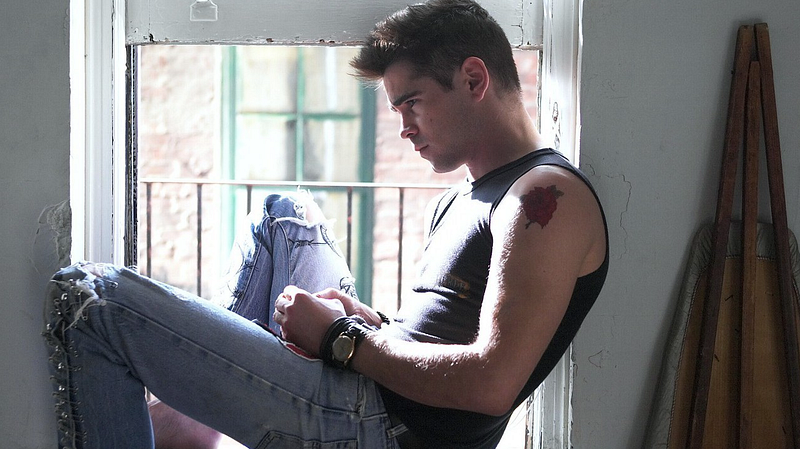
Bobby’s beautiful brother howling at the moon, saying “Hello beautiful” to a statue of an angel, made me feel like he was holding up a mirror and saying it was okay to wear my heart on my sleeve — it was okay to be me.
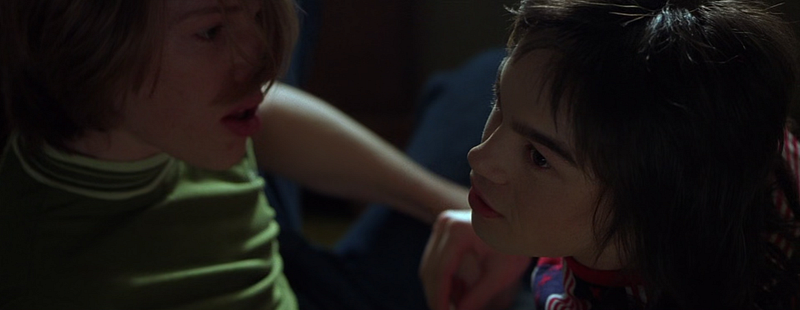
The first overtly queer moments occur between Bobby as a teenager and his new friend Jonathan. After spending a night together, as they fall asleep they say, “The Stones are coming to town next week…We gotta get tickets.”
It played like a laugh-line when I saw it in the theater, but looking back I think it was the first time I’d ever seen queer intimacy portrayed as an ordinary experience that’s folded into the rest of a person’s daily life.
A few scenes later, Jonathan’s mom catches them kissing. She struggles to process her shock, but when Bobby offers to leave, she instead retorts— “Want to learn how to bake a pie?” I don’t think I’d ever seen a parent so tenderly make their gay child’s partner feel like part of the family.
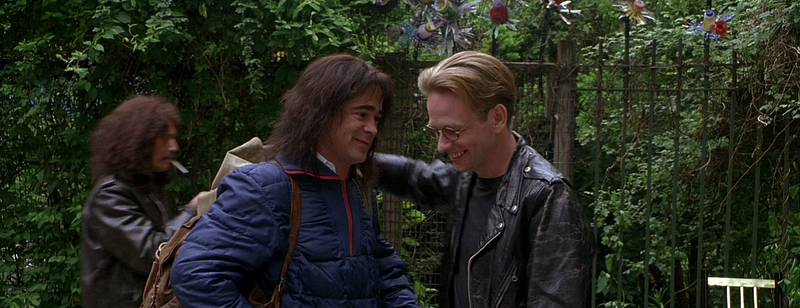
This film was probably my first glimpse at the fluidity of identity. As young adults, Bobby and Jonathan’s connection is not sexual, and Bobby’s identity is never clearly labeled. But their bond is deeply tender and romantic.
When Jonathan gives Bobby an old Leonard Cohen record as he stirs a pot of spaghetti on the stove, Bobby gives him a kiss on the lips and says — “We could polish off a bottle of Chianti and listen to Suzanne like ten times!”
I must have rewatched that brief moment over and over again. It was such a moving glimpse of romantic male affection — a hearty, joyful, bohemian sensibility I was so keen to internalize and emulate. I couldn’t wait to go to New York, and listen to old jazz, and drink red wine, and kiss men I loved.
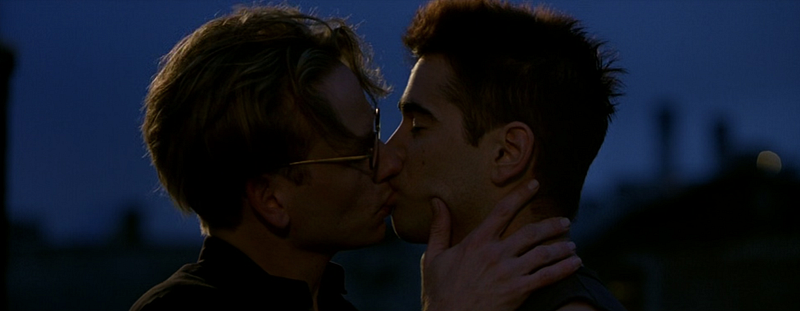
The most iconic scene is when they slow-dance on a New York rooftop to the distant sound of a Mozart opera from a neighboring window. Bobby kisses Jonathan, Jonathan asks “What are you doing?” and Bobby replies “Just a little kiss between brothers. Nothing wrong with that.”
This is the one moment that gave me pause when I rewatched it. Because I admit, I’ve been heartbroken by many sexually fluid men who didn’t clearly define their limits until I was already in too deep. I could imagine myself in Jonathan’s shoes, with more than a few clarifying questions.
The false choice I’ve often faced, and which Jonathan appears to be facing, is: “Savor this profound connection with this man who doesn’t want to have sex, because the guys who want to have sex are just empty hook-ups”…as if we can’t have the best of both — intimacy with someone who loves us.
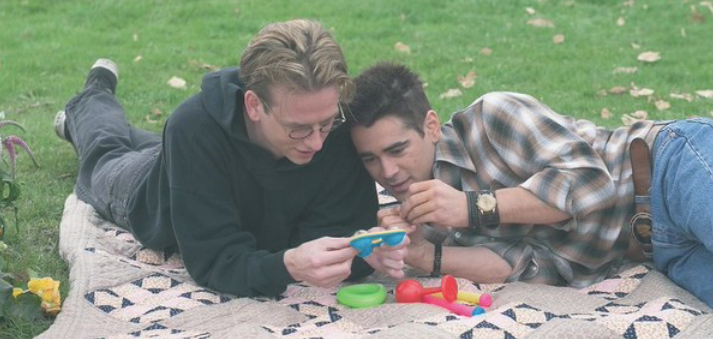
But despite my concerns about how my own heart would fare in this kind of dynamic, there’s still something about it that’s deeply appealing. I’ve always hoped we could live in a world where men are encouraged to love each other tenderly regardless of labels or identity.
Bobby never claims a label, but he and Jonathan raise a child together, and they dance with each other with such loving abandon that their partner Claire remarks — “Bobby is the great love of your life.”
Whatever ups and downs are bound to happen, whatever particular rules or boundaries would have to be established in this kind of relationship, I was always enchanted by the idea that men of disparate sexualities could love each other that much. It still feels like something to strive for.
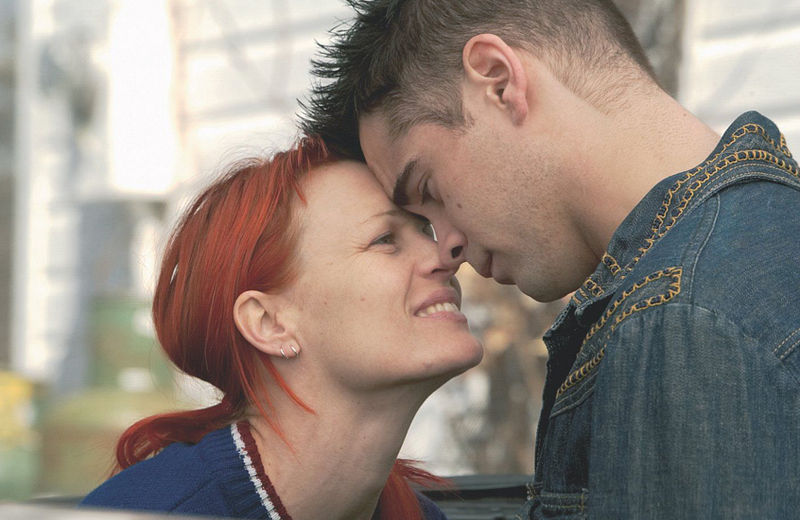
Jonathan and his friend Claire try to have a baby. When Bobby moves in, he and Claire fall in love. When she finds out she’s pregnant and she’s not sure which one of them is the father, they all decide to raise the child together.
As I write this now, I realize this part of the plot can be a source of healing for the heartache I alluded to earlier. Whether we have one partner, or two, or just a serious love affair with ourselves — all of that is more than okay.
Pain arises when people have conflicting expectations that aren’t properly communicated, or when we convince ourselves we need something from a person who has nothing to offer us, or when our notion of what somebody else thinks of us eclipses our own confident sense of ourself.
But as long as there is clear communication, and each partner is generous and receptive, and each person’s love is emboldened with ample self-love — then there’s no rules about what kind of relationship is best for anyone.
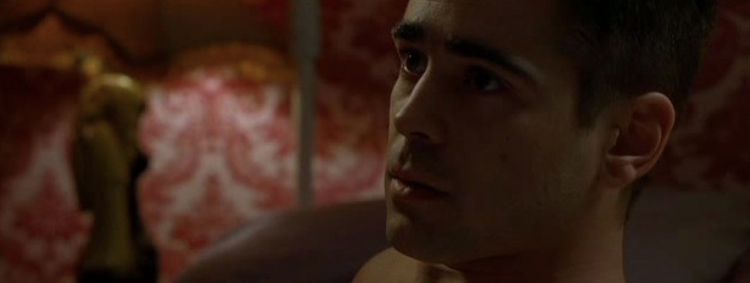
I think what’s stuck with me the most about this film is the lead character’s profound optimism — the way he translates a painful history of familial loss into a generous, loving, entirely positive worldview.
I’ve written about my time in the hospital when I discovered I’m diabetic, and how that experience really helped me exercise my optimism. I learned to greet other people’s condolences with genuine gratitude for being alive.
It was only a few months later that my mom died of lung cancer, and I tried again to let this experience remind me how precious and fleeting life is, and to really savor every second as joyously and gratefully as possible.
And of course, that time around, the well-intentioned optimism had a limit, and I found myself twisted in knots, unable to feel any joy because I wasn’t allowing myself to feel any pain. It’s been one of the great lessons of my life to understand that grief is not a waste of my time — grief is love.
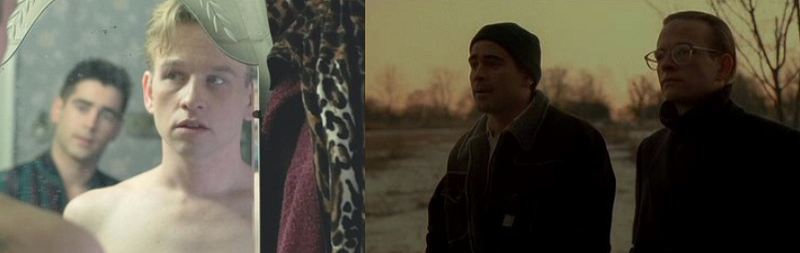
But I still feel like the inevitability of loss affords me great joy. Almost every night, as I get ready for bed, I remember I’m going to die someday, and suddenly all the daily concerns fall away and I find myself buzzing with an almost hyperactive excitement because I’m so overjoyed to still be alive.
My new TV pilot For Years to Come centers on many of these themes. And while the creative reference are mostly other TV shows, it’s so moving for me to look back and realize how much A Home at the End of the World has taught me about finding joy and beauty on the other side of grief.
Now, it should be noted that the one confirmed gay character in this film does contract HIV/AIDS by the end, which could certainly feel like a trope, and certainly adds a difficult new layer to the dynamic I mentioned before, about his primary romantic companion not being a sexual partner.
But what makes an AIDS-diagnosis in a queer film tiresome is the idea that our lives are inherently tragic and there’s nothing else to say about us — and that’s not the case here. These people evoke so much more than pity. They are vibrant and loving, and their story is one of hope and possibility.
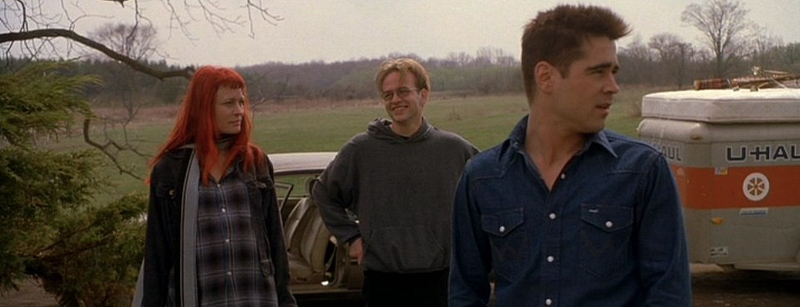
This is probably the first indie character-drama I ever fell in love with, only to discover years later it had a less than favorable Rotten Tomatoes score. I can spot some flaws now, but I still hold the film very close to my heart.
Looking back at the canon of queer cinema that’s been made in the 20 years since this film came out, I still so rarely see movies about loving, optimistic queer adults. I truly don’t know why more folks don’t know about this film.
As I’ve said before, it was easy to think that queerness was generally absent from the cinema of my youth, and that I struggled to cultivate confidence and self-love because I never saw nuanced reflections of myself.
So it’s been very empowering to remember just how many unapologetically earnest, romantic, poetic queer characters were right there in the films I loved the most. They’ve always been there for me, and they always will be.
Check out this new story about the time I shared all of the above on a first date:


