avatarJames Patrick Nelson

Free AI web copilot to create summaries, insights and extended knowledge, download it at here

4744

Abstract

lt of the capitol, that is my choice.”</i></p><p id="c15e">I guess I overlooked the lines that follow — <i>“If it is a choice between Richmond and death, I choose death.”</i></p><figure id="4467"><img src="https://cdn-images-1.readmedium.com/v2/resize:fit:800/1*2bQhlDpT5HG1CIp8RxRExw.png"><figcaption></figcaption></figure><p id="712f">The film inspired me to savor the beauty of life. And it continues to be a profound meditation on the artist’s relationship with her characters and her readers. But I can’t help struggling with its <a href="https://readmedium.com/im-living-a-life-that-would-make-harvey-milk-proud-01cce219870e">romantic gaze at suicide</a></p><p id="0585" type="7">“Someone has to die so that the rest of us may value life more.”</p><p id="cbd8">How do I accept the fact that two of the films that inspired me most as a kid were <i>both</i> about queer artists who drowned themselves?</p><figure id="72b0"><img src="https://cdn-images-1.readmedium.com/v2/resize:fit:800/1*e0IHarRXOQ_av8G319NrPQ.png"><figcaption></figcaption></figure><h2 id="2b68">And then there are the murderers!</h2><p id="d0a3"><b><i>The Talented Mr. Ripley</i> </b>came out when I was 13, a newly pubescent teen — so needless to say, I was enchanted by these beautiful young men frolicking in sun-kissed Italian vistas. It’s a deeply sensual, intoxicating film.</p><figure id="10b8"><img src="https://cdn-images-1.readmedium.com/v2/resize:fit:800/1*VFjWjBHOQBRpsjqCjAECAA.png"><figcaption>“The Talented Mr. Ripley” (IMDb)</figcaption></figure><p id="dbfe">Tom Ripley’s relationship with Peter Smith Kingsley is the first reciprocal romantic queer flirtation I ever saw on film. I like to believe if they had met just a little sooner, none of the murders would have taken place.</p><p id="15c9">Unlike the protagonist in <b><i>Saltburn</i></b>, Ripley never planned a killing spree. He lost control when the object of his desire rejected him. His subsequent acts of violence are desperate attempts to cover his tracks. The tragedy is that by the end, he’s so entrenched in his deceit, the only way he can stay out of jail is to kill the one man who actually loves him for who he really is.</p><figure id="60c3"><img src="https://cdn-images-1.readmedium.com/v2/resize:fit:800/1*YroC3_dRYKngq3JEXM0DqQ.png"><figcaption>“The Talented Mr. Ripley” (IMDb)</figcaption></figure><p id="0616">… But whether or not you want to debate any of that, the point is…<i>why am I forced to defend a murderer?!</i> Why was the only romantic gay love-interest I ever saw in a late-90’s Hollywood movie a serial killer?!</p><p id="5708"><b><i>American Beauty</i></b> came out the same year, and was an instant classic…It’s hard to get over the fact that this incredibly formative movie was about Kevin Spacey seducing a teenager, but that’s a subject for another day.</p><figure id="b86b"><img src="https://cdn-images-1.readmedium.com/v2/resize:fit:800/1*-7_xeLUM5nyqSs0BFExVnA.png"><figcaption>“American Beauty” (IMDb)</figcaption></figure><p id="8cf6">I was captivated by the visceral, lyrical story about people desperate to shake off suburban complacency and cherish the beauty of life. We know Lester is going to die, so the film unfolds like a murder-mystery!</p><p id="ad55">And of course, the killer turns out to be the grossly homophobic man next door, who — you guessed it!— is actually gay himself.</p><figure id="db47"><img src="https://cdn-images-1.readmedium.com/v2/resize:fit:800/1*IMfGrqpSG49bceuZQ-RoiQ.png"><figcaption>“American Beauty” (IMDb)</figcaption></figure><p id="4e2d">How do I accept the fact that two of the most meaningful and inspiring films for me as a kid were <i>both</i> about homicidal queers?</p><h2 id="8556">The more things changed, the more they stayed the same.</h2><p id="3426">As I moved from high school to college, the suicide rate among LGBTQ+ protagonists went down, but the murder rate did not. Queers were allowed to be the hero, but they rarely made it out alive.</p><figure id="e7f4"><img src="https://cdn-images-1.readmedium.com/v2/resize:fit:800/1*kf3DYxoyV9JjhxkcP4W_fQ.png"><figcaption>“Milk” (IMDb)</figcaption></figure><p id="6fc3"><b><i>Brokeback Mountain</i></b> was an achingly beautiful love story … about men kept apart by a homophobic culture until one of them is murdered. <b><i>Milk</i></b> was an inspiring story about queer people standing up to bigotry, with an heroic gay protagonist … who, of course, <i>still</i> gets killed in the end.</p><p id="f75d">Of all the <a href="https://readmedium.com/an-out-gay-man-has-not-been-nominated-for-best-actor-in-26-years-ee31141e8427">queer male roles that earned a Best Actor nomination the past 15 years</a>, Elio in <b><i>Call Me By Your Name</i></b> is the

Options

<i>only</i> one who doesn’t die.</p><figure id="3749"><img src="https://cdn-images-1.readmedium.com/v2/resize:fit:800/1*MmV0RvVabadG-hg9GCFEWw.png"><figcaption>“Call Me by Your Name” (IMDb)</figcaption></figure><p id="c001">As I’ve said before, <a href="https://readmedium.com/technicolor-straight-people-f3bd70b39079">I still adore these films</a>. But the question I’m grappling with is — What has been the emotional impact of growing up in a culture where movies only showed people like me if, in the end, we were either a monster or a corpse?</p><p id="52e9">And why’d it take me so long to notice?</p><div id="ab63" class="link-block"> <a href="https://readmedium.com/the-most-beautiful-gay-film-that-nobodys-ever-heard-of-215df63375bb"> <div> <div> <h2>The Most Beautiful Gay Film That Nobody’s Ever Heard Of</h2> <div><h3>How “A Home at the End of the World” Made Me Who I Am.</h3></div> <div><p>medium.com</p></div> </div> <div> <div style="background-image: url(https://miro.readmedium.com/v2/resize:fit:320/1*8lXiJMfwFY7MB0ReFJbW-w.png)"></div> </div> </div> </a> </div><h2 id="76bd">Queerness as Conflict</h2><p id="d535">As calls for representation grow louder, it’s striking how rarely a queer character is allowed to just exist, without their queerness being the cause of all the drama … even in many of this year’s most buzzed-about films — <b><i>Rustin</i></b>, <b><i>Maestro</i></b>, <b><i>All of Us Strangers</i></b>, <b><i>Saltburn</i></b>, etc.</p><figure id="f05e"><img src="https://cdn-images-1.readmedium.com/v2/resize:fit:800/1*4mNfZzy5LONGA9vlRXsl5A.jpeg"><figcaption>Top (Left to Right): Virginia Woolf, Harvey Milk, James Whale, Diana Nyad. Bottom (Left to Right): Leonard Bernstein, Nathaniel Leopold and Richard Loeb, Bayard Rustin. (Collage created by the author)</figcaption></figure><p id="b70c">Of course, many of the films I’ve mentioned are about real people — James Whale, Virginia Woolf, Harvey Milk, Bayard Rustin, Leonard Bernstein — even Leopold and Loeb, the killers who inspired <b><i>Rope</i></b>.</p><p id="1267">The filmmakers are naturally obliged to honor the details of that person’s life, including the bigotry they suffered, the addictions they tackled, the crimes they committed, or their potential murder or suicide.</p><p id="94ae">If these elements feel stigmatizing or stereotypical in a queer person’s biography, it doesn’t mean their story isn’t worth telling. It doesn’t negate the brilliance of their artistry or activism.</p><p id="74f6">And no one’s denying a good story demands high-stakes conflict. But why do we train our eye so often to people with a tragic downfall? <i>Why</i> does “someone have to die so the rest of us may value life more”?</p><figure id="937e"><img src="https://cdn-images-1.readmedium.com/v2/resize:fit:800/1*DC1v9pWtvk6OR7wkZvhn2w.png"><figcaption>“Nyad” (IMDb)</figcaption></figure><p id="0d2c"><b><i>Nyad</i></b> is a biopic about a 60-something-year-old woman fighting to achieve her life-long dream of swimming from Cuba to Florida. It’s suspenseful, thrilling, and the rare film with queer heroes ending in triumph!</p><p id="0a93">The characters’ queerness is just an inevitable, natural part of the larger whole. Homophobia is never the conflict — swimming for 53 hours in a freezing ocean full of jellyfish is the conflict!</p><h2 id="7a76">We’ve gone from drowning in a pool to conquering the Atlantic.</h2><figure id="2612"><img src="https://cdn-images-1.readmedium.com/v2/resize:fit:800/1*GDX9hubQ_0_En4gfYYSkeg.png"><figcaption>“Nyad” (IMDb)</figcaption></figure><p id="6fd7">Queer folks will always demand a lot from our stories, because they still get told so rarely. No story will ever encompass all of our experiences because they are infinite. And no filmmaker can ever predict if their story, which feels revelatory in the moment, may be problematic with retrospect.</p><p id="8b01">All we can do is savor the best of what we got!</p><p id="c56c">My heart still pines for Ripley’s silky saxophone and the deep blue slopes of Brokeback Mountain. I’m still deeply inspired by Milk’s radical message of hope, and Whale’s unapologetic spirit of freedom.</p><p id="7eb4"><a href="https://readmedium.com/im-living-a-life-that-would-make-harvey-milk-proud-01cce219870e">And when I think about the boy I used to be</a>…and I worry about him sitting in a theatre, internalizing the idea that people like him are all unlovable and end up dead…the message of <b><i>The Hours</i></b> comes back to me…</p><p id="2a8d" type="7">… it was death… I chose life.</p></article></body>

The Gays Who Lived: A History of Queer Murders and Suicides on Film

How do we reckon with this frustrating cinematic trope?
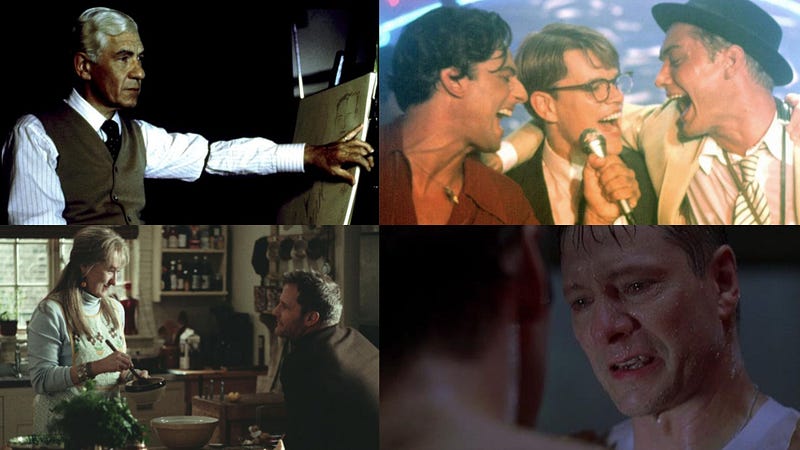
“Gods and Monsters,” “The Talented Mr. Ripley,” “The Hours,” and “American Beauty” (Photos from IMDb)

Read to the end for full context… Also, spoilers ahead!

I craved queerness on screen as a kid. I was under the impression I never got it … but I just realized there were queer characters in all of my favorite films from when I was a teenager first falling in love with cinema.

I was drawn to the beautiful performances and powerful stories. And since I never saw myself in the stereotypes TV was serving us back then, I quietly savored seeing queer people in more nuanced, poetic worlds.

But looking back, I’ve got questions …

The Hays Code of 1934–1968 forbade any inference of “sex perversion” on screen. If a queer character appeared in that era, they killed themselves (“The Children’s Hour”) or they were villains brought to justice (“Rope”).

Thirty years after the code was abandoned, had things really changed?
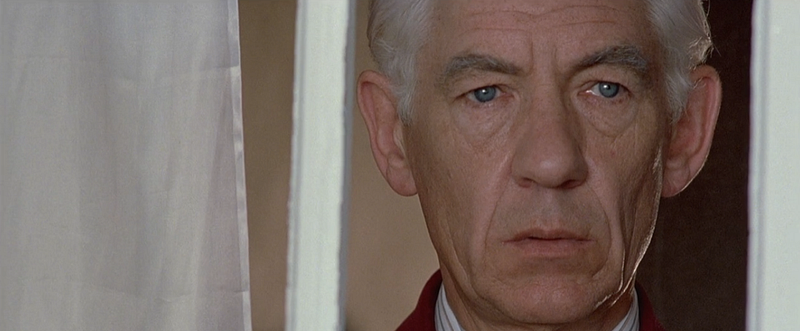
“Gods and Monsters” (IMDb)

First there were the tragic suicides.

My article below makes reference to Gods and Monsters, a semi-fictional drama about horror-movie director James Whale, who at the onset of dementia, haunted by memories of the First World War, befriends his smoldering (and initially homophobic) gardener Clayton.

I saw the movie when I was 12, and it was probably the first time I ever saw a nuanced, non-stereotypical portrayal of a gay person in a leading role. It was such an achingly beautiful, lyrical, poetic story of friendship …

And the character engages in sexual assault, kissing and groping the young man without consent. Of course, I regard that sort of content much more critically as an adult. Though I don’t believe the film means to perpetuate stereotypes about gay men being predators…the character means to.
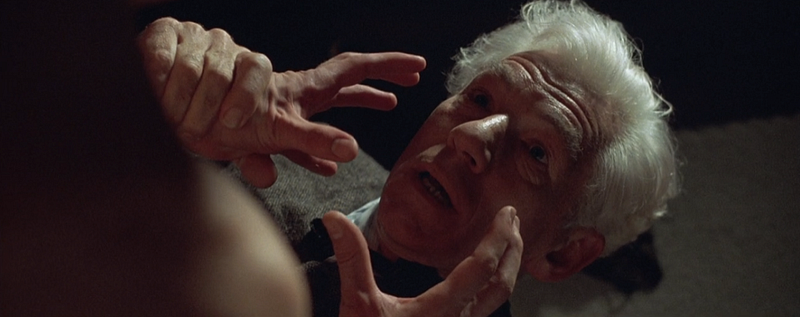
“Gods and Monsters” (IMDb)

The film is about an artist regarding his life with the same aesthetic lens as his art. He takes that too far when he manipulates people in his life, like actors in a film, toward his own narrative ends. The assault is meant to provoke Clayton to kill him, and spare him the agony of losing his mind.

So with retrospect, can I still cherish those complexities, and marvel at the colossal performances? Can this climax be viewed with a comparative lens, considering how peripheral most other queer characters were in the 90's?

It’s frustrating the options were so slim back then that I’m forced to ask that question in the first place. And either way, it’s still heartbreaking to see this rare (if imperfect) queer protagonist end up dead in the swimming pool.
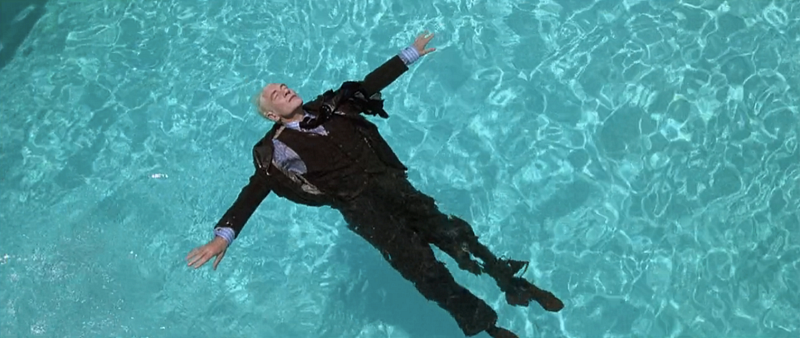
“Gods and Monsters” (IMDb)

The Hours came out when I was in high school. I was deeply moved by the beautiful performances, intricate narrative structure, and powerful music. I told a friend recently how this movie shaped my worldview, and she said “A film about suicidal lesbians shaped your worldview?” And we laughed.

But truly, I remember being galvanized by Virginia Woolf’s insistence — “I choose not the suffocating anesthetic of the suburbs, but the violent jolt of the capitol, that is my choice.”

I guess I overlooked the lines that follow — “If it is a choice between Richmond and death, I choose death.”
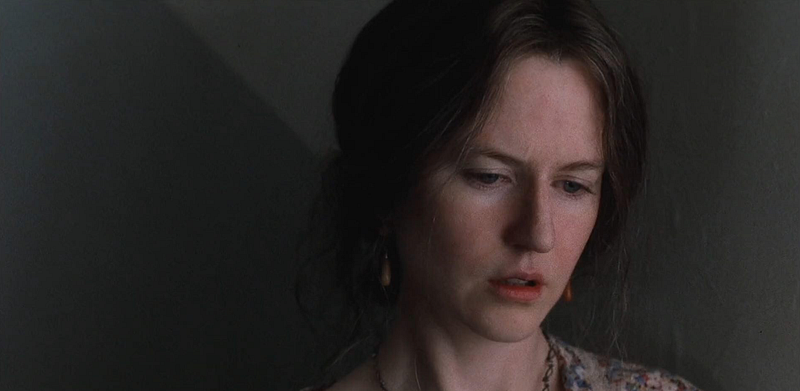
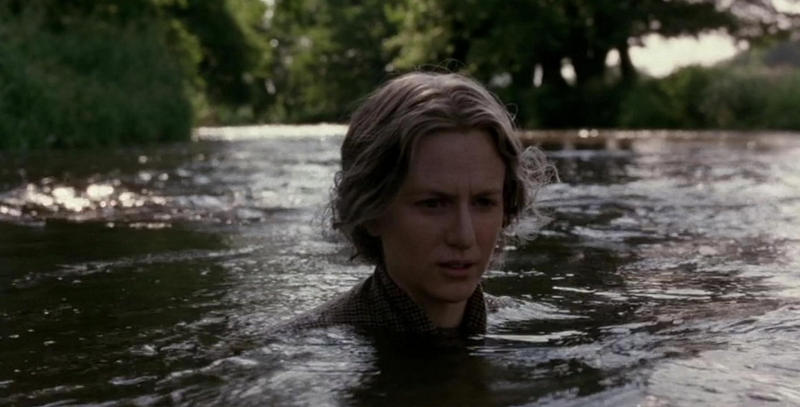
The film inspired me to savor the beauty of life. And it continues to be a profound meditation on the artist’s relationship with her characters and her readers. But I can’t help struggling with its romantic gaze at suicide

“Someone has to die so that the rest of us may value life more.”

How do I accept the fact that two of the films that inspired me most as a kid were both about queer artists who drowned themselves?
And then there are the murderers!

The Talented Mr. Ripley came out when I was 13, a newly pubescent teen — so needless to say, I was enchanted by these beautiful young men frolicking in sun-kissed Italian vistas. It’s a deeply sensual, intoxicating film.
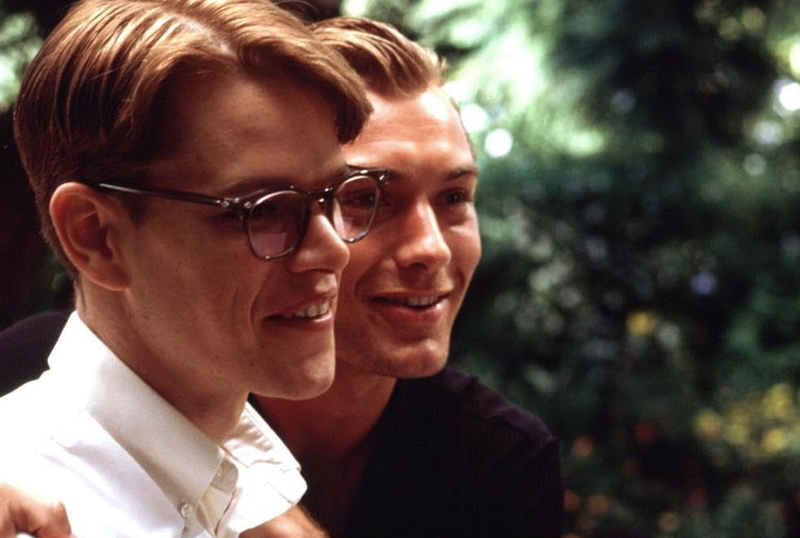
“The Talented Mr. Ripley” (IMDb)

Tom Ripley’s relationship with Peter Smith Kingsley is the first reciprocal romantic queer flirtation I ever saw on film. I like to believe if they had met just a little sooner, none of the murders would have taken place.

Unlike the protagonist in Saltburn, Ripley never planned a killing spree. He lost control when the object of his desire rejected him. His subsequent acts of violence are desperate attempts to cover his tracks. The tragedy is that by the end, he’s so entrenched in his deceit, the only way he can stay out of jail is to kill the one man who actually loves him for who he really is.
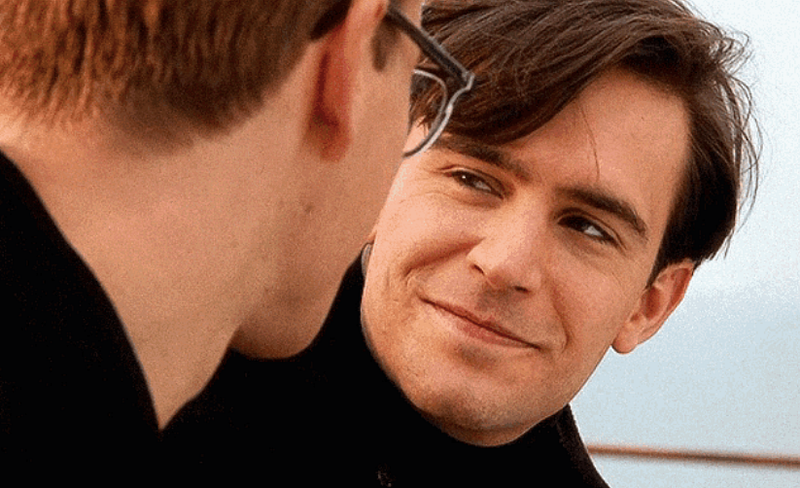
“The Talented Mr. Ripley” (IMDb)

… But whether or not you want to debate any of that, the point is…why am I forced to defend a murderer?! Why was the only romantic gay love-interest I ever saw in a late-90’s Hollywood movie a serial killer?!

American Beauty came out the same year, and was an instant classic…It’s hard to get over the fact that this incredibly formative movie was about Kevin Spacey seducing a teenager, but that’s a subject for another day.
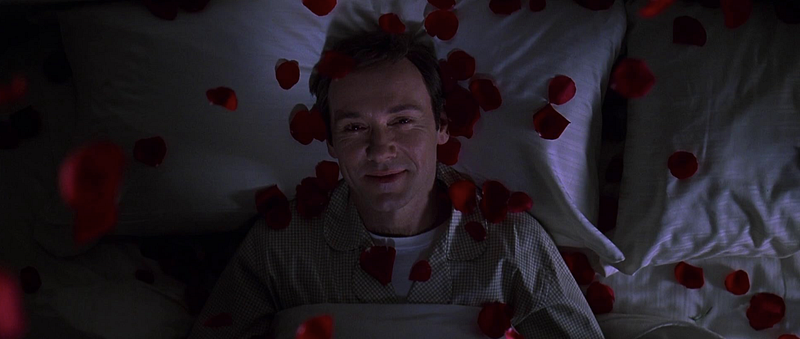
“American Beauty” (IMDb)

I was captivated by the visceral, lyrical story about people desperate to shake off suburban complacency and cherish the beauty of life. We know Lester is going to die, so the film unfolds like a murder-mystery!

And of course, the killer turns out to be the grossly homophobic man next door, who — you guessed it!— is actually gay himself.
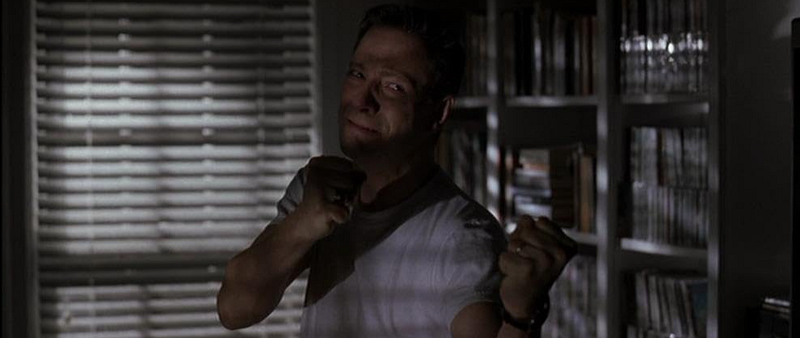
“American Beauty” (IMDb)

How do I accept the fact that two of the most meaningful and inspiring films for me as a kid were both about homicidal queers?

The more things changed, the more they stayed the same.

As I moved from high school to college, the suicide rate among LGBTQ+ protagonists went down, but the murder rate did not. Queers were allowed to be the hero, but they rarely made it out alive.
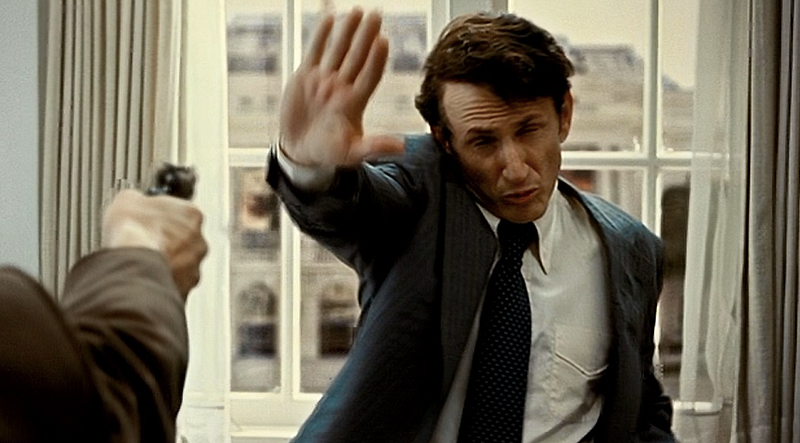
“Milk” (IMDb)

Brokeback Mountain was an achingly beautiful love story … about men kept apart by a homophobic culture until one of them is murdered. Milk was an inspiring story about queer people standing up to bigotry, with an heroic gay protagonist … who, of course, still gets killed in the end.

Of all the queer male roles that earned a Best Actor nomination the past 15 years, Elio in Call Me By Your Name is the only one who doesn’t die.
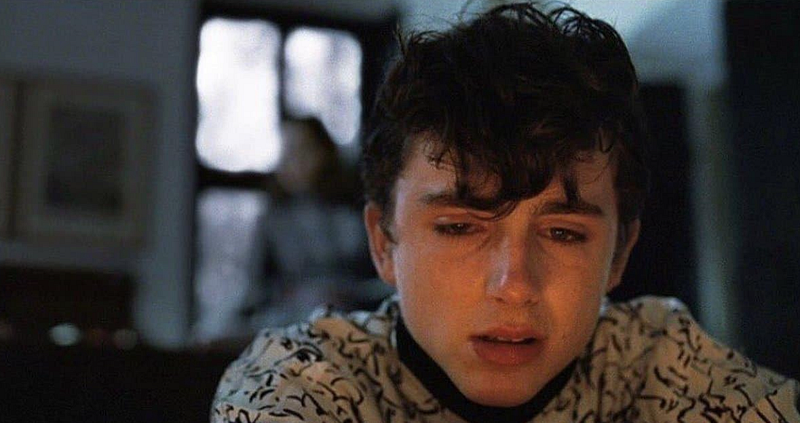
“Call Me by Your Name” (IMDb)

As I’ve said before, I still adore these films. But the question I’m grappling with is — What has been the emotional impact of growing up in a culture where movies only showed people like me if, in the end, we were either a monster or a corpse?

And why’d it take me so long to notice?

Queerness as Conflict

As calls for representation grow louder, it’s striking how rarely a queer character is allowed to just exist, without their queerness being the cause of all the drama … even in many of this year’s most buzzed-about films — Rustin, Maestro, All of Us Strangers, Saltburn, etc.
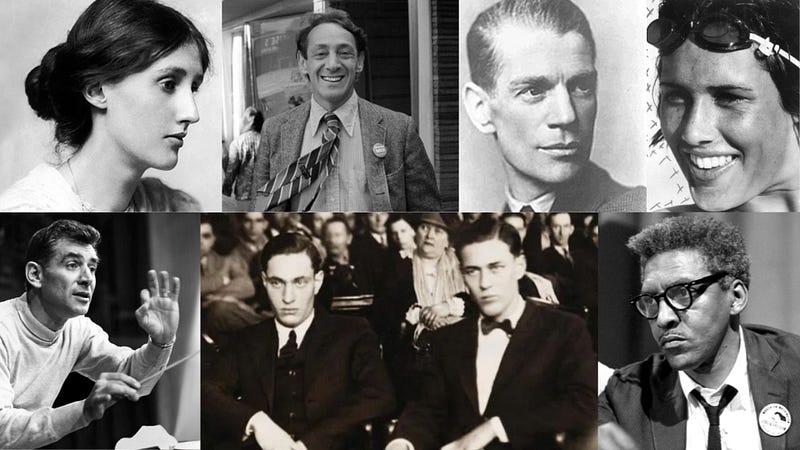
Top (Left to Right): Virginia Woolf, Harvey Milk, James Whale, Diana Nyad. Bottom (Left to Right): Leonard Bernstein, Nathaniel Leopold and Richard Loeb, Bayard Rustin. (Collage created by the author)

Of course, many of the films I’ve mentioned are about real people — James Whale, Virginia Woolf, Harvey Milk, Bayard Rustin, Leonard Bernstein — even Leopold and Loeb, the killers who inspired Rope.

The filmmakers are naturally obliged to honor the details of that person’s life, including the bigotry they suffered, the addictions they tackled, the crimes they committed, or their potential murder or suicide.

If these elements feel stigmatizing or stereotypical in a queer person’s biography, it doesn’t mean their story isn’t worth telling. It doesn’t negate the brilliance of their artistry or activism.

And no one’s denying a good story demands high-stakes conflict. But why do we train our eye so often to people with a tragic downfall? Why does “someone have to die so the rest of us may value life more”?
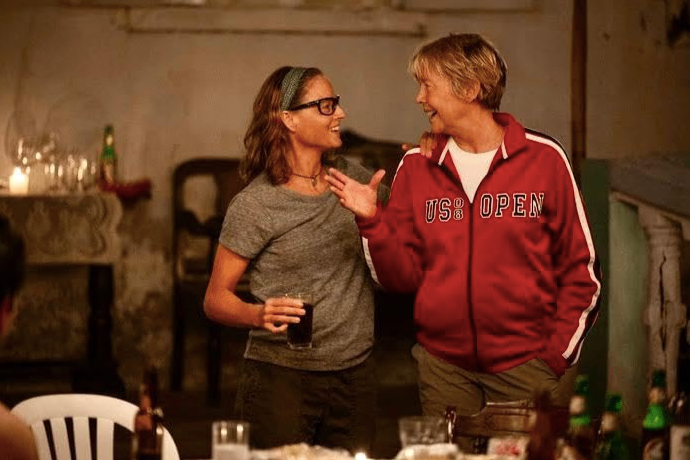
“Nyad” (IMDb)

Nyad is a biopic about a 60-something-year-old woman fighting to achieve her life-long dream of swimming from Cuba to Florida. It’s suspenseful, thrilling, and the rare film with queer heroes ending in triumph!

The characters’ queerness is just an inevitable, natural part of the larger whole. Homophobia is never the conflict — swimming for 53 hours in a freezing ocean full of jellyfish is the conflict!

We’ve gone from drowning in a pool to conquering the Atlantic.
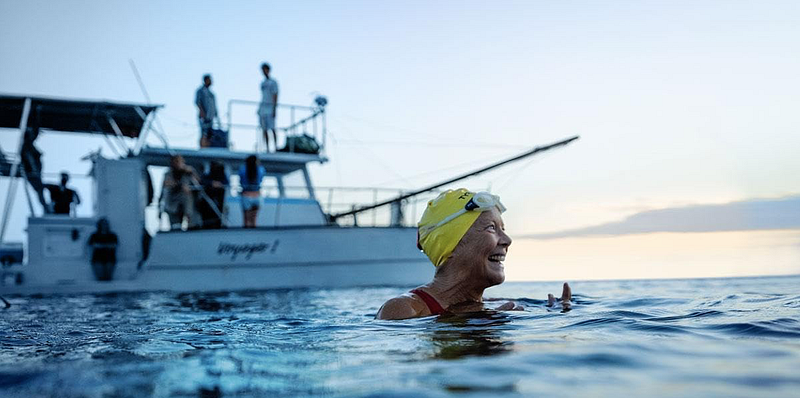
“Nyad” (IMDb)

Queer folks will always demand a lot from our stories, because they still get told so rarely. No story will ever encompass all of our experiences because they are infinite. And no filmmaker can ever predict if their story, which feels revelatory in the moment, may be problematic with retrospect.

All we can do is savor the best of what we got!

My heart still pines for Ripley’s silky saxophone and the deep blue slopes of Brokeback Mountain. I’m still deeply inspired by Milk’s radical message of hope, and Whale’s unapologetic spirit of freedom.

And when I think about the boy I used to be…and I worry about him sitting in a theatre, internalizing the idea that people like him are all unlovable and end up dead…the message of The Hours comes back to me…

… it was death… I chose life.

Gay
Movies
Culture
LGBTQ
Equality
Recommended from ReadMedium