
If The Dead Poets Had Lived — They’d Be Like Me!
A gay kid finds out heartache and joy go hand-in-hand
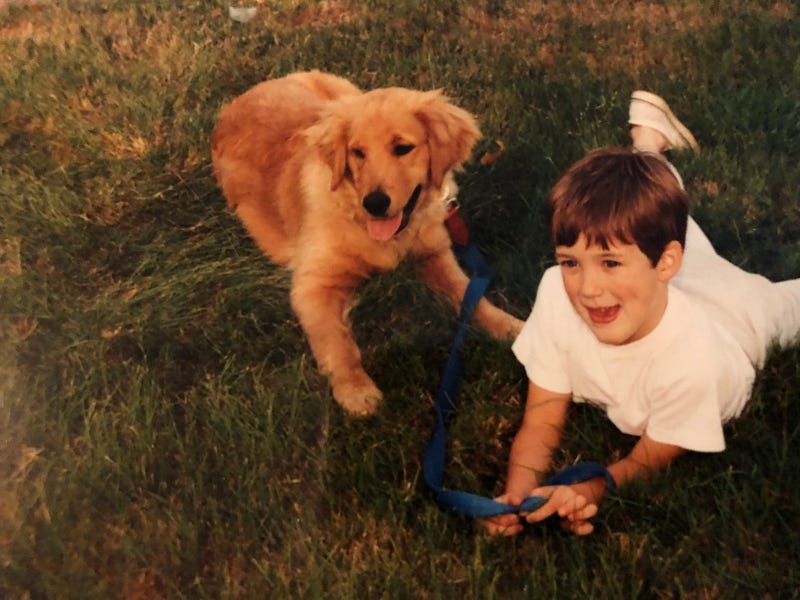
Yesterday, a discussion in the comments brought me to tears. I sat here at my desk, weeping over the keys — in the best and worst way.
I wrote about queerness and artistry in Dead Poets Society, mentioning the scene when Neil kills himself after his father berates him for doing a play, and threatens to pull him out of school.
Whether or not I read this scene as a gay metaphor when I was a kid, it still infuriated me — because I’m an actor! I’ve always been deeply passionate about that, and I’m lucky to have parents who supported my creativity.
When I’d watch the film, I’d think, “What would I do? I’d probably pack a bag and run away!” When Neil found the gun, I’d always think “Don’t do it, don’t do it. Your teacher and your friends can help you, please don’t do it! Just leave.”
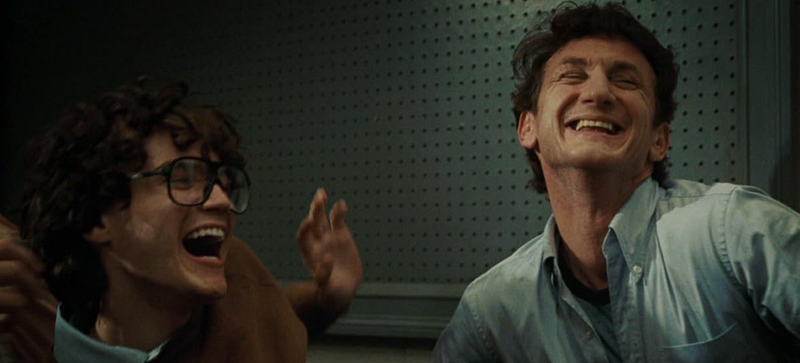
As I recalled that, I realized it’s almost exactly the dialogue in Milk, when the queer civil rights leader (portrayed by Sean Penn) speaks on the phone with a young man who wants to kill himself because his parents are going to take him somewhere to “fix” him:
“There’s nothing wrong with you. Listen to me — you just get on a bus to the nearest, biggest city — Los Angeles, or New York, or San Francisco, it doesn’t matter, you just leave. And you are not sick, and you are not wrong, and God does not hate you. Just leave.”
It was so moving to discover this parallel… not just because two significant themes in my life — my queerness and my artistry — are echoing each other once again… But also because of my own moments of suicidal ideation…
But more on that in a minute.
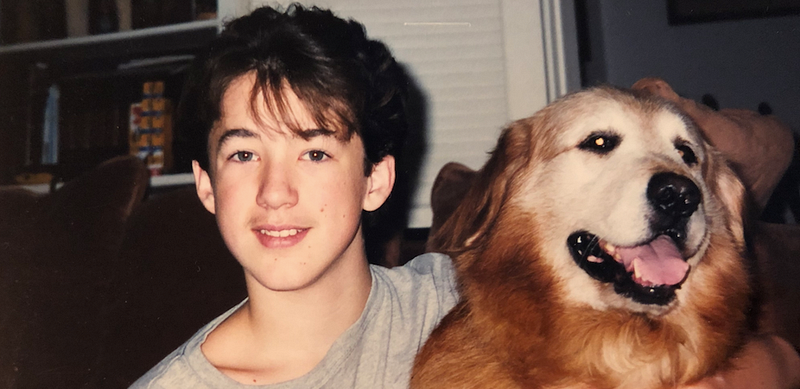
I remember as a teenager wondering how to apply the lessons of Dead Poets to my life. If I was lucky enough to grow up in a culture less restrictive than the 1950s — what was my wild, riotous, artistic life going to look like?
Similarly, when I first saw Milk the year I graduated college, I thought, If I’m lucky enough to live in a culture more progressive than the 1970’s, then how am I going to build the same kind of passionate queer communities?
Both films — through an artistic and a queer lens, respectively — framed the characters’ authenticity as an act of rebellion, making me wonder how I could live authentically and joyfully if I had nothing to rebel against.
So I used to compound my shame, thinking something must be wrong with me if I’m still unhappy in a world where it’s so much easier to be a gay man than it used to be… But now I blame the movies!
Most queer films make the queerness the conflict, and imply that if the queer person could just escape their homophobic environment, then all their problems would be over. But of course they won’t be.
Despite the urgency of these films, and of movements like “It Gets Better,” we also need stories that speak to the breadth of queer people’s humanity, and all the disparate human challenges we face beyond homophobia.
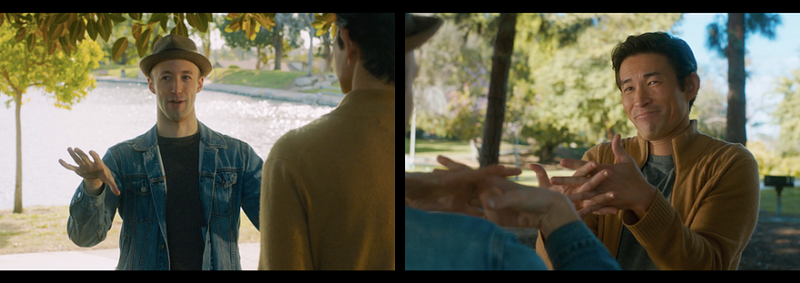
In my pilot “For Years to Come” — my first significant venture in making a queer story of my own where the queerness is not the conflict — the queer lovers make reference to Dead Poets Society in discussing a key theme.
“I always thought it was like you got your sorrow and pain over here, and you got your beauty and adventure over here…and I just had to get from one to the other…and the way to do that was to read Walt Whitman and stand on my desk.”
And then the other character brings his hands together in a gesture that suggests heartache and joy are actually much more intertwined.
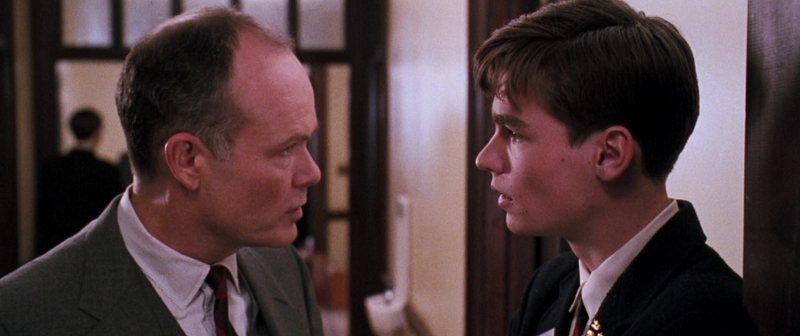
I used to think they were binary opposites — that my choices were either “quiet desperation” or “sounding my barbaric yawp o’er the rooftops of the world.” One of the great blessings of adult life has been learning to savor the beauty within heartache, and accept the heartache within beauty.
So this is the parallel that really struck a chord in me…Because I’m living a life that’d make Milk and Mr. Keating proud…and it has its ups and downs.
I’ve spent my life in the theatre, I savor poetry and beauty, I howl with joy whenever it greets me, I question authority, I live guided by my passion…and none of that means I’m happy twenty-four hours a day.
And in exactly the same way, I came out when I was a teenager without any trouble, I live in queer-affirming cities, I work in a queer-friendly industry, I’ve never endured homophobic violence… and I still get sad sometimes.
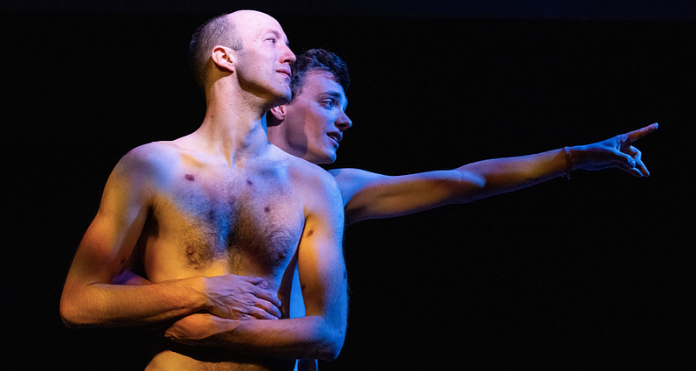
Now mind you, there’s plenty to be sad about — or rebel against. The early-Obama-era optimism I felt when Milk came out has shifted in recent years as we find ourselves still very much in an era of anti-queer legislation and pervasive stigmas that perpetuate violence.
But my riotous heart is not defined by what it resists, just as my queerness is not defined by my closet. All of us are capable of joy, even in our darkest hours… as well as sorrow in spite of all our good fortune.
Joy and sorrow go hand-in-hand. We grieve for someone because we loved them dearly. We live passionately because we know we won’t live forever.
But it’s easy to forget. No matter how many times we climb out of a valley to a mountaintop — or how many dark nights of the soul end in a sunrise — it’s easy to think our pain will never end — forgetting this too shall pass.
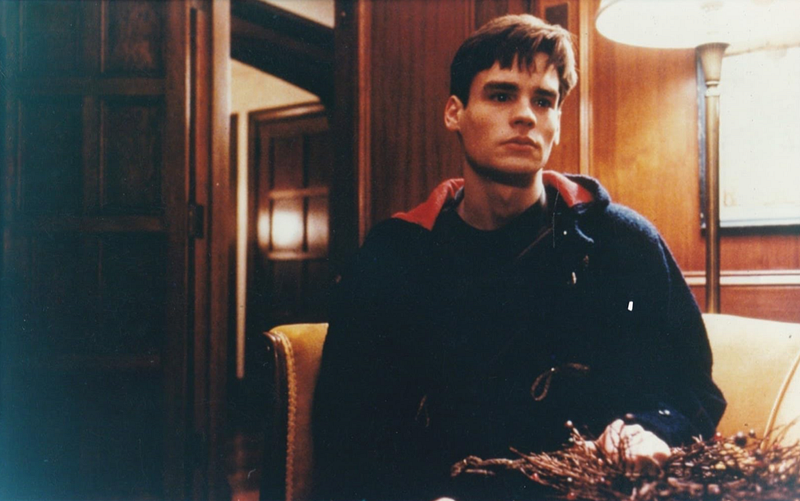
While I never thought of taking my life as a child because of a homophobic bully… I’ve had those thoughts occasionally as an adult because of various passing misfortunes. I’ve never acted on them, and I never will… but still...
It was deeply cathartic recalling myself as a teenager screaming at another teenager on screen “Don’t do it! Stay alive!” Because if he had, he’d probably have grown up to be like me — a fabulous, ecstatic, passionate artist, doing theatre all over the country, falling in love with dozens of beautiful men!
While none of that erases the heartache I’ve felt, and will feel again — I’m so thankful I made it this far, so thankful teenage-me stayed alive long enough to grow into the joyous, gay, theatre-artist he always dreamed of being!
And suddenly I appreciate the “it gets better” sentiment more than ever, as I hear the 60, 70, 80-something-year-old-me, shouting back at me with the same beautiful, urgent plea:
Stay alive!
If you enjoyed this article, consider reading this one that inspired it:
Or for more personal stories through the prism of queer art, check out this one:


