
Supercharge Your Garden with Composting and Probiotics: A How-To Guide
Have you ever looked at a pile of organic matter and wondered how to turn it into a gardening goldmine? Or perhaps you’ve heard about the wonders of probiotics for your gut but never considered their role in gardening? Well, you’re in for a treat!
Recently, while surfing ABC Everyday, I stumbled upon an article titled “Composting really can be simple. This is how to make a start.” It instantly took me back to 2019 when I embarked on my journey to create a compost bin and worm farms. The idea of composting fascinated me, and I was eager to dive into the world of organic waste management.
Around the same time, I was also delving into the concept of soil probiotics and their remarkable impact on plant health. What I discovered was a fascinating connection between composting and probiotic gardening, two eco-friendly practices that can transform your garden into a lush, thriving oasis.
In this article, I aim to consolidate these two essential topics into one comprehensive guide. Let’s dig in, quite literally, to unearth the secrets of nurturing your garden’s green ecosystem.
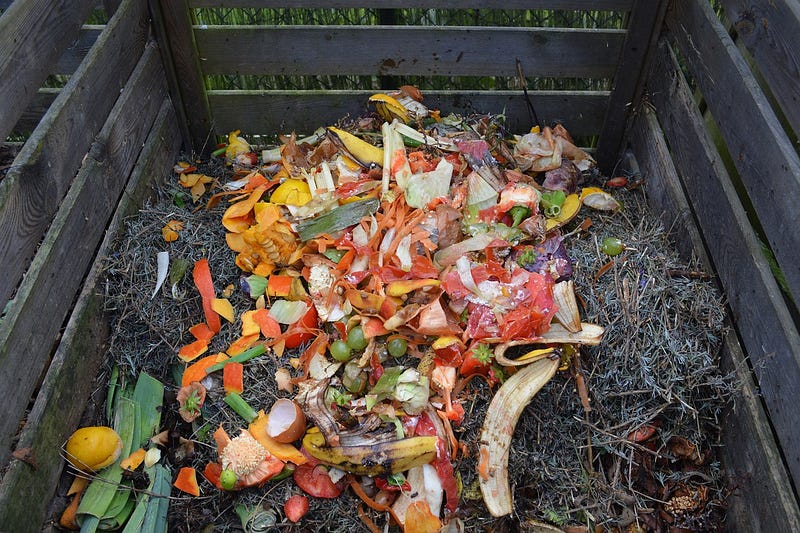
In essence, compost is the end result of organic matter breaking down, turning into a valuable soil conditioner resembling rich, dark soil. However, the speed of this transformation depends on various factors, such as the compost mix, your chosen bin, and your composting approach.
If you want to support my work or access any extras, you can do so here: https://www.buymeacoffee.com/adgiga Thank you, I really appreciate you.
Samantha Grover, an environmental science lecturer at RMIT and author of “Exploring Soils,” hails compost as “the best and cheapest way of improving soil.” This magical elixir not only enhances soil structure but also enriches it with essential nutrients, microbes, and microorganisms.
Large-scale businesses recognize compost’s worth, processing it on an industrial scale and selling the final product to farmers. If there’s money in it, it’s undoubtedly worth your green thumb’s attention.
Why Compost?
We’ve all heard the dire statistics about food waste’s impact on the environment. Composting offers a straightforward solution: reducing waste and diverting food scraps from landfills. But before diving in, Belinda Christie, an adjunct research fellow with Swinburne University, advises understanding your motivation for composting, which will guide your choice of system.
- Reducing Food Waste: Opt for kerbside collection or community schemes if your aim is simply to reduce food waste.
- Community Engagement: Connect with neighbors through local community gardens that offer shared bins.
- Educational Fun: Involve kids with a worm farm, an exciting and space-saving option.
- Soil Enrichment: If your goal is to fortify your garden soil, a traditional compost bin is your best bet.
Composting offers a wealth of benefits, making it a sustainable and eco-friendly choice for managing organic waste. Here are some of the rewards you can reap from embracing composting:
- Healthy Soil: Compost enriches soil by improving its structure and nutritional composition. It enhances soil fertility, providing plants with essential nutrients.
- Faster Plant Growth: Plants thrive in soil enriched with compost, leading to quicker growth and higher yields.
- Fewer Pest and Disease Problems: Strong, healthy plants are better equipped to resist pests and diseases, reducing the need for chemical interventions.
- Environmentally Friendly: Composting reduces the need for synthetic fertilizers and chemicals, making it a safer and more sustainable gardening practice.
- Natural and Enjoyable: Composting aligns with nature’s processes and can be an enjoyable and educational activity for the whole family.
- Waste Reduction: By composting, you can significantly reduce the volume of organic waste sent to landfills, contributing to waste reduction efforts.
- Microbial Magic: Compost contains a wealth of beneficial microbes and bacteria that promote soil health and enhances nutrient uptake in plants.
What Goes In? What Stays Out?
Composting isn’t a free-for-all; some items belong, while others don’t.
Compost-Friendly Items:
- Fruit and vegetable scraps
- Eggshells
- Teabags and coffee grounds
- Lawn clippings
- Garden waste
- Manure from cows, sheep, and chickens
Items to Exclude:
- Diseased or pest-ridden plant material
- Perennial weeds like grass runners and bulbs
- Meat, bread, and oily foods (unless your bin is well-sealed)
- Dog and cat waste (may contain harmful parasites)
Successful composting hinges on getting the green-to-brown ratio right. Balance is key:
- Green Materials: Nitrogen-rich items like vegetable scraps, teabags, and lawn clippings.
- Brown Materials: Carbon-rich elements such as straw, dead leaves, and cardboard.
Aim for a mix that maintains moisture without becoming too wet. Ratios vary from 50:50 to 30:1; slightly leaning toward brown materials is safer. Cutting garden waste into smaller pieces speeds up decomposition, as does chopping scraps for a worm farm, as it increases surface area, allowing the micro-organisms, bacteria and worms to break it down faster.
Compost Care: Troubleshooting
Two common compost problems are excessive dryness and unpleasant odors. Solutions are straightforward:
- Too Dry: Add more green material and water.
- Too Wet: Incorporate additional brown material and mix to aerate.
Keep in mind the difference between aerobic (with air) and anaerobic (without air) composting. The latter produces noxious gases, so aim for aerobic decomposition to prevent odor issues.
Ready, Set, Compost!
Composting isn’t just eco-friendly; it’s fun and impactful. It contributes to mitigating greenhouse gas emissions and fosters a sense of community. Don’t be discouraged by the initial complexity; seek support from experienced composters, local councils, and community services.
No matter where you live or how much space you have, there’s a composting approach that suits you:
Urban Dwellers: In apartments or homes with limited space, consider donating your compost scraps. It’s a thoughtful gift for gardening friends or local community gardens.
Worm Warriors: Worm farms are ideal for those with restricted outdoor space. They’re compact, low-odor, and produce “worm tea” and castings for your plants.
Benchtop Wizards: Benchtop compost bins that ferment scraps are perfect for small kitchens. Just remember to buy microbe mix to kickstart the process and find a spot to bury the end result.
Garden Gurus: If you have the space for a traditional compost bin, you can opt for an open-bottomed plastic bin, a freestanding tumbler, or even construct homemade timber bays. A trench system is also suitable for renters with larger gardens.
Composting isn’t a one-size-fits-all. It adapts to your goals, resources, and community. While some people might blend scraps in a blender before adding them to their compost, others prefer a more hands-off approach. The crucial factor is striking the right green-to-brown ratio to ensure proper decomposition.
Dr. Grover emphasizes the importance of balance over technique. “It depends on how much time and energy you have to manage the system,” she says. “Some people put scraps in a blender and add it to their worm farm or compost, which speeds up the process, but I don’t have the time, and you shouldn’t feel the need to.”
Keep an eye on your compost, adjusting it as needed, and remember that every batch will have unique material and weather conditions. With just a weekly check, you can fine-tune your composting process.
Dr. Grover’s parting words echo the broader impact of composting: “Anyone can do it, and it’s fun. The entire food production / transport / waste system is responsible for 40 percent of greenhouse gas emissions, so any composting that people can do or reducing food waste is going to help. It’s a personal thing but has a much wider global impact. And if you live in an apartment, then donate your compost scraps; it’s a perfect gift for someone with a garden.”
Dr. Christie recommends seeking support as you embark on your composting journey. Talk to family members who compost, engage with neighbors, explore your council’s offerings, and discover existing share services in your community. Unexpectedly, setting up worm farms for apartment blocks fostered a deep sense of community, according to her research — a testament to the positive, far-reaching effects of composting.
Whether you’re composting in a bustling apartment or spacious backyard, there’s a composting method that fits your lifestyle. And remember, every bit of food waste you divert from landfills is a step towards a greener, more sustainable world. So, roll up your sleeves, grab your compost bin, and embark on your composting journey — it’s a gift to both your garden and the planet.
So, are you up for the challenge?
Probiotic Gardening: A Soil Revolution
While composting addresses many environmental and gardening challenges, probiotic gardening takes soil improvement to the next level. Probiotic gardening involves nurturing your soil to encourage the growth of high-quality minerals, nutrients, microbes, and bacteria. This approach creates a thriving ecosystem in your soil, resulting in numerous benefits for your garden.
Probiotic gardening can lead to:
Faster Plant Growth: Plants supplied with all essential nutrients experience higher yields and extended growth periods.
Reduced Pest and Disease Problems: Healthy, vigorous plants are more resistant to pests and diseases.
Environmental Friendliness: Probiotic gardening eliminates the need for harmful chemicals and synthetic fertilizers, promoting a safer and eco-friendly approach.
Natural and Enjoyable Gardening: Using natural techniques and learning about probiotic gardening can be a fun and educational experience for the entire family.
The Role of Microbes in Probiotic Gardening
In probiotic gardening, the focus is on cultivating a healthy soil ecosystem that fosters the growth of beneficial microbes and bacteria. These microorganisms play various critical roles, such as:
- Increasing nitrogen uptake by plants.
- Enhancing root size and health.
- Aiding in the overall health and vigor of the plant.
- Influencing the absorption of sugars and water.
- Assisting plants in producing their beneficial hormones.
- Boosting the efficiency of nutrient uptake.
The presence of a thriving community of beneficial microbes and bacteria helps maintain optimal soil and plant conditions, leading to improved plant health and higher yields.
Probiotic Gardening Mixtures
To kickstart probiotic gardening, you can use readily available materials and techniques to introduce beneficial bacteria into your soil. Here are two methods to consider:
Molasses and Soil Mixture
Materials Needed:
- Shovel or Posthole borer
- Sulfur-free molasses
- Filtered water (rainwater or non-chlorinated water)
- 4.5–5 litre container (preferably glass)
- Wait until the soil temperature reaches at least 15°C or higher.
- Dig a hole approximately 1 metre deep using a posthole borer or shovel, now if you can’t do this, we couldn’t because of clay soil, take soil from around your patch, digging as deep as you can.
- Collect soil samples from the hole, taking samples every six inches or so. You’ll need about a cup of soil. Mix the soil samples thoroughly in a clean container.
- Add two cups of hand-hot water to a clean container. Mix approximately 70 grams of sulfur-free molasses into the water.
- Add one cup of the mixed soil samples to the container. Shake or stir the mixture well to ensure the soil is thoroughly mixed with the water. Fill the container to within two inches of the top with filtered water.
- Store the mixture in a warm but not hot location, away from direct sunlight, and monitor the foaming. The foaming indicates that the beneficial bacteria are actively working. I wrapped our container with two tea towels, secured with 2 rubber bands, then chucked it into a thick and dark pillow case and popped it outside in the sun to get it started for the first week or so.
- The mixture will be ready to use in about one to two weeks when it stops foaming or foaming is nearly complete. If you have a pH testing kit, aim for a pH level between 3.5 to 4.0.
- To use, mix one part of the mixture with 20 parts of water and apply it as a foliar spray on plant foliage, stems, exposed roots, and soil.
This mixture can enhance your soil’s microbial life and nutrient content, promoting healthier plant growth, you can also use it to start your beds with a 1:10 ratio. Use this mixture promptly or refrigerate it for later use.
You can continue to replenish this mixture by adding 1/4 cup of molasses and refilling with water as needed. The microbial population will increase with each addition.
Premade Probiotic
Alternatively, you can purchase garden-specific probiotics from your local supplier, available in capsule or powdered form. This method offers the convenience of pre-made, balanced probiotics.
Additional Tips
To maximize the benefits of probiotic gardening, follow these additional tips:
Practice No-Till Gardening: Avoid tilling your garden, as it disrupts the beneficial microbial communities in the soil. But be realistic about it, don’t worry yourself too much if you have to till a bit here and there, especially in the beginning of establishing your beds.
Crop Rotation: Rotate your crops each season to prevent disease buildup in the soil, I have a post on this, with charts available too. *POST LINK*
Use Cover Crops: Consider planting cover crops during the off-season to enrich the soil, if you want to learn a bit more about them I have a post on them as well. *POST LINK*
Incorporate Compost: Regularly add well-made compost to your garden beds to further enhance probiotic gardening techniques, scatter across the top of your beds and tickle into top layer of soil with a pitchfork, rake or handheld fork.
Composting and probiotic gardening offer sustainable, environmentally friendly solutions to improve your garden’s health, and productivity while reducing the use of synthetic chemicals. By nurturing your soil and embracing these practices, you’ll embark on a gardening journey that benefits both your plants and the planet.
If you have any questions or want to share your gardening experiences, newbie or experienced, feel free to leave a comment. I would love to hear from you.
Become a member of Medium.com and you’ll get full access to every post that I write, your reads directly supports myself and thousands of other writers.
Connect with me:
Take a photo or screen shot and use the hashtag #ADGIGABLOG and tag me on Insta, let’s connect!
https://www.instagram.com/adelaide_girls_garden/
If you enjoyed this post, you’ll love my other posts. Subscribe and follow to have updates delivered to your inbox. I would love to have you here.
As always,
Keep nurturing your plants and watch them grow. Until next time,
With a little bit of soil, a lot of love, and two green thumbs.

Sources:
MY POSTS:
AND SOME OTHERS THAT MAY HELP YOU: