
Home Compostables VS Industrial Compostables
As a semi-environmentalist, i’ve embraced the joys of composting, turning kitchen scraps into nutrient-rich soil. But what about those seemingly eco-conscious companions in our daily lives — compostable cups and coffee pods? Can they join our compost pile’s, or is there more to the story than meets the eye? In this post, we’ll delve into home compostables vs industrial compostables, exploring what makes them different and how to compost them responsibly.
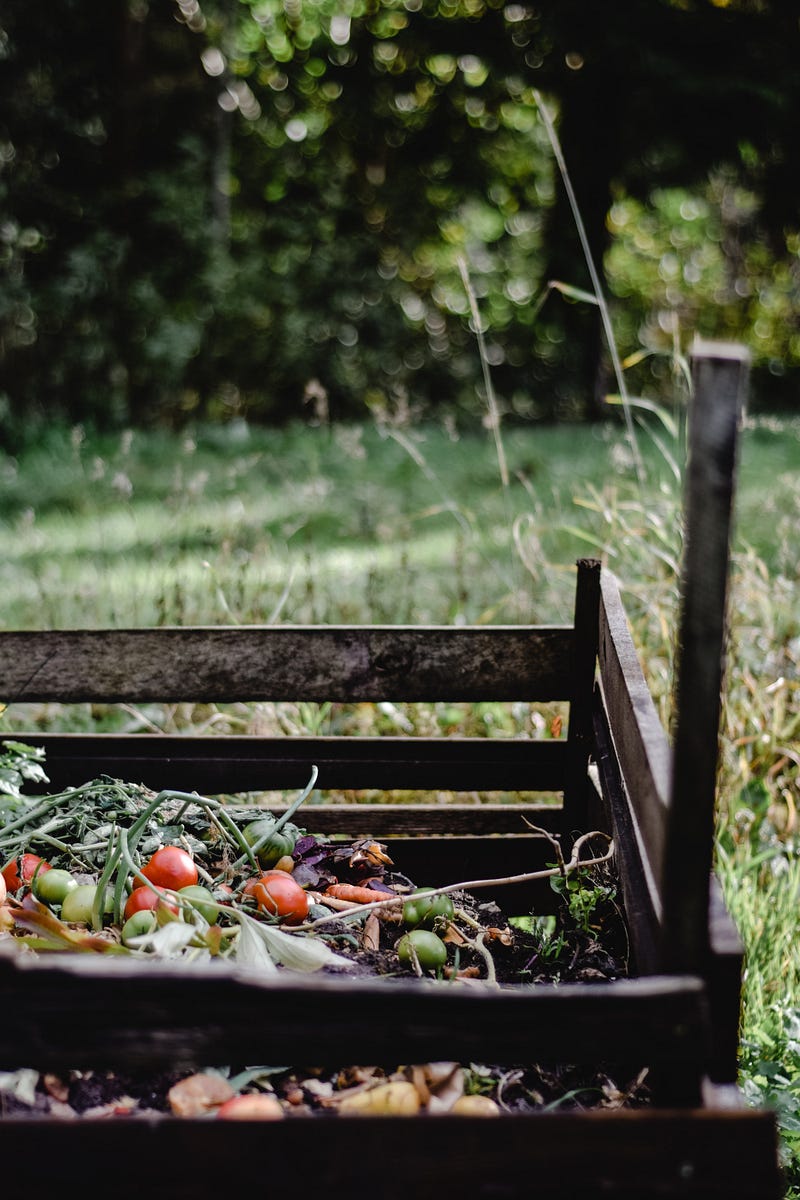
Here’s a breakdown of the key distinctions between home compostable and industrial compostable products:
Home Compostable:
Home compostable products can compost in environments such as backyard compost bins, worm farms, or simple holes in the ground, which must provide suitable conditions for composting, including microorganisms, temperature, moisture, oxygen, and nutrient levels.
Certification: The gold standard for home compostable products is certification AS 5810, which verifies:
- Minimum 90% biodegradation within 180 days.
- Disintegration into less than 2mm pieces within 12 weeks.
- No toxic effects on compost, plants, or earthworms.
Acceptance: In Australia and New Zealand, most Food Organics and Garden Organics (FOGO) bins and councils do not accept home compostable products.
Industrial Compostable:
Industrial compostable products require facilities equipped for industrial composting, where conditions like microorganisms, temperature, moisture, oxygen, and nutrient levels are carefully controlled.
Challenges: Many Australians and New Zealanders lack access to industrial composting facilities, leading to compostable items ending up in landfills. Council green bins or FOGO bin collections often do not accept industrial compostable products due to varying technologies used at these facilities.
Certification: The gold standard for industrial compostable products is certification AS 4736, which confirms:
- Minimum 90% biodegradation in 12 weeks under industrial conditions.
- Disintegration after 6 months under industrial conditions.
Despite certification, many industrial compostable products are not composted correctly due to a lack of awareness about the specific requirements.
To simplify, compostable products can carry two labels: “certified home compostable” (AS 5810) or “certified commercially compostable” (AS 4736), reflecting whether they are suitable for home or industrial composting.
Differences between Composting Methods
- Home Composting: This method creates nutrient-rich soil over months in a backyard compost barrel or bin but may not effectively break down certain compostable materials like PLA bioplastics.
- Industrial Composting: Industrial composting involves a carefully monitored, multi-step process with controlled conditions like shredding material, maintaining temperature, and regulating oxygen levels. This results in rapid biodegradation and high-quality, toxic-free compost.
Importance of Composting Certifications
Composting certifications ensure that products are genuinely compostable and specify the appropriate composting method. Simply labeling a product “compostable” does not guarantee responsible composting. Certifications conform to Australian and European standards, providing consumers with clear guidance on how to compost products responsibly.
Allowing you to make the right choice before adding any compostables to your compost bin.
The takeaway? (sorry couldn’t help myself) Before tossing that compostable cup or coffee pod into your compost pile, check the label for the right certification. If it’s AS 5810 certified, it’s a green light to enrich your compost with it. But if it’s AS 4736 certified or lacks clear guidance, it’s best to explore alternative disposal methods, like contacting local composting facilities or checking with your waste management system for specific guidelines.
Remember, your dedication to composting is a commendable step toward a greener planet. By making informed choices about composting, you’re not only reducing waste but also nourishing the Earth one peel, scrap, or compostable cup at a time.
Cheers to your eco-friendly efforts, and may your compost pile continue to thrive as a testament to your commitment to a more sustainable world!
If you have any questions or want to share your gardening experiences, newbie or experienced, feel free to leave a comment. I would love to hear from you.
Become a member of Medium.com and you’ll get full access to every post that I write, your reads directly supports myself and thousands of other writers.
Connect with me:
Take a photo or screen shot and use the hashtag #ADGIGABLOG and tag me on Insta, let’s connect!
https://www.instagram.com/adelaide_girls_garden/
If you enjoyed this post, you’ll love my other posts. Subscribe and follow to have updates delivered to your inbox. I would love to have you here.
As always,
Keep nurturing your plants and watch them grow. Until next time,
With a little bit of soil, a lot of love, and two green thumbs.

Sources:
https://www.biopak.com/au/resources/commercial-composting-vs-home-composting


