avatarAdelaide Girl's Garden

Free AI web copilot to create summaries, insights and extended knowledge, download it at here

2978

Abstract

offering an organic alternative to chemical pesticides.</i></p><h2 id="2a92">Traditional Cover Crops</h2><p id="8467">Cover crops have a rich history in agriculture and come in various forms. Here are some traditional cover crop options to consider:</p><p id="76c2"><b>Hairy Vetch:</b> <i>A leguminous cover crop that fixes nitrogen in the soil.</i></p><p id="eed3"><b>Clover (White or Red):</b> <i>Known for nitrogen fixation and weed suppression.</i></p><p id="3584"><b>Winter or Annual Rye:</b> <i>An excellent choice for preventing erosion and enhancing soil structure.</i></p><p id="d4ba"><b>Field Peas:</b> <i>A nitrogen-fixing legume that benefits soil health.</i></p><p id="fb16"><b>Soybeans:</b> <i>Provides nitrogen and acts as a smother crop for weeds.</i></p><p id="7c48"><b>Alfalfa:</b><i> Known for its deep root system and nitrogen enrichment.</i></p><p id="387a"><b>Buckwheat:</b> <i>Quick-growing and excellent for weed suppression.</i></p><p id="d2c9">Legumes are particularly popular as cover crops due to their nitrogen-fixing ability, a practice rooted in ancient farming traditions.</p><h2 id="67a4">The Modern Resurgence of Cover Crops</h2><p id="257a">The use of cover crops in large-scale agriculture declined in the mid-1900s with the advent of pesticides, herbicides, and synthetic fertilizers. However, in recent years, there has been a renewed interest in cover crops due to their environmental benefits and potential cost savings. Farmers and gardeners alike are exploring the advantages of cover cropping to reduce chemical inputs and promote sustainable farming practices.</p><p id="eae5">Cover crops, with their rich historical significance and numerous benefits, play a vital role in modern agriculture and gardening. As the world seeks more sustainable and environmentally friendly farming practices, cover cropping is experiencing a well-deserved resurgence. Whether you’re a large-scale farmer or a backyard gardener, incorporating cover crops into your growing practices can enhance soil health, reduce erosion, and contribute to a more sustainable and resilient ecosystem.</p><p id="1737">If you have <b>any questions</b> or want to <b>share your insights</b>, feel free to <b>leave a comment</b>. I would love to hear from you.</p><p id="88f5"><b><i>Become a member of <a href="https://medium.com/membership?source=membership_page---membership_top_nav_link-----------------------membership_page_membership_top_nav_link-">Medium.com</a></i> <i>and you’ll get full access to every post that I write, your reads directly supports myself and thousands of other writers.</i></b></p><p id="61a5"><i>Connect with me:</i></p><p id="5fd8"><i>Take a photo or screen shot and use the hashtag #ADGIGABLOG and tag me on Insta, let’s connect!</i></p><p id="8159"><a href="https://www.instagram.com/adelaide_girls_garden/">https://www.instagram.com/adelaide_girls_garden/</a></p><div id="af61" class="link-block"> <a href="https://www.youtube.c

Options

om/channel/UCqydTF33XHG_YxFO2P58HGQ"> <div> <div> <h2>Adelaide Girl's Garden</h2> <div><h3>Welcome to Adelaide Girl's Garden! 🌿 Join me, Simi, an enthusiastic gardener with a passion for nature and food. From…</h3></div> <div><p>www.youtube.com</p></div> </div> <div> <div style="background-image: url(https://miro.readmedium.com/v2/resize:fit:320/0*iw9qvXDevT7q2CnS)"></div> </div> </div> </a> </div><div id="463f" class="link-block"> <a href="https://www.buymeacoffee.com/adgiga"> <div> <div> <h2>Adelaide Girl's Garden is a Gardening Content Creator</h2> <div><h3>I love supporting creators!</h3></div> <div><p>www.buymeacoffee.com</p></div> </div> <div> <div style="background-image: url(https://miro.readmedium.com/v2/resize:fit:320/0*Gtxfm-ZtDivSgUkD)"></div> </div> </div> </a> </div><p id="80d9">If you enjoyed this post, you’ll love my other posts. Subscribe and follow to have updates delivered to your inbox. I would love to have you here.</p><p id="a6b7">As always,</p><p id="b6f2">Keep nurturing your plants and watch them grow. Until next time,</p><p id="13e7">With a little bit of soil, a lot of love, and two green thumbs.</p><figure id="2414"><img src="https://cdn-images-1.readmedium.com/v2/resize:fit:800/1*mxtz-Xo_paivCRW9pY-HMg.png"><figcaption></figcaption></figure><p id="a159">Sources:</p><div id="450a" class="link-block"> <a href="https://blog.gardeningknowhow.com/tbt/cover-crop-use-through-time/"> <div> <div> <h2>History Of Cover Crops: Learn About Cover Crop Use Through Time</h2> <div><h3>Also known as green manure, cover crops have been used in farming and gardening since ancient times. From the biggest…</h3></div> <div><p>blog.gardeningknowhow.com</p></div> </div> <div> <div style="background-image: url(https://miro.readmedium.com/v2/resize:fit:320/0*Wc39GDHcAo2QFEPt)"></div> </div> </div> </a> </div><div id="e99d" class="link-block"> <a href="https://www.adelaide.edu.au/research/news/list/2019/10/11/cover-crops-get-it-right-and-reap-the-benefits"> <div> <div> <h2>Cover crops - get it right, and reap the benefits</h2> <div><h3>Edit description</h3></div> <div><p>www.adelaide.edu.au</p></div> </div> <div> <div style="background-image: url(https://miro.readmedium.com/v2/resize:fit:320/0*Jprcz0LtkvdQjCjH)"></div> </div> </div> </a> </div></article></body>

Cover Crops: The History and Benefits

Cover crops, also known as green manure, have been integral to agriculture and gardening for millennia. These crops serve a dual purpose — enriching the soil and preventing erosion — making them a valuable practice in sustainable farming. In this blog post, we’ll explore the history of cover crops, their essential role in agriculture, and some traditional cover crop options.
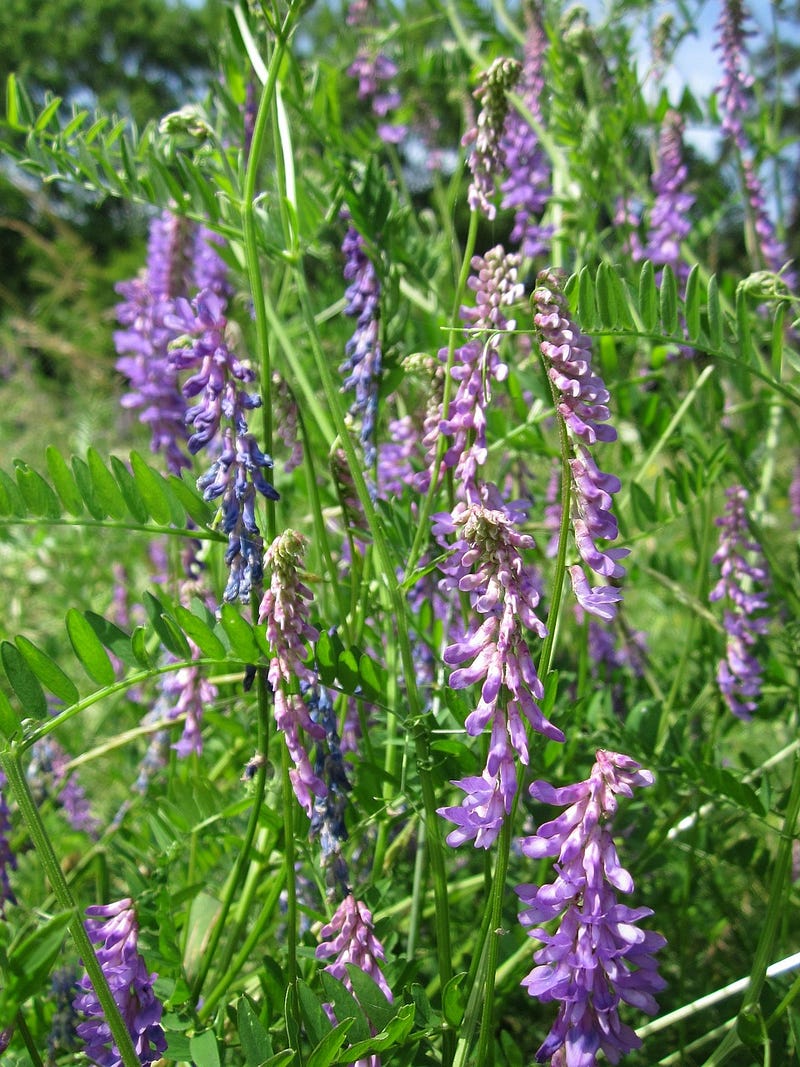
Photo by WikimediaImages

What is a Cover Crop?

A cover crop is any crop grown on a farm or in a garden that isn’t intended for sale or direct consumption. Instead, it serves a secondary purpose, benefiting the soil, ecosystem, and subsequent cash crops. Typically, cover crops are planted during the winter months when primary crops are dormant, and they are worked into the soil in the spring.

If you want to support my work or access any extras, you can do so here: https://www.buymeacoffee.com/adgiga Thank you, I really appreciate you.

The Historical Roots of Cover Crops

Agriculture is one of humanity’s oldest practices, dating back over 10,000 years. It didn’t take long for early farmers to recognize the advantages of cover crops. Historical references to cover cropping exist in ancient Chinese and Indian agricultural practices. In the Western world, the ancient Romans are known to have employed cover crops, although it’s likely that this practice predates even Roman times.

In the United States, cover crops were utilized by some of the nation’s founding fathers, including George Washington. The exhaustion of soil nutrients caused by monoculture, particularly in tobacco farming in the South, led to the widespread use of cover crops by the late 1700s.

Benefits of Cover Crops

Cover crops offer various advantages in agriculture:

Erosion Control: Cover crops help to slow down or prevent soil erosion, preserving valuable topsoil.

Weed Suppression: They outcompete invasive weeds, reducing the need for herbicides.

Nitrogen Enrichment: Certain cover crops, such as legumes, fix nitrogen in the soil, making it available to subsequent cash crops.

Biodiversity Enhancement: Cover crops contribute to increased biodiversity in an area, supporting various species.

Soil Improvement: They enhance soil structure and water filtration, leading to healthier soils.

Natural Pest Control: Some cover crops can control pests, offering an organic alternative to chemical pesticides.

Traditional Cover Crops

Cover crops have a rich history in agriculture and come in various forms. Here are some traditional cover crop options to consider:

Hairy Vetch: A leguminous cover crop that fixes nitrogen in the soil.

Clover (White or Red): Known for nitrogen fixation and weed suppression.

Winter or Annual Rye: An excellent choice for preventing erosion and enhancing soil structure.

Field Peas: A nitrogen-fixing legume that benefits soil health.

Soybeans: Provides nitrogen and acts as a smother crop for weeds.

Alfalfa: Known for its deep root system and nitrogen enrichment.

Buckwheat: Quick-growing and excellent for weed suppression.

Legumes are particularly popular as cover crops due to their nitrogen-fixing ability, a practice rooted in ancient farming traditions.

The Modern Resurgence of Cover Crops

The use of cover crops in large-scale agriculture declined in the mid-1900s with the advent of pesticides, herbicides, and synthetic fertilizers. However, in recent years, there has been a renewed interest in cover crops due to their environmental benefits and potential cost savings. Farmers and gardeners alike are exploring the advantages of cover cropping to reduce chemical inputs and promote sustainable farming practices.

Cover crops, with their rich historical significance and numerous benefits, play a vital role in modern agriculture and gardening. As the world seeks more sustainable and environmentally friendly farming practices, cover cropping is experiencing a well-deserved resurgence. Whether you’re a large-scale farmer or a backyard gardener, incorporating cover crops into your growing practices can enhance soil health, reduce erosion, and contribute to a more sustainable and resilient ecosystem.

If you have any questions or want to share your insights, feel free to leave a comment. I would love to hear from you.

Become a member of Medium.com and you’ll get full access to every post that I write, your reads directly supports myself and thousands of other writers.

Connect with me:

Take a photo or screen shot and use the hashtag #ADGIGABLOG and tag me on Insta, let’s connect!

https://www.instagram.com/adelaide_girls_garden/

If you enjoyed this post, you’ll love my other posts. Subscribe and follow to have updates delivered to your inbox. I would love to have you here.

As always,

Keep nurturing your plants and watch them grow. Until next time,

With a little bit of soil, a lot of love, and two green thumbs.

Sources:

Gardening
Gardening Tips
Cover Crops
Beginners Guide
Sustainability
Recommended from ReadMedium