avatarAdelaide Girl's Garden

Free AI web copilot to create summaries, insights and extended knowledge, download it at here

8811

Abstract

</b> GSLs and myrosinase both occur in the plant in separate cells, through tilling or pathogen attack these cell walls are damaged, with the addition of water the myrosinase consumes the GSLs. They create ITCs (gases), which watering helps to trap in your soil, fumigating it.</p><p id="59f7"><b>Type of feeder:</b> Brassicaecea are considered heavy feeders meaning they can use over 25g/m2 of nitrogen per growing season.</p><p id="ceda"><b>Pest & diseases: </b>Brassicaecea tend to be susceptible to aphids, thrips, white flies and especially white cabbage moths. Viral diseases, such as cauliflower mosaic virus, which can be transfer to your plants from weedy brassica varieties, such as hedge mustard, by sucking pests such as thrips and aphids. Snails and slugs can be a major problem at the seedling stage. However crop rotation and monitoring can help to avoid these ailments.</p><figure id="38d8"><img src="https://cdn-images-1.readmedium.com/v2/resize:fit:800/1*v3Ac6pVkVtgVxQtim7h5WQ.png"><figcaption><b>Beetroot Family</b></figcaption></figure><p id="a389"><b>Benefits for your patch: </b>Amaranth is beneficial for your patch as it requires very little water and fertilzer. An excellent companion plant for cucumber, squash, melon and brassicas, as it attracts pollinator and beneficial insects to your garden. Additionally amaranth is a great soil conditioner as it has a long tap root, that help break up compacted soil, improving structure and drainage.</p><p id="ee43">Quinoa, like amaranth, has an extensive tap root (can be up to 1.5 m deep) making it drought tolerant, perfect for alot of Aussie conditions as it’s also frost resistant and salt tolerant and can be grown in poor soils, making it a great choice for a lot of soil condition.</p><p id="e9b3"><b>Type of feeder:</b> Chenopodiaceae are considered medium feeders meaning they can use between 10 to 25g/m2 of nitrogen per growing season.</p><p id="4239"><b>Pest & diseases:</b> Chenopodiaceae can be susceptible to aphids, cabbage loopers, flea beetles, lygus bugs and wire worms. Diseases, such as anthracnose, damping off, wet rot and beet mosaic virus, which can be transfer to your plants by sucking pests such as thrips and aphids. Snails and slugs can be a major problem at the seedling stage. However crop rotation and monitoring can help to avoid these ailments.</p><figure id="2faf"><img src="https://cdn-images-1.readmedium.com/v2/resize:fit:800/1*hsnhHdzFtfsDBtF9l6NGnQ.png"><figcaption><b>Pumpkin Family</b></figcaption></figure><p id="8487"><b>Benefits for your patch:</b> Cucurbits are known for their sprawling nature and large leaves, these large leaves are great at providing coverage for your soil, helping to retain moisture and supress weed growth. Used in the Three Sisters, this family is a great companion for corn / maize and beans. As well as borage, dill, marigolds, tomatoes, chives and radishes.</p><p id="fe81"><b>Type of feeder:</b> Cucurbitaceae are considered heavy feeders meaning they can use over 25g/m2 of nitrogen per growing season.</p><p id="6df0"><b>Pest & diseases:</b> Cucurbitaceae can be susceptible to white flies, melon thrips, red spider mites and aphids. Diseases, such as powdery mildew, which needs to be addressed immediately as it can often end the life of the plant, fusarium wilt and bacterial soft rot. However crop rotation and monitoring can help to avoid these ailments.</p><figure id="f77b"><img src="https://cdn-images-1.readmedium.com/v2/resize:fit:800/1*AvjopUuiRncrWFpIDaY-Dg.png"><figcaption><b>Legume Family</b></figcaption></figure><p id="b211"><b>Benefits for your patch:</b> Fabaceae have a symbiotic relationship with rhizobia, a bacteria that lives in nodulces on their roots. These bacteria convert nitrogen from the air into a form that plants can use, adding much needed nitrogen to your soil. Fabaceae are also known as a pioneer species meaning that they can grow in all sorts of difficult conditions, which is why they are commonly used in green manure crops. Additionally their deep roots help break up compacted soil, improving structure and drainage, and their dense growth habit helps to reduce soil errosion by slowing water runoff and protecting from wind erosion.</p><p id="2906"><b>Type of feeder:</b> Fabaceae are considered light feeders meaning they use less than 10g/m2 of nitrogen per growing season.</p><p id="aae7"><b>Pest & diseases:</b> Being mainly propagated by seed, make sure that your seed supply is free from problems such as bean blight and mosaic viral disease, both can drastically reduce yields. Fabaceae can be susceptible to sap sucking pest like bean flower thrips, white flies and two-spotted mites, which need to be dealt with immediately to avoid major yield losses. However crop rotation and monitoring can help to avoid these ailments.</p><figure id="f7b8"><img src="https://cdn-images-1.readmedium.com/v2/resize:fit:800/1*GWZWNUgcmNPBmXmjRsLYlg.png"><figcaption><b>Potato Family</b></figcaption></figure><p id="2ff8"><b>Benefits for your patch:</b> Tomato leaves are a great asset for your patch, from an aphid spray that kills on contact to a black spot spray for you roses. Plants belonging to the nightshade family contain alkaloids in their leaves, which can be toxic. When tomato plant leaves are cut or crushed, these alkaloids are released. However, by mixing the alkaloids with water, a convenient spray can be created. This spray is effective in deterring aphids and treating black spot on your roses while remaining safe for both plants and people.</p><p id="054f"><b>Type of feeder:</b> Solanaceae are considered heavy feeders meaning they can use over 25g/m2 of nitrogen per growing season.</p><p id="740e"><b>Pest & diseases:</b> Solanaceae can be susceptible to aphids, thrips, white flies and cutworms. Fungal, bacterial and viral diseases that affect foliage fruits and vascular tissue are also very common at various stages of the plants cycle. However crop rotation and monitoring can help to avoid these ailments.</p><p id="7667">Now you can head on over to: <a href="https://www.buymeacoffee.com/AdGiGa">https://www.buymeacoffee.com/AdGiGa</a> and go to <b>crop rotation charts & templates</b>. That’s where you’ll find my 4, 5, 6, 7 and 8 bed systems with 2 examples of each and a breakdown and brief explanation behind each system, and templates to create your own!</p><p id="16c3">Last but not least, make sure to keep a detailed drawing and list of plants you put in each bed for the length of a full rotation. This allows you to look back and make sure you aren’t planting the same family in the same places the following rotation, and to avoid pest build up and nutrient deficiency in your soil. You can use a website for this, for instance this one here: <a href="https://www.growveg.com/">https://www.growveg.com/</a></p><p id="f99d">Crop rotation may take a little bit of practice and patience to get right, but, once you’ve mastered it your garden will truly prosper and thrive under your care and guardianship. If you have <b>any questions</b> or want to <b>share your gardening experiences</b>, newbie or experienced, feel free to <b>leave a comment</b>. I would love to hear from you.</p><p id="fa65"><b><i>Become a member of <a href="https://medium.com/membership?source=membership_page---membership_top_nav_link-----------------------membership_page_membership_top_nav_link-">Medium.com</a></i> <i>and you’ll get full access to every post that I write, your reads directly supports myself and thousands of other writers.</i></b></p><p id="61a5"><i>Connect with me:</i></p><p id="5fd8"><i>Take a photo or screen shot and use the hashtag #ADGIGABLOG and tag me on Insta, let’s connect!</i></p><p id="d753"><a href="https://www.instagram.com/adelaide_girls_garden/">https://www.instagram.com/adelaide_girls_garden/</a></p><div id="f874" class="link-block"> <a href="https://www.buymeacoffee.com/AdGiGa"> <div> <div> <h2>Adelaide Girl's Garden is a Gardening Content Creator</h2> <div><h3>undefined</h3></div> <div><p>undefined</p></div> </div> <div> <div style="background-image: url(https://miro.readmedium.com/v2/resize:fit:320/0*kBQ02THTvnfOL_Vj)"></div> </div> </div> </a> </div><div id="07ab" class="link-block"> <a href="https://www.youtube.com/channel/UCqydTF33XHG_YxFO2P58HGQ"> <div> <div> <h2>Adelaide Girl's Garden</h2> <div><h3>Welcome to Adelaide Girl's Garden! 🌿 Join me, Simi, an enthusiastic gardener with a passion for nature and food. From…</h3></div> <div><p>www.youtube.com</p></div>

Options

       </div>
          <div>
            <div style="background-image: url(https://miro.readmedium.com/v2/resize:fit:320/0*1pqA1XovRcO554wl)"></div>
          </div>
        </div>
      </a>
    </div><p id="fcec">If you enjoyed this post, you’ll love my other posts. Subscribe and follow to have updates delivered to your inbox. I would love to have you here.</p><p id="a69f">As always,</p><p id="b6f2">Keep nurturing your plants and watch them grow. Until next time,</p><p id="13e7">With a little bit of soil, a lot of love, and two green thumbs.</p><figure id="fb93"><img src="https://cdn-images-1.readmedium.com/v2/resize:fit:800/1*mxtz-Xo_paivCRW9pY-HMg.png"><figcaption></figcaption></figure><p id="2a1f">Sources:</p><div id="d40b" class="link-block">
      <a href="https://www.flowerpower.com.au/garden-advice/gardening/crop-rotation/">
        <div>
          <div>
            <h2>Crop rotation</h2>
            <div><h3>Visit us in store today and browse garden supplies including outdoor and indoor plants, garden accessories, outdoor…</h3></div>
            <div><p>www.flowerpower.com.au</p></div>
          </div>
          <div>
            <div style="background-image: url(https://miro.readmedium.com/v2/resize:fit:320/0*bE4LA3rSpbut5RU0)"></div>
          </div>
        </div>
      </a>
    </div><div id="6436" class="link-block">
      <a href="https://www.almanac.com/crop-rotation-101-tips-vegetable-gardens">
        <div>
          <div>
            <h2>Crop Rotation 101: Tips for Vegetable Gardens</h2>
            <div><h3>Learn how to practice crop rotation for healthier soil and a more successful home vegetable garden.</h3></div>
            <div><p>www.almanac.com</p></div>
          </div>
          <div>
            <div style="background-image: url(https://miro.readmedium.com/v2/resize:fit:320/0*bBW4B6ZxJnNR_1rF)"></div>
          </div>
        </div>
      </a>
    </div><div id="9c43" class="link-block">
      <a href="https://www.diggers.com.au/blogs/learn/how-to-rotate-your-crops">
        <div>
          <div>
            <h2>How to rotate your crops</h2>
            <div><h3>Crop rotation is vital in the vegie garden to stop the build up of pests and diseases in the soil and to maximise the…</h3></div>
            <div><p>www.diggers.com.au</p></div>
          </div>
          <div>
            <div style="background-image: url(https://miro.readmedium.com/v2/resize:fit:320/0*1zJA4NVLF6cfgFl_)"></div>
          </div>
        </div>
      </a>
    </div><div id="5058" class="link-block">
      <a href="https://www.abc.net.au/gardening/how-to/crop-rotation/9579146">
        <div>
          <div>
            <h2>Crop Rotation - Gardening Australia</h2>
            <div><h3>Tino Carnevale explains crop rotation and how to use it to plan your autumn plantings</h3></div>
            <div><p>www.abc.net.au</p></div>
          </div>
          <div>
            <div style="background-image: url(https://miro.readmedium.com/v2/resize:fit:320/0*NM8YwZvAqxlM8sLX)"></div>
          </div>
        </div>
      </a>
    </div><div id="90b2" class="link-block">
      <a href="https://www.soilwealth.com.au/resources/articles-and-publications/guide-to-brassica-biofumigant-cover-crops-managing-soilborne-diseases-in-vegetable-production-systems/">
        <div>
          <div>
            <h2>Guide to Brassica Biofumigant Cover Crops: Managing soilborne diseases in vegetable production…</h2>
            <div><h3>articles and publications</h3></div>
            <div><p>www.soilwealth.com.au</p></div>
          </div>
          <div>
            <div style="background-image: url(https://miro.readmedium.com/v2/resize:fit:320/)"></div>
          </div>
        </div>
      </a>
    </div><div id="099c" class="link-block">
      <a href="https://www.sciencedirect.com/topics/agricultural-and-biological-sciences/myrosinase">
        <div>
          <div>
            <h2>Myrosinase</h2>
            <div><h3>Read full chapter URL: https://www.sciencedirect.com/science/article/pii/B9780128164938000056 The…</h3></div>
            <div><p>www.sciencedirect.com</p></div>
          </div>
          <div>
            <div style="background-image: url(https://miro.readmedium.com/v2/resize:fit:320/0*caqLpAEJ0da8yD6L)"></div>
          </div>
        </div>
      </a>
    </div><div id="a3ba" class="link-block">
      <a href="https://growers-planet.com/lettuce-pests-diseases-solutions/">
        <div>
          <div>
            <h2>22 Lettuce Pests &amp; Diseases (&amp; How To Control Them) - GP</h2>
            <div><h3>You want to know how to get rid of lettuce pests and diseases? Make sure to check out all the tips and tricks in this…</h3></div>
            <div><p>growers-planet.com</p></div>
          </div>
          <div>
            <div style="background-image: url(https://miro.readmedium.com/v2/resize:fit:320/)"></div>
          </div>
        </div>
      </a>
    </div><div id="8559" class="link-block">
      <a href="https://livetoplant.com/benefits-of-parsley-plant-in-your-garden/">
        <div>
          <div>
            <h2>Benefits of Parsley Plant in Your Garden | Live to Plant</h2>
            <div><h3>Introduction When it comes to gardening, one herb that should not be overlooked is parsley. This versatile and…</h3></div>
            <div><p>livetoplant.com</p></div>
          </div>
          <div>
            <div style="background-image: url(https://miro.readmedium.com/v2/resize:fit:320/)"></div>
          </div>
        </div>
      </a>
    </div><div id="de0b" class="link-block">
      <a href="https://plantvillage.psu.edu/topics/garlic/infos">
        <div>
          <div>
            <h2>Garlic (Allium Sativum)</h2>
            <div><h3>Garlic is primarily used for flavoring food and can be dried, ground or powdered for this purpose FatSecret. (Feb 4…</h3></div>
            <div><p>plantvillage.psu.edu</p></div>
          </div>
          <div>
            <div style="background-image: url(https://miro.readmedium.com/v2/resize:fit:320/0*Vm9Zg26WZbBX1maN)"></div>
          </div>
        </div>
      </a>
    </div><div id="b928" class="link-block">
      <a href="https://gardenerspath.com/how-to/disease-and-pests/control-garlic-pests/">
        <div>
          <div>
            <h2>How to Identify and Control Garlic Pests | Gardener's Path</h2>
            <div><h3>Garlic repels many pests, but some bugs out there love to prey on garlic plants. Want to know how to fight them? Read…</h3></div>
            <div><p>gardenerspath.com</p></div>
          </div>
          <div>
            <div style="background-image: url(https://miro.readmedium.com/v2/resize:fit:320/0*CyXO6_7j7rkuEl1d)"></div>
          </div>
        </div>
      </a>
    </div><div id="e8a2" class="link-block">
      <a href="https://www.britannica.com/plant/quinoa">
        <div>
          <div>
            <h2>Quinoa | Description, Plant, Domestication, History, &amp; Nutrition</h2>
            <div><h3>Quinoa, plant in the amaranth family grown for its tiny edible seeds. Its seeds are high in protein and fiber; its…</h3></div>
            <div><p>www.britannica.com</p></div>
          </div>
          <div>
            <div style="background-image: url(https://miro.readmedium.com/v2/resize:fit:320/0*K2aKNTLgi4bD2-i3)"></div>
          </div>
        </div>
      </a>
    </div><div id="22e3" class="link-block">
      <a href="https://gardenerspath.com/how-to/disease-and-pests/common-beet-diseases/">
        <div>
          <div>
            <h2>Identify, Prevent, and Treat Common Beet Diseases | Gardener's Path</h2>
            <div><h3>Dealing with beet diseases can be frustrating, but it doesn't have to be difficult. Gardener's Path provides the right…</h3></div>
            <div><p>gardenerspath.com</p></div>
          </div>
          <div>
            <div style="background-image: url(https://miro.readmedium.com/v2/resize:fit:320/0*sIuPUA0fnojhvi_T)"></div>
          </div>
        </div>
      </a>
    </div><p id="7d66">Stewart, A., Leake, S. (2017). Grow your own: How to be an urban farmer. Book.</p></article></body>

Beginner’s Guide To Crop Rotation + Charts — Garden Survival Guide

Crop rotation, a term that as a beginner gardener, I have seen pop up everywhere through my garden blog scouring. There are many videos, books and posts on crop rotation, enough to make your head spin. From 3 bed to 9 bed rotations, from massive expansive gardens (I wish) to small suburban spaces there is a crop rotation system to fit.

But what is it?
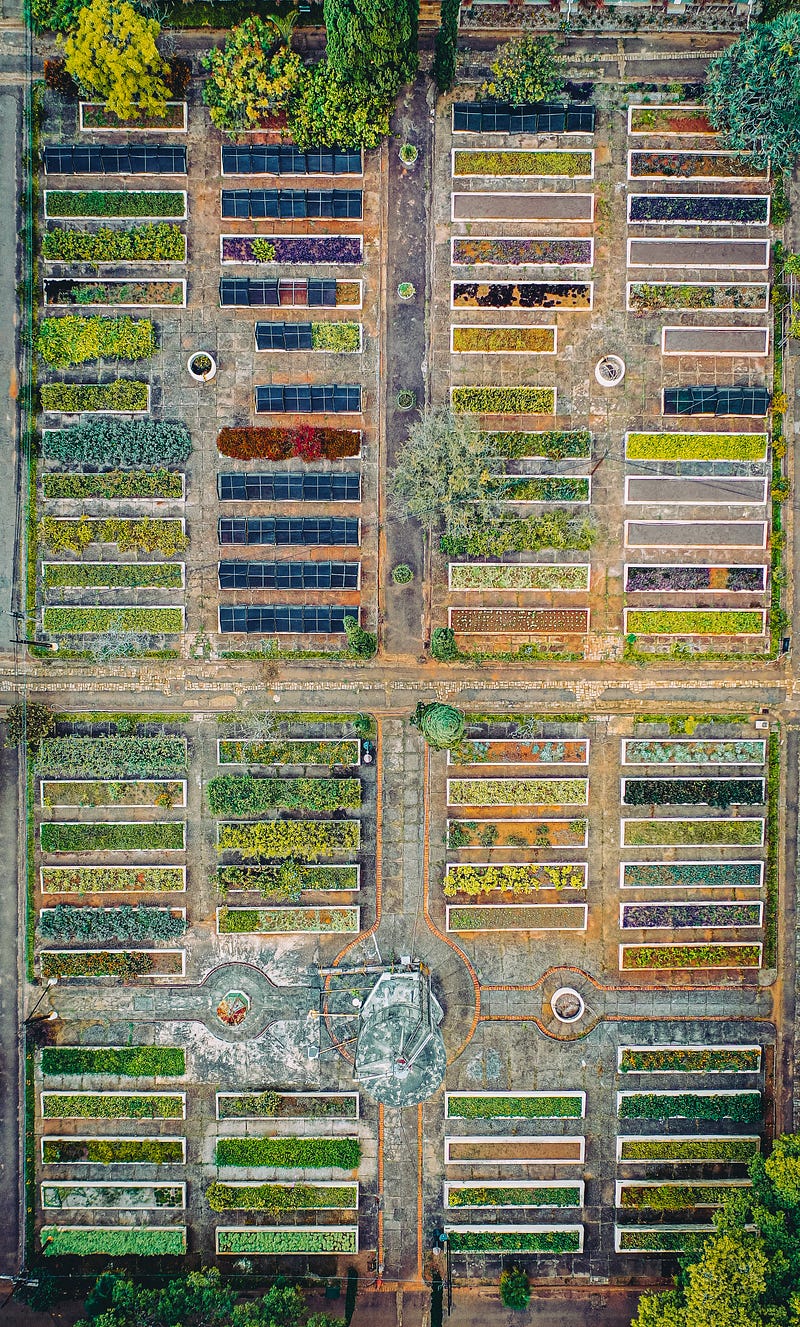
Photo by sergio souza

The best definition, It’s an agricultural practice designed to reduce and minimise pest and disease build up in your soil, reduce the use and reliance on chemicals, aid in building soil diversity and to manage and maintain plants nutrient requirements.

That’s all well and good, but what does that mean for home gardeners? And how do we apply it to our little slice of paradise? I have spent some days (and nights) reading through and scouring every blog and article I could find to bring you the best information I could get my little green thumbs on.

If you want to support my work or access any extras, like crop rotation charts, you can do so here: https://www.buymeacoffee.com/adgiga Thank you, I really appreciate you.

Let’s dive in by starting with getting to know and understanding the indivdual plant families.

We’re going to focus on the ones in BOLD

Amaryllidaceae (onion family)Chives, Garlic, Leek, Onion, Shallot, Spring Onions.

Apiaceae (carrot family) — Carrot, Celeriac, Coriander, Fennel, Parsley and Parsnip.

Asteraceae (daisy family) — Artichoke, Burdock, Chicory, Dandelion, Endive, Lettuce, Sunflower, Tarragon.

Brassicaecea (cabbage family) — Bok choy, Broccoli, Brussels Sprouts, Cabbage, Collard Greens, Cauliflower, Daikon, Kale, Kohl Rabi, Mustard Greens, Radish, Rocket, Swede, Turnip, Wasabi.

Chenopodiaceae (beetroot family) — Amaranth, Beetroot, Swiss Chard, Spinach, Silverbeet, Quinoa.

Convolvulaceae (convolvulus family) — Sweet Potato.

Cucurbitaceae (pumpkin family) — Cucumber, Gourd, Melon, Pumpkin. Squash and Zucchini.

Fabaceae (legume family) — Beans, Lentils, Peanuts, Peas.

Malvaceae (hibiscus family) — Okra, Rosella.

Poaceae (grass family) — Sweetcorn.

Polygonaceae (rhubarb family) — Rhubarb, Sorrel.

Rosaceae (rose family) — Strawberries.

Solanaceae (potato family) — Capsicum, Chilli, Eggplant, Potato, Tomato.

Onion Family

Benefits for your patch: Garlic planted at the base of peach trees repels borers and prevents leaf curl. Planted near apple trees helps to protect against apple scab. Plants with a strong scent like garlic are considered beneficial plants, they attract insects by providing shelter, pollen and nectar. Beneficial insects include lady bugs, lacewings, wasps and parasitic flies, which help control pests that can damage your plants.

Type of feeder: Amaryllidaceae are considered medium feeders meaning they can use between 10 to 25g/m2 of nitrogen per growing season.

Pest & diseases: Amaryllidaceae is relatively pest and disease free family, they do need deep and well draining soil to avoid rotting in wet weather.

Carrot Family

Benefits for your patch: Parsley flowers attract ladybugs, lacewings and hoverflies, which are all predators of aphids, mites and other harmful insects. By planting near your veggies you can create a natural pest control system, reducing the need for chemical pesticides. Parsley’s deep roots help break up compacted soil, improving structure and drainage. Additionally, parsley is a nutrient accumulator meaning it take nutrients from the soil and makes it available for other plants.

Dill’s ability to attract ladybugs, braconid wasps, hoverflies and trachinid flies helps control unwanted pests like aphids, tomato hornworms, white flies, leafhoppers, squash bugs, mites and fleas. Helping to keep your plants and patch healthy without the use of chemical pesticides.

Type of feeder: Apiaceae are considered medium feeders meaning they can use between 10 to 25g/m2 of nitrogen per growing season.

Pest & diseases: Soil-bourne fungal diseases and pathogenic nematodes tend to cause the most damage to this family, as many of its members — such as carrots, caraway root and parsnips are harvested for their edible roots. Root-knot nematodes, black root rot, sclerotinia rot and bacterial soft rot can affect crops at any stage between sowing and harvesting. However crop rotation and monitoring can help to avoid these ailments.

Daisy Family

Benefits for your patch: Sunflowers are proven to detoxify and condition soil, to detoxify your soil simply pop in some of these sun lovers. They absorb heavy metal contaminants, such as arsenic, zinc, lead, manganese and copper, leaving your soil healthier. When allowed to die down, they boost organic matter and water retention of your soil, making it more drought tolerant.

Dandelions also play an important role in many ecosystems, being an essential food for bees and pollinating insects in the early spring months, when most flowers have yet to bloom, allowing pollinators to go on and pollinate your patch. They also facilitate healthy soils by restoring soil mineral content, which produces more nutrient packed fruits and veggies. Additionally, their roots help create drainage in compacted soils, which helps to prevent stagnation and pooling of water in your garden, highly beneficial if you’re growing root vegetables in dense soil.

Loose leaf lettuce makes an excellent living mulch. Broad, leafy plants prevent weeds and keep the ground beneath moist. Being light feeders they won’t rob nutrients from your other plants either. Lettuce works well around artichokes, asparagus, beets, carrots, eggplant, onions, radish and strawberries. If you are growing any of these by seed, allow them to grow for about a week or two before planting loose-leaf lettuce seeds around them.

Type of feeder: Asteraceae are considered medium feeders meaning they can use between 10 to 25g/m2 of nitrogen per growing season.

Pest & diseases: Asteraceae tend to be susceptible to leaf miner, loopers, caterpillars, slugs, leafhoppers, armyworms, aphids, thrips, white flies, grubs, flea beetle, nematodes and cutworms. And diseases, such as pythium, basal rot, leaf spot, bottom rot, fusarium wilt, mould, powdery mildrew, downy mildrew and ring spot. However crop rotation and monitoring can help to avoid these ailments.

Cabbage Family

Benefits for your patch: Mustard, radish and rocket, have been proven to supress soilbourne diseases such as basal rot, onion white rot, charcol rot, and white mould. Brassicas naturally produce a group of chemicals known as glucosinolates (GSLs). The highest concentration tends to occur at about 25% flowering, (which is the suggested timing for incorporating biofumigants). Through the process of tilling, GSLs are released from the plants. Once released and with the addition of water, GSLs are converted by myrosinase (a family of enzymes) into isothiocyanates (ITCs), gases which are toxic to various soilbourne pathogens and pests. Watering helps to seal these gases in the soil effectively suppressing soil bourne pathogens.

To simplify a bit more: GSLs and myrosinase both occur in the plant in separate cells, through tilling or pathogen attack these cell walls are damaged, with the addition of water the myrosinase consumes the GSLs. They create ITCs (gases), which watering helps to trap in your soil, fumigating it.

Type of feeder: Brassicaecea are considered heavy feeders meaning they can use over 25g/m2 of nitrogen per growing season.

Pest & diseases: Brassicaecea tend to be susceptible to aphids, thrips, white flies and especially white cabbage moths. Viral diseases, such as cauliflower mosaic virus, which can be transfer to your plants from weedy brassica varieties, such as hedge mustard, by sucking pests such as thrips and aphids. Snails and slugs can be a major problem at the seedling stage. However crop rotation and monitoring can help to avoid these ailments.

Beetroot Family

Benefits for your patch: Amaranth is beneficial for your patch as it requires very little water and fertilzer. An excellent companion plant for cucumber, squash, melon and brassicas, as it attracts pollinator and beneficial insects to your garden. Additionally amaranth is a great soil conditioner as it has a long tap root, that help break up compacted soil, improving structure and drainage.

Quinoa, like amaranth, has an extensive tap root (can be up to 1.5 m deep) making it drought tolerant, perfect for alot of Aussie conditions as it’s also frost resistant and salt tolerant and can be grown in poor soils, making it a great choice for a lot of soil condition.

Type of feeder: Chenopodiaceae are considered medium feeders meaning they can use between 10 to 25g/m2 of nitrogen per growing season.

Pest & diseases: Chenopodiaceae can be susceptible to aphids, cabbage loopers, flea beetles, lygus bugs and wire worms. Diseases, such as anthracnose, damping off, wet rot and beet mosaic virus, which can be transfer to your plants by sucking pests such as thrips and aphids. Snails and slugs can be a major problem at the seedling stage. However crop rotation and monitoring can help to avoid these ailments.

Pumpkin Family

Benefits for your patch: Cucurbits are known for their sprawling nature and large leaves, these large leaves are great at providing coverage for your soil, helping to retain moisture and supress weed growth. Used in the Three Sisters, this family is a great companion for corn / maize and beans. As well as borage, dill, marigolds, tomatoes, chives and radishes.

Type of feeder: Cucurbitaceae are considered heavy feeders meaning they can use over 25g/m2 of nitrogen per growing season.

Pest & diseases: Cucurbitaceae can be susceptible to white flies, melon thrips, red spider mites and aphids. Diseases, such as powdery mildew, which needs to be addressed immediately as it can often end the life of the plant, fusarium wilt and bacterial soft rot. However crop rotation and monitoring can help to avoid these ailments.

Legume Family

Benefits for your patch: Fabaceae have a symbiotic relationship with rhizobia, a bacteria that lives in nodulces on their roots. These bacteria convert nitrogen from the air into a form that plants can use, adding much needed nitrogen to your soil. Fabaceae are also known as a pioneer species meaning that they can grow in all sorts of difficult conditions, which is why they are commonly used in green manure crops. Additionally their deep roots help break up compacted soil, improving structure and drainage, and their dense growth habit helps to reduce soil errosion by slowing water runoff and protecting from wind erosion.

Type of feeder: Fabaceae are considered light feeders meaning they use less than 10g/m2 of nitrogen per growing season.

Pest & diseases: Being mainly propagated by seed, make sure that your seed supply is free from problems such as bean blight and mosaic viral disease, both can drastically reduce yields. Fabaceae can be susceptible to sap sucking pest like bean flower thrips, white flies and two-spotted mites, which need to be dealt with immediately to avoid major yield losses. However crop rotation and monitoring can help to avoid these ailments.

Potato Family

Benefits for your patch: Tomato leaves are a great asset for your patch, from an aphid spray that kills on contact to a black spot spray for you roses. Plants belonging to the nightshade family contain alkaloids in their leaves, which can be toxic. When tomato plant leaves are cut or crushed, these alkaloids are released. However, by mixing the alkaloids with water, a convenient spray can be created. This spray is effective in deterring aphids and treating black spot on your roses while remaining safe for both plants and people.

Type of feeder: Solanaceae are considered heavy feeders meaning they can use over 25g/m2 of nitrogen per growing season.

Pest & diseases: Solanaceae can be susceptible to aphids, thrips, white flies and cutworms. Fungal, bacterial and viral diseases that affect foliage fruits and vascular tissue are also very common at various stages of the plants cycle. However crop rotation and monitoring can help to avoid these ailments.

Now you can head on over to: https://www.buymeacoffee.com/AdGiGa and go to crop rotation charts & templates. That’s where you’ll find my 4, 5, 6, 7 and 8 bed systems with 2 examples of each and a breakdown and brief explanation behind each system, and templates to create your own!

Last but not least, make sure to keep a detailed drawing and list of plants you put in each bed for the length of a full rotation. This allows you to look back and make sure you aren’t planting the same family in the same places the following rotation, and to avoid pest build up and nutrient deficiency in your soil. You can use a website for this, for instance this one here: https://www.growveg.com/

Crop rotation may take a little bit of practice and patience to get right, but, once you’ve mastered it your garden will truly prosper and thrive under your care and guardianship. If you have any questions or want to share your gardening experiences, newbie or experienced, feel free to leave a comment. I would love to hear from you.

Become a member of Medium.com and you’ll get full access to every post that I write, your reads directly supports myself and thousands of other writers.

Connect with me:

Take a photo or screen shot and use the hashtag #ADGIGABLOG and tag me on Insta, let’s connect!

https://www.instagram.com/adelaide_girls_garden/

If you enjoyed this post, you’ll love my other posts. Subscribe and follow to have updates delivered to your inbox. I would love to have you here.

As always,

Keep nurturing your plants and watch them grow. Until next time,

With a little bit of soil, a lot of love, and two green thumbs.

Sources:

Stewart, A., Leake, S. (2017). Grow your own: How to be an urban farmer. Book.

Gardening
Crop Rotation
Gardening Tips
Beginners Guide
Crops
Recommended from ReadMedium