
Parenting & Neurodiversity
My Child Was Just Diagnosed, Now What?
The first steps to consider when your learn your child is neurodivergent

Breathe.
First, take some time to digest and process this news.
Call a friend. Have a glass of wine. Go for a jog. Whatever your self-care is, do that first.
Okay, now, let me tell you something about your child’s diagnosis that you may not realize: This is a good thing. Seriously.
Your child is exactly the same awesome person they were before they received their diagnosis, it changes nothing about who they are. They already knew they were different, and so did you, otherwise you wouldn’t have pursued an assessment. This diagnosis can provide some answers, understanding, and insight.
Resources
What a diagnosis can also do is open doors to resources and supports that a child may need to be on a level playing field with their peers. Once given these appropriate accommodations, both you and your child may begin to see what they are capable of.
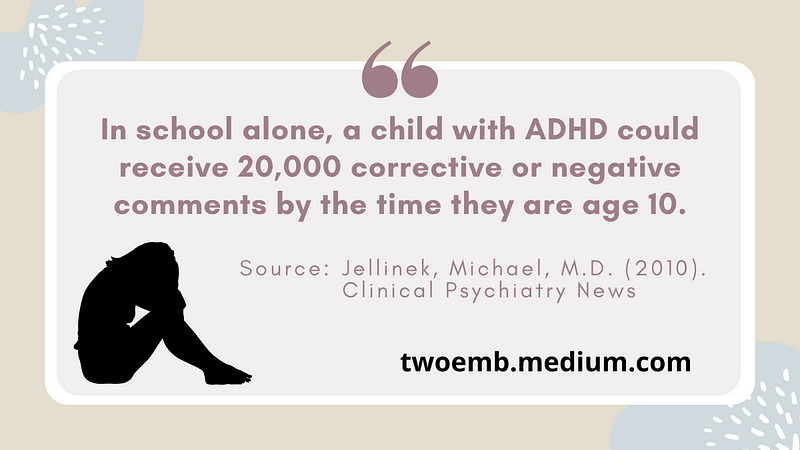
This is so important because this is when they start to see their own strengths. Many neurodivergent children struggle with low self-concept and low self-worth because of all of the corrections and criticism they receive, so opportunities for them to shine are imperative.
This new information provides an opportunity for adults in the child’s life to educate themselves so they can better understand the child’s unique needs, challenges, and strengths. Seek evidence-based information on your child’s neurodivergence and learn about how to best support them.
I have an article with book and podcast recommendations if you’re looking for a good place to start. There are also many online communities where parents of differently wired children share experiences, advice, and receive and offer support.
What Do I Tell My Child?
A lot of parents wonder if they should even tell their child about their diagnosis, especially if they are quite young. While each family will have to make their own decision based on what they think is best for their child, my short answer is: yes.
A lot of parents ask if they should even tell their child about their diagnosis. My short answer is: yes.
Once you’ve had an opportunity to process the information yourself, and are confident in your knowledge about their diagnosis, tell your child. Chances are they already feel different and don’t understand why. This could help put things into perspective for them.
Many children blame themselves for being different, especially if they have been getting into trouble at school, at home, or in social situations. It’s important for neurodivergent children to understand they are not less than anyone else.
It is not their fault that they’ve been struggling, they were simply born with a brain that works differently from many others — In fact, sometimes this will be a strength, as a unique brain can bring gifts as well as difficulties.
The good news is now that we know more about our differences, we can develop strategies to let our strengths shine through. Remember to explain that our differences come with both challenges and gifts; there will be both pros and cons to having a differently wired brain.
It is not their fault that they’ve been struggling, they were born with a brain that works differently from others.
I also have a an article outlining some of the other ways in which receiving a diagnosis can be helpful.
If you’re not sure how to explain the diagnosis to your child, seek the assistance of a professional. The clinician who performed your child’s assessment may be able to help you with finding developmentally-appropriate ways to discuss their findings with your child and can also provide further resources.

What Happens Next?
Once you’ve had time to sort through this information as a family, the next step is likely to inform your child’s school. If a school psychologist did the assessment, they can help provide information and recommendations to the school team.
If your child has been struggling at school, this is a good time for the school team to outline those specific struggles and how they will support and accommodate your child and meet their needs.
This should be a collaborative process with input from the classroom teacher, the resource teacher, the school psychologist, and the parents. Depending on the student’s age and comfort level, they may meet separately with the parent and teacher and/or the resource teacher, so that the child’s experiences and wishes can be heard.
If not, the parent can discuss the child’s goals at home and share them with the school team on their behalf. Whatever way it happens, it is very important to give the student a voice and allow them to have input into their support planning.
Depending on the level of support and accommodations needed, the school team may develop an IEP/SSP for the student. This is a very good idea because it provides documentation outlining the accommodations and supports agreed upon and should outline S.M.A.R.T. goals for the student.
The school team should meet regularly. This usually happens once a month at first, and then less frequently as the student requires less support, but should happen once annually at the absolute minimum. These meetings are to discuss the student’s progress and to make changes to their SSP as needed, based on the student’s growth, struggles, and progress.
An SSP is a “ living document”, which means it changes along with the student as their needs and goals change.
I recommend co-parents attend SSP meetings together if possible, or that a caregiver bring a support person along. These meetings can be intimidating and overwhelming, so a support person can help take notes and provide moral support.
If your child’s school is resistant to providing your child with an SSP, or if the school is not following your child’s current SSP, you may wish to seek the advice and support of a professional advocate.
What Else Can Families Do?
Depending on the child’s diagnosis and needs, there may be other interventions to assist. Some of these may be:
- Occupational Therapy (OT)
- Individual or Family Counselling
- Sensory Supports (such as fidget/sensory toys)
- Medication and/or paediatric oversight if appropriate
The MOST Important Thing To Do
The absolute most important thing a parent, caregiver, or adult in a child’s life can do is: love and accept them unconditionally. Show the child in both words and actions (and mostly actions) that you care about them and accept them for who they are.
Don’t try to “fix” or cure a divergent brain, learn to love the unique gifts this brain comes with, and help your child learn to love and appreciate their unique qualities.
That’s not to say you paint everything with a rosy brush and pretend that it’s all sunshine and roses. Absolutely not. Acknowledge that there are, and will be, struggles and challenges — if you recently received a diagnosis, it’s highly like you and your child already know this.
Validate that life is not easy when you don’t fit the mold, and work to provide your child the proper supports and accommodations they need to be successful. Don’t try to change them, work to support them in the areas that cause them difficulty (not the areas that others perceive as problematic).
Research has shown that having supportive people in our lives is one of the most important protective factors for reducing rates of depression, anxiety, and suffering in neurodivergent individuals.
To learn more about the Neurodiversity movement and its significance to the lives of Autistic people and the lives of people with ADHD, read What is Neurodiversity?
When you join medium, as a member you’ll have access to unlimited reads for only $5 per month. If you use my referral link, I’ll earn a small commission, and you’ll earn my undying gratitude.
A note on professional services:
Neurodiversity MB — and many other experts — strongly recommend seeking out child-centred services that focus on:
- Highlighting and building on your child’s strengths, called strengths-based supports.
- Helping you, your family, and your child see, appreciate, and foster these strengths.
- Clinicians and other professionals who support neurodivergent children to love and accept themselves for who they are and give them the tools to self-advocate.
- Avoid professionals who try to “fix” or “cure” a child’s divergent brain, or try to “train” human beings to “act normal”.
- Professionals who help you and your child develop skills and strategies for managing the challenges that we can encounter due to our neurodivergence.
- Important: These skills & tools should be those that make the child’s life easier, not others’.
- Avoid professionals who encourage masking or forcing the child to adapt to neurotypical expectations.
If your child sees a GP and does not yet have a paediatrician, I recommend requesting a referral.
Here in Manitoba paediatricians are hard to come by, but if you have the option, ask your GP to send in a referral. In Manitoba you can also register for the Find-A-Doctor service if you do not have one.
There are also a number of community organizations with a variety of services, depending on your child’s needs. The psychologist who did the assessment and/or your division’s social worker should be able to provide some resources for you, and many such services can be found online.
I have also compiled a number of local and online resources on my website.
Finding Neurodiversity-Affirming Supports
The 2 Most Important Steps
The next two most important things that we can do for our children are:
Educate Yourselves
Educate yourself, your family, and your child’s school.
You know your child best, and now you are getting to know them even better. This will strengthen your relationship and help you understand your child, developing greater empathy for their struggles, and greater appreciation of their unique strengths and gifts.
Love your child unconditionally.
I’m repeating myself because I cannot express how very important this is: show your child with both words and actions that you love and accept them for exactly who they are.
Allow your child to be their authentic selves and show them you appreciate all of who they are. We are so lucky to have these incredible, unique individuals in our lives. Our children will teach us a lot. We will learn a lot if we listen.
What we want children to learn is that they are loved, understood, and accepted. Nothing is more important than a sense of security and belonging.
Show your child in both words and actions that you love and accept them for exactly who they are.
That is not to say that this journey is easy. We all experience daily challenges and times when we really don’t appreciate our child’s behaviour. There are extreme highs and lows. Be compassionate with your child and with yourself. Seek out your community, a support network, and take care of each other.

Related Stories:
My Diagnosis and Treatment Series, a series of stories on the journey toward diagnosis, self-discovery, and treatment:
Help explaining ADHD or Autism to Kids:
References
Cage, E., Di Monaco, J., & Newell, V. (2018). Experiences of Autism Acceptance and Mental Health in Autistic Adults. Journal of autism and developmental disorders, 48(2), 473–484. https://doi.org/10.1007/s10803-017-3342-7
Jellinek, Michael, S. (2010, May). Don’t Let ADHD Crush Children’s Self-Esteem. Clinical Psychiatry News, pp. 12.
Mazzone, L., Postorino, V., Reale, L., Guarnera, M., Mannino, V., Armado, M., Fatta, L., De Peppo, L., & Vicari, S. (2013). Self-esteem evaluation in children and adolescents suffering from ADHD. Clinical Practice and Epidemiology in Mental Health, 9, Article 96–102.


