
Leica Summilux-M 35mm F1.4 FLE ASPH~~One of the Best Summilux lenses in Leica History
A 35mm all-round lens with a strong image style, vivid colours
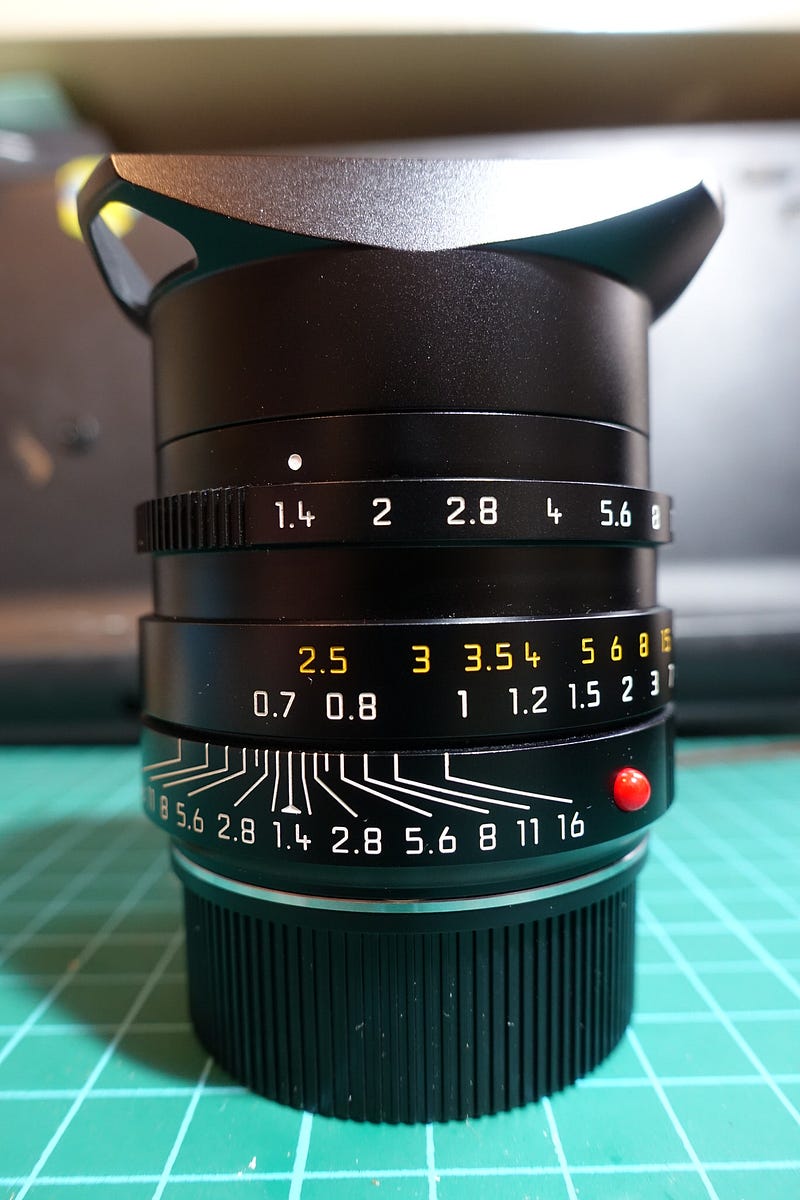
Today I would like to introduce this Leice 35mm F1.4 (2010- now). I got this lens around the beginning of 2012, when the speculative frenzy had passed, and I could get it at a more typical price, around USD5500 for used and USD6400 for brand new. I got the lens with the M9+11663 back in the day. The quality of the image surprised me. Unfortunately, I sold the 11663 only after I got the Leica 35/1.4 ASPH 11874, during which I mainly used the Leica M9, Sony A7, Sony A7R2/R3 thin Mod camera, etc.
11663 Floating lens kit technology added to improve inaccurate focus at close range
The floating lens technique is a way of correcting the accuracy of the internal lens by varying the movement of the lens at different focus distances for the digital age when high precision viewing is required. As a result, the shift in focus has disappeared, and the image quality is visible at the closest focus distance.
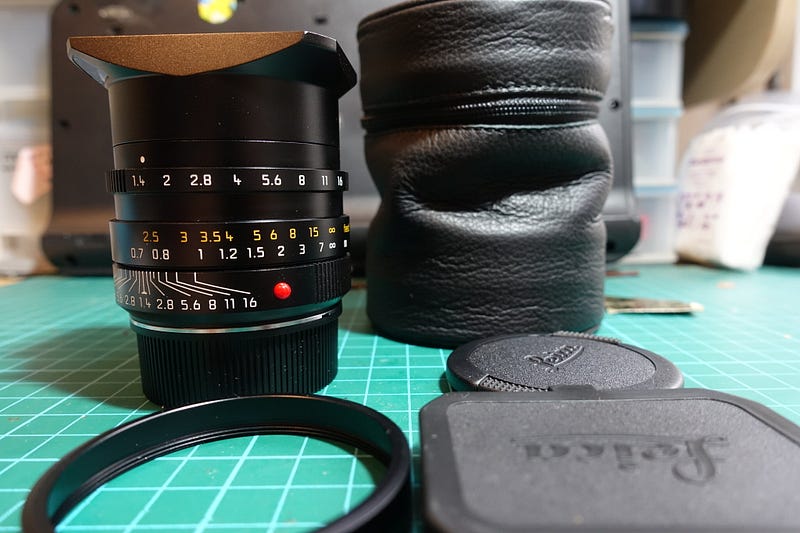
For digital optimization…
The 11663 lens has a 6-bit code, improving dark corners, purple fringing and distortion through the lens description file.
Overall, the 11663 is a well-built lens with a good feel for half-moon focusing, moderate resistance to the focus ring, improved sharpness and better contrast for digital photography. In addition, the essential performance has been improved compared to the previous Summilux 35mm F1.4 11874…
The main attraction
11663 Floating lens kit technology added to improve inaccurate focus at close range
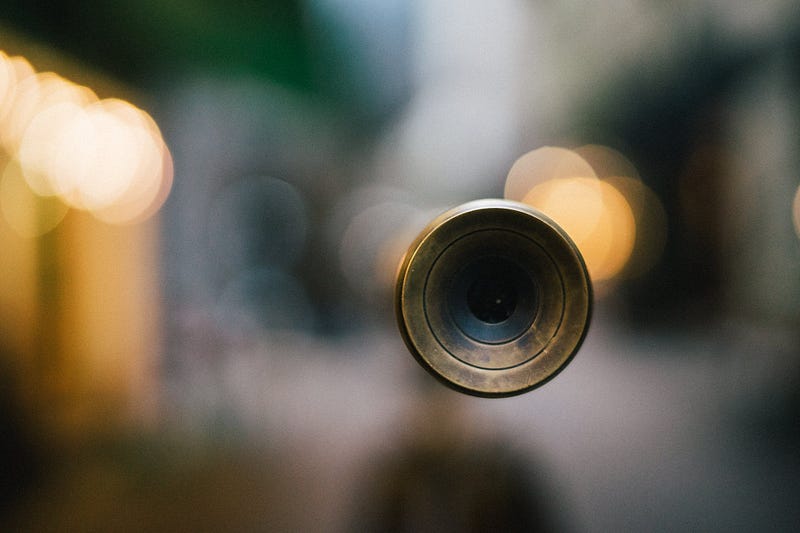
Leica 3D Popup stereoscopic, when the aperture is fully open in low light or daylight conditions, the subject will have a kind of pasted-on stereoscopic feeling, with excellent separation. This stereoscopic feeling is one of the selling points of the new generation of ASPH modern lenses… Unfortunately, the price is that the transition between the subject and the bokeh seems to be cut off in one go. There is no explanation to speak of.



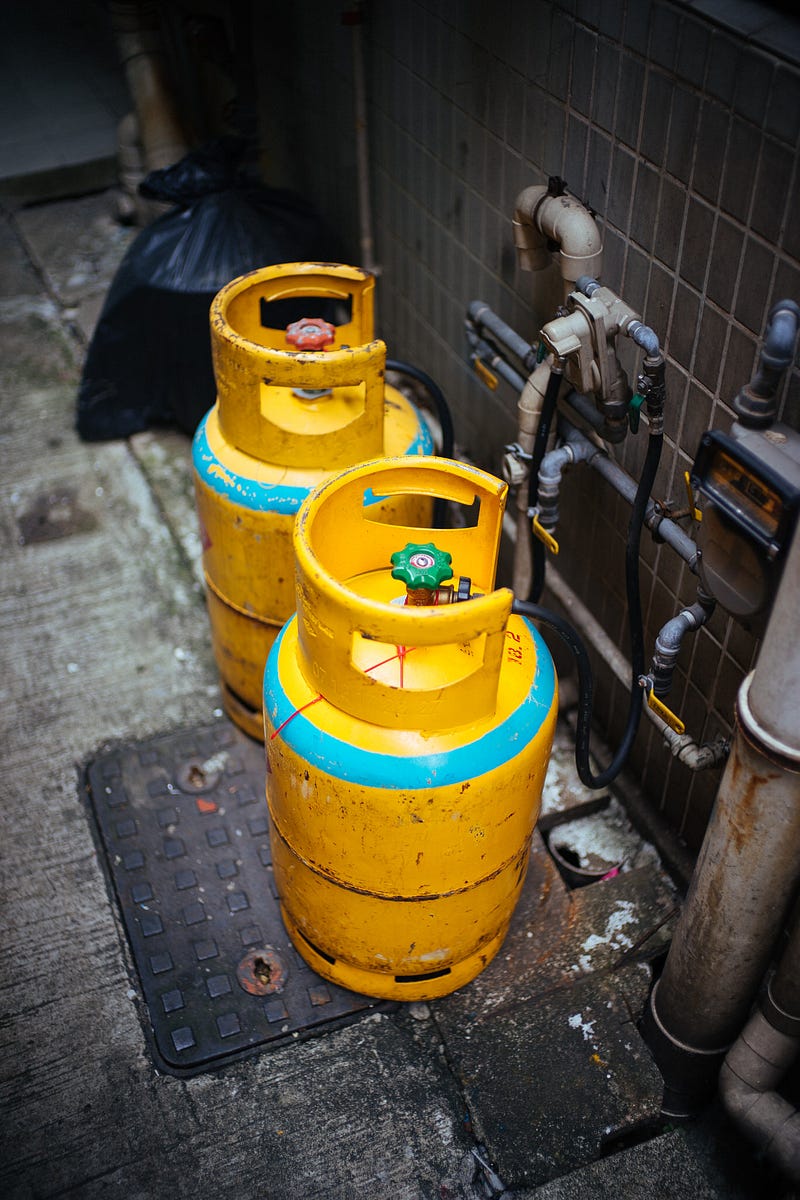
When I first saw the M9+11663 3D Popup photos, I amazed and had a great sense of presence… I used to love taking these photos when I finally got them. Still, after owning it for a long time, I felt that the most significant advantage and disadvantage of these 3D Popup photos are too unique and perfect. The images you take often make people think more about the lens itself than the photographer’s vision. After a long time of ownership, you will become numb to the 3D Popup photos, and the attraction will differ from when you first started. The situation is the same as with the Noctilux 50/1. Slowly you will resist the distance of these highly personalised lenses, fearing that your photos will become a test lens. You can, of course, change or apply this kind of personalised lens through different post-processing.
The purple fringing problem
The problem of purple fringing is more severe with the 11663 than with the 11874 and is more severe with large backlights or at certain sunny angles.
Although most cases can easily be removed by post-production software, we cannot avoid some extreme cases…



M9+11663 + LR 3.0–4.0 (2012–2013)
The following photos were also left on Flickr and are only the simplest, Lightroom simple fine-tuning of light and dark contrasts.


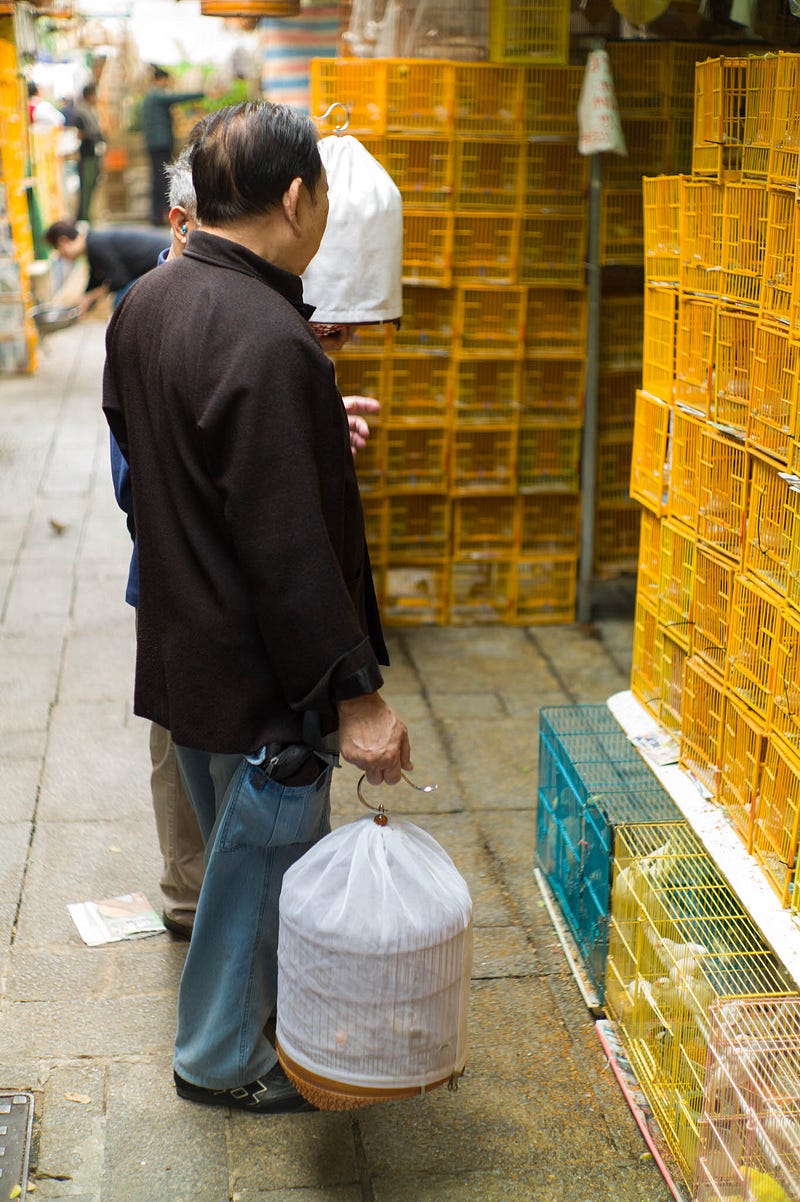

A7+ 11663 + LR 5.0 (2013–2014)
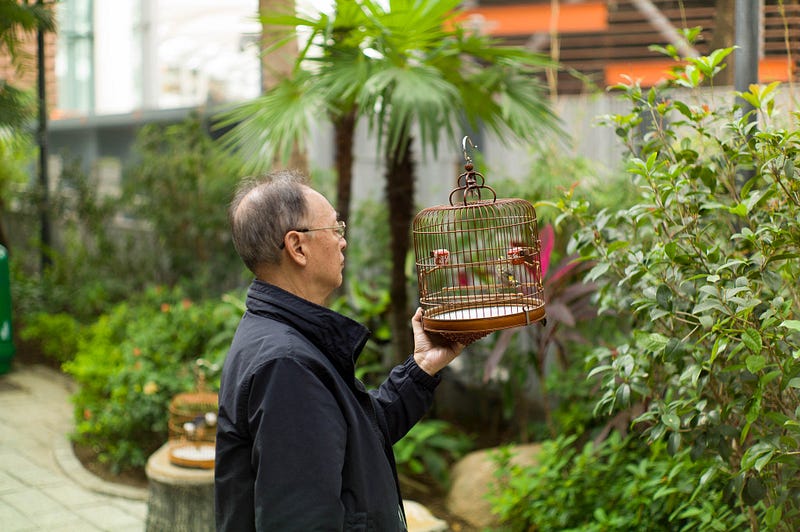
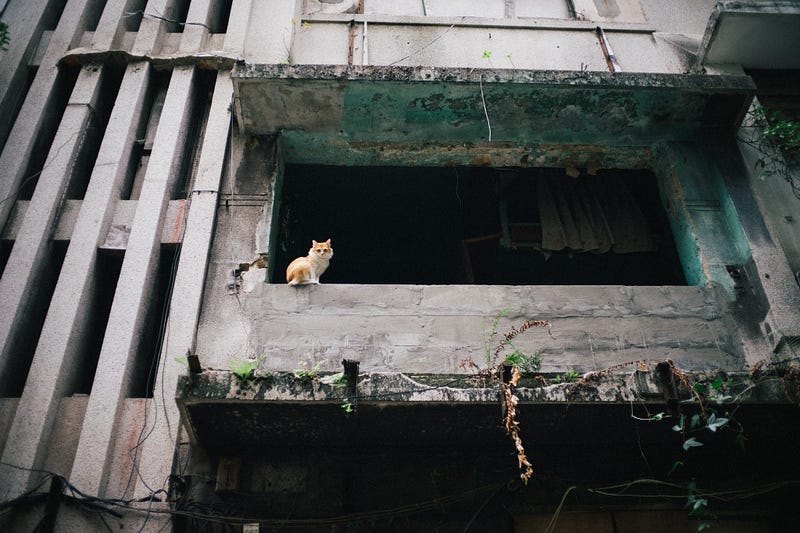
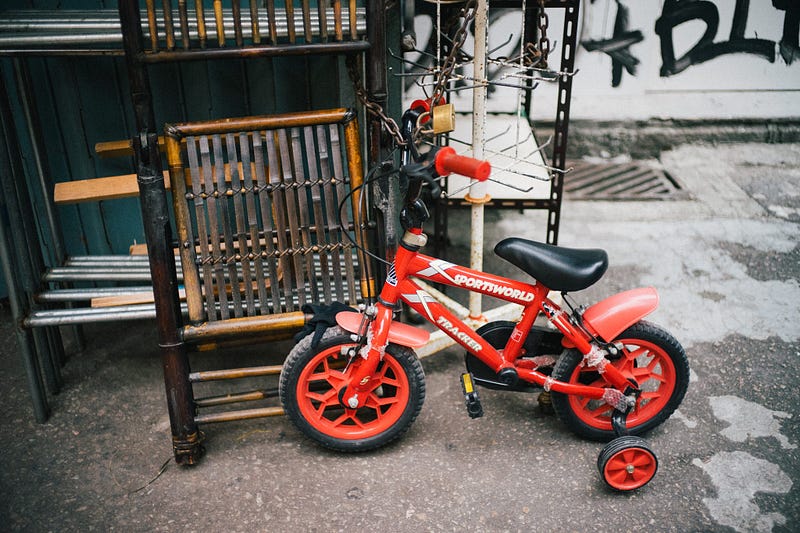
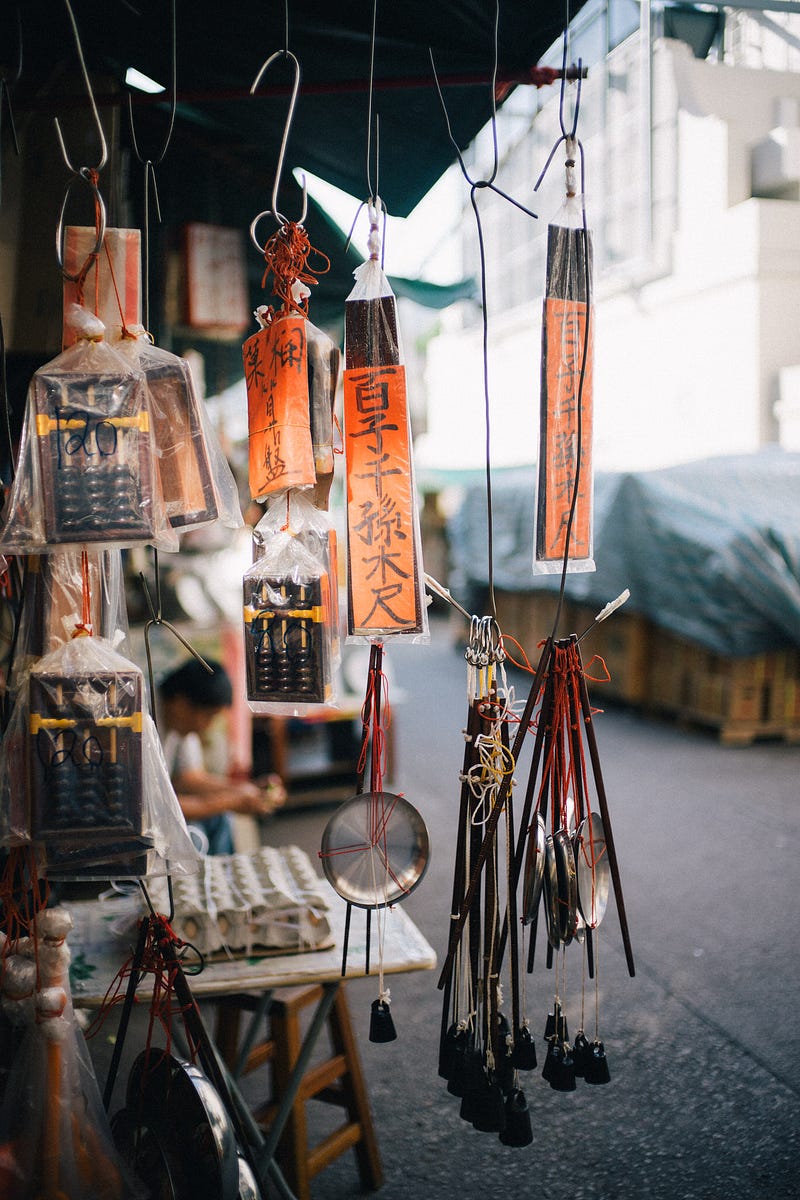
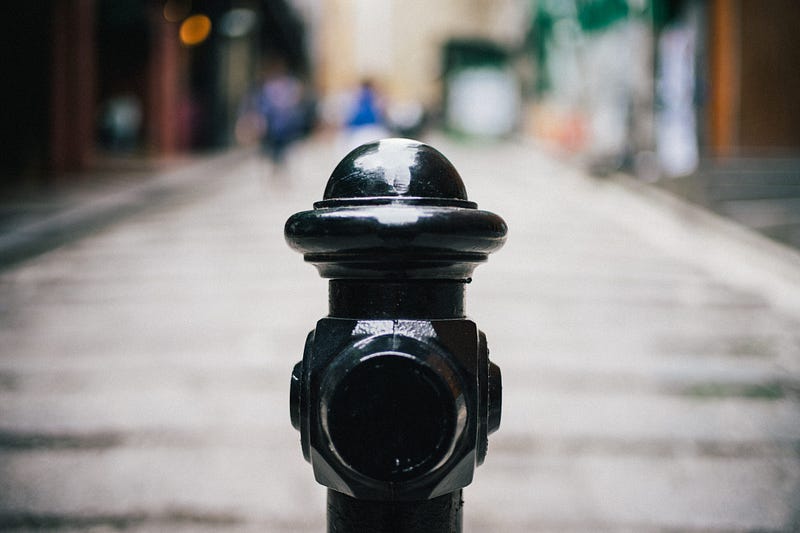
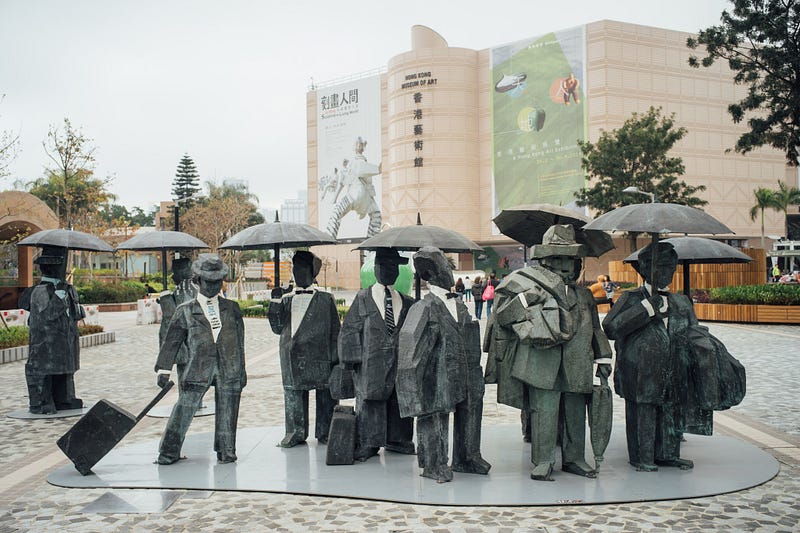
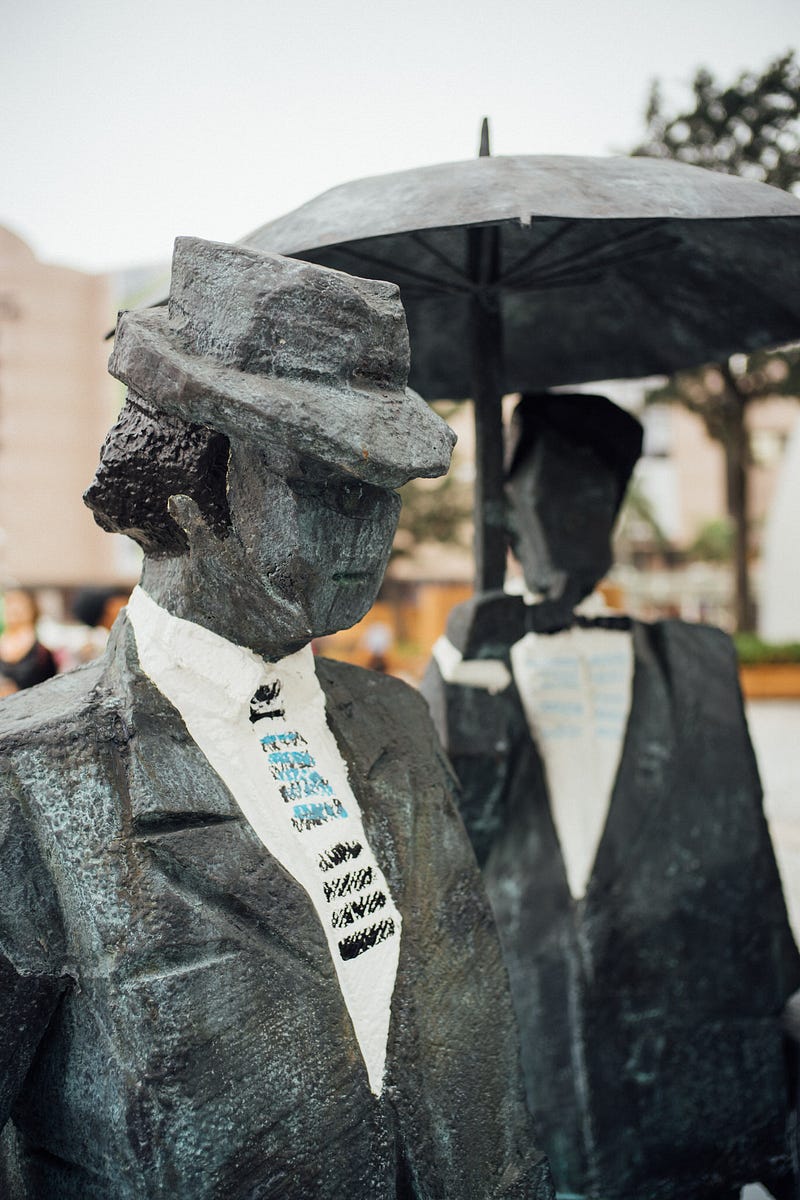
In contrast to the M9’s hard-edged, hard-edged style, I prefer the 11663’s performance on the first A7 MK1. Although the A7 MK1 still used a thick filter and the border images were a little loose, the greyish, flat style of Sony’s images and the 11663’s style were in harmony with each other, and the A7 was already using VSCO negative style files, so the result was quite good and suited the author’s taste. …



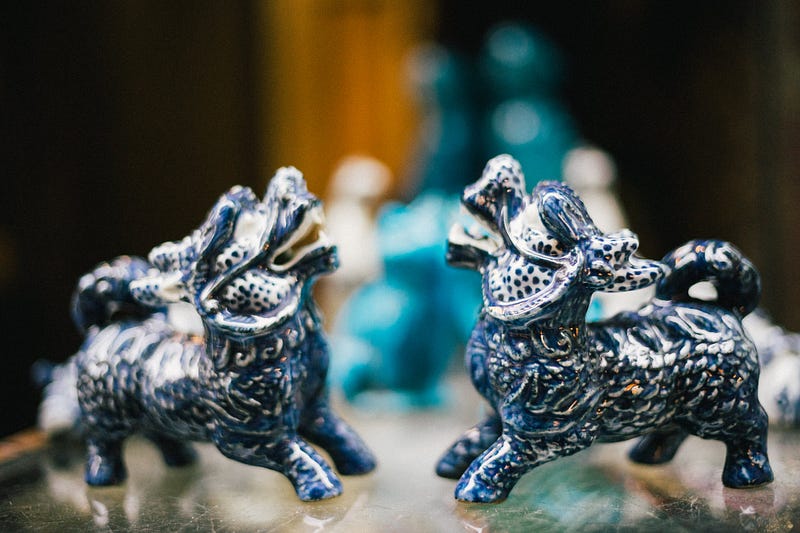
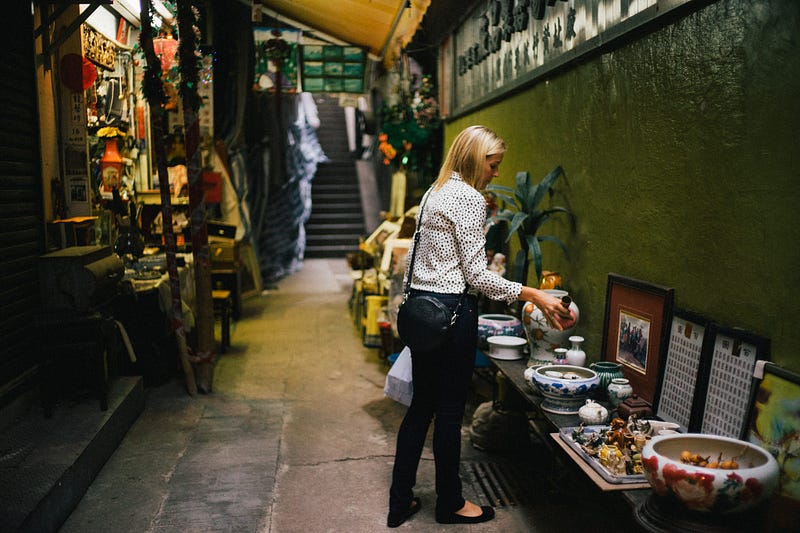

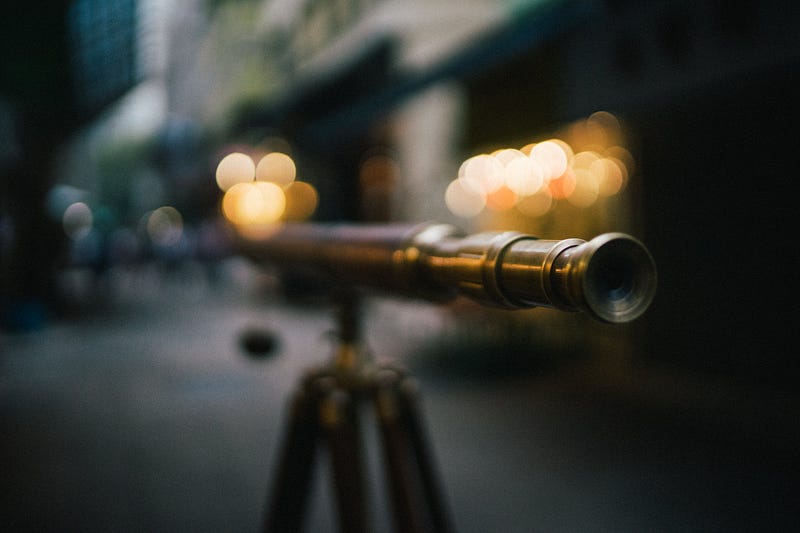
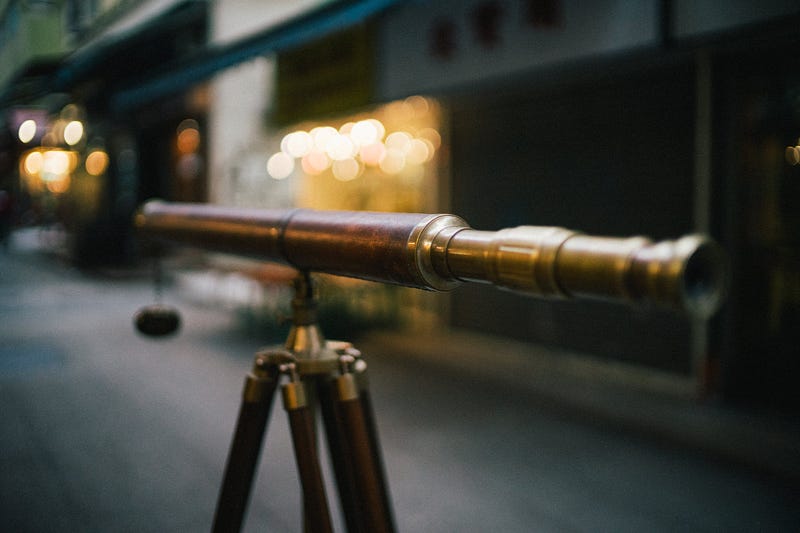







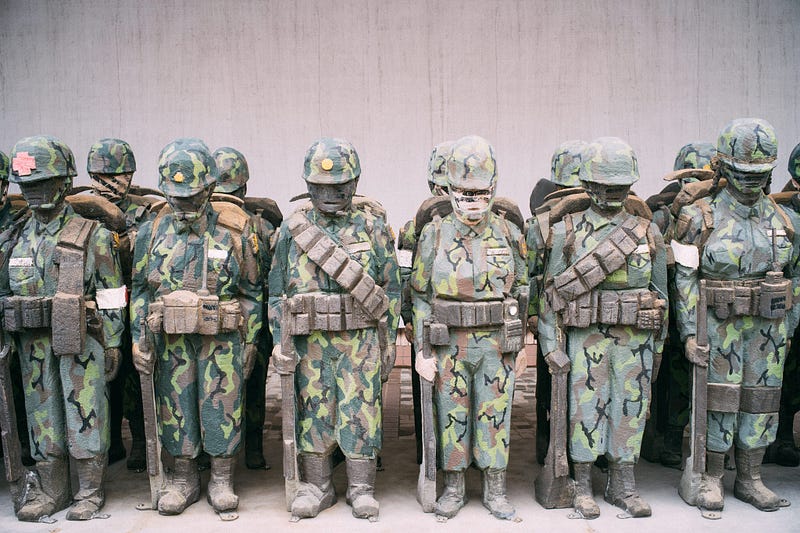




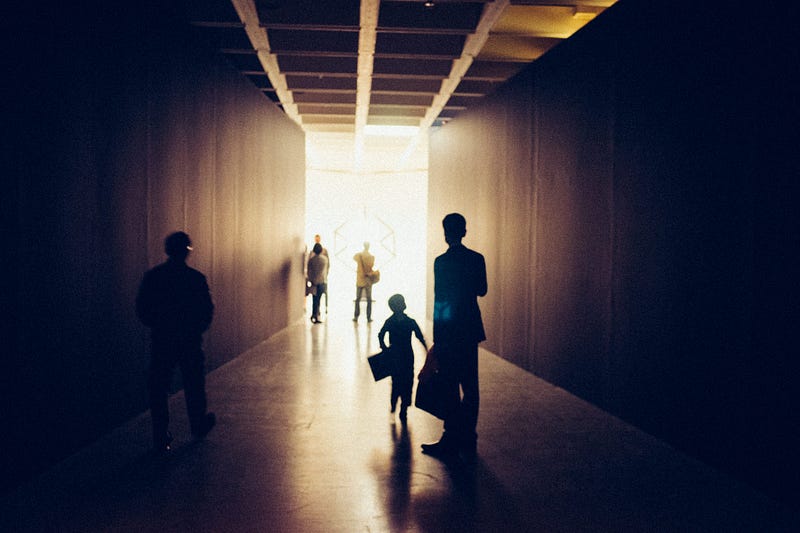




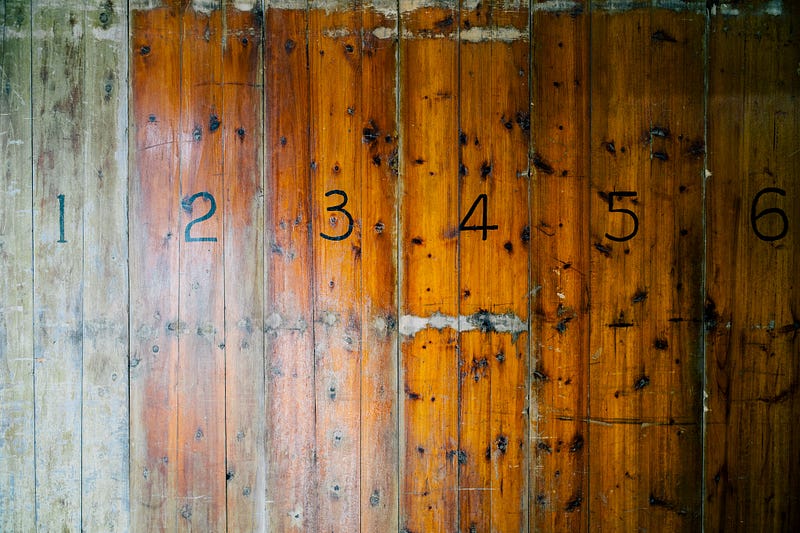

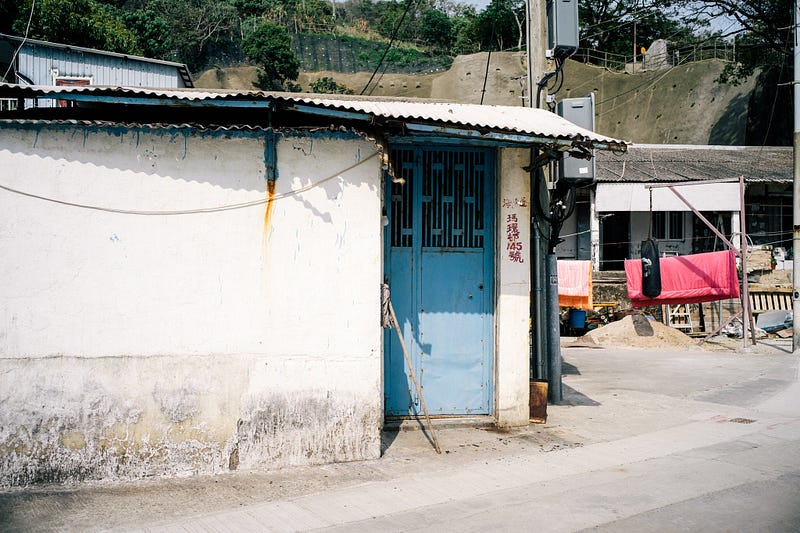

A7R2/R3 thin mod + 11663
I still use the A7R3 thin filter mod as one of my main cameras today. The sensor used in the R2/R3 is designed by Sony’s image department and Sensor Division for mirrorless cameras with high quality, high image count and high speed… Even though it’s been more than six years since the A7R2 was launched in 2015, the R2/R3 RAW images are still perfect. The R2/R3 RAW images are still excellent today…
The most significant selling point of the Sony body at the time was the ability to focus on the Techart Auto-Focus adapter. Although the focus accuracy was not too stable, it was still usable after getting used to it and was a perfect tool for photographing children at home… Today, if the Fotodiox AFM2 auto-focus ring can be used, the focus performance and stability will be even better…
The following photos were re-processed by the author using LR 10.4 and then simply applying different negative style files…

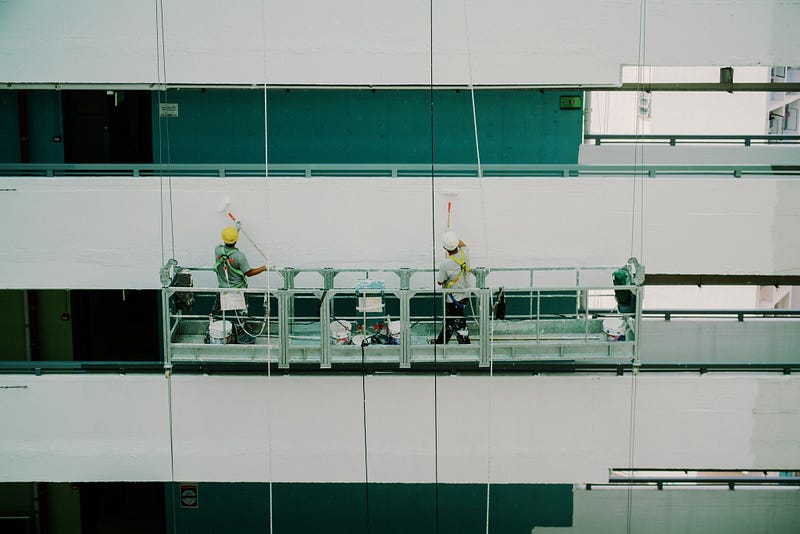
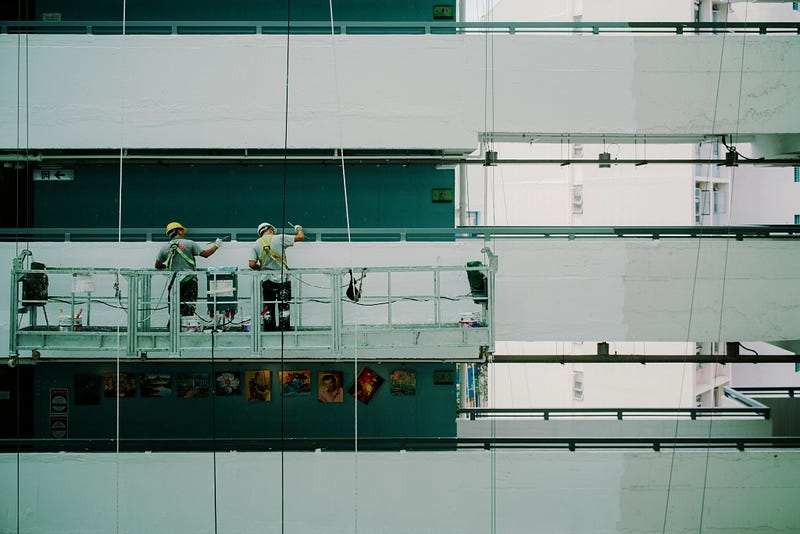






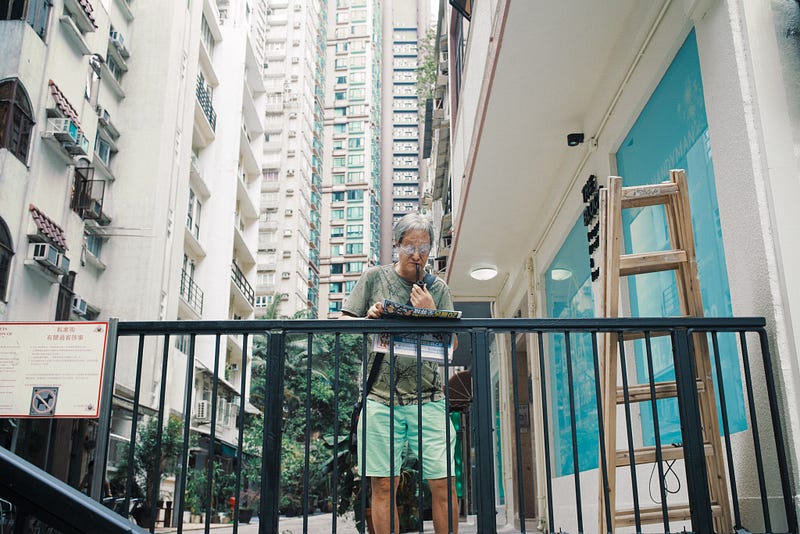




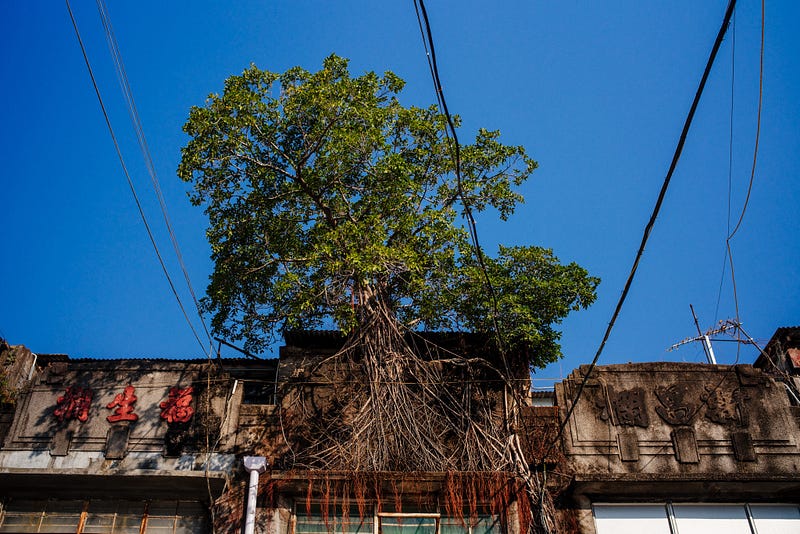



Black and white photos
A7R2/3 thin filter mod + LR10.4+Nik Silver Efex 3
11663 The micro-contrast of the lens is very good. Although the contrast is a little high, the sense of detail and colour gradation is still very rich, black and white we can adjust photos in relatively large space…
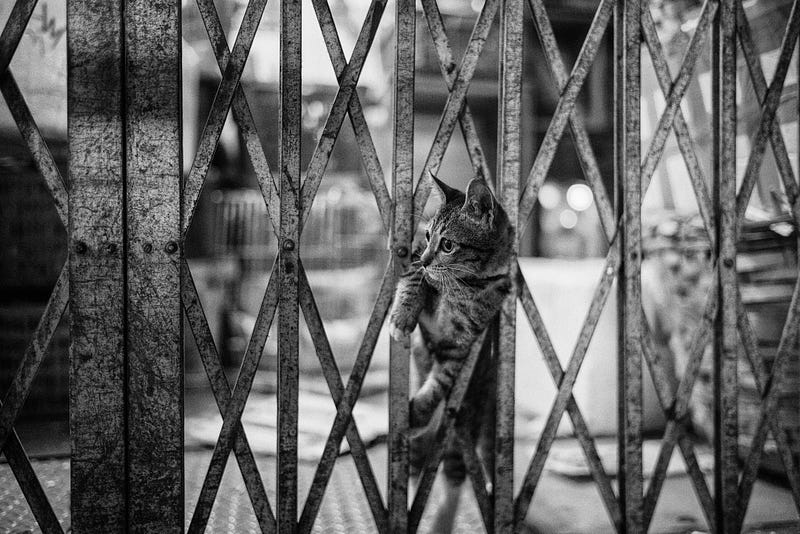
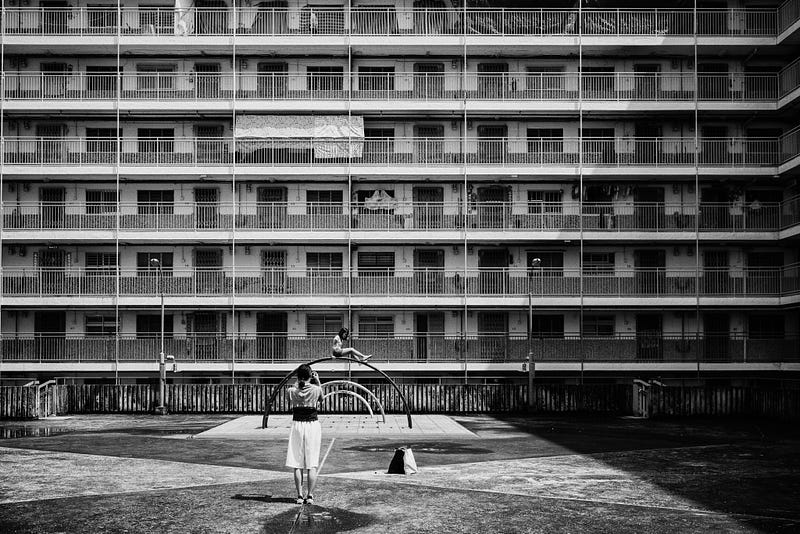

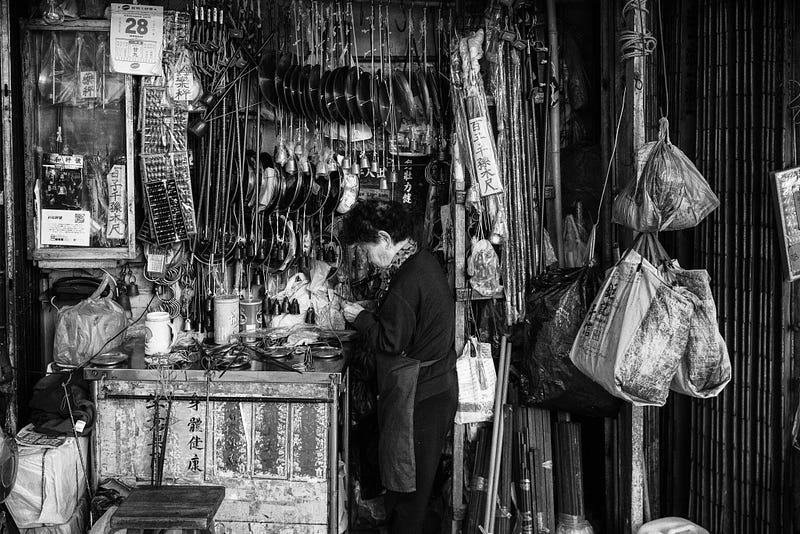


Lightroom vs Capture One Pro straight out / simple post-processing…
In the digital age, the use of different post-processing RAW software has a crucial impact on the image quality or style… However, unlike the Leica M9 era, most of you converted your photos to JPEG by simply adjusting the light and dark contrast through Lightroom / PS…
One reason is that Sony RAW imaging style is more video-oriented and flat to get more space, and the dark and light levels may deviate from Leica / Fuji’s emphasis on their image style… But in fact, Sony leaves the post-processing adjustments to the users themselves. The new generation of beginners and youngsters have long been used to using Sony RAW to perform specific post-processing procedures, but the process depends on the individual… I have been using my R2/R3 camera for over six years, and I have been very used to the process for a long time. It’s just a matter of whether you want to leave the post-processing process to the Leica body processor or do it yourself… There is no best, only the post-processing process that suits your taste/needs…




11663+ A7R2/3 thin filter mod + C1 Pro21 + TCP K64 Film Preset
Capture one Pro 21 RAW to Jpeg. The overall tone will be hard, if you like a hard, sharp, high contrast style, you should enjoy it, and the photos will be more accessible on the eyes…
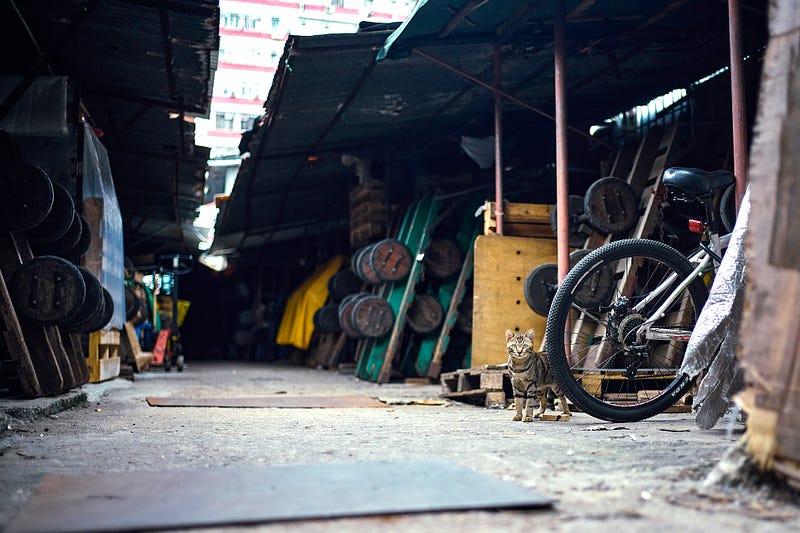



Why not both? It depends on the image style you want to express and use different software to interpret it. For example, if I want a more 3D popup flavour and a more rigid colour tone/contrast, then I use C1. if I want a more subdued look, I use Lightroom, which has a vast range of negative style files to choose from.
Whether Leica bodies use Leica lenses is the best, this differs from person to person… The taste of the photos from the M9/M240/M10/SL body sensors/processors are different. Sometimes I also like to force off the 6-bit lens correction file to capture more of the original flavour of the lens. Sometimes the dark corners appear to make the subject more central… you can do your post-processing to get the effect you want… I didn’t use the 11663 on the M9p when I got it again in 2017, but I used the summicron more back then because of the summicron lightweight bodies and the 18mp image size. For many street photographers, the Summicron series is far more practical than the Summilux… Most of the aperture values are around F5.6 — F11 anyway…
If I were to borrow the 11663 again, I would most likely only use it on the A7R3. The combination of the M10’s high hard tone, high contrast processor and the hard tone of the 11663 is not the author’s preferred imaging style…
Conclusion
Overall, I think the Leica Summilux-M 35mm F1.4 FLE ASPH is a highly finished lens, with a strong image style, vivid colours and a great deal of personality. The 3D popup and rich micro-contrast are also very attractive.
Compared to the earlier Summilux 35mm F1.4, which required a fully open aperture and a specific light source and environment to perform well… the 11663 is an all-rounder. Whether you are a novice or a veteran, you will find value in it… Today, when old lenses are speculated to an unreasonable or crazy price of summicron lenses, it is true that the second-hand price of the 11663 is more affordable. The Leica 35mm lens has no weaknesses to speak of, and I would rather play with the heavier 11874/11663 than the crazy speculation.
The following brief introduction to 11874 contains the author’s views on 11874 vs 11663…
IF you Like my reviews , please support me by buying me a coffee.


Other related articles by the author:
Film Preset used in this reviews:
If you like this post, feel free to give me a pat on the back and let me know you like it too XD
You can also follow me by pressing the Follow button, but unfortunately, you can’t set up a sneak preview XD. If you are willing to pay USD 1 per month for a cup of coffee, you can support me in my “Words are worth it, photos are worth it”. I have been writing blogs for more than ten years so that you may have read my Minolta articles, other equipment and photo tips in the past. It is not easy to maintain this interest in blogging. Today, many photographers like to shoot youtube or use pictures instead of writing, so in-depth introduction and evaluation may be a chore for many people. Still, I believe that words and photos have a specific value. I have many more pictures and photographs that I would like to share with you, and a little financial contribution from you would help me go further or write.
If you are interested in paying for a cup of coffee every month, subscribe to the author Patreon at:
Rokkorx’s Blog | Facebook https://youpic.com/photographer/samleehk/ https://www.flickr.com/photos/rokkorx/ https://www.instagram.com/samlee.hk/


