
The Classic Film Presets(TCP) : Classic Mini Lab Pro For those who like Fujifilm & Kodak Lightroom Film Preset User (Frontier &Noritsu)
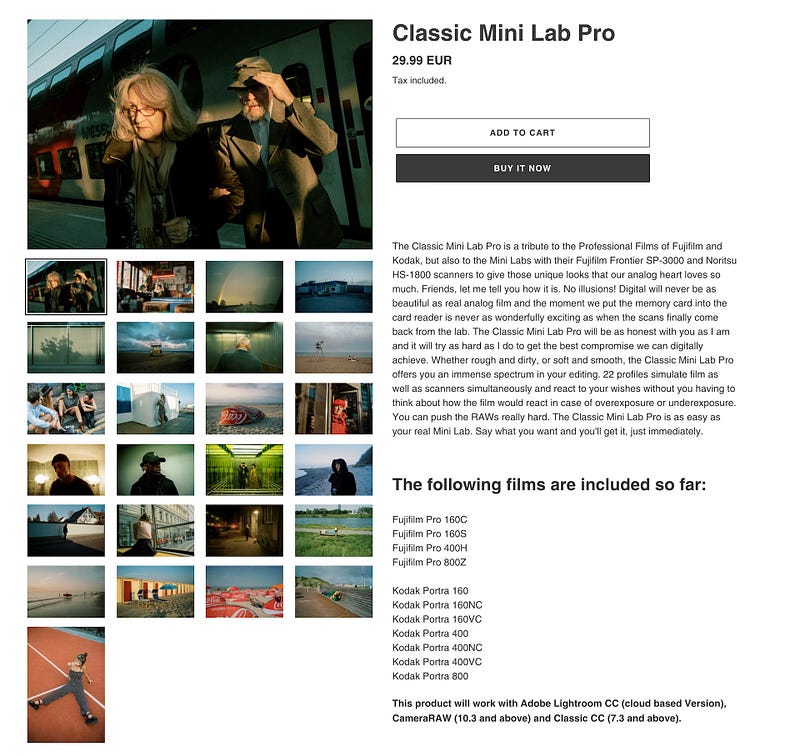
I am a big fan of The Classic Film Preset… The developer, German photographer andré duhme, is a film lover and commercial photographer releasing different Lightroom / C1 Film Presets style files in recent years. The style files are characterised by lower contrast and less black space than other manufacturers, allowing more room for post-production adjustments… Classic Mini Lab offers both Fujifilm & Kodak Lightroom negative styles (Frontier SP-3000 and Noritsu HS-1800 scanners)… scanners ) …
In Hong Kong, Noritsu film scanners use in general, and the colours are more red and warm, probably because they used to specialise in wedding photos… The author is also used to the images from Noritsu… Compared to Frontier, film-scanners are a bit cooler, and there are not many places in Hong Kong that use Frontier
As the developer says, it is impossible to get the same taste from a digital negative. At best, it is a close approximation. It is a skill/technique to choose the right style for a photograph, and it may require a certain level of knowledge of the negative to get a better match… It is also fun to try out different film style files… Trying out other film style files and applying them to my old work is also a second chance to re-examine my old work
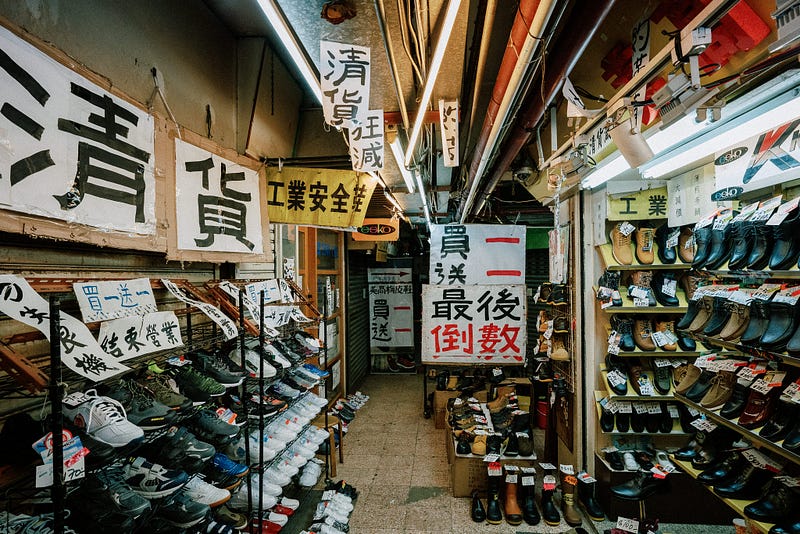
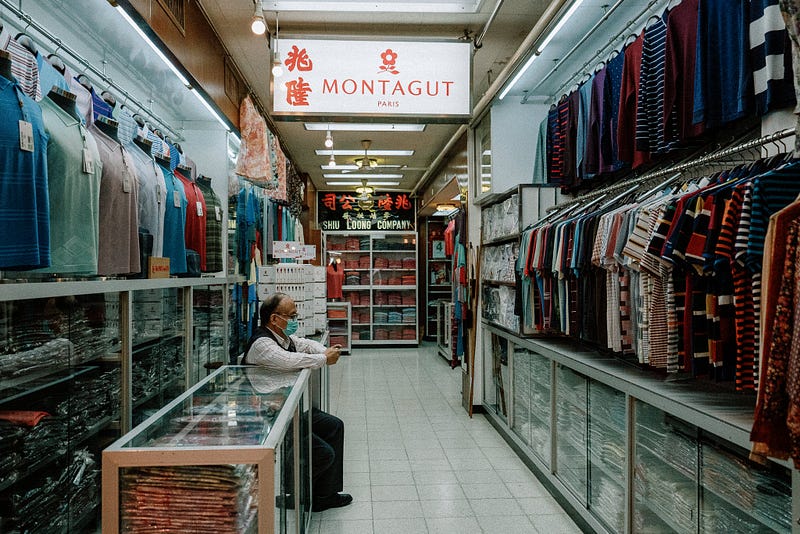
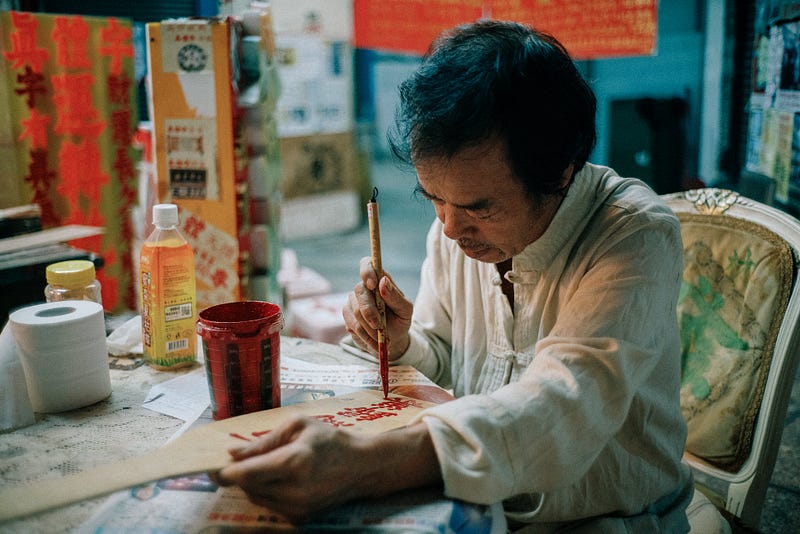
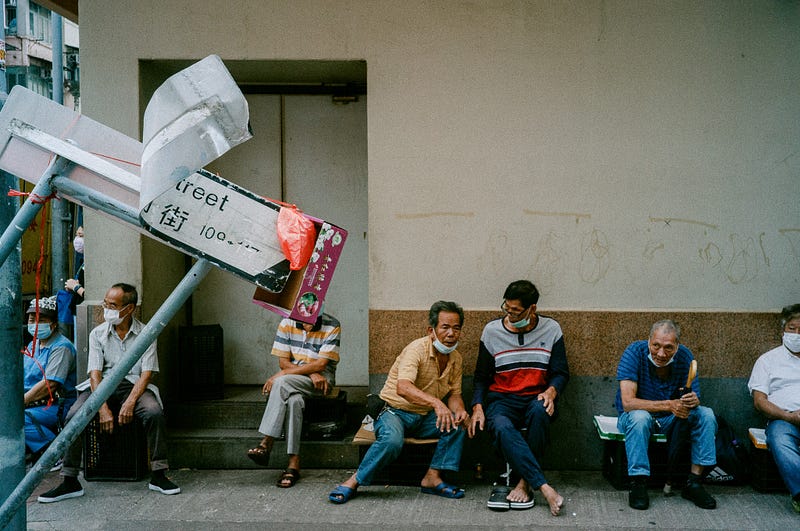
The Fujifilm Pro 160C is a film style file that brings out bright, rich colours and natural skin tones.

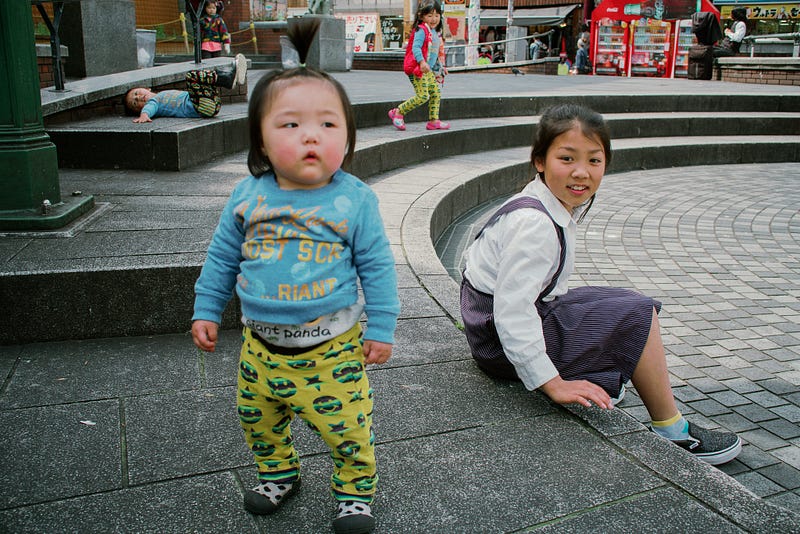
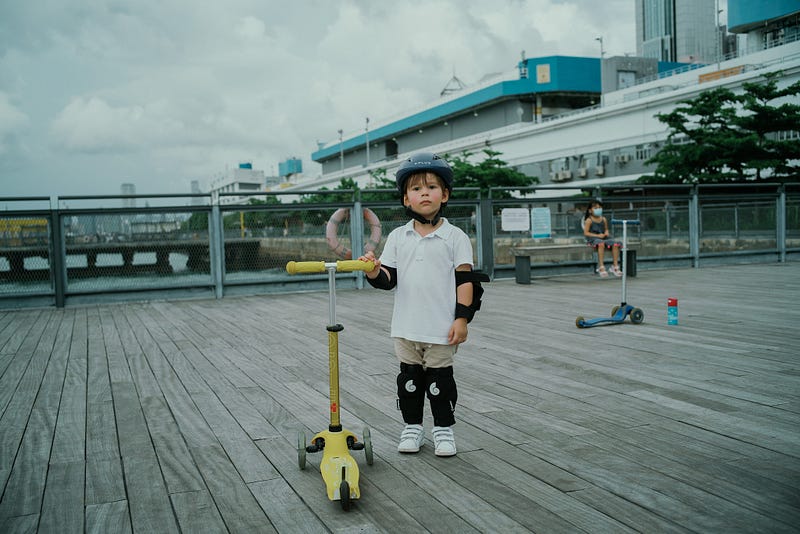
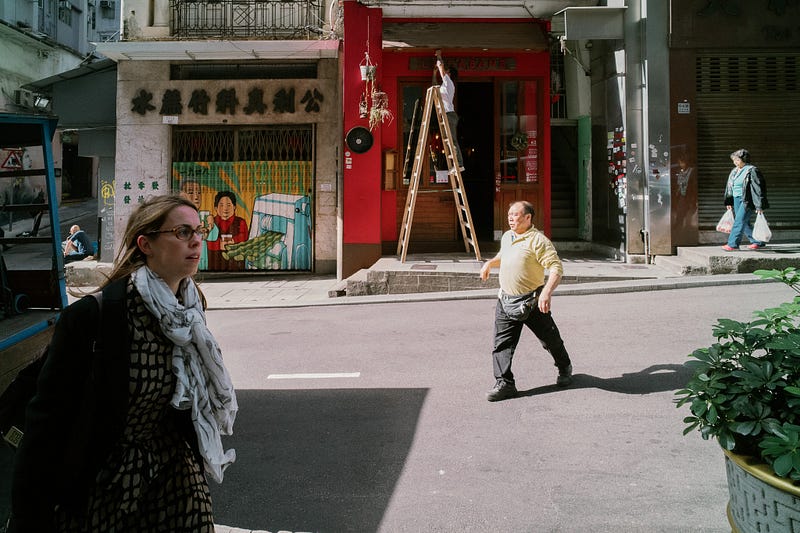
Kodak Portra 160VC, VC stands for Vivid Colour, and the negative is very fine… Kodak Portra always gives you a clean, clear image…
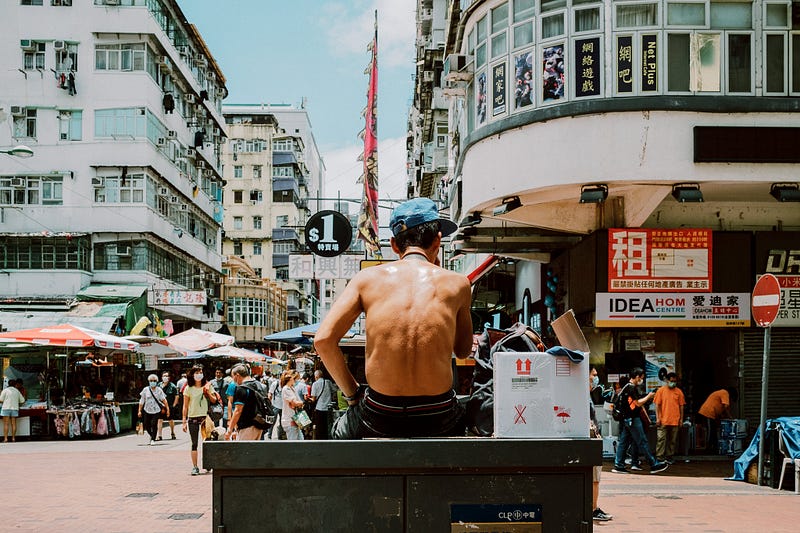
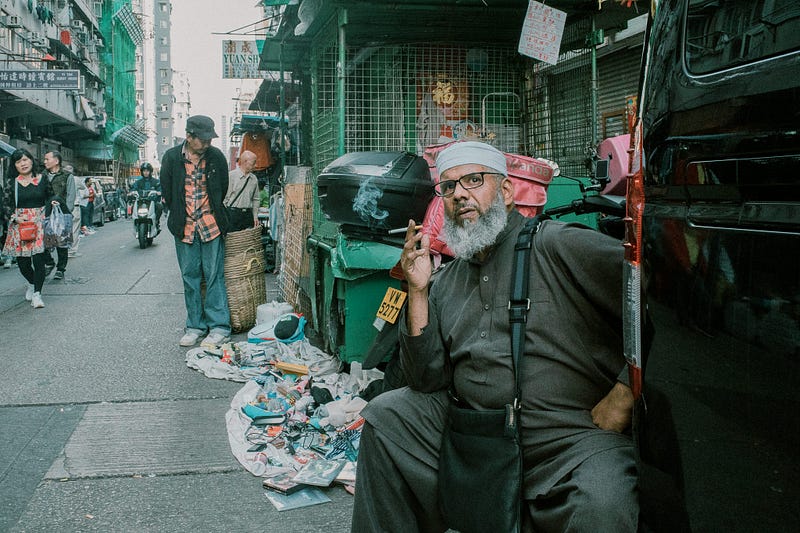
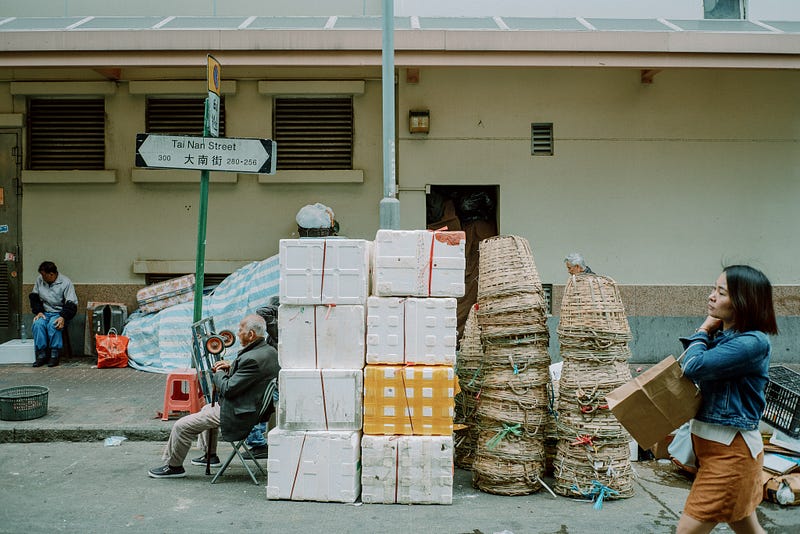
The Fujifilm 400H is my favourite universal film style file, featuring a high speed of 400 sensitivity, wide exposure latitude, a very distinctive blue-green tone and a light colour palette. Perfect for general outdoor shooting and travel…
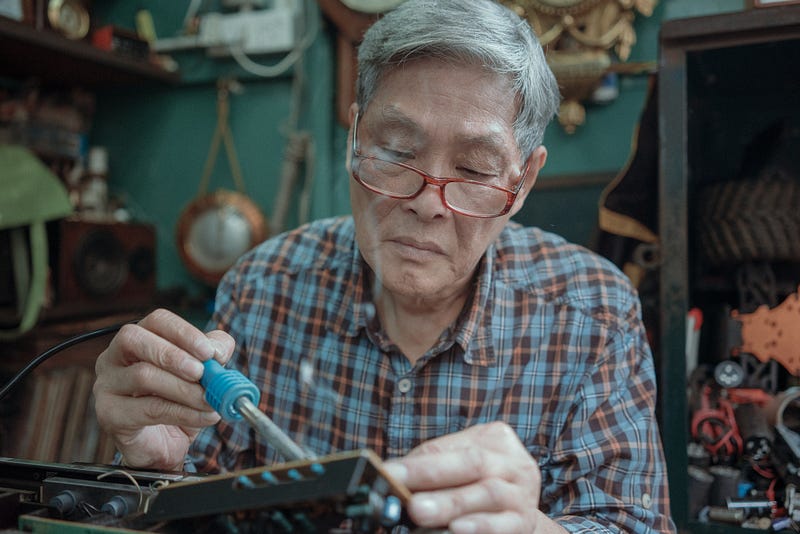

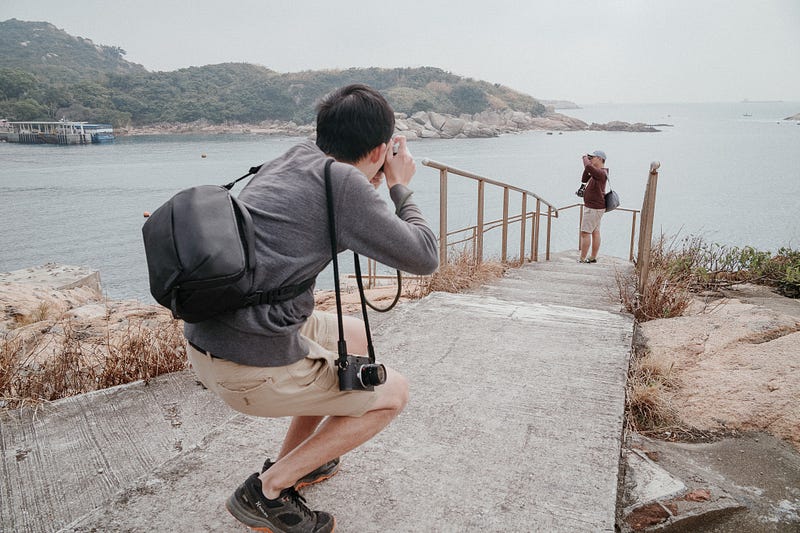
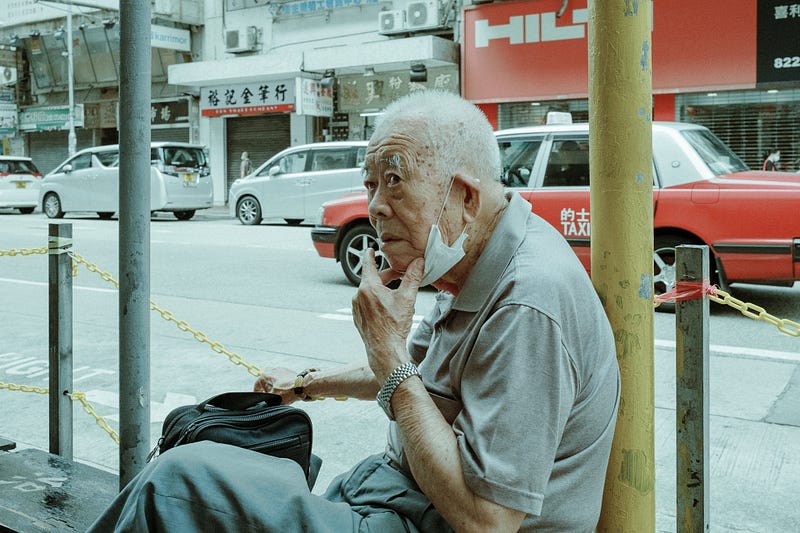
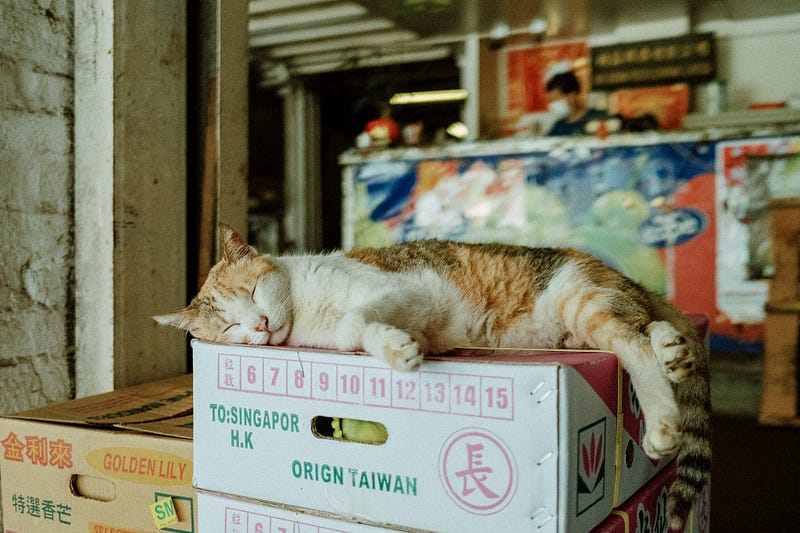
Portra 400NC, NC is the “Neutral Colour”, or middle colour, where you get a softer, thicker, dreamy colour that faithfully reflects reality…
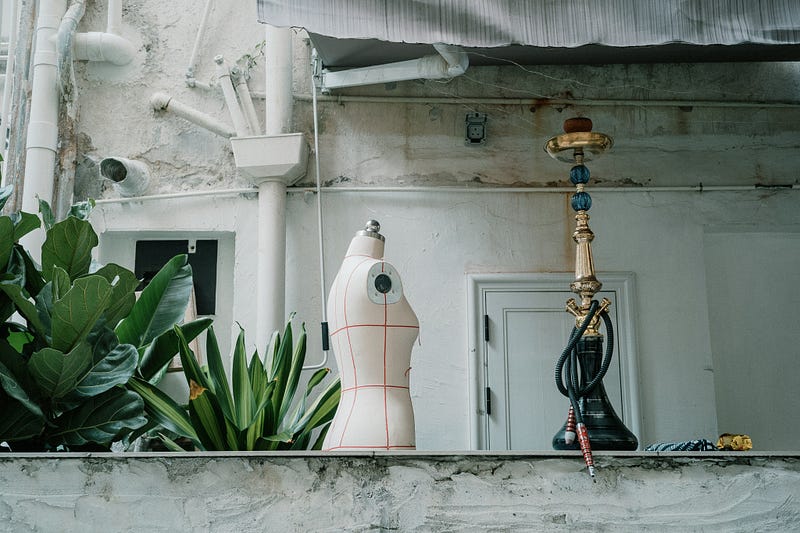
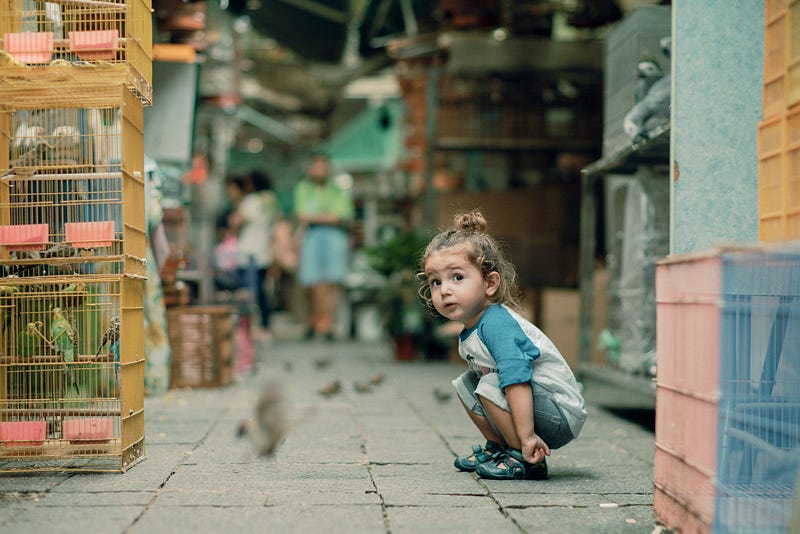
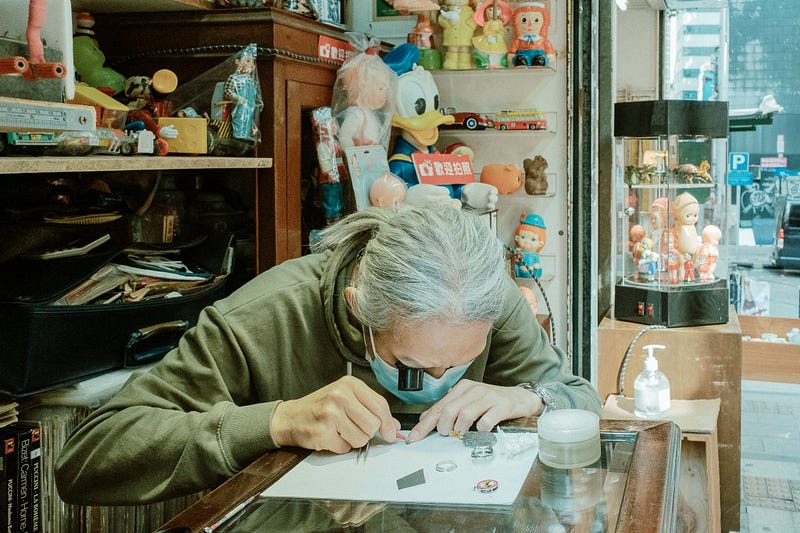
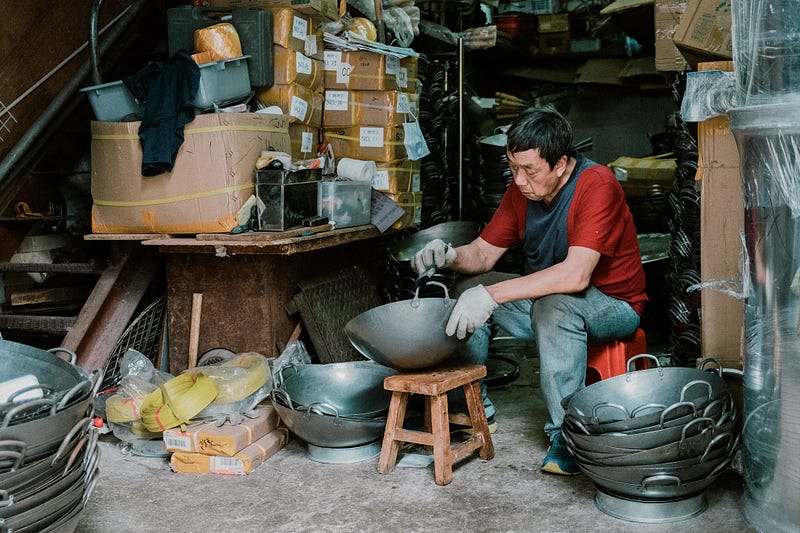
The Kodak Portra 800 is a high-speed negative, ideal for evening or low-light use
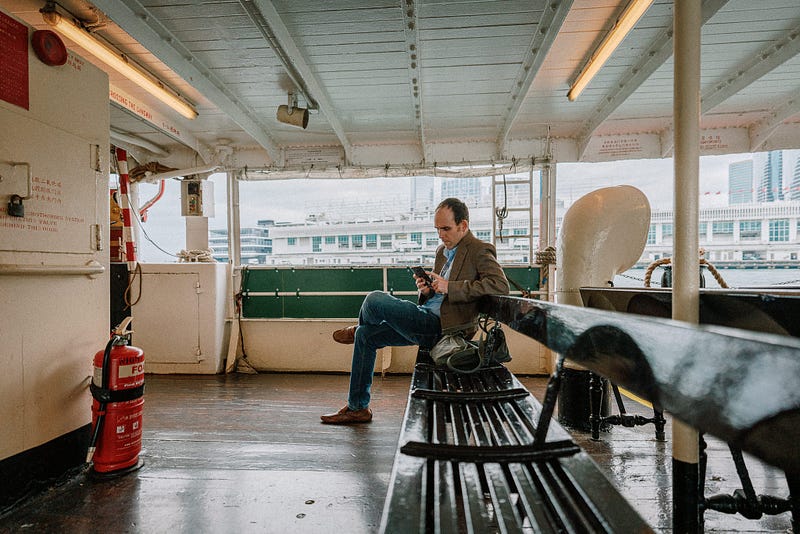
Conclusion
For me, choosing a film style is a matter of re-examining my choice of colour… There is no such thing as the best, only the one that suits me… I don’t believe that you can get a universal film style at the click of a button… Learn how to use different film styles according to the changing environment and mood, and it may be easier to get the effect you want… For me, every time a new film style is available, I may only end up with two or three that I can use… The most important thing is that you can have a picture in your mind of what that film style will look like… It is essential to anticipate.
If you like it, you can buy it at the following website…
You can also get a rebate from the author through Affiliate links… https://theclassicpresets.com/?ref=o71q594tf2 Use Coupon Code “Rokkorx” for 15% off when you pay Or contact me on FB or IG for more special offers…
Classic Mini Lab Pro — The Classic Presets
If you like this post, feel free to give me a pat on the back and let me know you like it too XD
You can also follow me by pressing the Follow button, but unfortunately, you can’t set up a sneak preview XD. If you are willing to pay USD 1 per month for a cup of coffee, you can support me in my “Words are worth it, photos are worth it”. I have been writing blogs for more than ten years so that you may have read my Minolta articles, other equipment and photo tips in the past. It is not easy to maintain this interest in blogging. Today, many photographers like to shoot youtube or use pictures instead of writing, so in-depth introduction and evaluation may be a chore for many people. Still, I believe that words and photos have a specific value. I have many more pictures and photographs that I would like to share with you, and a little financial contribution from you would help me go further or write.
If you are interested in paying for a cup of coffee every month, subscribe to the author Patreon at:
You can also sponsor me to write a one-off article through Payme

Thank you for reading.
Facebook : 攝影二三事 MeWe: https://mewe.com/p/rokkorx 街拍。日常: https://www.facebook.com/StreetRokkorx/ https://www.flickr.com/photos/rokkorx/ https://www.instagram.com/samlee.hk/


