
Leica Summilux-M 35mm F1.4 (11874)
One of the Best 35mm lenses fit Film & Digital Use
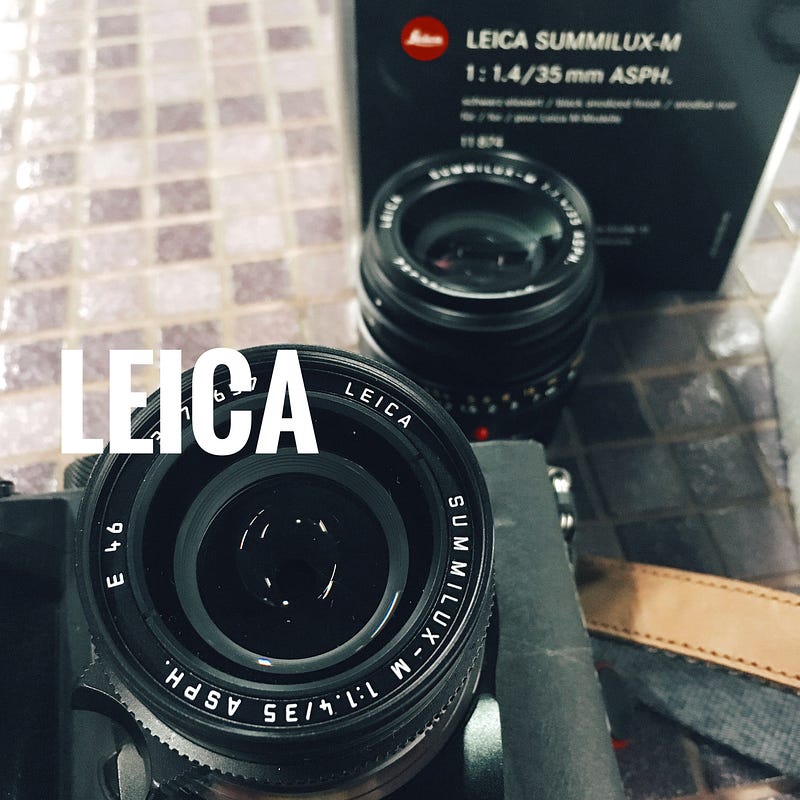
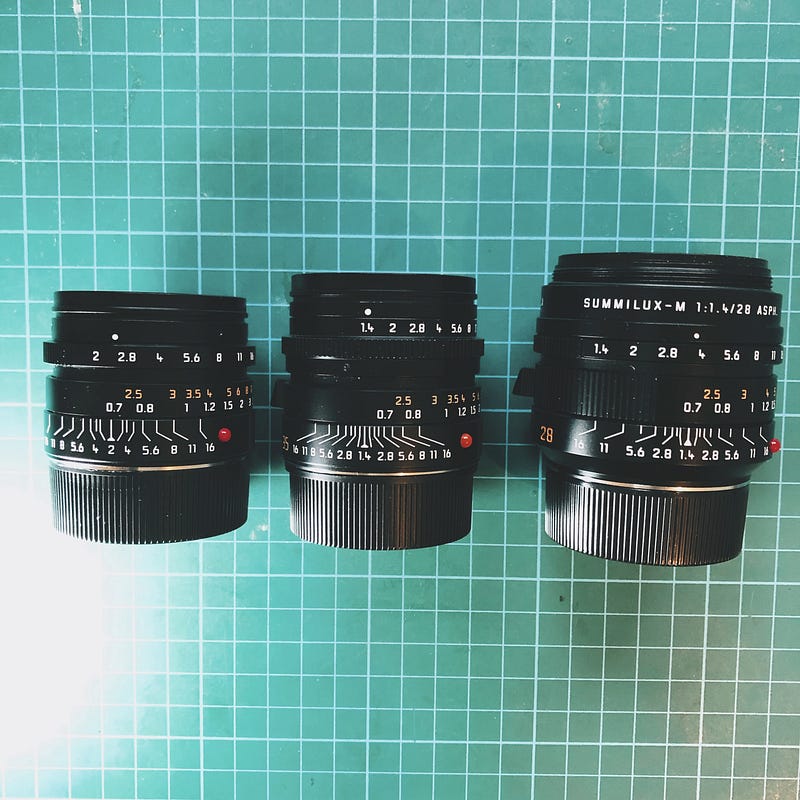
Today we are talking about a Leica Summilux-M 35mm F1.4 ASPH (11874) lens, which is less discussed online. Although Leica 35mm lens has no weaknesses, 11874 online discussion/reviews or tips can be considered very small.
A Brief Introduction to each Generation of Leica 35/1.4
First generation: Summilux-M 35mm F1.4 pre-asph (11870) /1961–1990
The most prolonged production age, as long as 30 years, people generally call it Pre-A, online reviews, photos are very much. The most significant selling point is the F1.4–2.8 high light position will appear high light spill “ Leica Glow “, used in each aperture value on the negative will have a different tone. The most significant selling point is the “Leica Glow” highlight overflow at F1.4–2.8, which has a different tone for each aperture value on the negative. It is a very personalized lens.
Second generation : Summilux-M 35mm F1.4 Aspherical AA (11873) / 1990–1994
Leica has used a new lens design with the first glass recessed and two pieces of ASPH aspherical glass. Compared to the previous generation, Pre-A edge imaging and imaging at maximum aperture has improved. The front ring of the double non-lens engraving is ASPHERICAL. The last aspheric lens, due to grinding, requires manual processing, the cost is very high, production capacity/yield is meagre, about only 2000–3000 trees, so the price of a high value. This one can be considered more of a collector’s item than practical use.
Third Generation : Summilux-M 35mm F1.4 ASPH (11874) / 1994–2010
In 1994, Leica released the new lens design Summilux-M ASPH, a negative/digital also very suitable for lenses. It is introduced in this article.
Fourth Generation : Summilux-M 35mm F1.4 ASPH FLE (11663) / 2010– Now
The 11663, which is in mass production, continues to use the original 11874 optical design, but adds a floating lens design FLE (Floating Lens Element) to improve the problem of inaccurate/running focus at close range, and updates the lens Coating for digital use. is an upgraded version of the 11874.
I bought the Leica 35/1.4 ASPH (from now on: 11874) for about two years, before that I also owned the 11663 for about four years, in 2018 the fate came, I was able to get the new identical 11874 at a very good price and quickly sold the 11663, and then also got the ZM 35/1.4, MS OPTICAL 35/1.4, also bought/tried Leica 35/1.4 Pre-A before/during the period … I can say 11874 temporarily one of my’s favourite 35mm lens
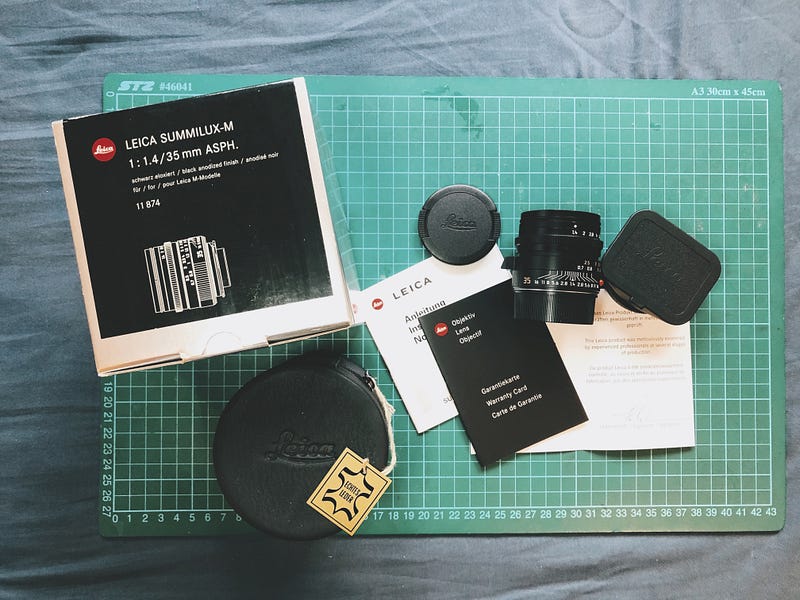
Two or three things to note about buying 11874
Shift Focus Situation
(Early Batch)11874 There is a chance that the focus will be shifted, simply put, you obviously take the subject’s eyes as the focus, but after shooting, you find that the picture is the most clarity place is the tip of his nose/ears and other areas, this is the shift focus issues.
The problem of shifting focus may not appear in every machine. For example, maybe you have a digital: m8/m9/M10/negative: MP/M6, used in the m8/m9 does not shift focus but used in the M10 to shift focus. This will produce a certain amount of inaccuracy as the focus is shifted on all negative machines, but not on digital camera. You have now used in the M10 no problem but used in the future launch of the M11 have the opportunity to face shift focus…
The problem of focus shifting can be dealt with by sending it for repair, and it is best to send your commonly used/main body for the repair together with a spell of adjustment. But the problem is that after adjusting the focus problem, it may bring other issues. For example, if you send it in with the M10, M10 + 11874, the focus problem is solved, but with the negative MP/M3 or other bodies may also have issues such as focus. Or the M10 + 11874 focus problem is solved, but the use of other side lenses such 35/2 ASPH or different lenses will have run out of focus and other situations because the repair process is to optimize the M10 + 11874 focus accuracy.
I think the best way to deal with / cope with the problem of focus shifting. Bring your main camera on the spot when buying to avoid focus shifting and other issues. On the spot to take a few pictures of different distances, close/medium distance to see if there is a focus shift after shooting. In addition, the use of EVF focus can indirectly solve the problem of focus shift, but this will also lose the role of the focus ruler.
The first batch white box ? The later silver box option?
When choosing 11874, many people will choose early batch or later batch depending on whether they are taking negatives or digital. The simple point is that you can select the white box for your main negative and the silver box for your digital.
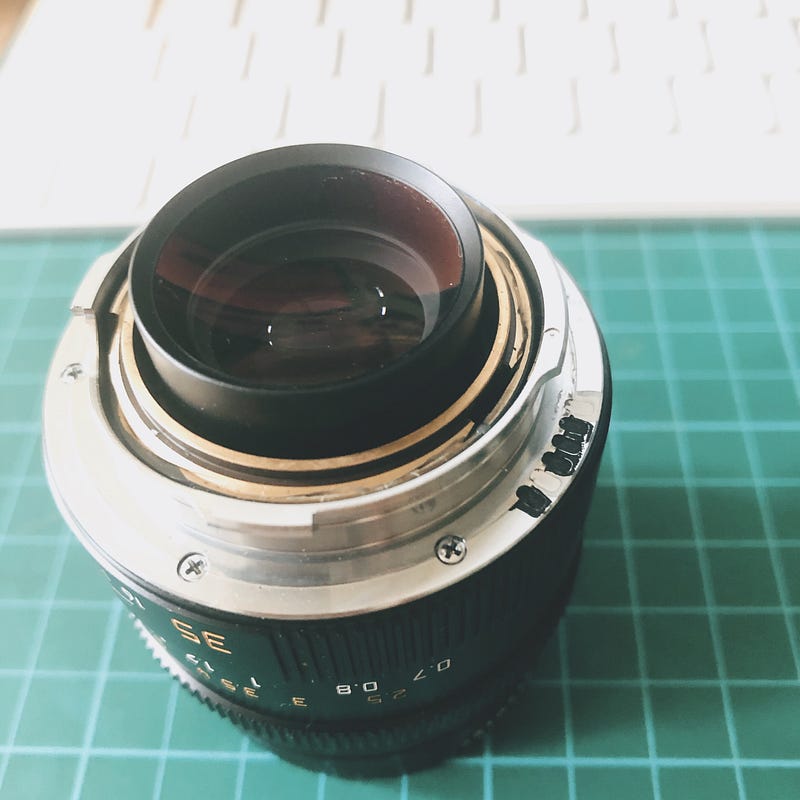
The later silver box is improved for the shift focus problem, SN:4xxxxxx hit after the 11874 still contains 6-bit Coding, the author hands 397xxxx already belongs to the very late 11874, shift focus problem is basically less noticeable. The later batches will be better than the earlier ones in digital optimization, even though M8 has been launched on the market. Early white box lens glass may contain lead, may be used in the negative will be good, not every tree will also appear out of focus, the most important or to test themselves XD
The glass of the silver box has been changed to eco-friendly glass in the later stage. I feel that the digital processing of the last stages may be more evident than the leaded glass. Of course, buy Leica lenses are full of many legendary dogma/beliefs, I still do not have the time / financial resources to seriously look at, it seems to be better to leave it to other LEICA experts to share XD
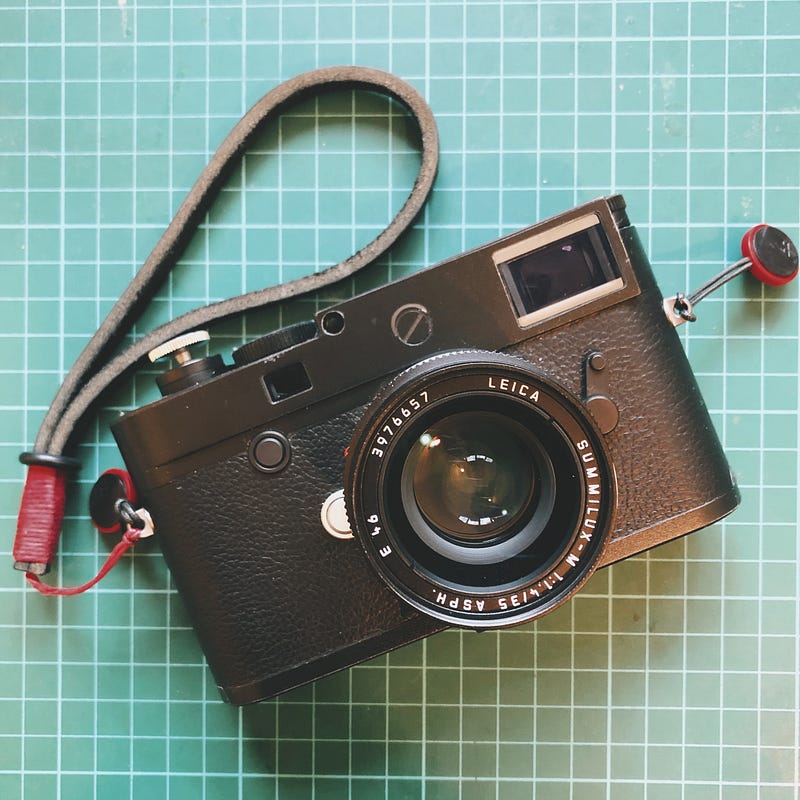
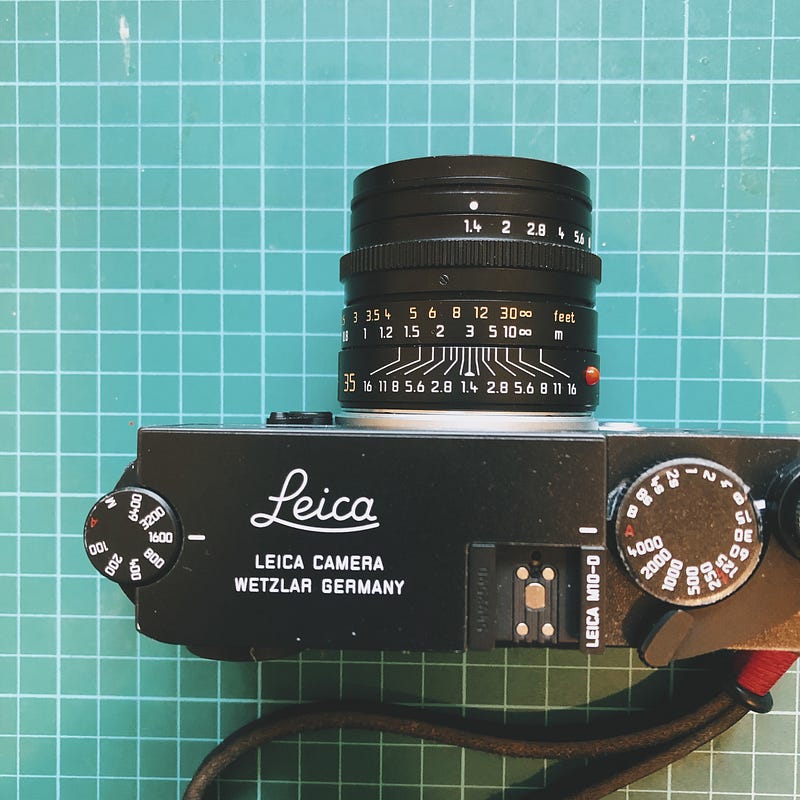
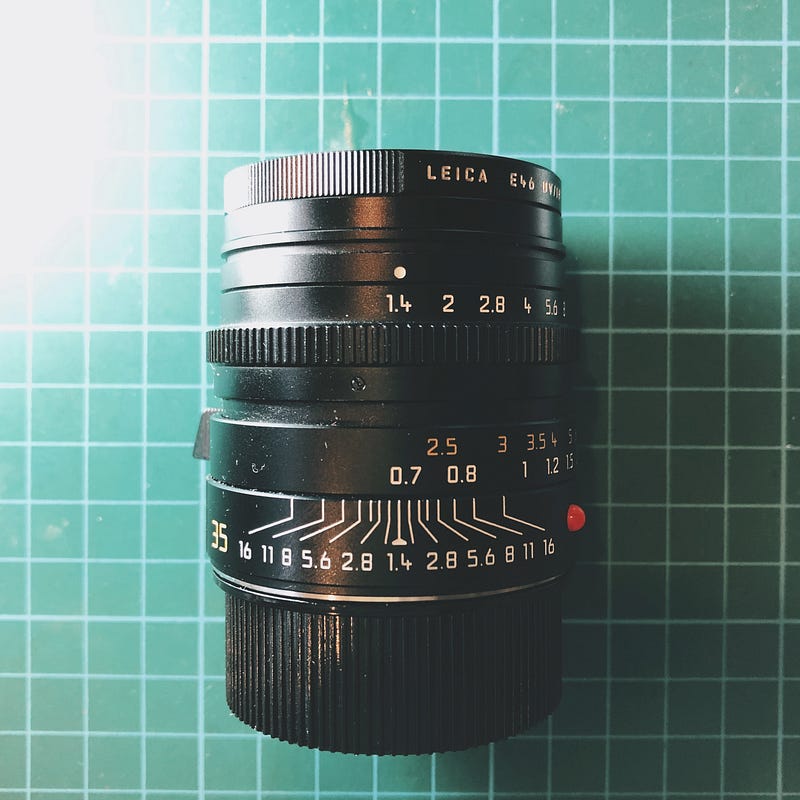
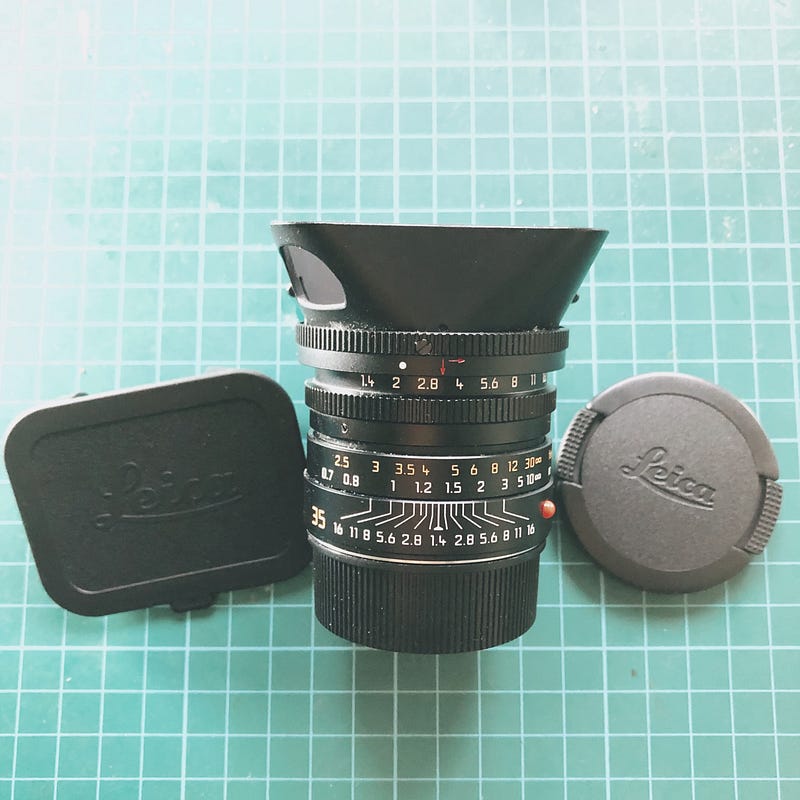
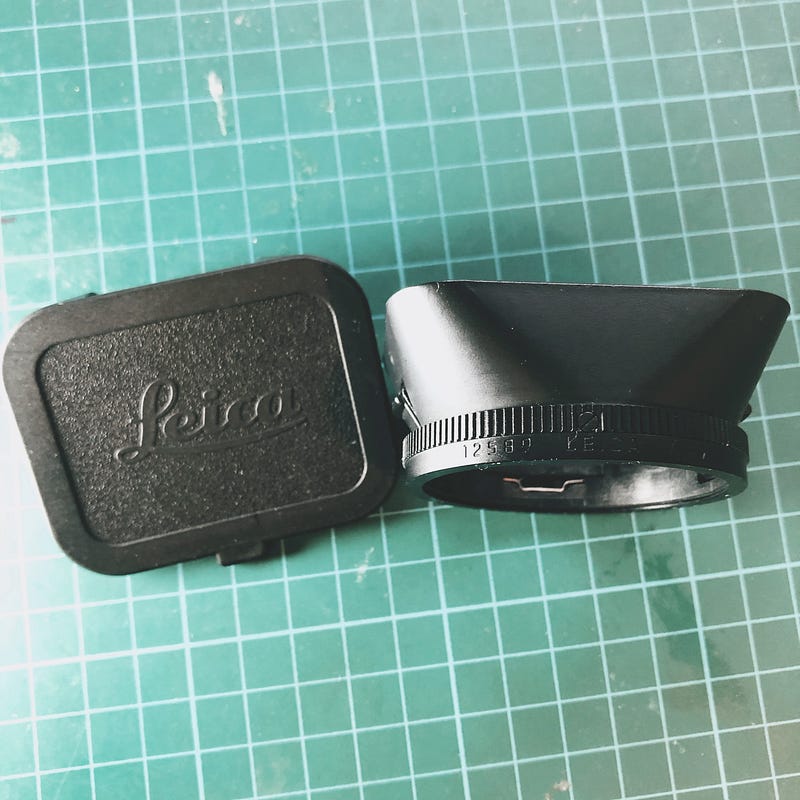
The Sony A7RIII / A7III has been used for a long time in the past, mostly on the Sony A7RIII / A7III thin mod version, after the thin mod can effectively correct the RF lens edge image collapse situation. If you feel that the leica lenses used in the Sony camera is always a little bit worse feeling, may be this piece of thin filter thick related XD
I think the Leica ASPH lens and Sony RAW grey is a more suitable configuration. The Sony RAW file actually has no character to speak of. Simply by using different film style files, you can actually see more characteristics of the lens.
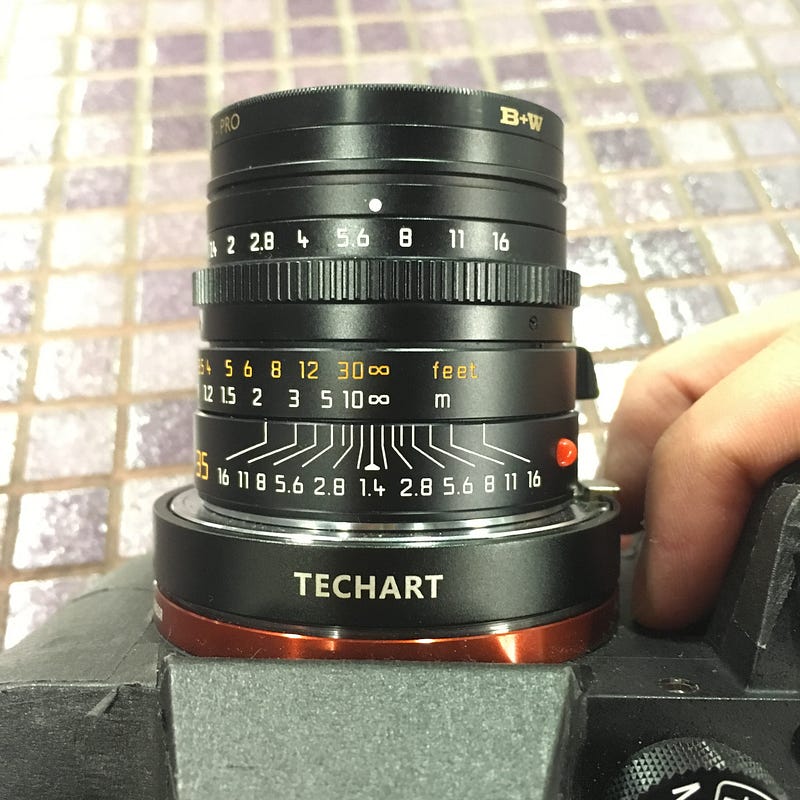
The other is that it can be equipped with the Techart AFM autofocus ring for Eye-AF / AFC continuous focus / can break the 0.7m closest focus distance limit, used on the R3 / A7III to shoot children, meows is indeed very simple and convenient.

11874 Overall Performance
The taste of a film lens and the sharpness of a digital lens
11874 I have been using it for more than Four years and is most impressed by the low contrast and high resolution lenses. The lens has a soft, natural, prosperous micro-contrast bokeh transition. It is an all-around lens that can be used in both negative and digital and is a good head that can recognize the “taste of Leica” XD
Street photography
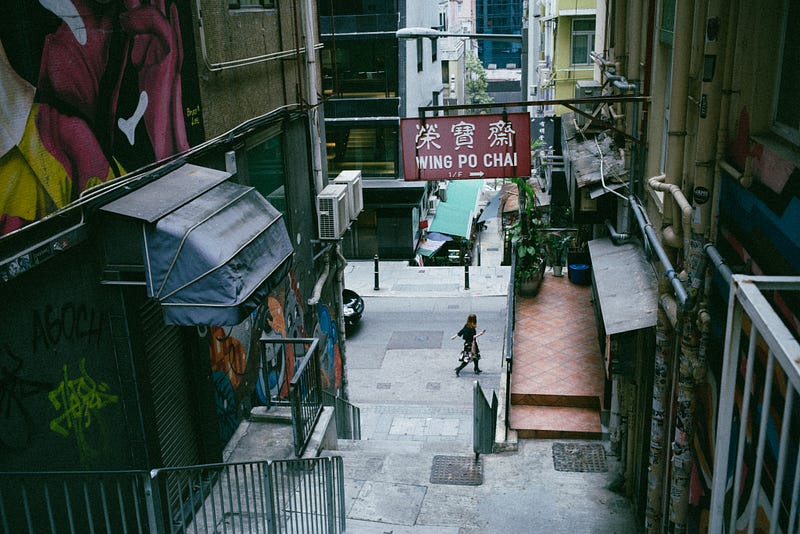
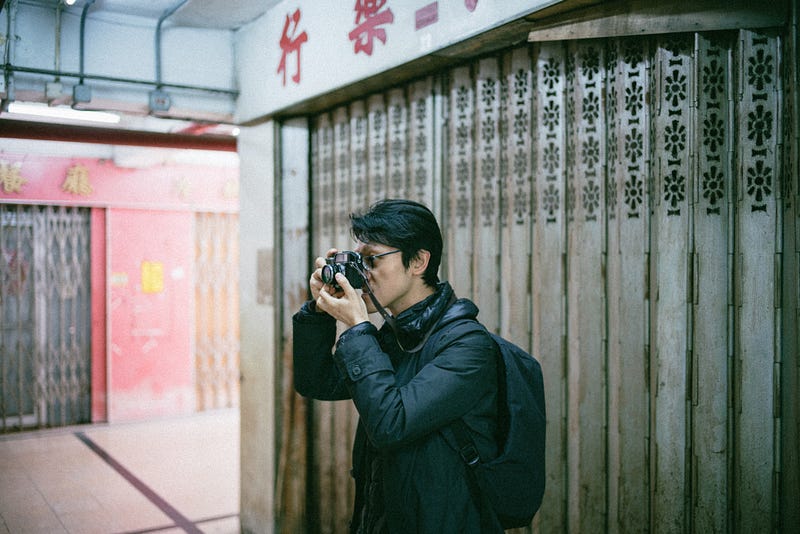




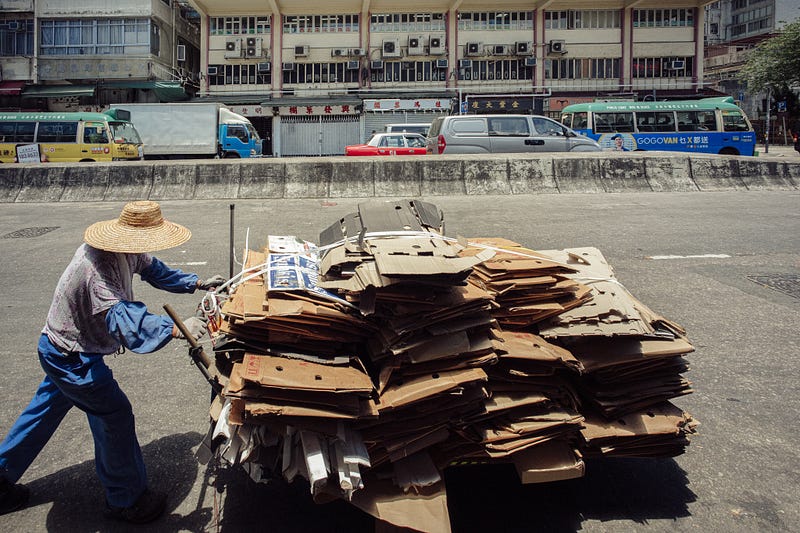
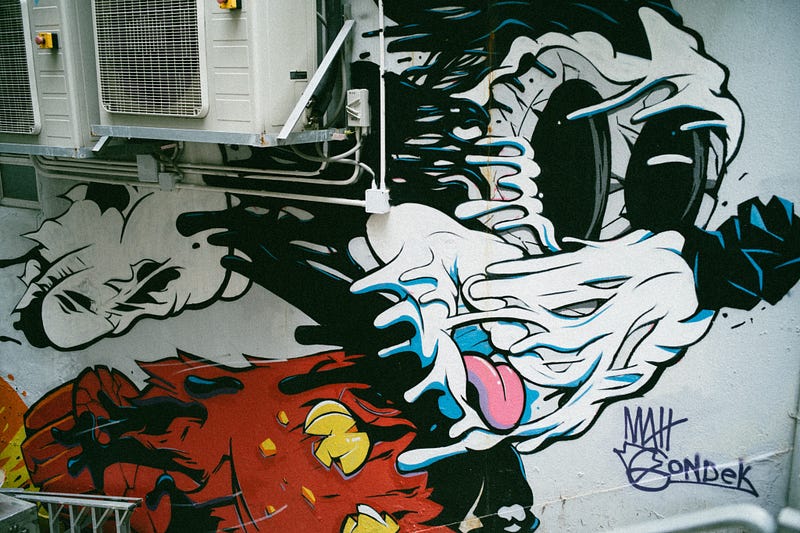

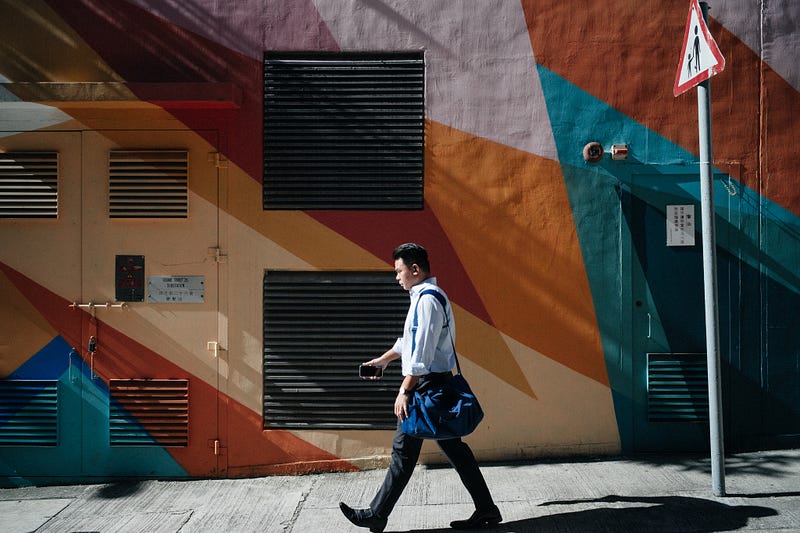
Backlighting atmosphere
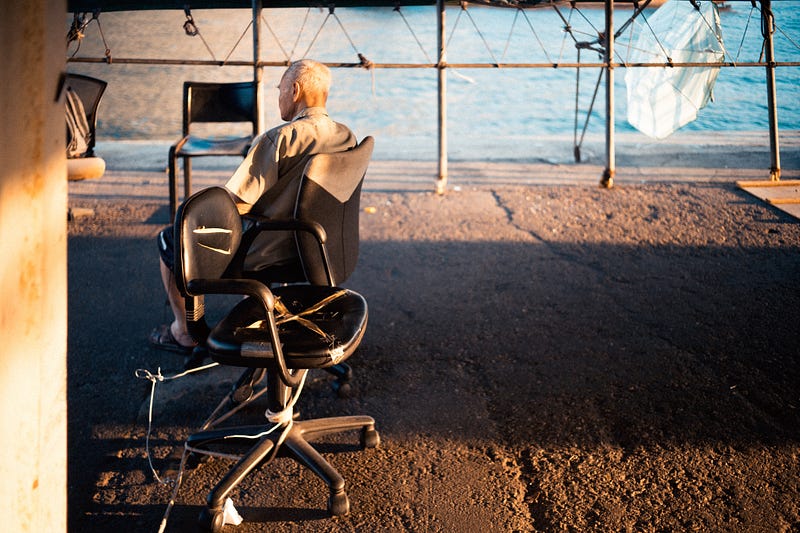
Backlight 11874, in the absence of a hood, the overall contrast will become a little lower, the background will appear slightly drunk atmosphere, the digital flavour will be reduced a lot, like it or not depends on whether the photographer can grasp the handling. In fact, only need to simply use the hand a file, the optical defects can already disappear. It is possible to say that “lens flavour” mostly comes from the optical defects. The attraction of the old lens may be different apertures, or the environment will present different degrees of optical defects or atmosphere.
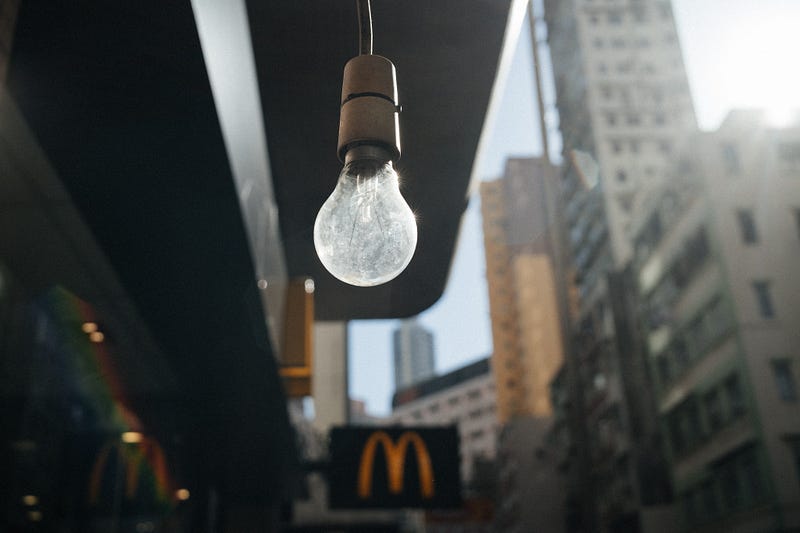

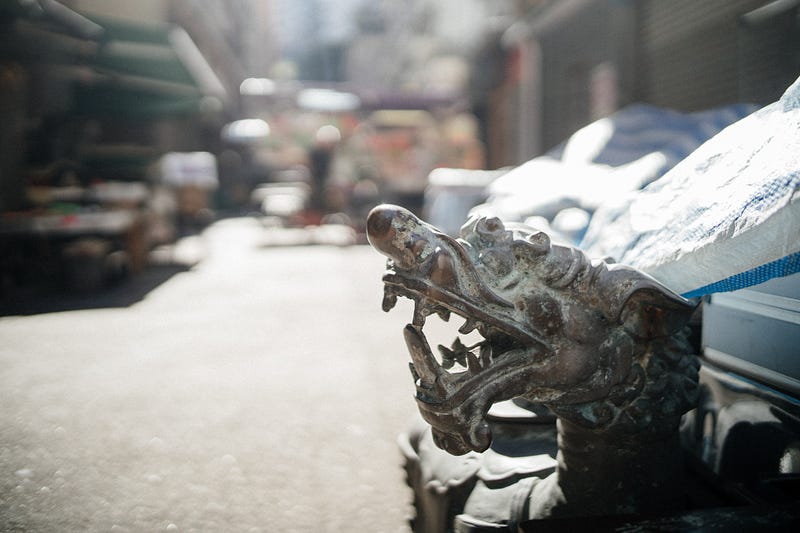
IG Pier in Hong Kong Western wan

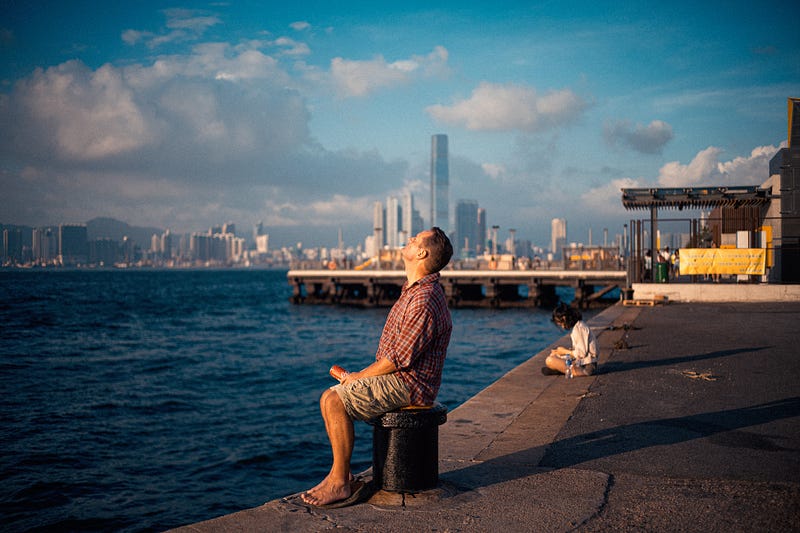
Cat’s Photo
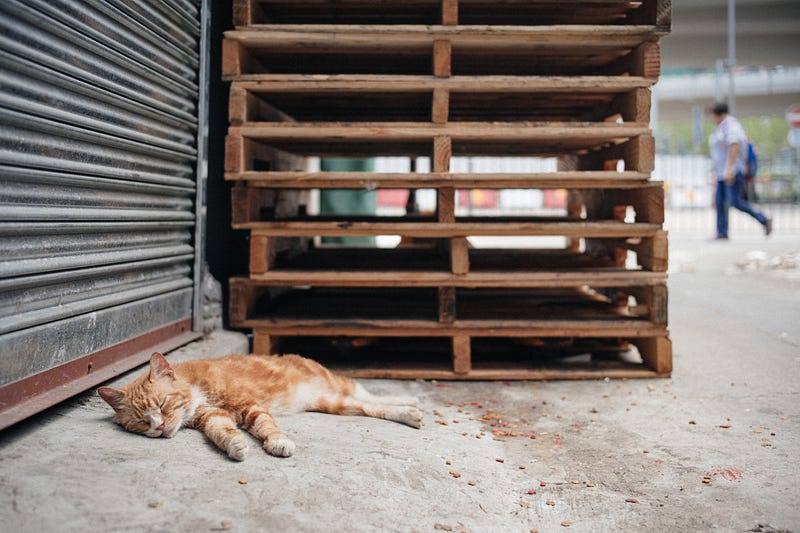
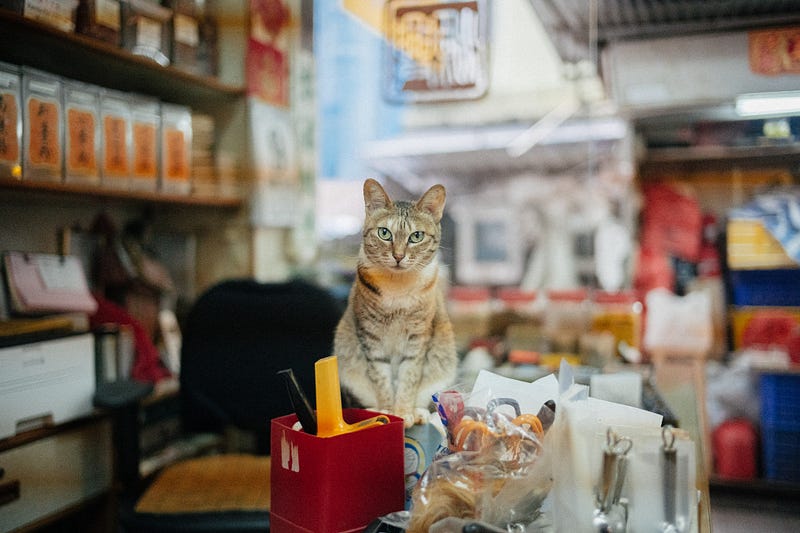

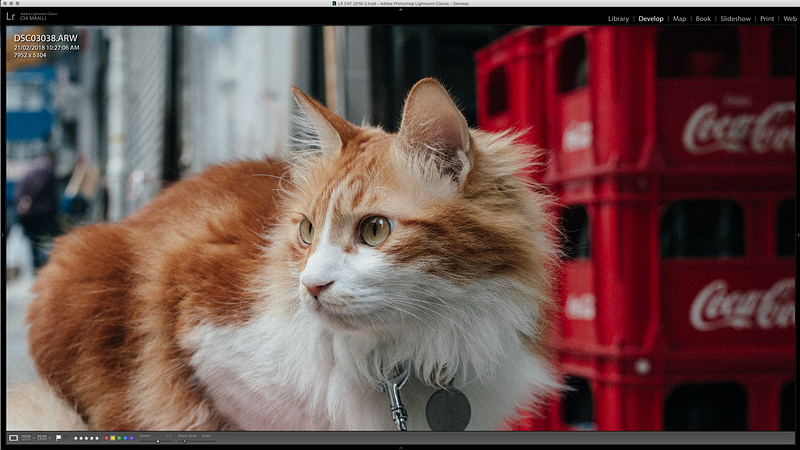
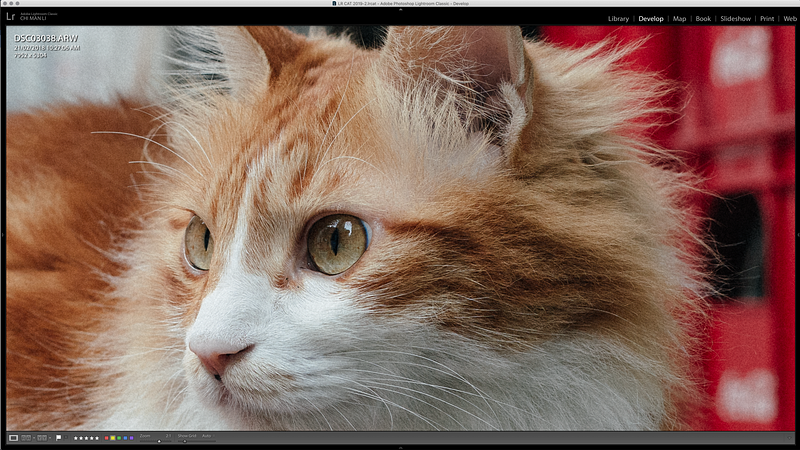

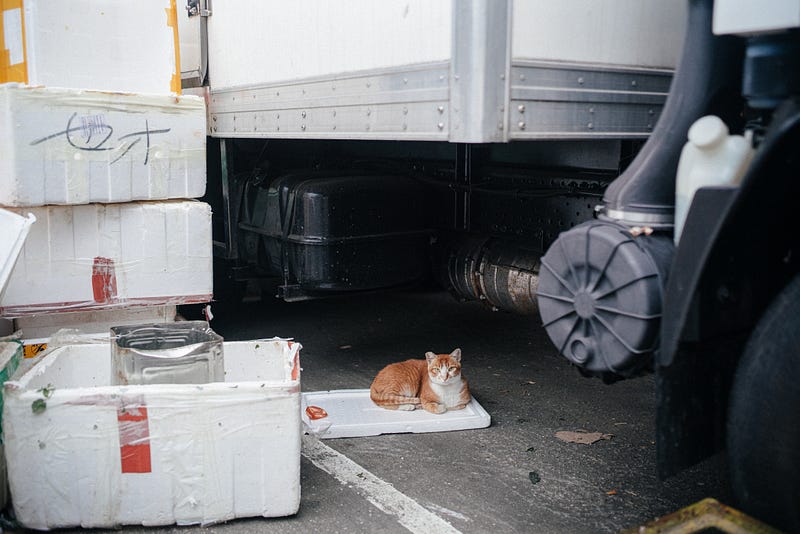
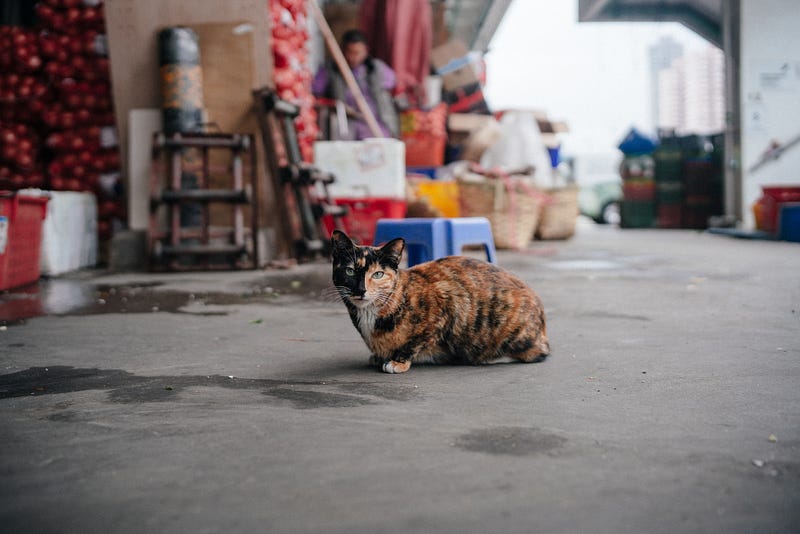
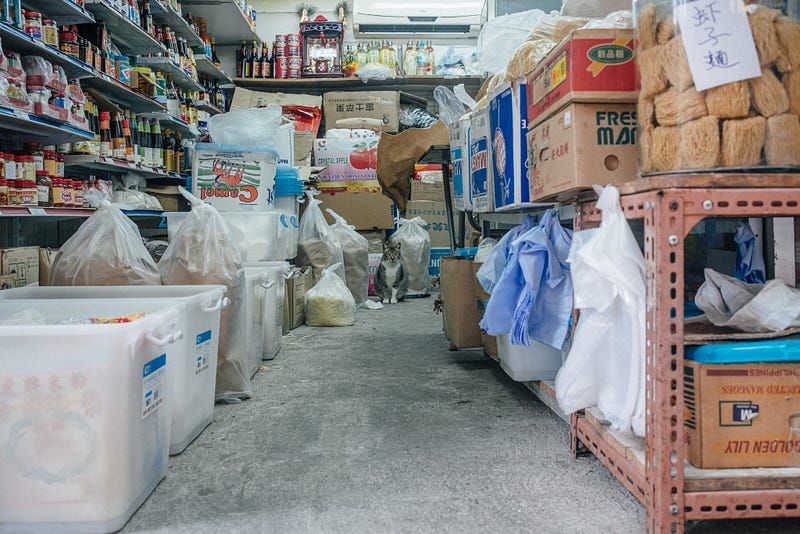
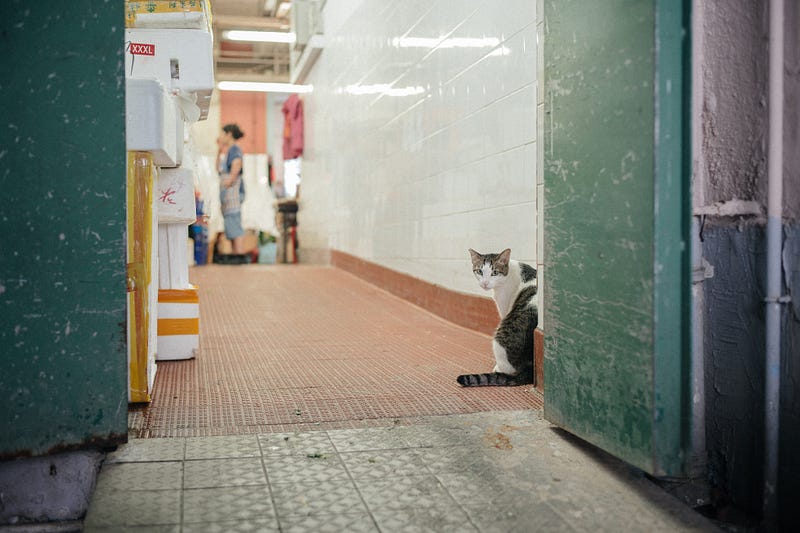

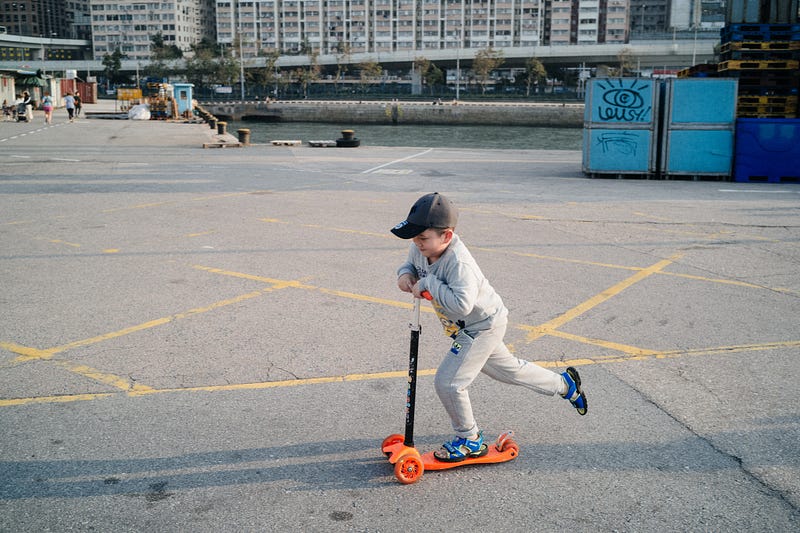
I started to use M10D in 2019. The M10D processor is a little heavy on the high-contrast black bits, but I feel that the M10 Processor is definitely stronger than the taste of the lens itself.


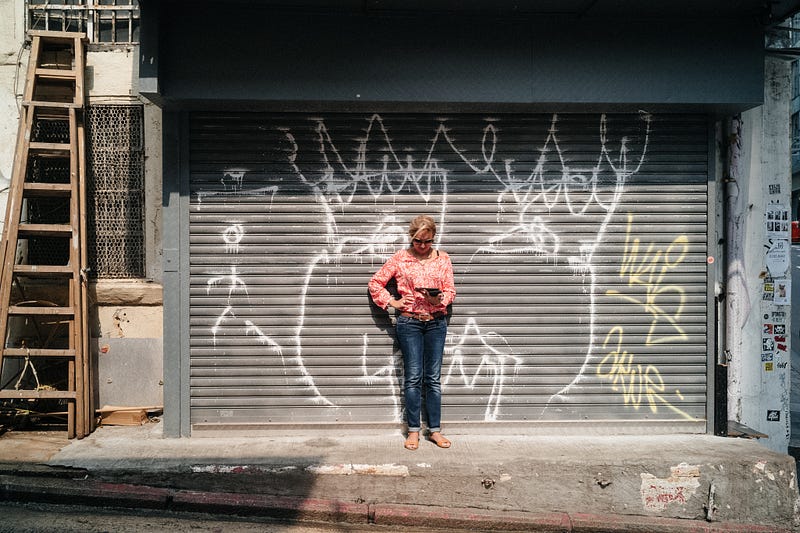
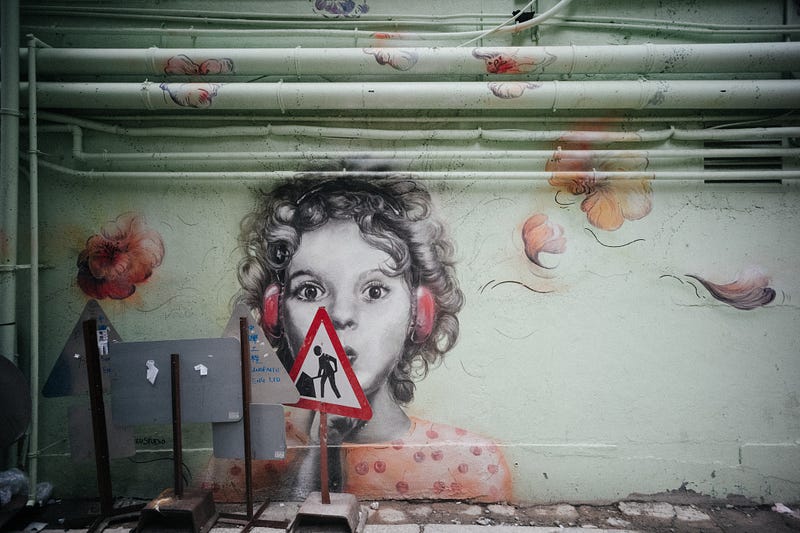

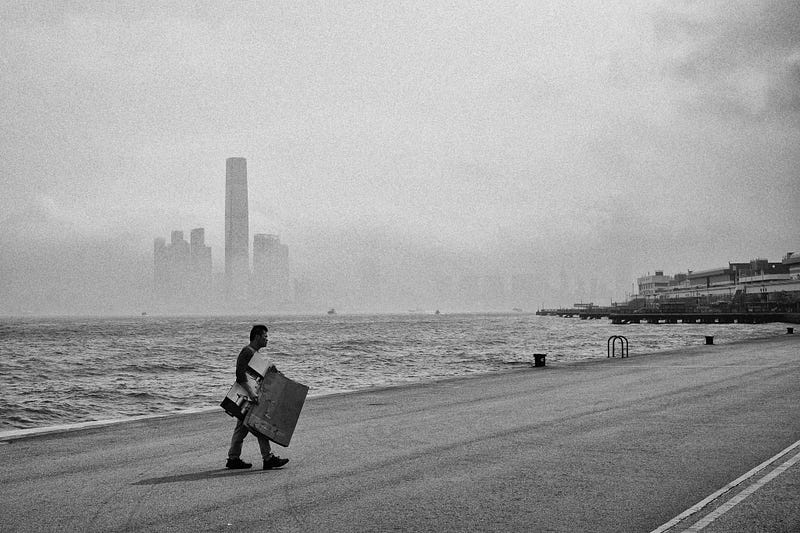







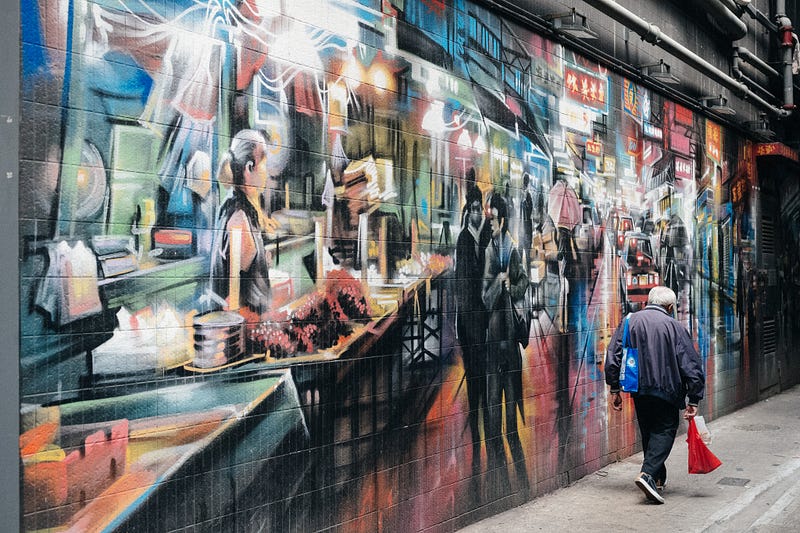
Black n White


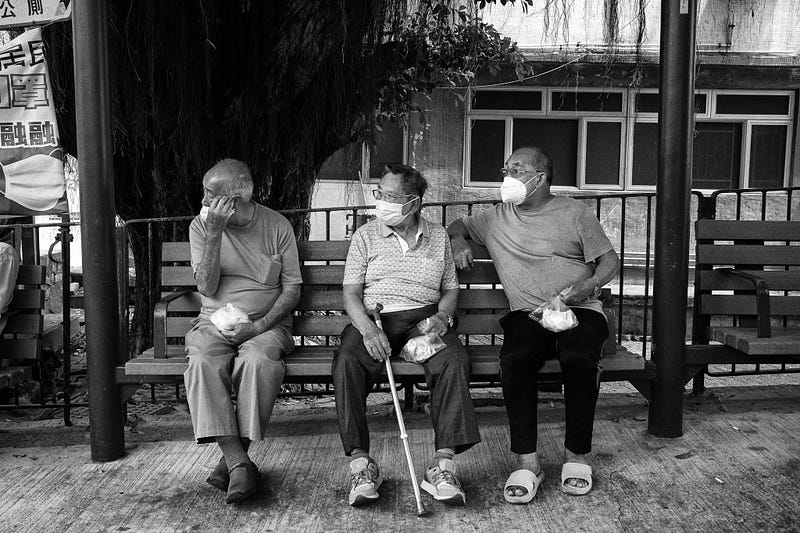
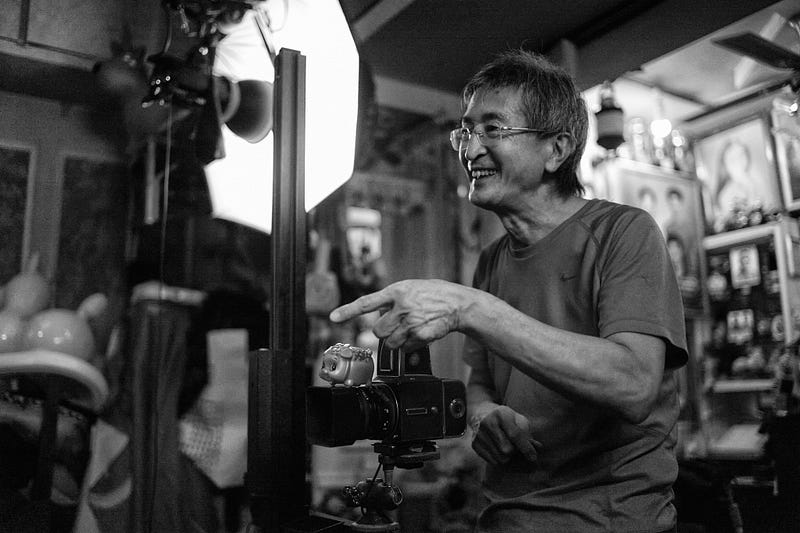
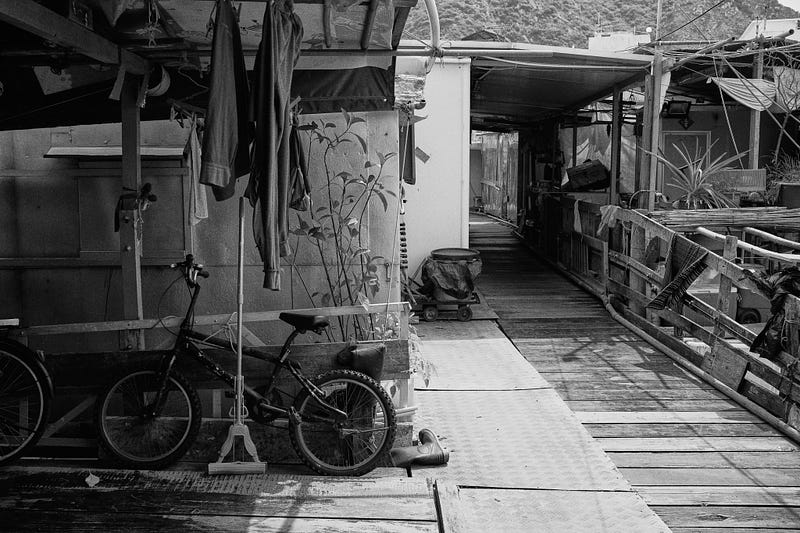
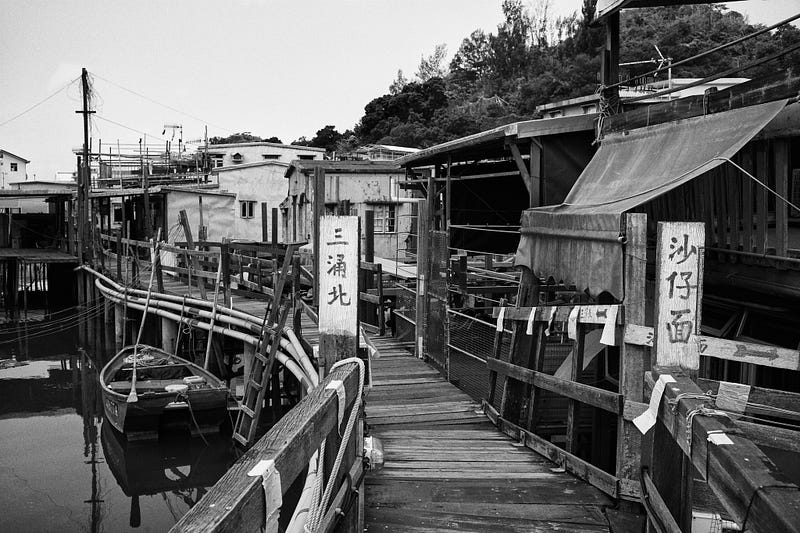
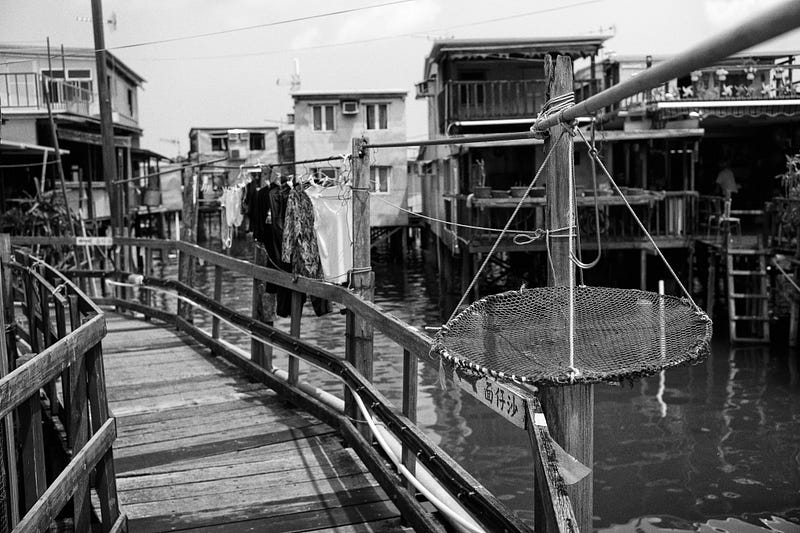
Many people feel that there is no need to take the 11874 because I use the Leica Pre-Apsh 35/2 for street photography is also closed to F5.6-F8 or more to capture. Still, there is a chance that you can take an AB to compare the 11874 aperture received F8, the resolution power is excellent, and the 11874 is absolutely top 42mp / 61mp need, while the Leica 35/2 Pre-ASPH is indeed 24mp It is the best performance. I use the M9/m9p, certainly not used 11874, most of the time, only Leica Pre-APSH 35/2 is sufficient.
11663 vs 11874 ?
The 11663 corrects the image performance at close range, and the actual shooting performance is also from maximum to minimum aperture. The focus is excellent from the most relative distance to infinity, and the overall performance is very stable.
The price difference between the two lenses is not far, maybe less than 1000USD.
The 11663 integrated shade is definitely more practical and durable than the 11874 plastic shade.
The 11874 image is on the warm side, with lower contrast and less purple edge, while the 11663 is on the cool side with higher contrast and more serious purple edge in the highlights.
The 11663 image is too perfect, with excellent pictures from the centre to the corners. The reduced aperture may only affect the depth of field range, with a solid modern flavour, and can be considered an excellent working lens, but it may be a bit “boring” and too neat for players.
There is a saying: If it is to negative shooting as the primary choice is 11874; digital as the main force is 11663 up. If it is a novice, choose 11663 may be more suitable, the starting horse completely solved the 11874 focus/running focus problems, the overall performance is stable and high quality, with 6-bit correction coding. If you are a negative lover or like the taste of old lenses a little more, you will enjoy the 11874. The last sentence, the Leica 35mm section does not have a weak lens, 11663 and 11874 comparison may only be in the 92 vs 94 difference. Choosing the last also depends on personal use habits, subject matter, appearance, the price for different trade-offs.
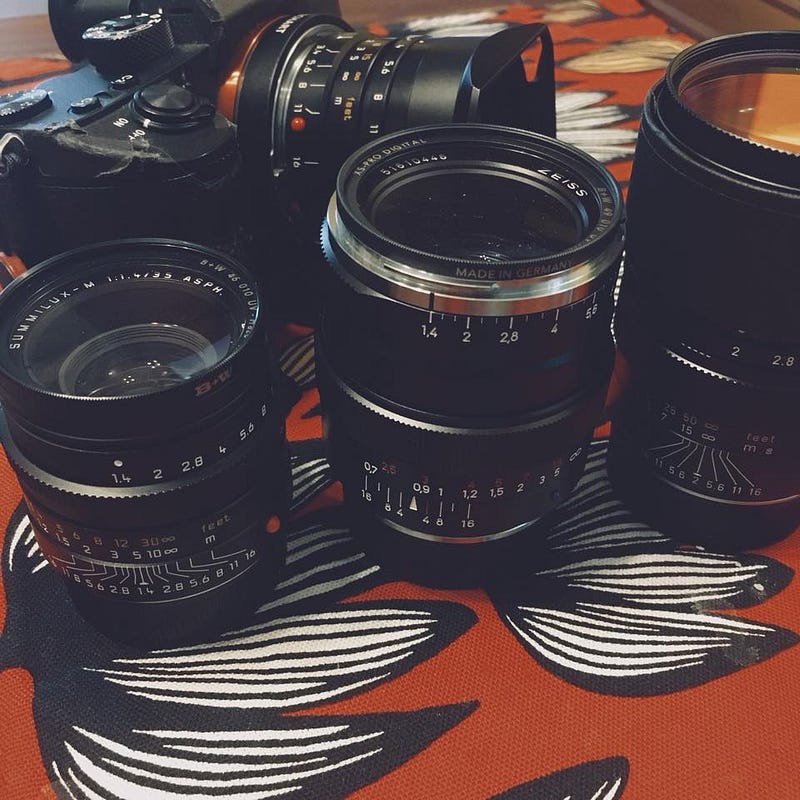
I believe the 11874 will also stay with me for more than 10 years or more. When I sell 11874 that mean i am going to buy Leica 35/2APO… 11874 is very suitable for different systems, I look forward to using it on Simga X3 FF one day.
IF you Like my reviews , please support me by buying me a coffee.

Rokkorx’s Blog | Facebook https://www.flickr.com/photos/rokkorx/ https://www.instagram.com/samlee.hk/
Other related articles by the author:
Film Preset used in this reviews:
If you like this post, feel free to give me a pat on the back and let me know you like it too XD
You can also follow me by pressing the Follow button, but unfortunately, you can’t set up a sneak preview XD. If you are willing to pay USD 1 per month for a cup of coffee, you can support me in my “Words are worth it, photos are worth it”. I have been writing blogs for more than ten years so that you may have read my Minolta articles, other equipment and photo tips in the past. It is not easy to maintain this interest in blogging. Today, many photographers like to shoot youtube or use pictures instead of writing, so in-depth introduction and evaluation may be a chore for many people. Still, I believe that words and photos have a specific value. I have many more pictures and photographs that I would like to share with you, and a little financial contribution from you would help me go further or write.
If you are interested in paying for a cup of coffee every month, subscribe to the author Patreon at:
Rokkorx’s Blog | Facebook https://www.flickr.com/photos/rokkorx/ https://www.instagram.com/samlee.hk/


