
LEICA APO-SUMMICRON-M 50MM F/2 ASPH LENS 11141 Unbox & brief afterthoughts — Small Lenses with the Highest Quality

I got the 50APO / 11141 around November 2016 and have been using it for almost five years, during which time I have used different camera bodies to use it to this lens and have been lucky enough to take some of my favourite photos with it. The first draft of this article is an unboxing article that I bought at the end of 2016, and I will add more real-life photos and afterthoughts in 2019. This article best view a 4/5K LCD with a 4096 or 2048pix border.
IF you Like my reviews , please support me by buying me a coffee.

Equipment reorganization, I have too many lenses at home and too little time. Although I probably have more time for photography than many people, I don’t have much spare time to try out two small children or lenses. 21, 35, 50, 90mm focal lengths, it is better to have two types of lenses, one light and one heavy. 50mm heavy one reserved for Noct F1, the light one is thought of this one. The 50APO or 50/1.4 ASPH might be considering for many people. But in the end, it’s probably just a matter of priority XD. I bought the noct first, then decided it was too heavy or too little, and finally went for the 50APO XD
I might buy the 50/1.4 ASPH first, but I can see the difference again when I looked at the 50APO and 50ASPH online image. But the 50APSH is still too much for me in terms of CP value.
After selling many old lenses and accessories at home, I finally had enough money to buy 50APO.
Another reason is that I have to help my friend to take a Pre-Wedding picture, so I have a good excuse. Buy a new toy XD.
If it weren’t for this reason, I would have bought the 50ASPH on impulse and left it at that. Haha
I thought about buying the latest silver version (11142) but unfortunately, the handle is still black, which ruins the aesthetic appeal. At the same time, I prefer the black to be more understated, and I would have liked it in titanium grey, but the price is another matter. In 2017 there is also an LHSA version, a red version, and of course, the price jumps.
Five years have passed, and in the meantime, I have had the 50ASPH Silver, Kinoptik APO Focale 50mm F2, and finally the 50 Noct, 50APO, and Kinoptik 50/2… The 50ASPH is a good balance between the old and the new, but the silver lenses are heavy and easy to smudge. I would have played with it a bit more if it was a black lens.
As a small equipment guy, I will eventually get a lens that I like to try, but it’s just a matter of waiting for the right time or fate.
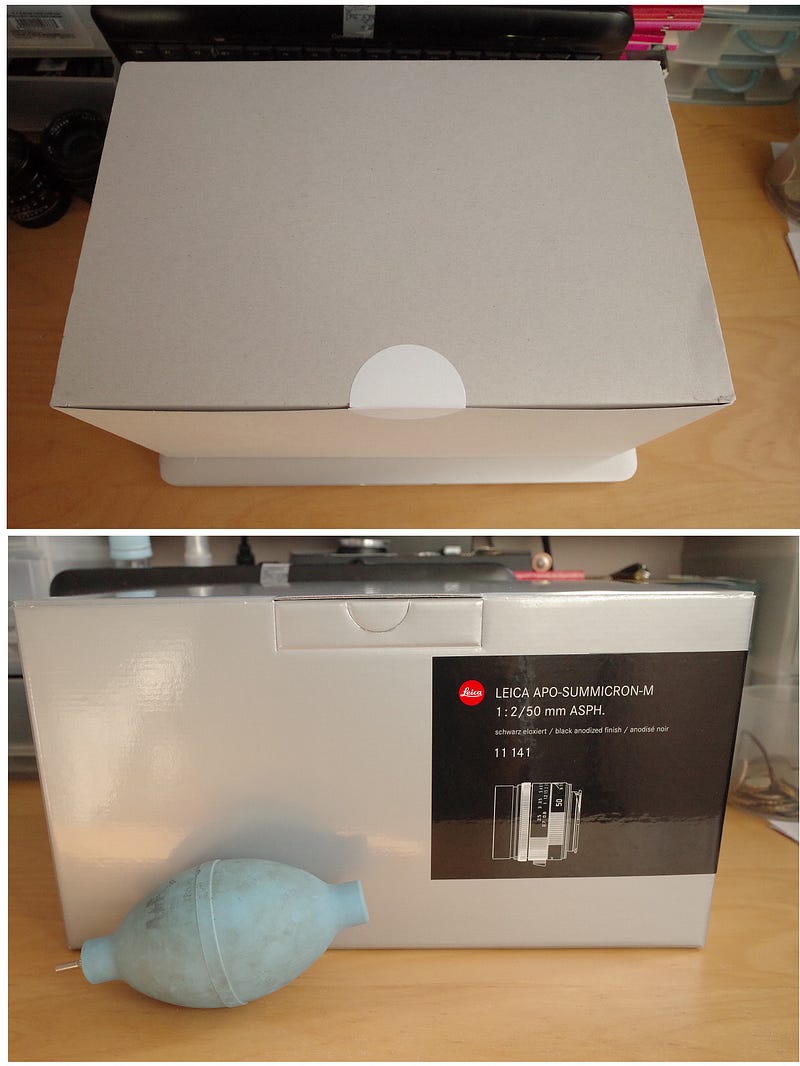
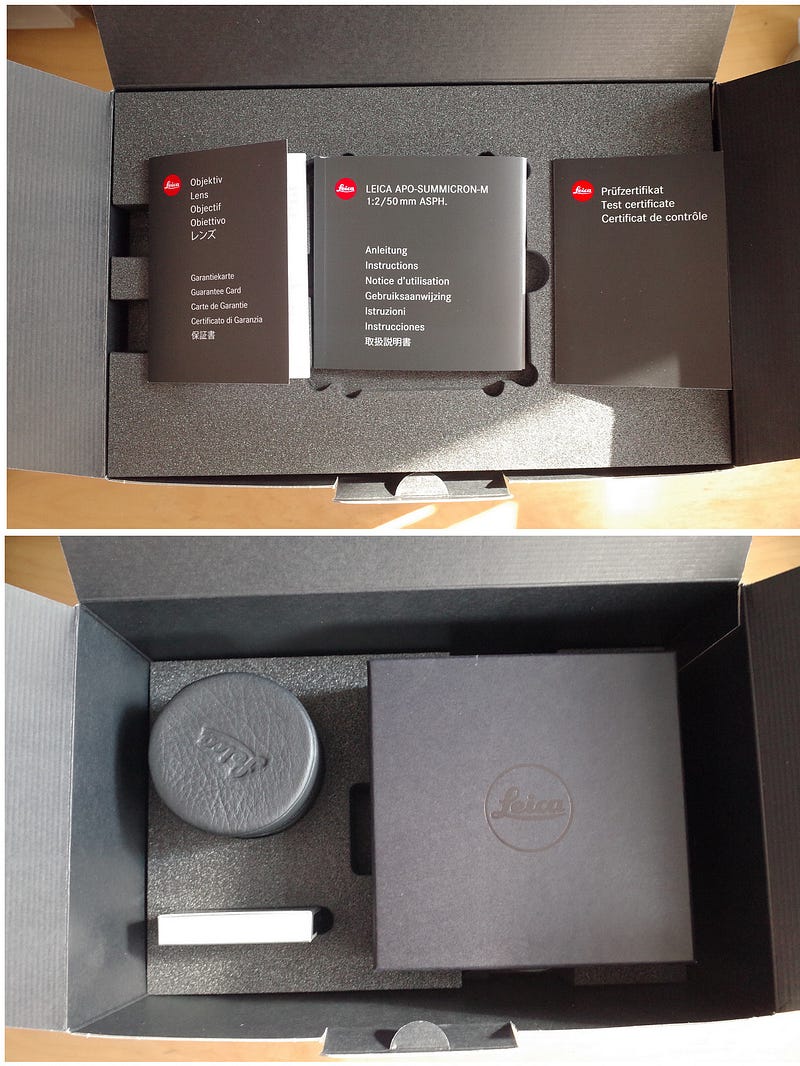
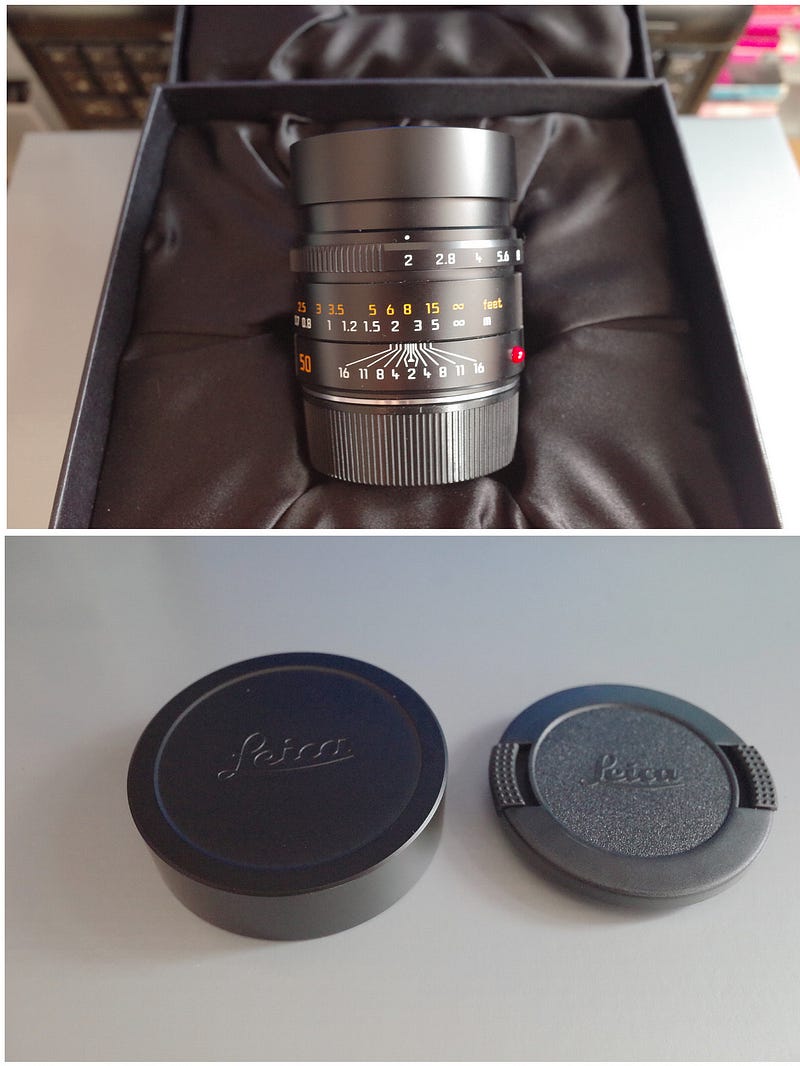
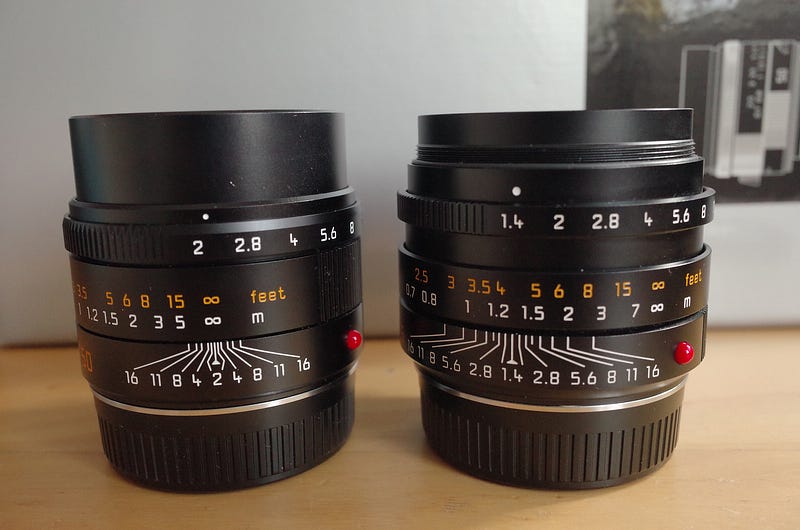
Appearance and operation
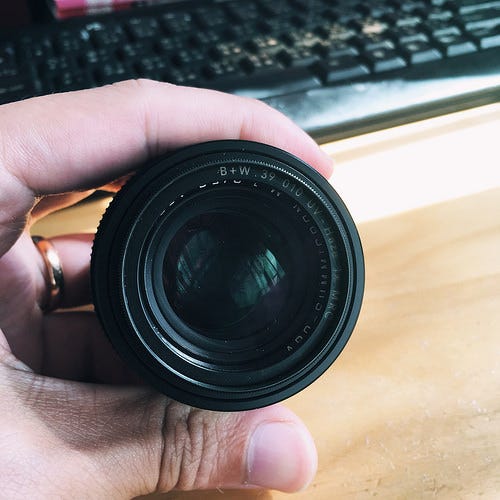
With the UV filter, you can no longer see the APO words, and you might see it as the current version of the Summicron-M 50/2.
The focus ring has moderate resistance, and there is a handle for easy focusing. The built-in screw-out hood is a bit of a pain to replace in case of a crash. The hood is too short to be helpful when shooting against the light, so that a longer external hood would be much more practical.
The aperture ring is a bit painted. The early 50APO aperture ring is too painted and needs to return to the factory. There is also the problem of flare in the early 50APo, which needs to recall.
For more details: The flare issue, a lab report Leica 50/2 APO Summicron-M ASPH: Flare Control
Anti-flare.
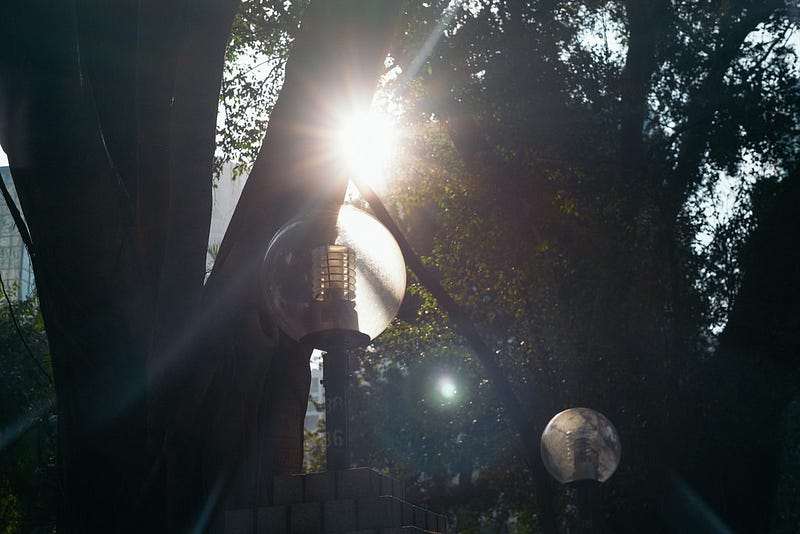

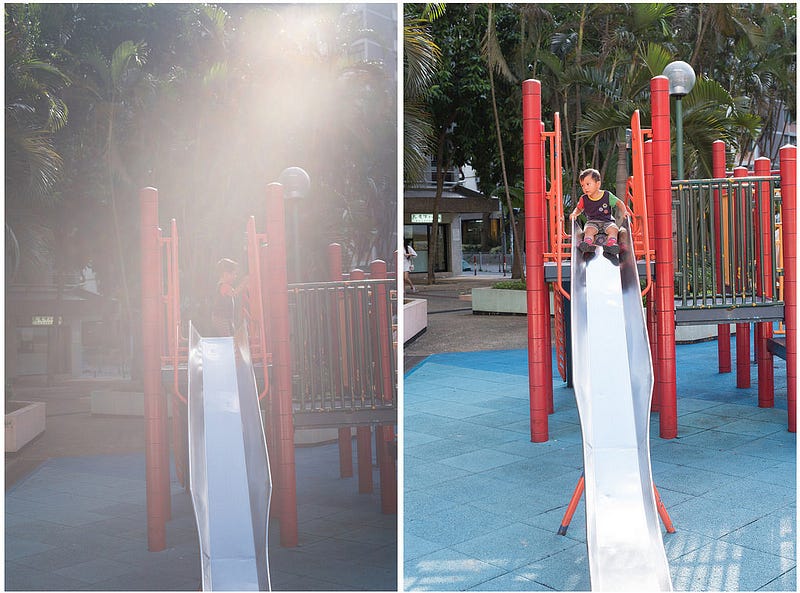
Although 50APO emphasizes production and manual assembly in Germany, I have reservations about the new Leica factory, dusty.
After the first trial
“The Apo-Summicron 50mm f/2 ASPH has a modern optical design with 8 lenses in 5 groups and an aspherical lens in a double Gaussian construction, with three lenses made of high anisotropic partial dispersion glass and two lenses with a high refractive index to enhance the quality of photography. The lens also includes a floating lens, which produces very sharp images in any focus range. Besides, the lens has a complex aberration correction function that reduces chromatic aberration and preserves the natural colour of the image.” The official description
The quest for superb image quality
The 50APO’s most significant selling point is its resolution, with wonderful and rich in-focus images, a little high contrast in-focus, and soft, low contrast out-of-focus bokeh, creating a strong contrast. The overall feeling of presence is superb, the images are lovely and clean, and the photos from the centre to the edges are still solid and sharp. The transition between in-focus and out-of-focus is very short. Even though the F2 aperture is already a working value, the performance would be even better with F5.6.
To achieve the best possible image quality, I mostly use the Sony A7R2/3 thin filter version or the LEICA Monochrom when I use the 50APO, and the thinner R2/R3 version brings out more detail.

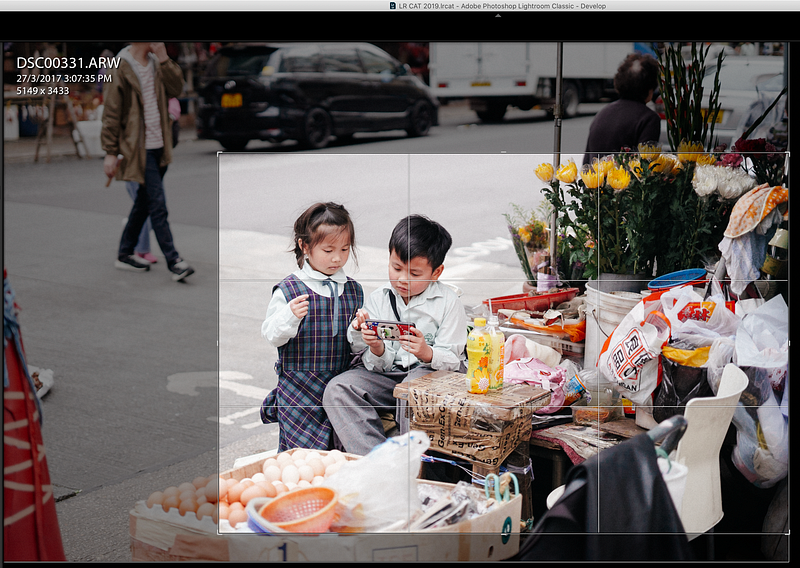
The 50APO uses the Techart AFM AF adapter on the A7RIII, and the focus speed and Eye-AF is quite good, enough for me to shoot children
I feel that 42mp with the R3 is already an outstanding balance, as a higher image count brings a lot of follow-up factors to consider, and with the R4 61mp, I may only be able to use 50APO, 28lux, and the 50ASPH images I have seen online are starting to feel the strain. The R4 123MB RAW file is difficult to process on the computer, and the high iso may only stop at 2500iso, while the R3 can easily use iso 6400, but of course, the 61mp may reduce back to 42mp. I would consider going straight to a mid-range 4433 sensor above 50MP.
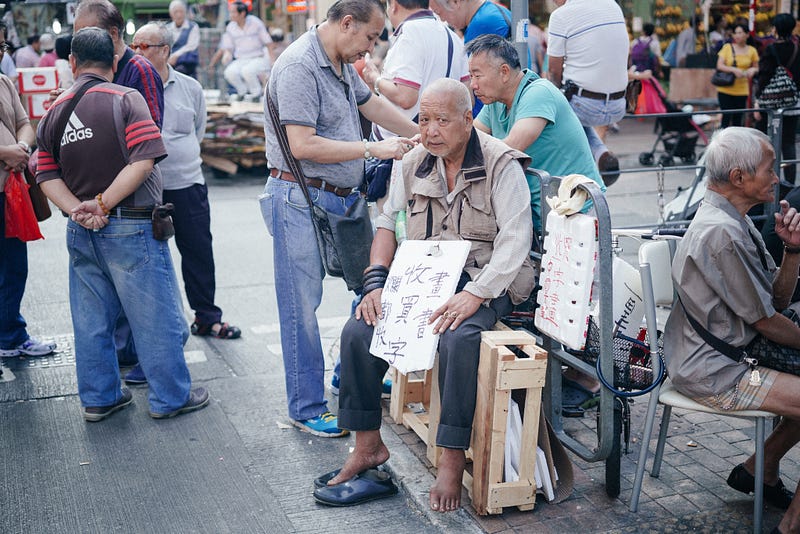
Colour performance
LEICA lenses in the purest, truest colours
As I only shoot raw and then makes adjustments or applies style files to fine-tune the colours, I am not too concerned about the colour performance when shooting. The question is whether the actual colours are to your liking. Or do you like the original/negative style files more XD
I always feel that in the digital age, colour performance is primarily up to you. More than 80% of the people who shoot films use log files to record and then adjust the colours in post-production. What they care about is probably the log format they use to get the maximum DR or convenience for post-production. As far as photography is concerned, I am still concerned about how the post-processing process can quickly achieve the desired effect. The author used LR 10.2, Capture One Pro 21, DxO lab 4 to convert direct jpegs from raw. The resulting images and colours were different, not to mention the colour performance of the final photos after pushing and pulling in the software.
Changing cameras in the digital age is probably the same as switching to different film types in the film age. The M9 / M240 / M10D transfers to 50apo also produce different tones. What is the best? I’m not sure. Maybe I want to get the most out of my images for post-processing. I’m a fan of new software and different film negative styles. I’ll leave the rest to the critics/KOLs.





Satisfying yourself more than others
The 50APO is a lens that satisfies you more than anyone else, and the best results can only be experienced with larger 4k/5k LCDs or A3 prints. For this article, I have also used 4096 border lengths for the large photos and 2048 border lengths for the standard images, so that the details can be seen when enlarging the photos. …the viewing experience is actually very different, and the colour performance is also other. If you only put it on your phone to view 1024x768 photos, you may not be able to feel its power
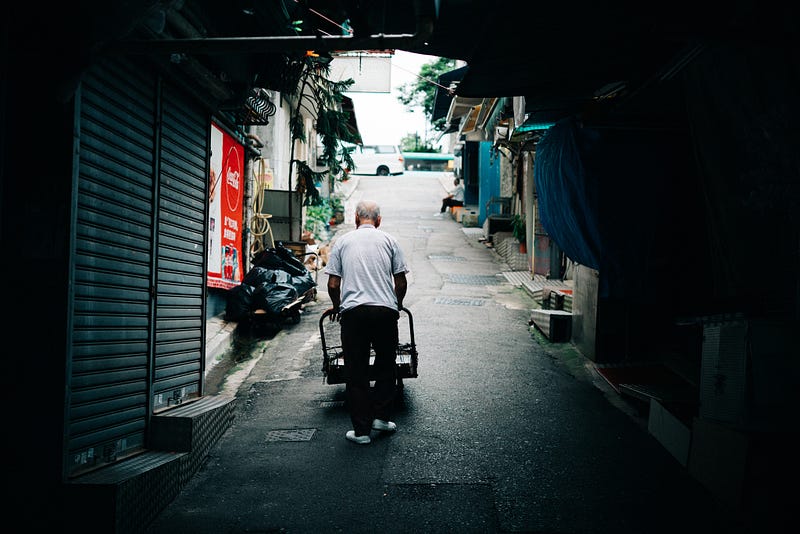
The 50APO is perfect for those who like to use it for street photography.
The 50APO + A7R2/3 thin filter high-resolution camera with 42mp shooting in raw files allows you to record the most values/details of the moment for post-production. The author likes to find interesting backgrounds and wait for the right person or thing to appear, and the 50APO’s sense of detail gives a clear picture of the ambience. The aperture is mostly at F2 and F5.6, with F2 being the working value. There is no need to worry about the image. At F5.6, the image becomes so sharp that it can be easily cropped from anywhere, as long as the subject falls in the same focal plane.


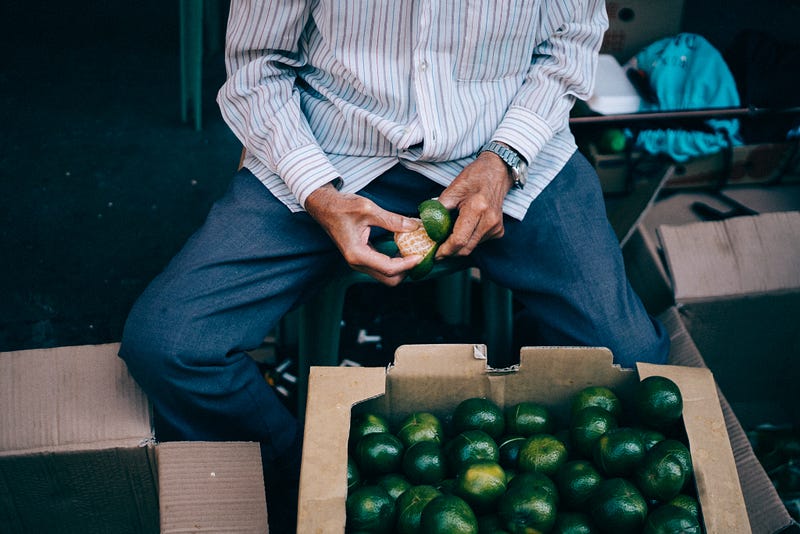



I have also taken many photos of my favourite children with the 50APO. The images always have a clean and comfortable feel to them, with an excellent and detailed in-focus image and a soft out-of-focus image.
A7RIII Thin filter v3+ LR8.41 + Classic K14 e200er / 2019/ Mid-levels

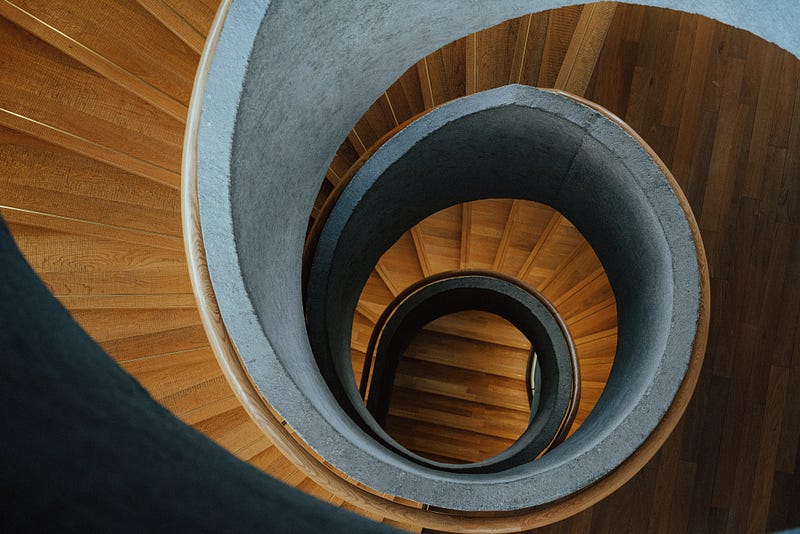
low light performance
One of the values of 50APO is that there is very little violet fringing or dispersion, not to say none, but it should be tough to detect without extreme light. For night photography, I prefer to use 50APO rather than 50noct. 50noct requires the subject to be in the centre for better performance. Otherwise, the edges will be scattered, and the coma will affect the expression of the image, and of course, I prefer to use 50noct for people…



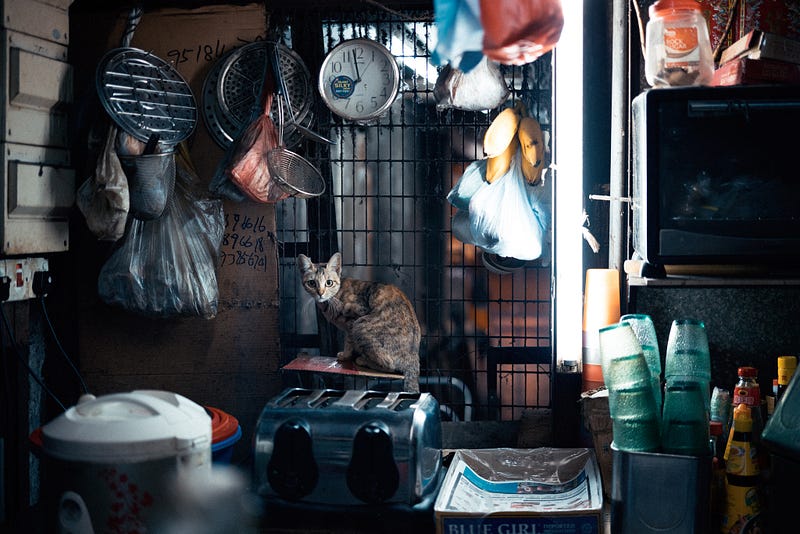
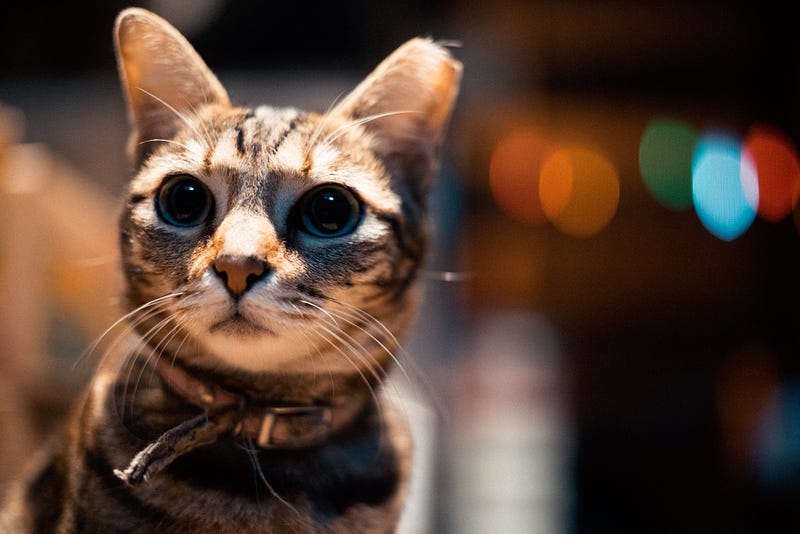


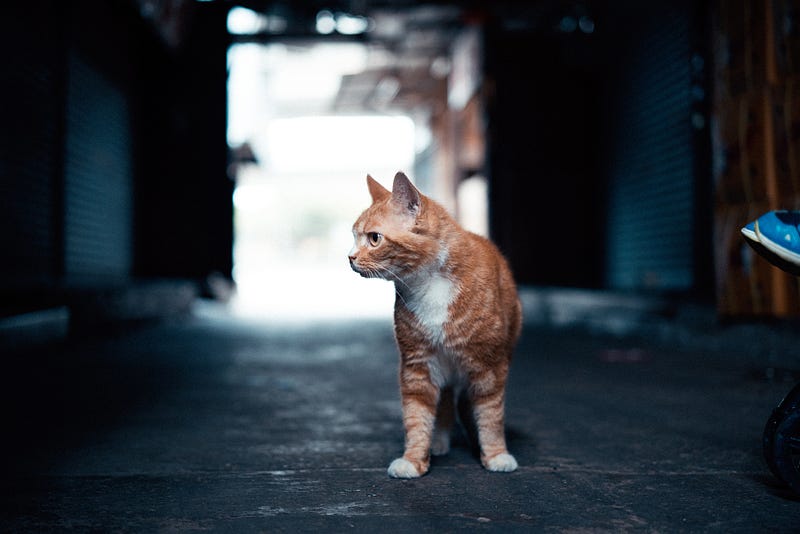

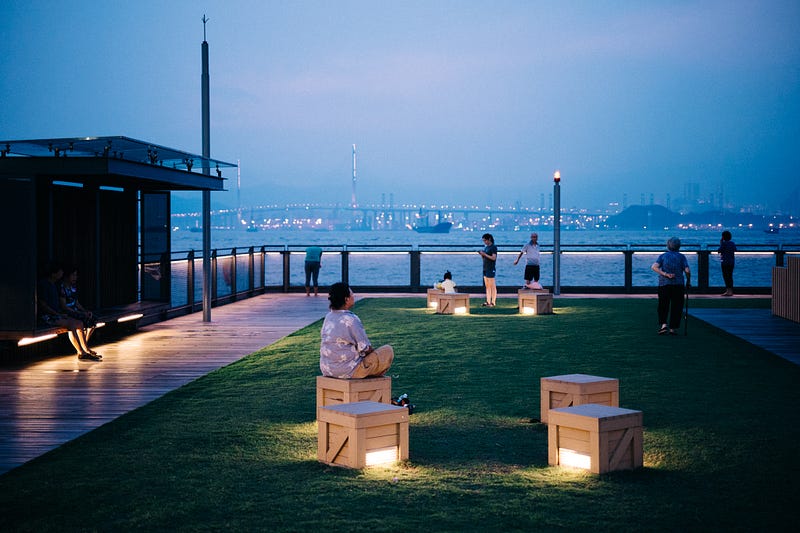

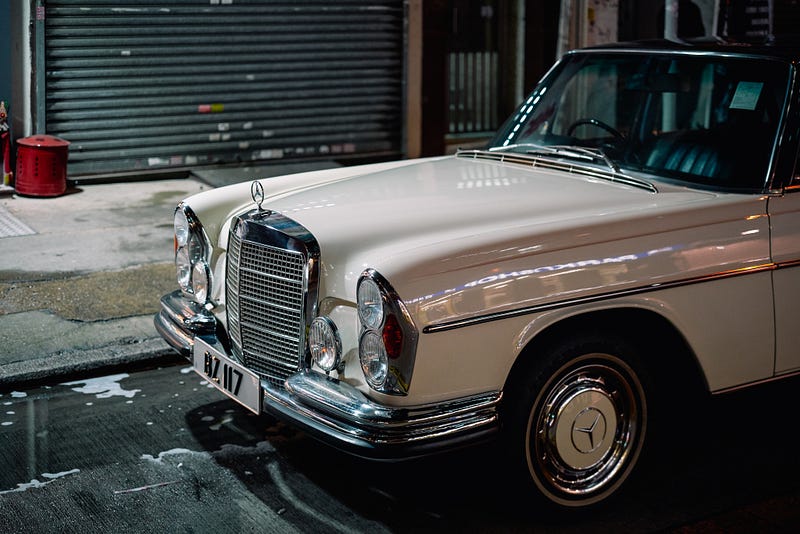
As a Leica monochrom kit lens, the B&W results are satisfactory, with sufficient sharpness or resolution from the centre to edge. This is one of the lenses I am very willing to take out on the street for mm photography.




I like to convert 50APO shots to black and white, either through Nik Silver Efex Pro2 or simply by applying some simple black and white film style files, depending on how I want to express the image. This allows the author to make changes as he wishes. Often I find that the black and white world of 50APO brings a sense of tranquillity that I love.
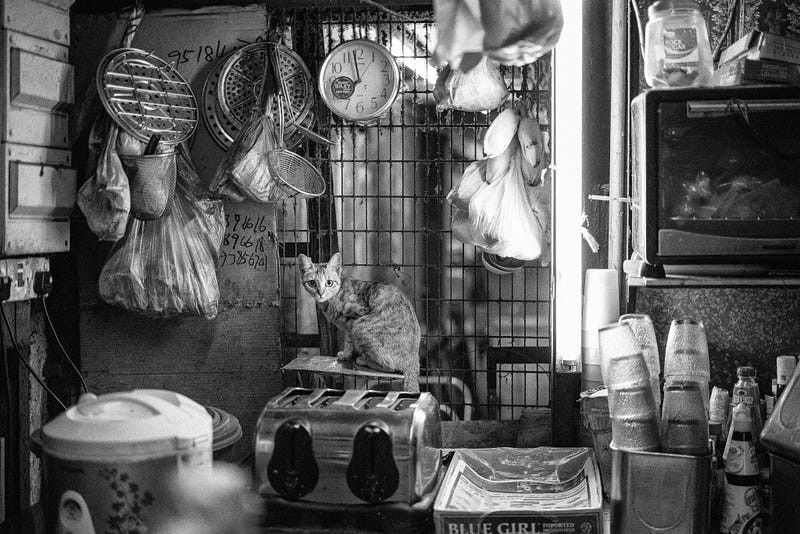





The Leica M10-D has been in my hands for about half a year, but I’ve only taken the 50APO out once or twice to shoot, the first time on the day I tried it out, and the second time a few months later when I took it for a leisurely trip to Sheung Wan, but I only took a few shots, haha. I would like to take more real-life photos when I have the chance.
11141 + M10D + LR 8.41 + Classic K14 e200er



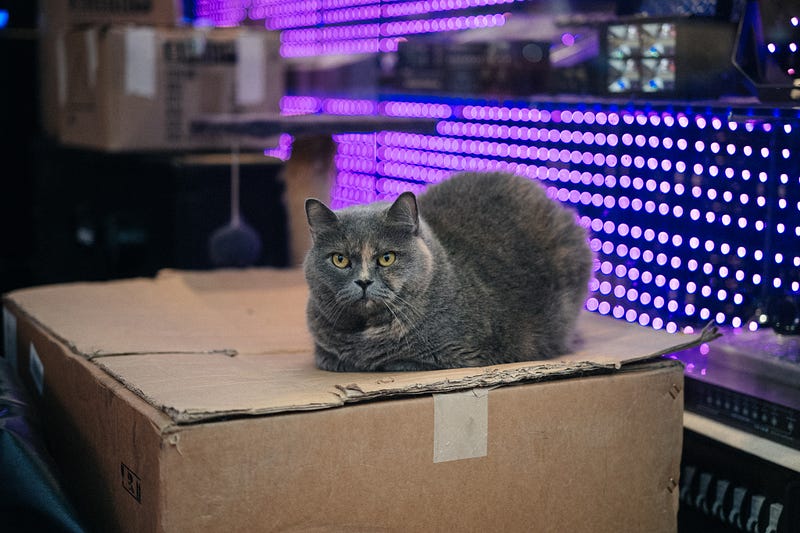

There are also some street shots taken with the Leica M9P + 50APO, which I have probably only taken on two or three trips, and I really don’t feel the same excitement or love as I did a few years ago when I picked up the CCD to shoot again.
11141 + M9 + LR 8.41 + Classic K14 e200er / 2016

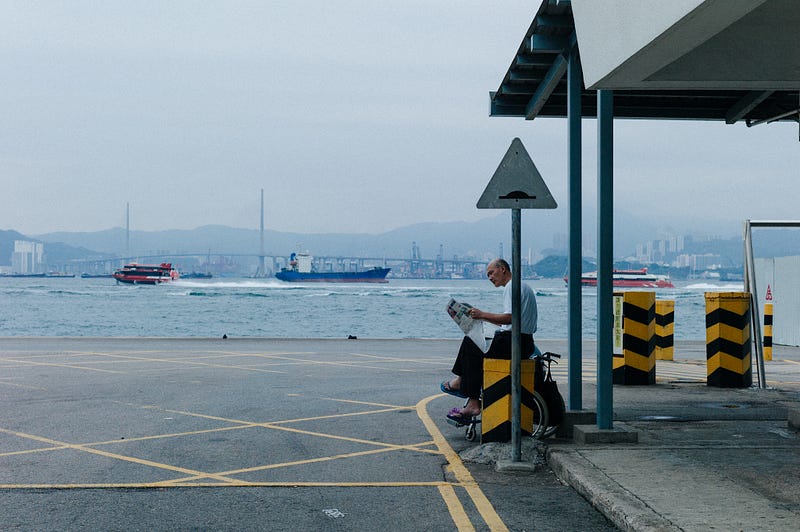

50APO Pros :
。High resolution. High-resolution lens for a rich sense of detail and high-resolution camera for easy cutting
。Lightweight, weighing only about 300g, with a 39mm diameter, it is easy to carry.
。The camera is easy to carry. Documentary or street photographers may appreciate the cleanliness of the 50APO, which can bring out the emotion the photographer wants to convey without ambient or chromatic dispersion, etc.
。The price is extremely inexpensive, but it is a great way to get the most out of your camera. Although the price is extremely inexpensive, if this lens can meet the needs of your subject, you should not need to replace it in the next 10–20 years, because even if the M50/1.4APO is released, its weight and price are definitely not the position of this lens now.
。If you like Peter Karbe, the designer of the 50APO, he once said that the 50APO is all about the highest level of performance in a small lens, using a floating lens combination, APO lenses to achieve the best combination, the whole design line is to achieve the best image quality in the smallest size, and otus is pursuing two different directions. The otus is not compromising on image quality at the expense of size. There is no one better than the other, only what you care about most.
。The 50apo can be easily cropped as 75mm/100mm. It will be a perfect choice when u are travelling. The 50APO can be used on different systems like Leica M, Sony FE, Canon RF, Nikon Z, even on the 4433 SENSOR, which is still a practical class, and there is absolutely no pressure to use this lens on multiple systems.
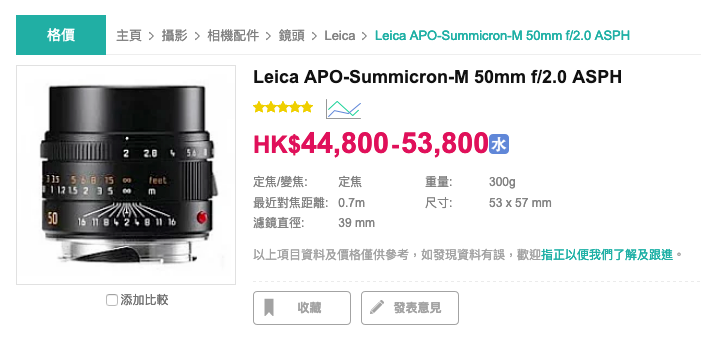
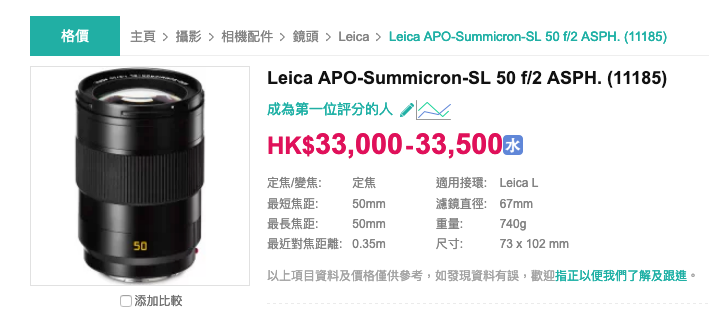
50APO Cons:
。Price, price, price. The Sigma ART series of lenses are relatively inexpensive but with an extensive image circle to compete with the original lens. If the price of the 50APO was closer to the 50ASPH, I believe more people would choose to try it, but for many people, the 50ASPH is already a perfect choice for 24mp, so there is no need to pay 1/3 more for the 50APO…
。For many people, the 50APO is too stable, and the image style will not change even at a different aperture. Also, unlike noctilux, 50APO can be used with a fully open aperture and a unique bokeh optimization. Still, when using 50APO, the photographer has to find a suitable background, and there must be some interaction between the people and the situation to get a better picture. Sometimes when I look at 50APO photos on the internet, most of them are just very ordinary photos. Many of my friends who use 50APO will sell the lens after the first use or put it in a deep place in a damp box XD Most of the photos I took were taken within a year after I bought the lens, and I would only take them out for shooting two to three months afterwards.


50APO vs Summicron M 50/2 v5How much more would you be willing to pay for the ultimate advancement?
Mercedes-Benz vs FerrariI think the Summicron M50/2 v5 is probably already 93–95 points better in its current form, even if it is still a negative-era design, but as the years of shooting by different people have shown, it is definitely a lens that can stand the test of time.
The 50APO is a lens that is made for the pursuit of limits, extremely high resolution, zero scatter colour, purple edge, etc., in order to pursue what may be a very, very small difference, but often these very small differences require a great deal of manpower, material and resources to achieve, just as the Ferrari 100m acceleration may only take 0.x seconds, which is not useful for ordinary people, but its value depends on the user. It depends on the user. The value of a lens that pursues its limits may be that it allows you to shoot under extremely complex light sources and without the possibility of taking two, without the performance of the lens affecting your confidence or providing the most consistent and reliable performance to achieve your goals. The Summicron M50/2 v5 is probably more than enough for the amateur photographer who takes his time.
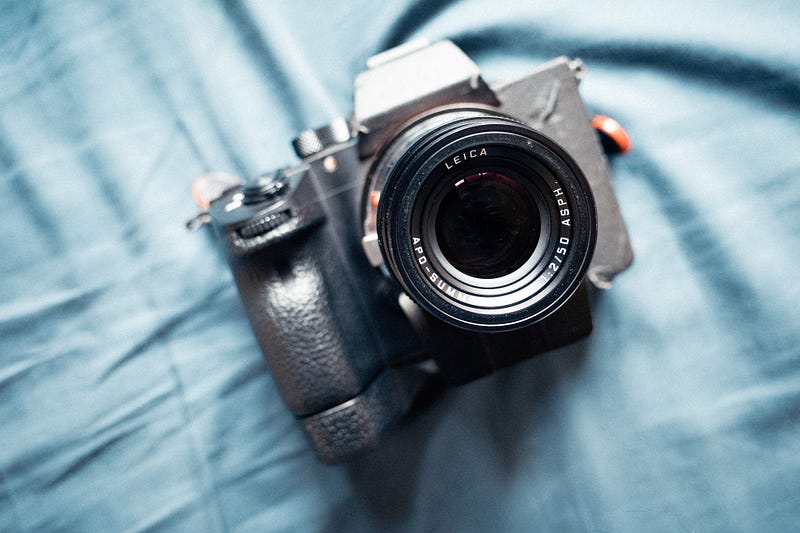
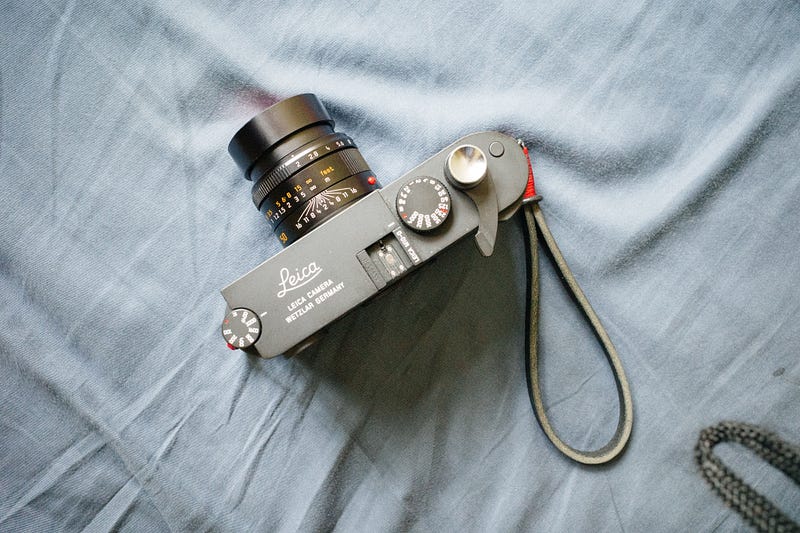

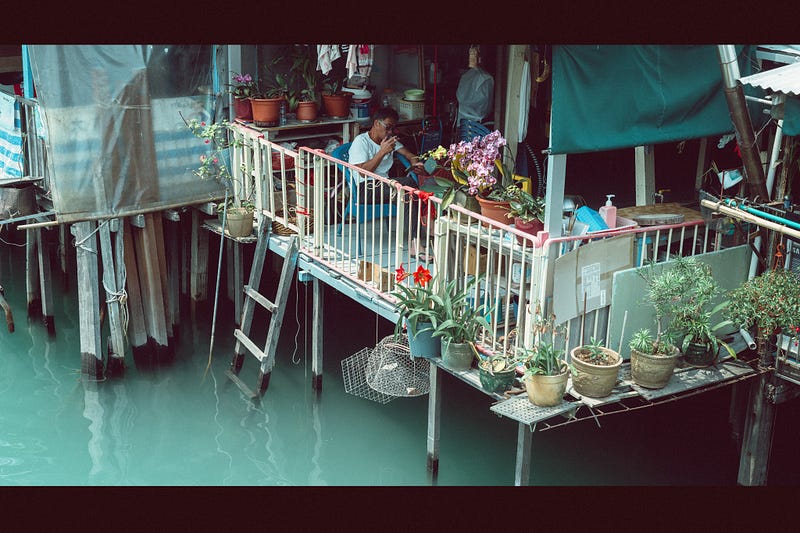


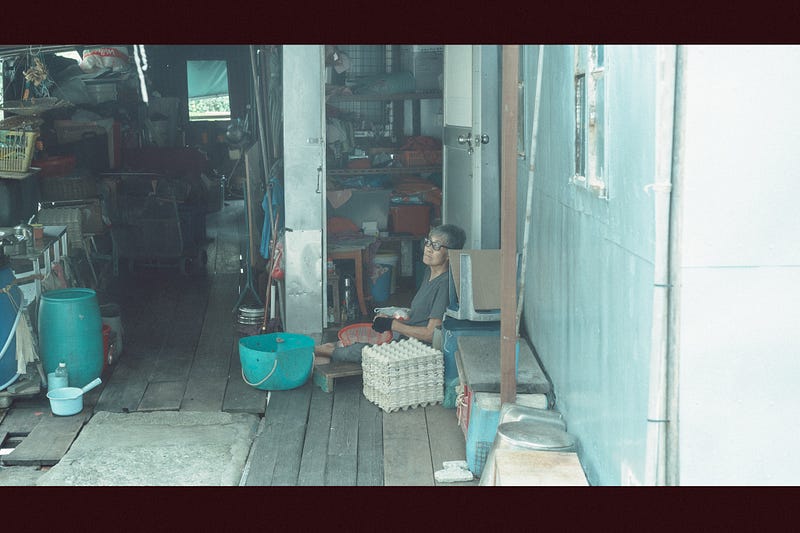

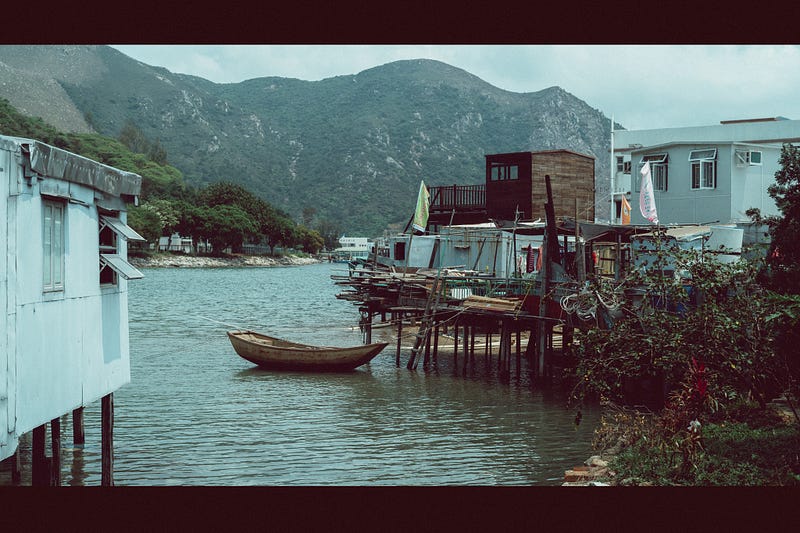
A final thought.
Most of the 50APO were unboxed and tested together with the Leica M. There are really few articles on the web about the 50APO + Sony A7RIII unboxing. The 50APO + Sony A7RIII + Techart AFM adapter has become one of the most popular combinations of high quality, lightweight and automation…
GM + A7R3 or M10D + 50APO Factory camera + Factory lens is probably the best way to achieve the best quality. Still, the problem is that the lens combination may include more factors: price, quality, mobility, portability. Just as the price of a 50APO is enough to buy a used Otus 28/1.4 + a used Otus 55/1.4, would you like to take a 50APO + 28lux or Otus 28 + Otus 55 for street photography?
The longer you use the 50APO, the more you feel the cleanliness, the bright and transparent photo style, the high resolution and the ability to restore colours.
The 50APO can be an all-rounder, with the performance, weight and size to give you the motivation to take it out and not just leave it as a humidor collector’s item for a few shots a year.
The Otus 55/1.4 may be capable of outperforming the 50APo on the complex technical side, but a lens that I wouldn’t take out on the street is really not much of a comparison for me. As for the price and CP value, I won’t mention them. But I got it in 2016, and it has appreciated a lot today, the second-hand price is still much higher than the price of a new one that day XD, one of the reasons why I still have it is that it is relatively safe and valuable XD
For me, I look forward to using the 50APO on the Sigma Foveon X3 FF sensor one day.
P.S I believe many of you who own a 50APO will understand that it is hard to express in a few words, if after reading this, it discourages you from buying a 50APO, I guess I have succeeded, haha
Rokkorx’s Blog | Facebook https://www.flickr.com/photos/rokkorx/ https://www.instagram.com/samlee.hk/
IF you Like my reviews , please support me by buying me a coffee.
For other references, see.
leica apo-summicron-m 50mm/f2 asph大樓
https://www.overgaard.dk/leica-50mm-APO-Summicron-M-ASPH-f-20.html
Leica APO Summicron 50mm/f2 review, 徠卡鏡頭群中的隱士
2019.11.01
END
Rokkorxblog — Rokkorxblog — Medium
If you like this post, feel free to give me a pat on the back and let me know you like it too XD
You can also follow me by pressing the Follow button, but unfortunately, you can’t set up a sneak preview XD. If you are willing to pay USD 1 per month for a cup of coffee, you can support me in my “Words are worth it, photos are worth it”. I have been writing blogs for more than ten years so that you may have read my Minolta articles, other equipment and photo tips in the past. It is not easy to maintain this interest in blogging. Today, many photographers like to shoot youtube or use pictures instead of writing, so in-depth introduction and evaluation may be a chore for many people. Still, I believe that words and photos have a specific value. I have many more pictures and photographs that I would like to share with you, and a little financial contribution from you would help me go further or write.
If you are interested in paying for a cup of coffee every month, subscribe to the author Patreon at:
You can also sponsor me to write a one-off article through Payme

Thank you for reading.
Rokkorx’s Blog | Facebook https://www.flickr.com/photos/rokkorx/ https://www.instagram.com/samlee.hk/