avatarKiki Wellington

Free AI web copilot to create summaries, insights and extended knowledge, download it at here

2901

Abstract

d find a good balance between helping you on the one hand, and providing autonomy on the other, you’re more likely to be secure. If you had parents that were insensitive and intrusive and weren’t consistent about the help they provided, you’re more likely to be anxious. And then if you had parents that were cold and rejecting, you are more likely to develop an avoidant attachment style. These differences that people develop pretty early predict a lot of relational behaviors and outcomes.”</p><figure id="ee1b"><img src="https://cdn-images-1.readmedium.com/v2/resize:fit:800/1*91Bi3qJUzRr2t1y4yDklvA.jpeg"><figcaption>Photo by <a href="https://depositphotos.com/portfolio-11233746.html?content=photo">NatashaFedorova</a> on <a href="https://depositphotos.com/174531608/stock-photo-couple-sharing-pizza-slices.html">DepositPhotos</a></figcaption></figure><p id="17f4">In order to predict how attachment styles affect outcomes like getting a bite of your partner’s food, Gillath and his colleague, Sabrina Gregersen, first asked study participants questions to gauge their attachment styles. Then, they were given <a href="https://readmedium.com/is-your-partner-hoarding-snacks-b14540de2e20">snacks</a> and placed in a room with someone else so researchers could monitor whether or not they were willing to share their food when asked. In addition, researchers placed a study confederate in the room who had snacks to find out how comfortable participants felt accepting food from another person.</p><p id="177d">The results, which were published in <a href="https://pubmed.ncbi.nlm.nih.gov/32165269/"><i>Appetite</i></a>, showed that people who were high in attachment avoidance were less likely to share food with a partner. In fact, these respondents were so militant about their food that they were also less likely to even <a href="https://readmedium.com/want-to-impress-your-valentines-day-date-stop-trying-to-sound-so-smart-fad54afebdba">date</a> someone who had different food preferences from them. Also, researchers found that enhanced attachment security was related to the willingness to offer food to someone else, and attachment <a href="https://readmedium.com/what-are-the-most-anxiety-inducing-sexual-positions-11c29ee25775">anxiety</a> was associated with accepting food from another person.</p><p id="24b3" type="7">“When we share food, it shows trust — it shows we’re willing to give up some of our resources, and it shows we want to get close with someone.”</p><p id="62bc">Although this may explain why your partner is so stingy with the food on their plate, or why they may or may not accept food you offer from yours, Gillath says the implications of this research go far beyond just behavior during dinner dates. This may actually be indicative of how people are able to get through emergency situations where food is scarce.</p><p id="2887">“Not having food and feeling <a h

Options

ref="https://readmedium.com/relationship-insecurity-puts-a-high-value-on-material-possessions-98cd0c865f85">insecure</a> about the whole situation is definitely going to increase mental health issues — whereas having food and having people looking out for you can not only keep people from starving, but also potentially help with their mental health and anxieties,” said Gillath. “It is in times like these when we need to find a way to come together, reduce anxiety, and help each other out. Making people feel secure can help with that.”</p><p id="dbfc"><b><i>More from Kiki Wellington:</i></b></p><div id="f114" class="link-block"> <a href="https://readmedium.com/is-your-partner-hoarding-snacks-b14540de2e20"> <div> <div> <h2>Quickie: Is Your Partner Hoarding Snacks?</h2> <div><h3>Study shows that if snacks are going missing, chances are there’s a clear culprit</h3></div> <div><p>medium.com</p></div> </div> <div> <div style="background-image: url(https://miro.readmedium.com/v2/resize:fit:320/1*vNTxmbhu-b5w5UEsSvC5gQ.jpeg)"></div> </div> </div> </a> </div><div id="c033" class="link-block"> <a href="https://readmedium.com/relationship-insecurity-puts-a-high-value-on-material-possessions-98cd0c865f85"> <div> <div> <h2>Quickie: The High Cost of Relationship Insecurity</h2> <div><h3>When your romance is rocky, you may put more value on your stuff</h3></div> <div><p>medium.com</p></div> </div> <div> <div style="background-image: url(https://miro.readmedium.com/v2/resize:fit:320/1*KudXxphhvzWdXmmxmfw3Tw.jpeg)"></div> </div> </div> </a> </div><div id="a9d2" class="link-block"> <a href="https://readmedium.com/answering-the-foodie-call-c63aae0e1a71"> <div> <div> <h2>Answering the ‘Foodie Call’</h2> <div><h3>Study shows many women are dating for dinners</h3></div> <div><p>medium.com</p></div> </div> <div> <div style="background-image: url(https://miro.readmedium.com/v2/resize:fit:320/1*RF9YLhpJcOg2kkHnCdkyhA.jpeg)"></div> </div> </div> </a> </div><p id="f8c9"><b>Source:</b></p><p id="9c8a"><i>How we perceive close relationships with others determines our willingness to share food</i>. University of Kansas. <a href="https://news.ku.edu/2020/03/24/how-we-perceive-close-relationships-others-determines-our-willingness-share-food">https://news.ku.edu/2020/03/24/how-we-perceive-close-relationships-others-determines-our-willingness-share-food</a></p></article></body>

Is Your Partner Stingy With Food? It May Not Just Be Hunger

How relationship closeness and attachment styles influence food sharing habits
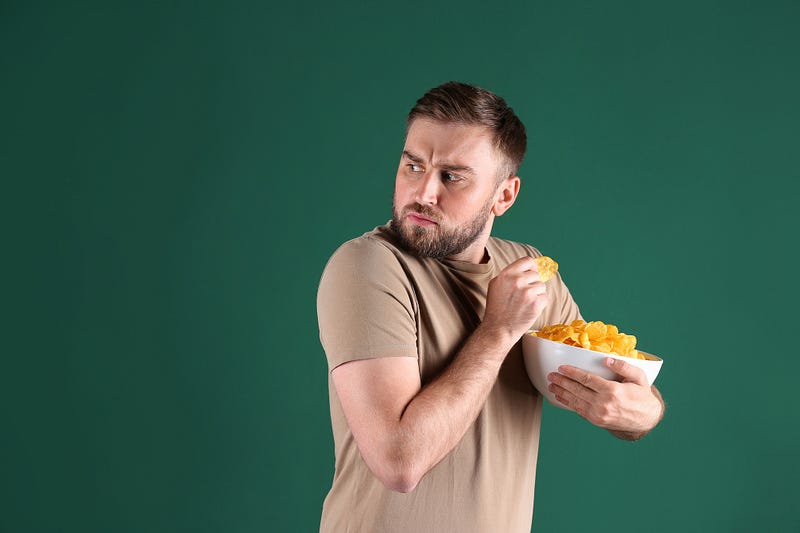
Photo by NewAfrica on DepositPhotos

You’re at a restaurant with your partner and you keep admiring how delicious their dish looks. You ask if you can sample a bite to share the savory goodness with them. How does your partner respond?

According to experts at the University of Kansas, it depends on how close your relationship is.

“When we share food, it shows trust — it shows we’re willing to give up some of our resources, and it shows we want to get close with someone,” said researcher Omri Gillath. “Think about the psychological aspect of comfort food. When people are feeling down, when they’re upset, when they’re stressed, food is a source of comfort. We think in part this is because of the connection between food and love. If you think about breastfeeding, babies are getting both the food and the nutrition they need, and the warmth and love from their mom, this creates a strong connection between food and love.”

“When people are feeling down, when they’re upset, when they’re stressed, food is a source of comfort…because of the connection between food and love.”

And Gillath says this connection between food and love is all based on the attachment style that every person develops in their childhood.

“‘Attachment’ is a theory that explains how people bond to each other and how they regulate their emotions,” said Gillath. “People have an attachment style based on early interactions with their primary caregivers — parents usually. The three main styles are secure, anxious, and avoidant. If you have parents that were supportive and sensitive and find a good balance between helping you on the one hand, and providing autonomy on the other, you’re more likely to be secure. If you had parents that were insensitive and intrusive and weren’t consistent about the help they provided, you’re more likely to be anxious. And then if you had parents that were cold and rejecting, you are more likely to develop an avoidant attachment style. These differences that people develop pretty early predict a lot of relational behaviors and outcomes.”
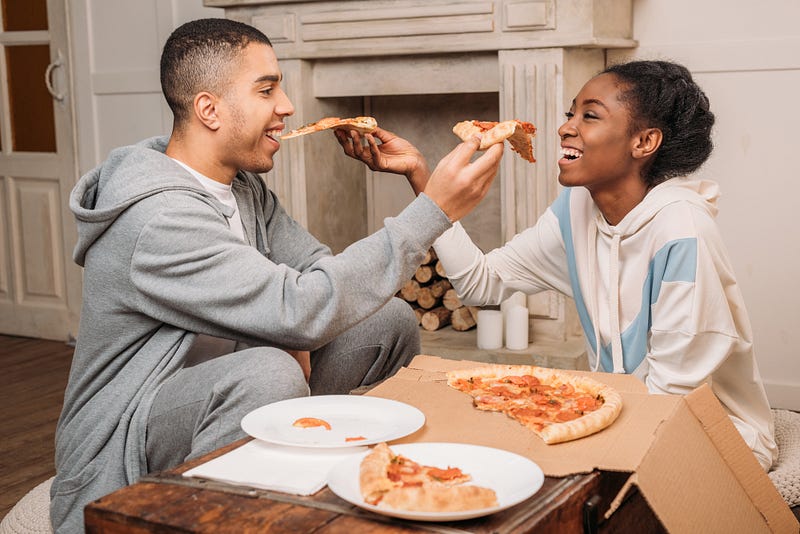
Photo by NatashaFedorova on DepositPhotos

In order to predict how attachment styles affect outcomes like getting a bite of your partner’s food, Gillath and his colleague, Sabrina Gregersen, first asked study participants questions to gauge their attachment styles. Then, they were given snacks and placed in a room with someone else so researchers could monitor whether or not they were willing to share their food when asked. In addition, researchers placed a study confederate in the room who had snacks to find out how comfortable participants felt accepting food from another person.

The results, which were published in Appetite, showed that people who were high in attachment avoidance were less likely to share food with a partner. In fact, these respondents were so militant about their food that they were also less likely to even date someone who had different food preferences from them. Also, researchers found that enhanced attachment security was related to the willingness to offer food to someone else, and attachment anxiety was associated with accepting food from another person.

“When we share food, it shows trust — it shows we’re willing to give up some of our resources, and it shows we want to get close with someone.”

Although this may explain why your partner is so stingy with the food on their plate, or why they may or may not accept food you offer from yours, Gillath says the implications of this research go far beyond just behavior during dinner dates. This may actually be indicative of how people are able to get through emergency situations where food is scarce.

“Not having food and feeling insecure about the whole situation is definitely going to increase mental health issues — whereas having food and having people looking out for you can not only keep people from starving, but also potentially help with their mental health and anxieties,” said Gillath. “It is in times like these when we need to find a way to come together, reduce anxiety, and help each other out. Making people feel secure can help with that.”

More from Kiki Wellington:

Source:

How we perceive close relationships with others determines our willingness to share food. University of Kansas. https://news.ku.edu/2020/03/24/how-we-perceive-close-relationships-others-determines-our-willingness-share-food

Relationships
Food
Attachment Style
Psychology
Sharing
Recommended from ReadMedium