
Classroom Management vs. Discipline — What is the difference?
A closer look at the relationship between classroom management and discipline in K-12 education.

What is the difference?
Classroom management is the overall running of the classroom.
Discipline strategies are one aspect of classroom management where the focus is on behavior and emotions.
At the begninning of the school year, teachers and students should work together in establishing the proper rules, procedures, and discipline strategies inorder to properly “manage” the classroom.
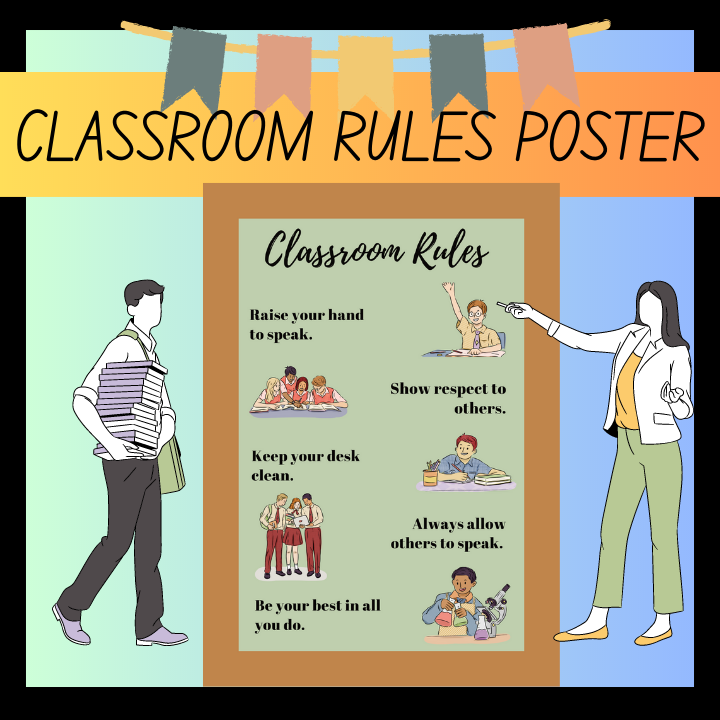
Visit me at the ETI Academy TpT Store to download my resources on classroom management.
The Emotional Connection to Classroom Management
In the classroom, students don’t often think about how their emotions affect classroom management strategies, discipline strategies, and their learning.
Watch the video above to see what benefits social emotional learning brings to classroom management in helping to deal with discipline issues.
Journals also help with having students stay connected to their emotions and feelings throughout their time in the classroom.
The Relationship between Classroom Management and Discipline
Can you have one without the other?
The short answer is no.
Effective classroom management strategies plan to include different aspects of behaviors, rewards and consequences that go along with rules, and procedures.
When students are effectively running the classroom according to the established rules and procedures, then this makes the issue of discipline easier.
Discipline deals with behavior management.
When students are more aware of how their behavior impacts on their learning, then disciplining the students means rewarding positive behavior.
The Aspects of Classroom Management
As the name indicates, classroom management means taking control of the classroom to avoid chaos.
But does that mean that only the teacher has to take control of the class?
In the beginning of the school year, yes, the teacher needs to be in control. The teacher is an authoritative figure in the classroom.
Teachers should know how to use their control of the classroom to benefit the students in the classroom.
Students will be more likely to participate in managing their behavior and responsibilities in the classroom when they have had a hand in establishing how the classroom will be managed.
In other words, the teacher does not control the class as a dictatorship, but as a democratic society.

Let’s now take a close look at the three important aspects to classroom management: rules and procedures, routines, and discipline strategies.
Rules & Procedures
Rules that cover all aspects of time spent in the classroom means that students become familiar as to what is right and wrong so that problems are avoided.
For example, how to enter and exit the classroom. How to ask permission to leave the classroom for various reasons, and so on.
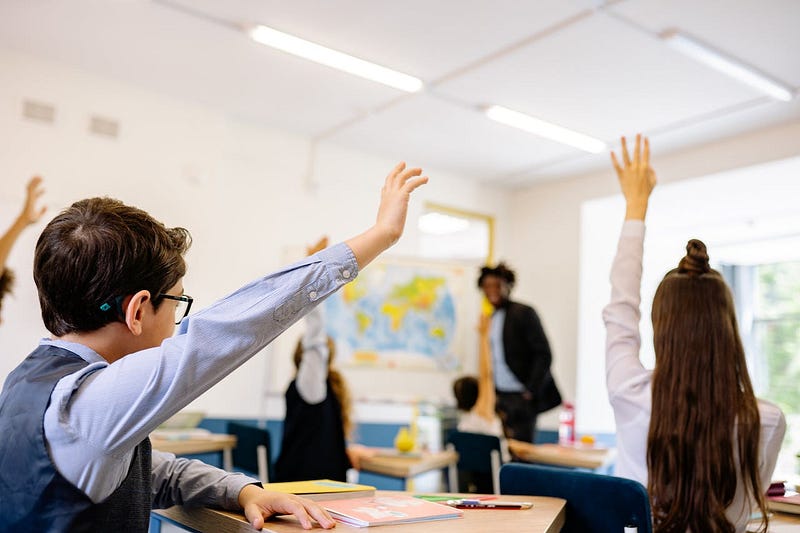
Procedures are how students are to spend their time in the classroom as it relates to their academic work.
Students need to be aware of what activities they can do if they finish their work early, where to hand in finished assignments, and how to keep their desks clean and organized.
Click here to learn more about how to stay organized in school.
Routines
Routines are connected to the agenda the teacher has planned for the students during the class.
When the teacher tells the students the activities included in the agenda, students begin to form a routine with each activity.
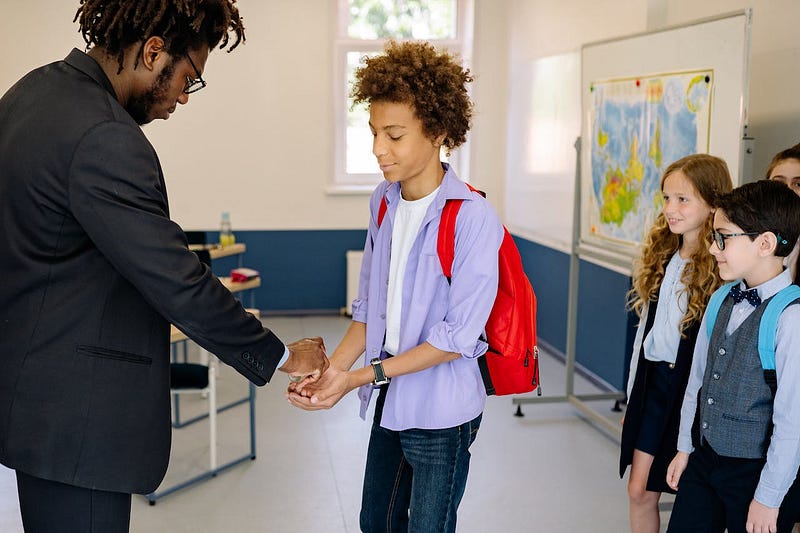
Teachers may also have special activities set on a particular day such as show and tell.
Discipline Strategies
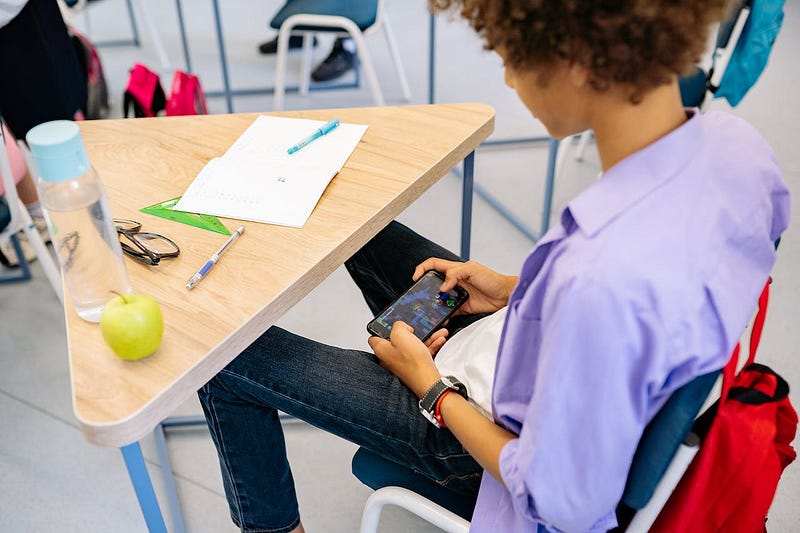
These strategies focus on positive outcomes when it comes to behavior and commitments to responsibilities.
Rather than using punishments to correct behavior students are asked to reflect on their behavior and how negative behavior and actions have consequences that can impact everyone in the classroom.
The Aspects of Discipline Strategies
The three main aspects to discipline strategies are: roles and responsibilities, behavior management, rewards and consequences.
Roles and Responsibilities
As part of building character through behavior, teachers can help students define their roles in the classroom.
For example, each week every student takes on the responsibility to completing a task in the classroom, such as classroom monitor.
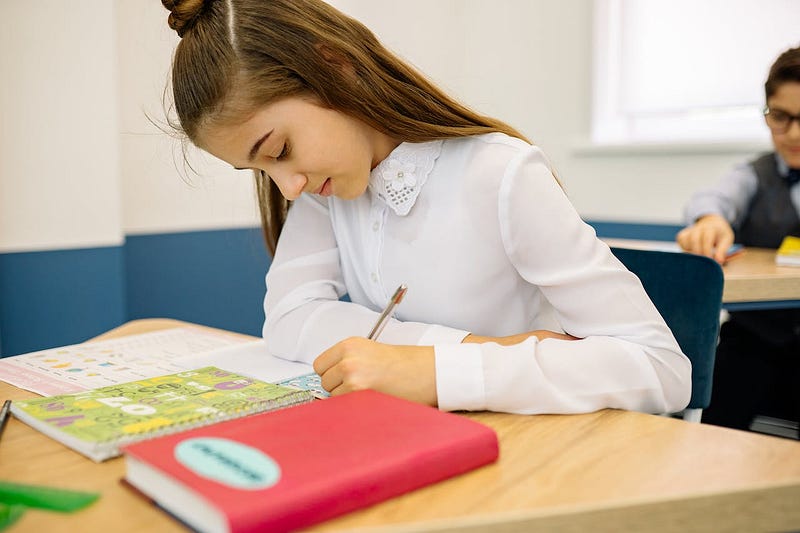
Of course, the number one role students have is to help build a safe classroom environment.
Building a safe classroom environment means students are aware of how they interact with other students and how they’re contributions to the class through assignments, questions and answers, helps everyone learn.
Behavior Managment
The building of one’s character is valued in the relationships they form with those around them. Teachers and students build relationships through trust and communication.
Teachers as role models of good behavior come to expect their students to demonstrate good behavior for the sake of everyone in the classroom.
Students who choose not to make the right choice in the classroom should understand that their choices can hurt others and that better choices lead to better relationships.
Rewards and Consequences
Every classroom needs to show a system of rewards and consequences, but why?
The reason is that these add value to students’ level of motivation. To seek a reward or avoid a consequence motivates students.
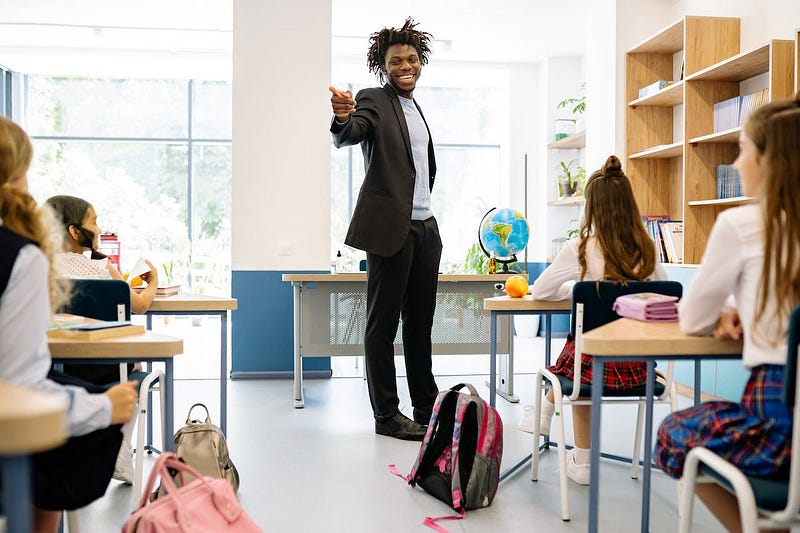
Where teachers have to be careful in choosing their rewards and consequences is if these rewards and consequences impact negatively on students’ self-esteem.
For more information on what discipline strategies work best in the classroom, click here.
Classroom Management vs. Discipline in The Online Classroom
What does classroom management look like in the online classroom?
Understanding how to deal with classroom management and discipline issues can be even more challenging to teachers who teach in the online classroom.
All of the aspects that were mentioned for classroom management can be carried out in the online classroom.

However, discipline takes more effort since it is harder to focus in the online classroom.
But, as the saying goes, where there is a will there is a way.
The hard part is convincing students to have the will.
Final thoughts…
Classrooms are meant to be seen as a place of learning. Even if the dynamics change when it comes to how classrooms look like, the aspects need to remain the same.
These aspects will add value to students characters, learning, and most importantly will help them build the confidence, and enthusiasm to succeed in their classes.
If you enjoyed reading this article, please consider reading my other articles on establishing a safe classroom commuity among students and teachers.


