their emotions through the use of their senses to write things down.</p><p id="5945">In writing down their own personal thoughts for the future, they may be inspired to direct some of that energy into organizing and managing their time to achieve their personal goals.</p><h1 id="2b3d">II. Helps With Achieving Goals</h1><p id="0e38">In making the transition to online learning during the COVID pandemic year of 2020, many students found they were struggling with meeting their academic goals.</p><p id="948f">Journal writing may be seen as an outlet for keeping track of personal goals, while also giving yourself some personal words of encouragement.</p><p id="5536">Seeing a personal goal or a “to-do” list written down on paper may motivate you more to accomplish that goal or to get that list done!</p><figure id="d5eb"><img src="https://cdn-images-1.readmedium.com/v2/resize:fit:800/1*HSV8g1s_Y6OFwZ2VQN9nkg.jpeg"><figcaption>Students in a classroom — photo courtesy of Pavel Danilyuk from Pexels</figcaption></figure><p id="f445">Journals are a great tool to have when organizing your study plans, managing your study time, or writing down goals for the future.</p><p id="d01b"><b><i>What makes a journal different than an agenda then?</i></b></p><p id="aec1">In a journal you can give yourself feedback on how things went! Giving feedback on events that happened is a good way to build memory skills.</p><p id="a7f5">Journal writing connects emotions to words, and certain words can also help with memory retention.</p>
<figure id="bbdc">
<div>
<div>
<img class="ratio" src="http://placehold.it/16x9">
<iframe class="" src="https://cdn.embedly.com/widgets/media.html?src=https%3A%2F%2Fwww.youtube.com%2Fembed%2FzFqaf1BwtB0%3Ffeature%3Doembed&display_name=YouTube&url=https%3A%2F%2Fwww.youtube.com%2Fwatch%3Fv%3DzFqaf1BwtB0&image=https%3A%2F%2Fi.ytimg.com%2Fvi%2FzFqaf1BwtB0%2Fhqdefault.jpg&key=a19fcc184b9711e1b4764040d3dc5c07&type=text%2Fhtml&schema=youtube" allowfullscreen="" frameborder="0" height="480" width="854">
</div>
</div>
</figure></iframe></div></div></figure><p id="c42d"><a href="https://youtu.be/zFqaf1BwtB0?si=gNKx-wOXcA-3YbiY"><b><i>My YouTube video on the benefits journal writing brings to students.</i></b></a></p><h1 id="01be">III. Improves Memory Skills</h1><p id="90e9">This really shouldn’t come as a surprise since the events we often remember the most are closely connected to our emotions.</p><p id="d094">Writing about important events allows us to remember important details that we may be excited to share with others, such as birthdays, holidays, weddings, or the birth of a child or sibling.</p><figure id="4a29"><img src="https://cdn-images-1.readmedium.com/v2/resize:fit:800/1*32uwto8c8Gkg5MIJeimxAg.jpeg"><figcaption>Students in a classroom — photo courtesy of Pavel Danilyuk from Pexels</figcaption></figure><p id="54d7">Remembering important details is an essential part of learning.</p><p id="3cb1">Often times students who are able to remember details about events are able to write them down in a way as to keep others excited to hear about what they have to say.</p><p id="f2e9">So in improving their memory skills students will also improve on their written and oral communication skills.</p><p id="e9e8">With improved communication skills that can only mean that their level of creativity in journal writing can only continue to inspire and impress themselves and those around them!</p><h1 id="fa8a">IV. Inspires Creativity</h1><p id="58b6">Creativity in journal writing comes in all different ways one can express themselves.</p><p id="6b93">You can choose a journal to record a special event or time in your life, or you could use a travel journal to record that trip you plan to take in the coming year!</p><p id="ed33" type="7">Or you could just use a journal with a no specific reason other than you — and who is more important than you?</p><p id="c5a0">Journal writing is meant to give a person freedoom over their thoughts, emotions, and ideas and so there isn’t one way to keep a journal!</p><p id="c1e5">If you like using your journ
Options
al to write down ideas, write them down so you don’t forget! If you are more of a visual person, why not include drawings in your journal as your own form of expression.</p><figure id="10c0"><img src="https://cdn-images-1.readmedium.com/v2/resize:fit:800/1*0eZhr2I9ei30AdfXI2Jmiw.jpeg"><figcaption>Students in a classroom — photo courtesy of Pavel Danilyuk from Pexels</figcaption></figure><p id="efd6"><b><i>Now, why does journal writing seem more closely connected to something girls would do, rather than boys?</i></b></p><p id="c644">While it is true that girls tend to enjoy communicating more when it comes to writing things down, boys can be just as creative in expressing their own ideas, thoughts, and emotions. Boys may prefer to draw instead of write and so they should be encouraged to journal write in their own way.</p><p id="64d6">In building our creativity in all that we do, we are benefiting our learning skills since through creativity, we come to building the skills that help out most in life — which is our critical thinking skills.</p><h1 id="fade">V. Improves Critical Thinking Skills</h1><p id="df2f">Creativity leads to reducing anxiety and improves problem solving skills as part of critical thinking skills.</p><p id="d220">Journal writing in schools gives boys and girls unique opportunities to show teachers and their fellow classmates a look into their own thoughts, experiences, and ideas.</p><p id="9728">When students share their journal writings in class and are allowed to ask questions about each others writings, this allows for deeper conversations and new learning to take place!</p><figure id="120c"><img src="https://cdn-images-1.readmedium.com/v2/resize:fit:800/1*0p5XfL3EtMzUn8vhoMdG1w.jpeg"><figcaption>Students in a classroom — photo courtesy of Pavel Danilyuk from Pexels</figcaption></figure><p id="fbcc">In being allowed the freedom to approach their journal writing in their own style, students feel more confident in approaching other subjects in their own unique way as well, which allows for building and improving on their critical thinking skills.</p><h1 id="c076">Final Thoughts…</h1><p id="2b63">Journal writing benefits students because it allows them the opportunity to express themselves in ways that may help them overcome stress or anxiety they may feel in school.</p><figure id="be2c"><img src="https://cdn-images-1.readmedium.com/v2/resize:fit:800/1*T9B_hEsoRKt0gPERGQqYdg.jpeg"><figcaption>Students entering a classroom — photo courtesy of Pavel Danilyuk from Pexels</figcaption></figure><p id="297c">Inside the classroom it benefits students because of the opportunity they have to share what they wrote with their teachers and fellow classmates.</p><p id="6f58">Outside the classroom it benefits them because of the time it gives them to reflect on their own thoughts, feelings, and emotions.</p><p id="f108">If you enjoyed this article, please read my other articles on mental wellness in education.</p><div id="fdcb" class="link-block">
<a href="https://readmedium.com/if-you-are-looking-to-appreciate-life-2afb2ecca8d1">
<div>
<div>
<h2>If You Are Looking to Appreciate Life…</h2>
<div><h3>Take your cues from the scents in life that give you comfort.</h3></div>
<div><p>medium.com</p></div>
</div>
<div>
<div style="background-image: url(https://miro.readmedium.com/v2/resize:fit:320/0*XzcZYvSmkENRoN2X)"></div>
</div>
</div>
</a>
</div><div id="e44c" class="link-block">
<a href="https://readmedium.com/alls-well-in-being-imperfect-412772da92ef">
<div>
<div>
<h2>All’s Well in Being Imperfect</h2>
<div><h3>Highlighting a story of how a mirror can show us we are all imperfectly perfect.</h3></div>
<div><p>medium.com</p></div>
</div>
<div>
<div style="background-image: url(https://miro.readmedium.com/v2/resize:fit:320/1*pdrOik8tE8U8ipk9VuIcLg.jpeg)"></div>
</div>
</div>
</a>
</div></article></body>
Five Benefits Students Get From Journal Writing
A look at how students can support their personal mindset through the medium of journal writing.

Students in a classroom — photo courtesy of Pavel Danilyuk from Pexels
Journal writing may seem to have become a lost art in schools as technology seems to require less of a pen-to-paper approach to expressing thoughts, emotions, and ideas.
However, it cannot be said that journal writing is seen as a time gone by, as this article attempts to bring back this art to the lives of students with all its benefits.

Students in a classroom — photo courtesy of Pavel Danilyuk from Pexels
One exceptional benefit is that journal writing may be seen as a way to help students improve their study habits. It helps with time management and organization. These are two key ingredients for any recipe for learning.
For more ideas connected to how the kitchen helps build learning skills, visit my website at https://edukitchen.net.
What is a Journal?
A journal is a record of a person’s personal reflections concerning events or ideas. A journal may often be referred to as a diary.
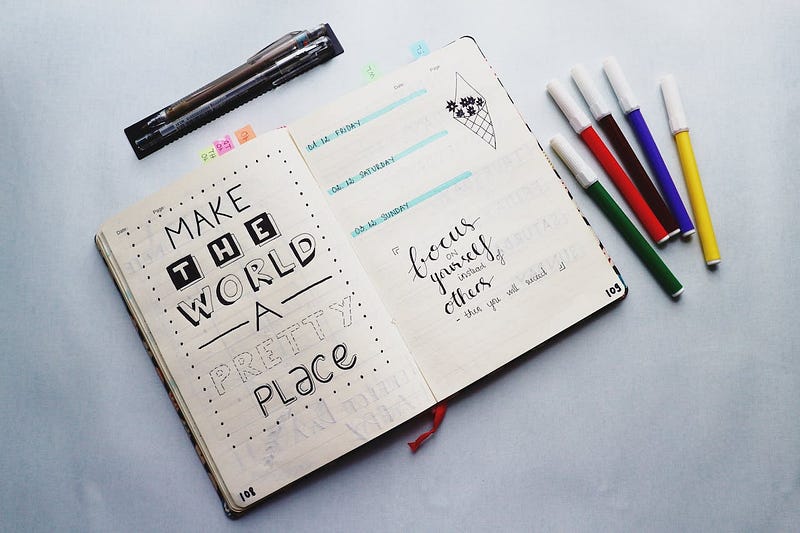
stock photo courtesy of Pexels
However, a diary is often seen as a private collection of information to share with no one. Whereas journals, while personal, may often times be read in front of others, such as teachers and family because the author looks to share their own personal reflections on information.
In this article I look at the different ways journal writing benefits students, while at the same time building the best approach for learning.
Building The Best Approach
Journal writing comes with many benefits not only to the student themselves but to their learning as well.
When students have an appropriate outlet for putting their thoughts, emotions, hopes, and dreams for the present or the future down on paper, it gives them a sense of freedom that helps them to understand more of who they are now and who they would like to be in the future.
I now share with you what I believe are five benefits journal writing can bring to students both inside and outside the classroom.
I. Improves Mental Health
Being able to hold a book in your hand brings our sense of touch into our mind. The sense of touch is important as it connects with mental health.

Students in a classroom — photo courtesy of Pavel Danilyuk from Pexels
Just as looking at an e-book doesn’t give the same sense of emotions as holding a book when you read, typing on the keyboard just doesn’t give the same sense of emotions as writing something down on paper.
That is why, not matter how wonderful and easy technology makes our lives, there are just something things that need to rely more on our human senses to keep our mental health and well-being alive and in good health.
Our senses play an important role when it comes to mental health. In holding a pen to paper, our sense of touch comes alive and so does our sense of sight when we write.
In writing about things we love and care about, we bring happiness into our hearts and minds.
Students may believe more in their own happiness if they give themselves time to connect their emotions through the use of their senses to write things down.
In writing down their own personal thoughts for the future, they may be inspired to direct some of that energy into organizing and managing their time to achieve their personal goals.
II. Helps With Achieving Goals
In making the transition to online learning during the COVID pandemic year of 2020, many students found they were struggling with meeting their academic goals.
Journal writing may be seen as an outlet for keeping track of personal goals, while also giving yourself some personal words of encouragement.
Seeing a personal goal or a “to-do” list written down on paper may motivate you more to accomplish that goal or to get that list done!

Students in a classroom — photo courtesy of Pavel Danilyuk from Pexels
Journals are a great tool to have when organizing your study plans, managing your study time, or writing down goals for the future.
What makes a journal different than an agenda then?
In a journal you can give yourself feedback on how things went! Giving feedback on events that happened is a good way to build memory skills.
Journal writing connects emotions to words, and certain words can also help with memory retention.
This really shouldn’t come as a surprise since the events we often remember the most are closely connected to our emotions.
Writing about important events allows us to remember important details that we may be excited to share with others, such as birthdays, holidays, weddings, or the birth of a child or sibling.

Students in a classroom — photo courtesy of Pavel Danilyuk from Pexels
Remembering important details is an essential part of learning.
Often times students who are able to remember details about events are able to write them down in a way as to keep others excited to hear about what they have to say.
So in improving their memory skills students will also improve on their written and oral communication skills.
With improved communication skills that can only mean that their level of creativity in journal writing can only continue to inspire and impress themselves and those around them!
IV. Inspires Creativity
Creativity in journal writing comes in all different ways one can express themselves.
You can choose a journal to record a special event or time in your life, or you could use a travel journal to record that trip you plan to take in the coming year!
Or you could just use a journal with a no specific reason other than you — and who is more important than you?
Journal writing is meant to give a person freedoom over their thoughts, emotions, and ideas and so there isn’t one way to keep a journal!
If you like using your journal to write down ideas, write them down so you don’t forget! If you are more of a visual person, why not include drawings in your journal as your own form of expression.

Students in a classroom — photo courtesy of Pavel Danilyuk from Pexels
Now, why does journal writing seem more closely connected to something girls would do, rather than boys?
While it is true that girls tend to enjoy communicating more when it comes to writing things down, boys can be just as creative in expressing their own ideas, thoughts, and emotions. Boys may prefer to draw instead of write and so they should be encouraged to journal write in their own way.
In building our creativity in all that we do, we are benefiting our learning skills since through creativity, we come to building the skills that help out most in life — which is our critical thinking skills.
V. Improves Critical Thinking Skills
Creativity leads to reducing anxiety and improves problem solving skills as part of critical thinking skills.
Journal writing in schools gives boys and girls unique opportunities to show teachers and their fellow classmates a look into their own thoughts, experiences, and ideas.
When students share their journal writings in class and are allowed to ask questions about each others writings, this allows for deeper conversations and new learning to take place!

Students in a classroom — photo courtesy of Pavel Danilyuk from Pexels
In being allowed the freedom to approach their journal writing in their own style, students feel more confident in approaching other subjects in their own unique way as well, which allows for building and improving on their critical thinking skills.
Final Thoughts…
Journal writing benefits students because it allows them the opportunity to express themselves in ways that may help them overcome stress or anxiety they may feel in school.

Students entering a classroom — photo courtesy of Pavel Danilyuk from Pexels
Inside the classroom it benefits students because of the opportunity they have to share what they wrote with their teachers and fellow classmates.
Outside the classroom it benefits them because of the time it gives them to reflect on their own thoughts, feelings, and emotions.
If you enjoyed this article, please read my other articles on mental wellness in education.