
7 Ways to Foster Social-Emotional Learning in the Classroom
A closer look into the role of social emotional learning play into the classroom.
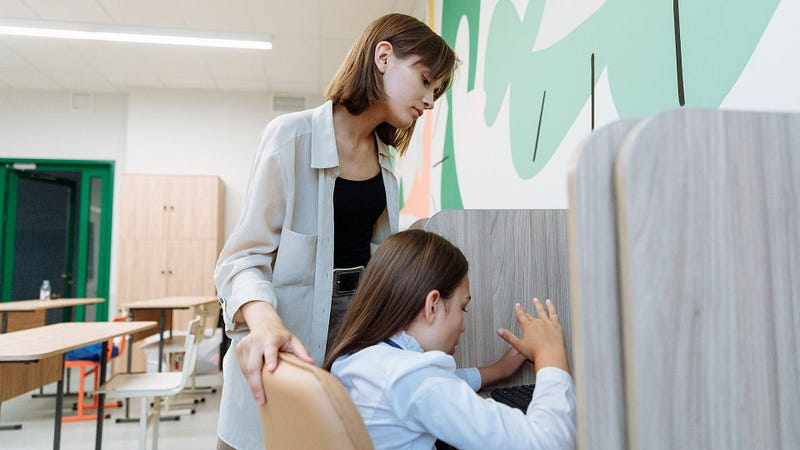
In my early days of teaching, I responded to the different emotions students were going through without really acknowledging why students felt the way they did during their time in the classroom.
Over the course of my teaching career, I began to look at how acknowleding possible emotions students may have gave deeper meaning into the learning happening in the classroom.
And now here we are.
In this article I discuss 7 ways social emotional learning (SEL) can be beneficial to learning, especially with math learning.
Let’s start with the definition of social emotional learning.
What is Social Emotional Learning (SEL)?
SEL is seen as the ability for students to use their emotions in a social learning environment to help guide their learning and set goals for their academic success.
In certain parts of the world, school administrations have now placed greater emphasis on mental health and having emotions recognized as an integral part of the learning process.
So a follow — up question may be…
How can we get students to agree social emotional learning is something beneficial to their learning experience?
The Benefits to Social Emotional Learning
One important strategy when it comes to learning is to recognize how emotions attach to learning itself.
If students feel anxiety, they cannot learn.
Students should be encouraged to have their voices heard, their identities established, and feel that they are in a safe learning environment where they can talk through any negative emotions they may be feeling.

Most importantly, students should feel that mistakes won’t be something to hold them back with their learning.
This may help to reduce anxiety students may feel towards learning, especially in the math classroom.
The 7 Benefits To Social Emotional Learning
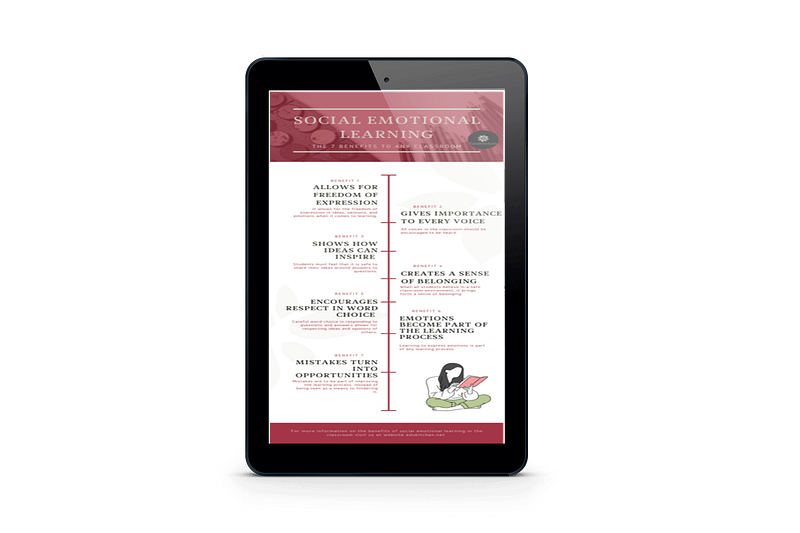
The seven benefits to using social emotional learning (SEL) in the classroom will tell you why SEL is so important for learning in general.
I. Freedom of Expression
Social emotional learning inside the classroom allows for ideas, opinions, and emotions around learning to be expressed freely and without fear.
II. Every Voice Matters
Teachers and students understand that all voices matter and should be heard in sharing answers.
III. Ideas Lead To Inspiration
Inspiration can come in having students connect emotions to accepting their own ideas and the ideas of others around answers to questions.
IV. Building A Safe Learning Environment
When teachers and students connect their emotions to accepting the value of what all students bring to the classroom, it brings forth a sense of belonging that helps foster a safe learning environment.

V. Word Choice Matters
Students use emotions to value back and forth responses on questions to establish respect for ideas and opinions of others.
VI. Emotions Matter
When teachers allow students the ability to connect their learning to expressing emotions on the concepts and overcoming any negative emotions, students appreciate it as part of the learning process.
VII. Mistakes Turn Into Opportunities To Learn
It allows for teachers and students to show that mistakes are to be part of improving the learning process, instead of being seen as a means to hindering it.
How Can Teachers Support Social Emotional Learning In The Classroom?
This is where teacher intuition works best. When teachers recognize that their students are experiencing negative emotions with what they are learning, then teachers can better communicate with their students.
Teachers can make a world of difference with how students learn a subject when they show them that they can connect to the emotions they may be feeling while learning.

When students feel that they are in a safe environment with making mistakes, for example, then they will build within themselves the confidence and enthusiasm that will benefit their learning.
SEL And Math Anxiety
Recognizing emotions in learning allows for better communication between teachers and students, as well among students themselves.
It opens the door to better math learning and improving problem solving skills when it comes to all different types of questions students may have in the classroom.

Math has become a subject closely related to emotions.
Students will signify that they love or hate math based on two important factors.
One factor being how the teacher teaches it, and the other is how they easily come to understand concepts.
When school administrations include social emotional learning as part of the curriculum, teachers can allow for students to recognize any anxiety that may build while learning, and especially in the math classroom.
I present to you a video of these seven benefits to social emotional learning to share with other colleagues in teaching math.
Final Thoughts
When students feel like they can work through their emotions and frustrations together with other students and the teacher about what they are learning, then the process of how they learn can begin.
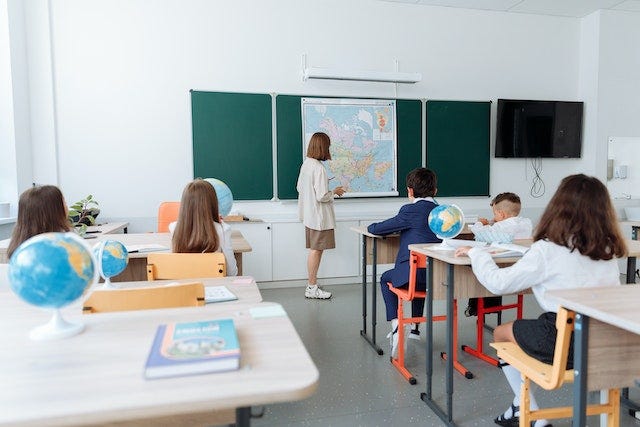
Finally, teachers should keep in mind that when social emotional learning is used effectively in the classroom, students will begin to ask questions in ways that allows them to feel accepted as well as appreciative of learning math or any other subject during their time in the classroom.
If you enjoyed this article, please read my other articles around emotions in the classroom.


