
The Motivating Factor Behind Discipline in the Classroom
The key factor that connects disciplining students and learning in the classroom.
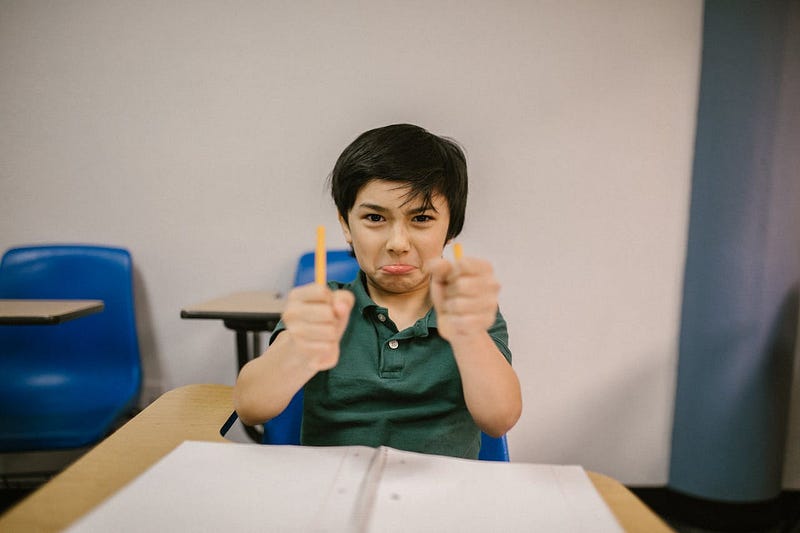
Discipline is a necessary part of classroom management, but it doesn’t have to be a scary word for students or teachers.
When teachers introduce measures in the right way, it helps to build good teacher-student relationships.
Effective Discipline Strategies that Help with Learning
How well students manage their own behavior in the class depends on their motivation.
And that is the key factor that connects disciplining students and learning.
Effective discipline strategies connect student motivation with learning through rewards and consequences.
When students are told what discipline means and what rewards and consequences are a part of the discipline routine, then they can accept rewards and consequences as one means of effective discipline strategies.
This helps with both intrinsic and extrinsic motivation to keep positive and avoid negative consequences when it comes to maintaining discipline in the classroom.
To take it a step further, having students involved in creating realistic and sustainable rewards and consequences for actions done in the classroom can boost motivation even more.
Intrinsic vs. Extrinsic Motivation
Teachers need to agree with students as to the rewards so that students find their motivation is for their own personal gain (intrinsic motivation) and not because they deserve the external reward (extrinsic motivation) the teacher has promised.
Gifts as rewards are always fun to receive, but students should know that the most important point in the reward system is to choose good behavior because it is important for one’s own happiness.
Stages of Rewards as Motivation
Rewards are seen as tools for motivation.
However, this idea of rewards and how effective they will be in behavior management depends on two factors: age and the kind of motivation.
Students in the primary stages (K — 5) generally look at rewards as a way to connect with their teacher and consequences as preventing them from connecting with their teacher.
The more rewards they get, the more their teacher likes them and sees them as a good student.
Students in the middle stages and beyond (6th — 12th grade) don’t see rewards as important in connecting with their teacher, because they generally see the value of connecting with peers to be more important.
Types of Rewards as Motivation
Students in primary stages (K — 5) delight in receiving simple physical rewards such as:
that are presented in a way that shows appreciation and recognition of their efforts.
Students in higher stages (6th — 12th) delight in receiving the extra points they need to get those ever-important high grades!
Students in this age group delight in receiving simple physical rewards such as:
that are presented in a way that shows appreciation and recognition of their efforts.
Teachers should be honest in offering extra points for work done that shows appreciation and recognition for the dedicated efforts students are making with their learning.
While it is tempting to do so, teachers should avoid offering sweets or candy as rewards for improvements in learning.

For both age groups, the reward systems should be set up so that all students have a fair chance at gaining rewards, so as to help them find the intrinsic motivation they need to keep themselves well-behaved and learning during the lesson.
Types of Consequences as Motivation
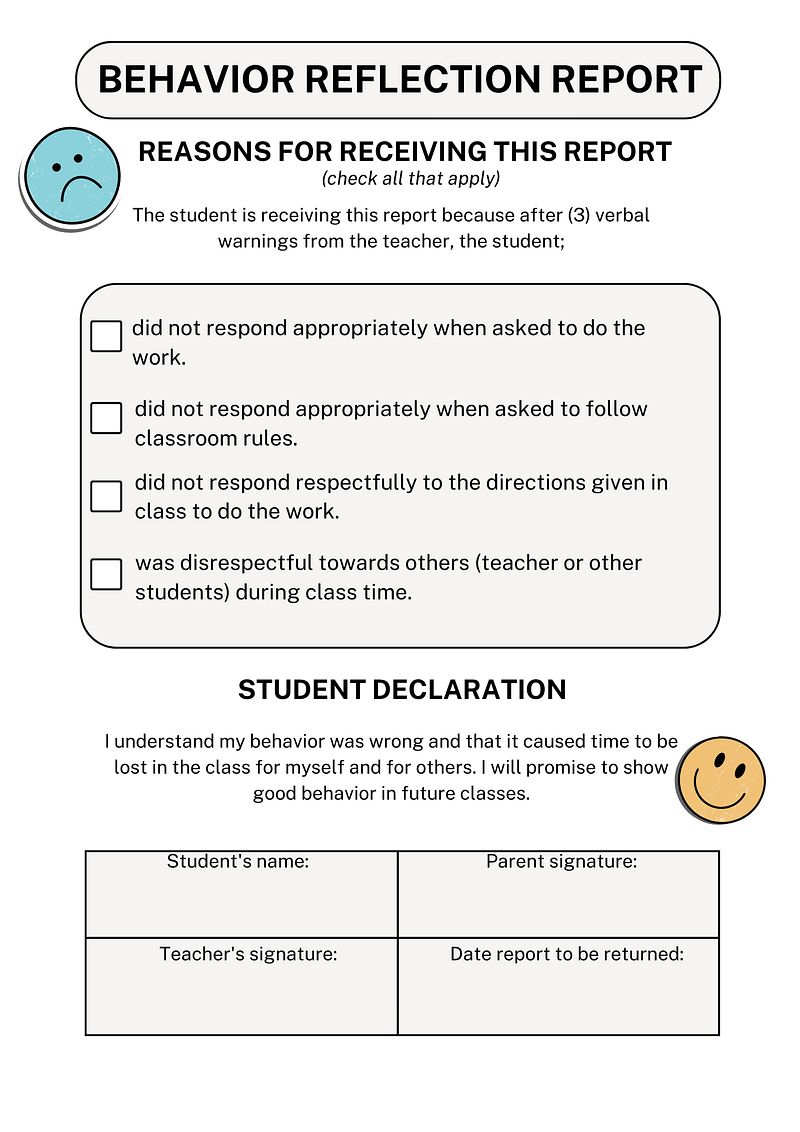
When students are not fulfilling their responsibilities in the classroom when it comes to their behavior, homework, or if they are caught cheating, teachers should have students reflect on these issues.
These types of consequences will get students thinking as to how their behavior should be so as to not cause problems for themselves and those around them.
Behavior Issues Impacting Learning
Students need to be aware of the consequences of their behavior as a way of understanding how their negative attitudes and behaviors are hurting their learning.
Discipline strategies are ways in which students recognize their own behavior leads to actions that can lead to negative consequences if not managed correctly. What they are not is a form of punishment.
Discipline vs. Punishment
Discipline should not be the same as punishment.
Punishment using harsh actions or words may be intended to correct students’ negative behavior, but it has been shown to do more damage to children’s confidence and self-esteem.
Punishment has no place in the classroom.
The attitudes and work students show in the classroom, and the teacher’s response can impact on their mental health and their learning.
Final Thoughts…
The dynamics in the classroom have changed since schools no longer allow physical punishments as a form of discipline.
While the threat of physical punishment may have silenced the expressions of thought, it didn’t do much in the way of intrinsic motivation — which is what really matters and what helps students improve their behavior and learning.
If you enjoyed reading this article, please consider reading my other articles around building student motivation in the classroom.
This article contains Amazon affiliate links. By clicking on the link and making a purchase, I may earn a small commission at no extra cost to you.


