
Fueling Your Energy Through Motivation
The two kinds of motivation students need to reach their educational goals.

Motivation, it’s a tricky business isn’t it?
But why is it tricky?
Well, because without motivation we can’t get much done.
Can we trick ourselves into staying motivated in school?
Well, let’s keep reading to find out!
I found that in order to stay motivated in school I need to take care of certain aspects to help me stay positive and move forward with finding my motivation (and success) in teaching.
I’ve narrowed the list down to five things and they include:
- understanding intrinsic vs. extrinsic motivation
- finding purpose
- dealing with mistakes
- setting goals
- planning to stay motivated
Understanding Intrinsic vs. Extrinsic Motivation
What is motivation?
It is what pushes you to get something done.
This push can come from internal personal emotions and feelings or it can come from the need to gain an external reward or both.
What is intrinsic motivation?
It is the push you give yourself because you have attached personal feelings and emotions to finding rewards and/or success that may not matter to anyone else but you.
An example would be earning a teaching degree in school because of how much you love to help others grow in knowledge.
What is extrinsic motivation?
It is the push you give yourself because you have attached personal needs to finding rewards that help you to gain other rewards or to demonstrate to others that you can find success.
An example would be earning a medical degree in school because of how much money you can make as a doctor.
Finding Your Purpose for Motivation
In finding your purpose for motivation, it is important to consider balancing between intrinsic and extrinsic motivation.

The question you need to answer before you can push yourself to do anything is — WHY?
Why am I going to push myself to get this done?
Students and Motivation
For students in elementary school and high school, the motivation is mostly extrinsic as they search or ask for external rewards to keep their motivation high.
However, these students are often the ones complaining about school.
It’s the students who value their intrinsic motivation that are the ones to enjoy real success.
When students see learning as a way to gain knowledge while at the same time building their confidence and enthusiasm to understand the world around them, then real success can begin to shine through.
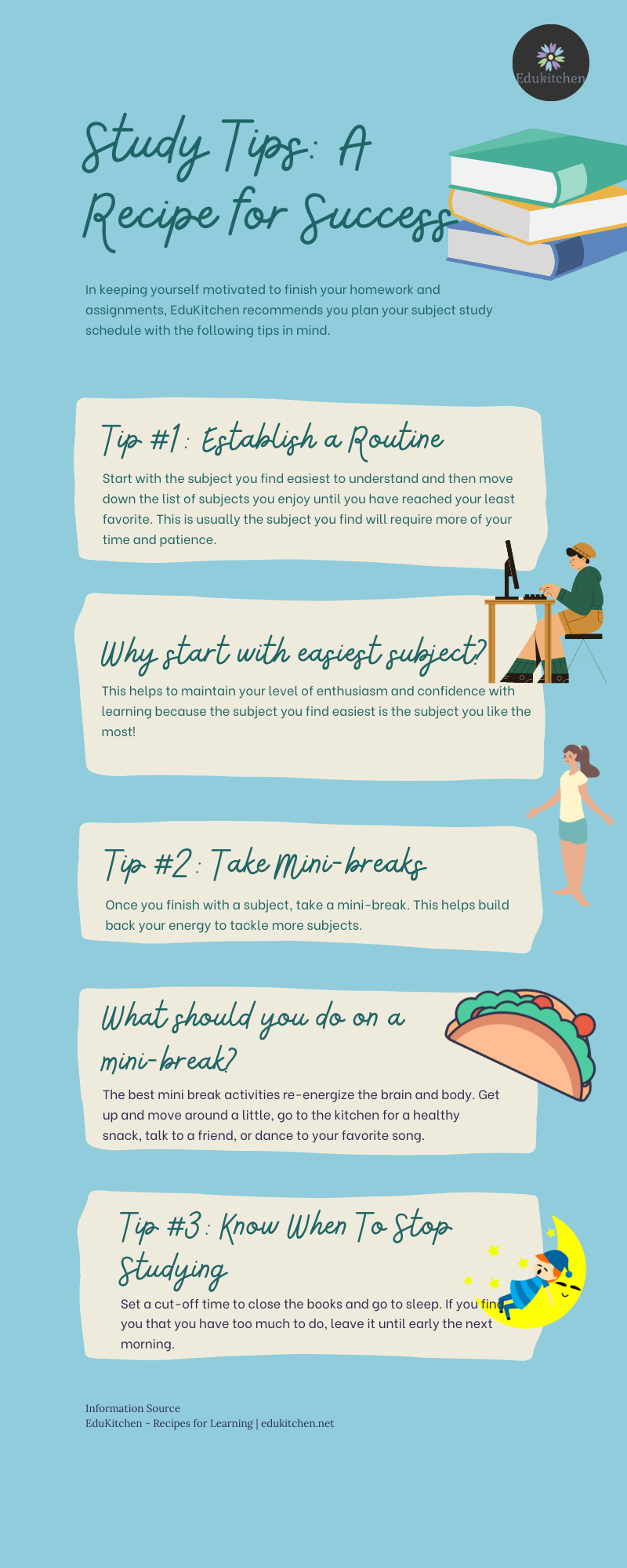
Learning how to study can really improve intrinsic motivation.
In learning how to study, students can start with three simple but important tips.
Teachers and Motivation
It is probably safe to say that the most renowned teachers, and the ones students remember the most, are more intrinsically motivated than extrinsically motivated.
Teacher candidates soon discover that if they enter the teaching field for their summers off, or if they are looking for the teaching field to compliment their lives, they are in the wrong career.
Teaching is, and has always been, a career of service, and as with other service careers, the motivation to stay, and help others succeed has to come from within and priceless rewards matter more than any other external rewards.
Just as no one likes to visit with a doctor who really didn’t want to be a doctor, no one wants to learn from a teacher who really didn’t want to be a teacher.
Teaching should never been as the “filler” career, the one that you take while you look for your ‘real’ career in life.
Dealing with Mistakes
If anything kills motivation, it is making mistakes.
Life is not perfect, and therefore not without mistakes.
If we let the fear of making mistakes stand in the way of teaching or learning, then we really limit our motivation to get things done.
Instead, let’s accept the fact that we can make mistakes and that in doing so, we can learn much more instead of making us want to quit.
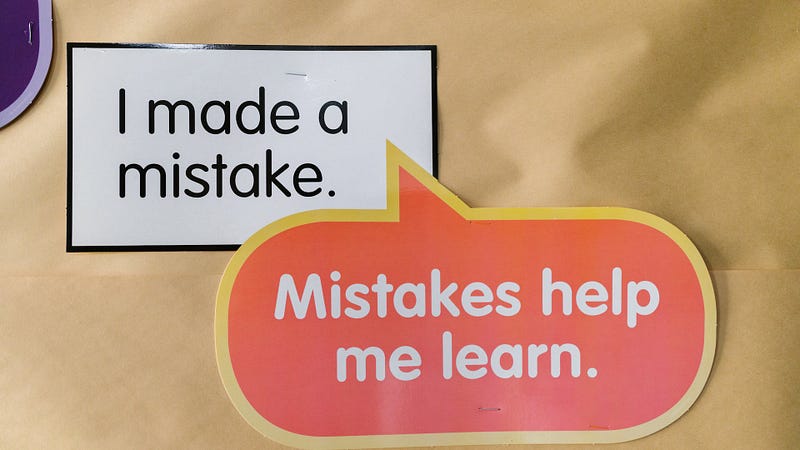
The key is to remember not to keep making the same mistake over and over again.
Setting Goals
To help our motivation to get things done easier, the first thing we need to do is set goals for ourselves.
Setting goals helps us to value the reward that comes with meeting that goal.
For example, when at home, set a goal to make a routine for yourself to help with studying, or planning your lesson plans for the next day.
Setting goals helps to improve intrinsic motivation while at the same time reaps the benefits of extrinsic motivations since the goals you set for yourself can be as a role model for others to follow.
Planning to Stay Motivated
Planning to stay motivated means you plan and organize your day to help you stay motivated from the time you wake up to the time you go to sleep.
Seeing your activities laid out for you on paper (or on your mobile phone) can motivate you to do what is right for you, while again being that influencing factor in someone else’s life.
But again, plan with purpose and with goals in mind that are within reach. Nothing kills motivation more than a missing purpose or goals that are too hard to reach.
Motivating yourself really does work in finding simple ways to make the day more exciting.

Final Thoughts…
Finding your motivation in life may not be easy — especially when doing nothing may seem like the more fun option.
However, we all need it to help us get up in the morning and feel like we have accomplished something during the day, and not wasted any opportunity.
If you try these five simple ways to help you build your motivation with teaching and learning, you also work to build your confidence and enthusiasm for teaching and learning as well.
If you enjoyed reading this article, please consider reading my other articles on how teachers can build effective communication and relationships with students.


