
What Makes for Healthy Teacher — Student Relationships in the Classroom?
Four important elements make for long-lasting connections between teachers and students in any classroom.
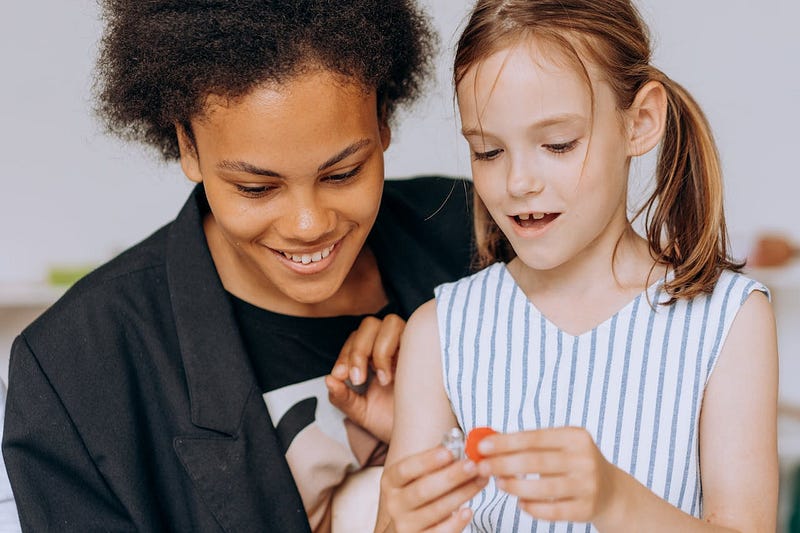
Good relationships are important for many reasons in life.
It is a benefit to our mental health.
It helps us connect positive emotions to what we want to learn and remember.
It allows us to communicate with others who are willing to listen to what we have to say, do, or write.
So then, what makes for healthy relationships between teachers and students in any classroom?
The answers may surprise you, so keep reading.
Teachers on On Day One
The approach teachers should take from day one is one that is transparent to the students, showing that the teacher is firm but kind.
In school, it can oftentimes make the difference between success and failure.
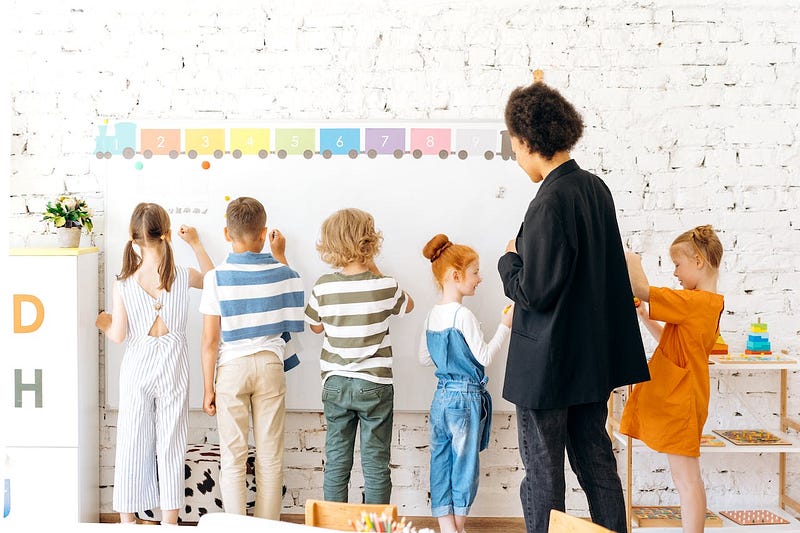
With firmness, teachers can show that the classroom is a place for learning, where knowledge is important, and communication works to improve our time management, organizational, and problem-solving skills.
Classroom rules can be established with ease, classroom management shows responsibility, discipline is self-regulated, and learning is a success for everyone!
With kindness, teachers can demonstrate to students that they are in the classroom to help the students succeed.
Kindness opens the door to improved communication between teachers and students and begins to foster the all important trust that is necessary to begin the student-teacher relationship.
When students begin to believe that their teacher cares about them, they can begin to trust them.
Firmness or Kindness — Which Comes First in Teaching?
Before the students come into the classroom, teachers should have it organized in a way that shows students it is a warm and welcoming place, but that it is also a place where learning happens — that is firmness!
Teachers should, of course, show kindness when first meeting their students and getting to know who they are!
There should be a balance of attributes teachers show students.
Teachers who are memorable to their students know how to keep the right balance between firmness and kindness with their students.
In other words, even when the teacher is being firm with them, students never forget that their teacher is also kind.
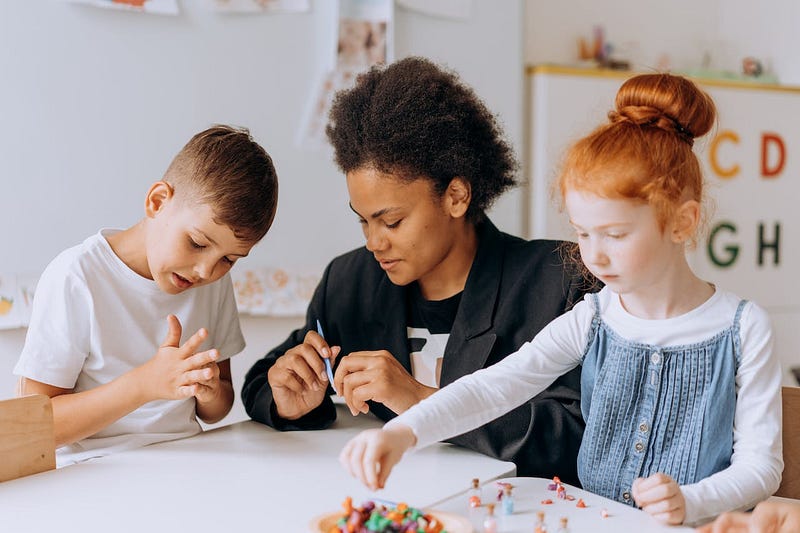
Four Elements for Success in Building the Teacher -Student Relationship
These four important elements are:
- Respect
- Communication
- Intuition
- Attitude
These four elements come in no particular order, but for the sake of this article, we are keeping in mind the student-teacher relationship.
I. Respect
The word respect comes with some important weight. Students who are in their early years in school, tend to give this (i.e. respect) out freely to teachers and students alike. Yet when they seem to get older — not so much.
But why is this the case?
Students in their early years come from an environment where their parents have more of an influence over their behavior. However, as they spend more time in school, they are more influenced by their peers around them.
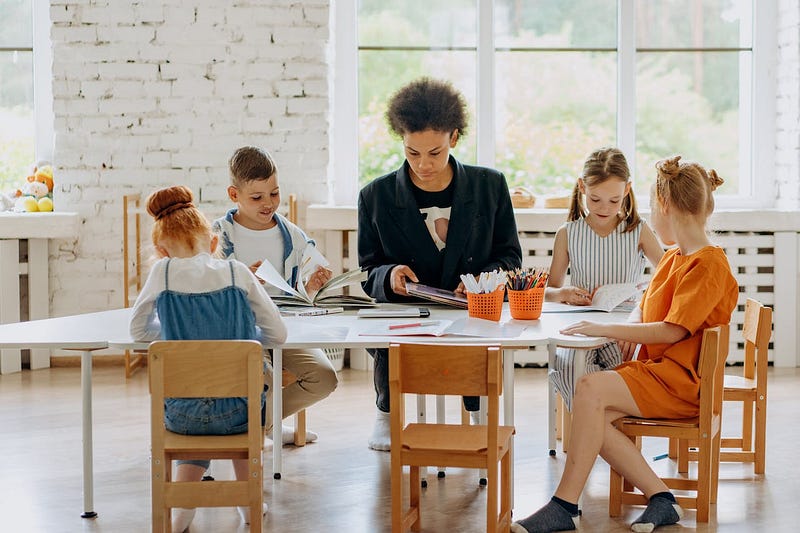
Generally speaking, parents teach their children to respect their elders and those around them. The teacher also continues this expectation and is firm with this when establishing classroom rules and proper behavior.
As students spend more time around their peers, their attention shifts more from earning the respect of their teacher, to earning the respect of their peers.
How then can teachers maintain a good relationship with students as they get older?
By being more transparent with their expectations as they require students to carry more responsibility.
Transparency is Key
Teachers expect students to be transparent in all that they do in the classroom. Teachers should also show transparency to students when asking students to complete tasks or model behavior.
In other words, teachers should do as they say, and be the role model of good behavior they expect from their students.
Teachers who adopt the “do as I say, not as I do” mentality will have students who are disrespectful.
Teachers need to lead by example if they want students to respect them. Those who respect their students show a firmness of character when they expect their students to show them respect.
This helps build kindness that both will seek, and will make communicating with each other all the more easy.
II. Communication
In communicating between one another, teachers and students need to be aware of their intentions for saying what they mean, and the meaning of what they say.
Once again, students take their cues from teachers.
When teachers are open and honest with students in communication, trust is built and students will learn how best to communicate with each other.
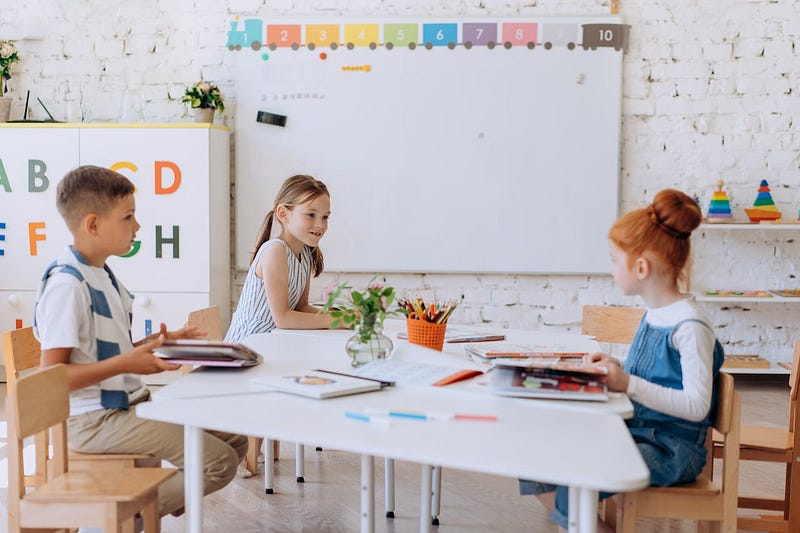
Choosing the correct way to say something to a student, whether it be good or bad, can make a big impact on a student’s mental health.
Oftentimes, if the intention is not clear, misunderstandings can cause problems for both teachers and students.
That is why when communicating, it is best to know when to listen, and when to speak.
Timing is Everything
Choosing the right time to say something can be tricky for both students and teachers, especially if problems with discipline or classroom management begin to show.
Students who are causing disruptions in class, shouldn’t be dismissed as troublemakers and sent packing to the office. Instead, they should be heard and learn that if they want to be heard, that they also need to listen to others.
Taking a calm and rational approach to communicating means teachers can use their intuition to see when best to ask the right kinds of questions.
The right kinds of questions being those that allow students to trust that what they say will be heard and understood by their teachers.
Teachers who are open to learning from their students make for more caring and compassionate teachers.
By openly acknowledging to their students that the teachers are willing to learn from their students, they begin to showcase one important skill — that of intuition.
III. Intuition
A teacher’s best skill is intuition. Why, you may ask?
In a classroom full of students not every child is the same. Not every child will tell you what they think.
Those students who have a hard time sharing their thoughts or ideas need different approaches or timing to allow them to shine through.
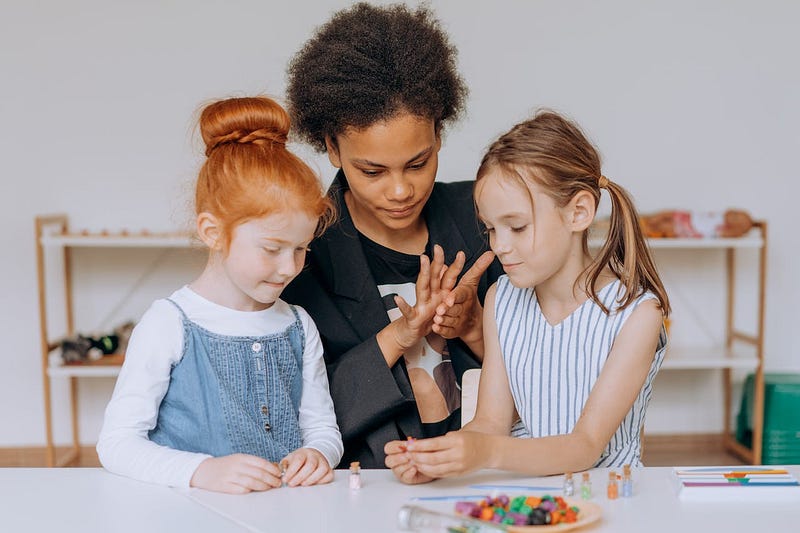
On the other hand, students who find it easy to share what they think may give an insight to the teacher when it is best to either call on these students or avoid calling on these students during teacher evaluations!
Therefore it is better for teachers to use their intuition to either solve problems or avoid ones from starting!
Emotions & Intuition in Relationships
As you have just read, intuition is not an easy skill to master since it requires the teacher to actually care about the students in the classroom enough to make such distinctions between students.
Teachers, just like comedians, use their intuition for perfectly timed jokes that make everyone laugh and relaxed enough to take in what is being said so learning can take place.
Allowing for emotions to help with learning can work to strengthen the relationship students and teachers form for most of the school year and perhaps for the rest of their lives.
Dealing with emotions from students may be challenging, especially when the words they have chosen to share may be hurtful to the teacher or to others.
And so responding to challenging words requires intelligence in the choice of words and the right kind of attitude, which, let’s face it, like a good pair of shoes, is not always easy to find.
IV. Attitude
As part of the teaching field, knowing how to calm a situation involving students or parents when school policy is not part of the equation, all comes down to attitude.
Teachers and their attitudes towards students (and parents) mean that teachers of recent generations are walking a tight rope. Even with the best intentions, the wrong word can cause problems that no one could have foreseen.
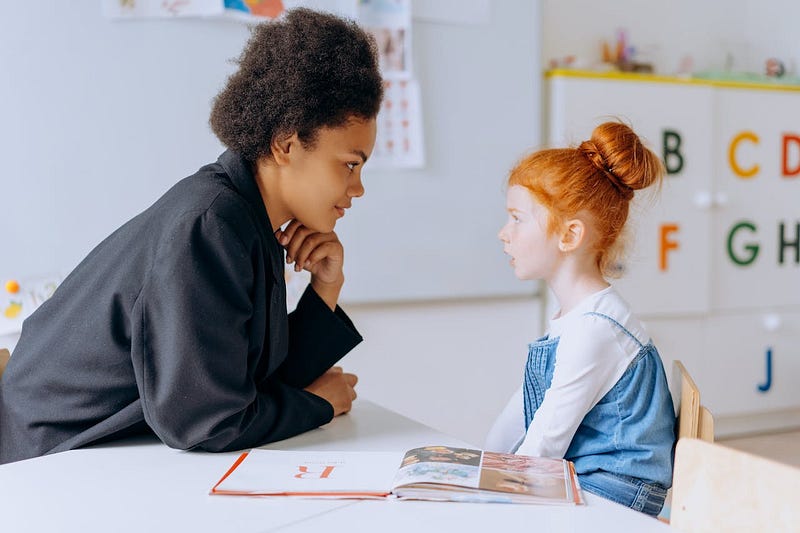
What best helps teachers with maintaining a good attitude at all times?
A good pair of shoes!
A good pair of shoes is essential for teachers, even more so than coffee, because a good pair of shoes can keep you as a teacher comfortable enough to face whatever comes your way!
Therefore, as with most aspects to teaching, finding the right words to say is as challenging as finding the right pair of shoes that will keep you feeling comfortable all day long.
The Right Pair of Shoes
If you think about it, our feet are our first line of defense when it comes to feeling comfortable. If we are not comfortable we may not be the best company to be around.
Teachers who have been in the field for many years will agree that in taking care of your feet, you can find the energy needed to take care of those students who need more attention than most.
Even with bad weather, teachers know that with a good pair of shoes, pretending to enjoy, what you deem as bad weather may just get a little easier with time.
Note for the experienced teacher; you will know which words need to be replaced and with what words to replace them with in the previous statement.
The Teacher — Student Relationship Video
Click to watch the video below to learn more about building good relationships between teachers and students.
Final Thoughts…
Relationships are one thing humans need to help make the ups and downs of life more bearable.
I hope you enjoyed reading this article and found it useful for establishing good relationships between students and teachers.
Please consider reading my other articles that focus on teacher and student relationships in the classroom.


