Why Physical Education Classes in Schools Need More Respect
Why is this the class that always separates students?
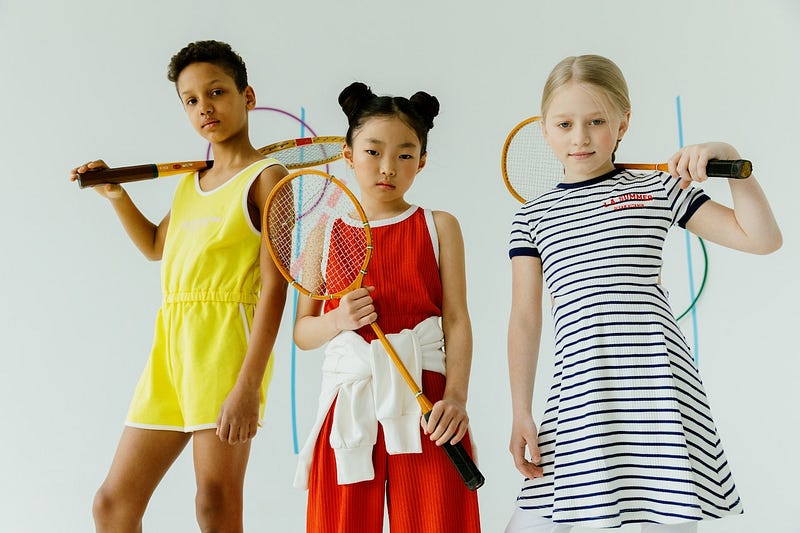
In my school days, physical education (PE) class was the premium class.
If you made it to this class — you were treated as a king or queen heading to your court.
You could participate in games that made you move, laugh, and be as silly as you wanted to be without getting into trouble.
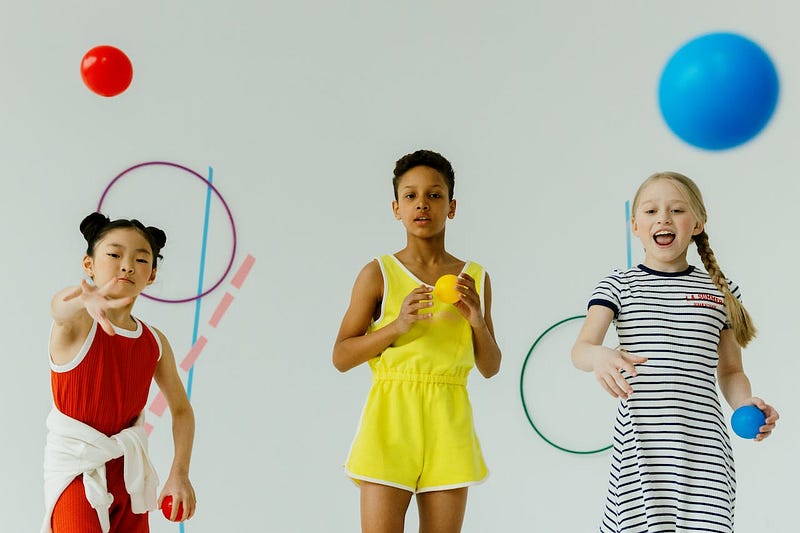
You were allowed to throw balls at other people for goodness sake!
However, if you were a poor soul who decided to make an error in behavioral judgement prior to this class, your PE class privileges were immediately taken away.
And it was like you were demoted to a peasant regulated to watching the kings and queens leave the classroom.
A PE class was weaponized like you wouldn’t believe by our teachers in the 1980s.
If you misbehaved, your name was written on the chalkboard as punishment for all to see, demoted from king or queen to peasant, and for missing the class of all classes.
Oh, and if more than one student misbehaved — forget it, the whole class became peasants relegated to doing more boring and tedious worksheets — math worksheets, to be exact.
They always poured salt on our wounded desire to do physical activities with math, as if it was an even a greater punishment on us poor souls —to give us more of what we ‘hated’.
That was the 80s, but have times changed?
Advocating for the Equality of Physical Health Class
Physical health in education can be one of many motivating factors when it comes to learning.
We can’t use this class to separate students. It must be one that unifies the students in the classroom.
It must be treated with the utmost respect as it can bring forward a treasure of benefits to students’ minds and bodies.
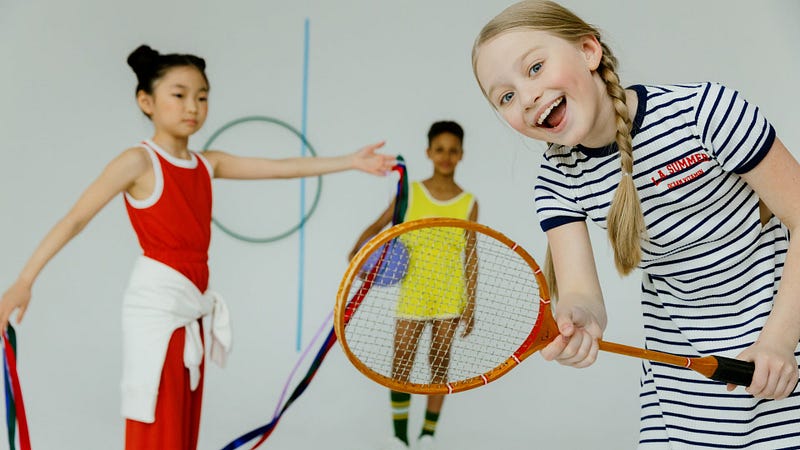
This class must never be used to separate students as a way of disciplining them to act better.
This class is not just meant to be the class where students have fun but one that allows them to see and feel the benefits of proper physical health and how it benefits students' mental health when it comes to learning in any other classroom.
Let’s now dive deeper into the five important benefits physical education brings to students.
#1 — Healthy Bodies Make for Healthier Minds
In order to stay physically active, students need to be allowed physical activities during the day.
Of course numerous studies show how physical activity stimulates the body when it comes to blood flow, and how that helps carry essential nutrients throughout the body, and of course — the brain!
In maintaining a body that is physically active, it helps to always encourage students to consider choosing the right foods in keeping their minds healthy as well.
Foods that keep one feeling fuller longer help give our minds the energy they need to stay focused on learning goals.
These foods come from the four main food groups: fruits and vegetables, whole grains, meats and protein, and dairy.
I made meal plan journal to share with students to help keep them motivated to take charge of their food intake.
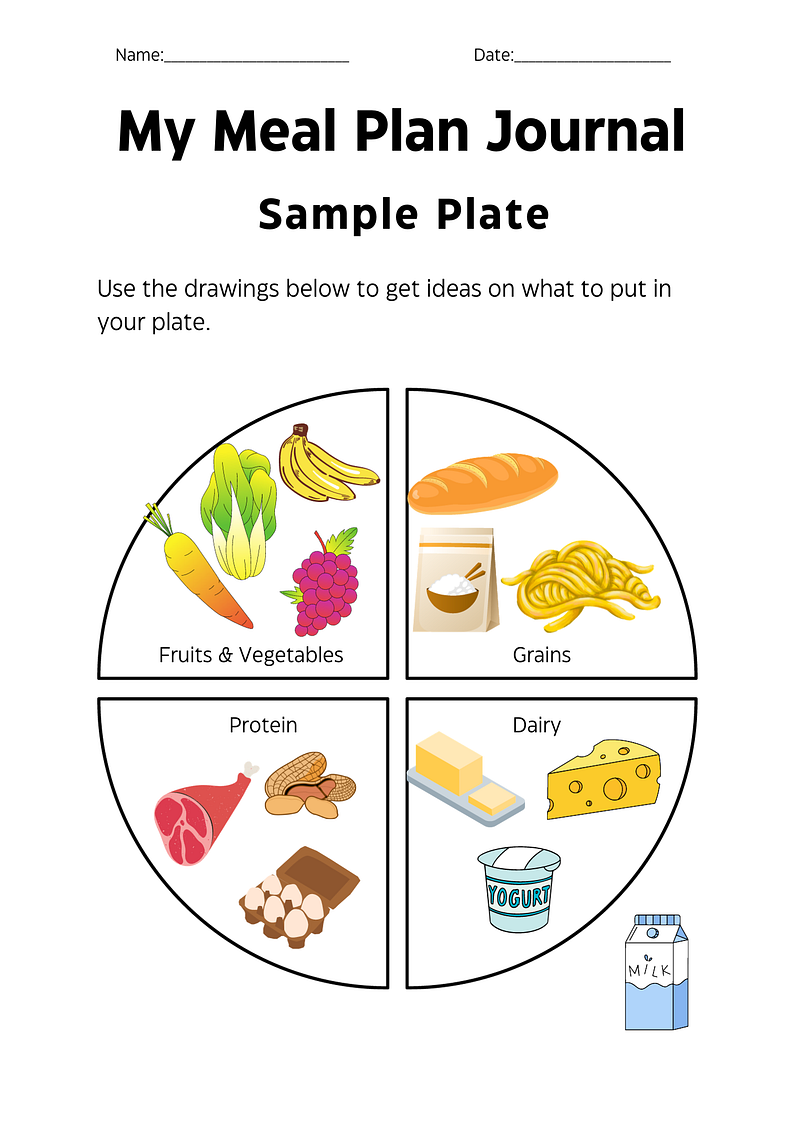
Many health professionals will tell you that food is fuel for the body. It is this fuel that helps keep our bodies healthy and our minds ready to gain knowledge and opportunities in reaching our educational goals.
#2 — Physical Exercise Improves Motivation
There are plenty of scientific articles to prove the point that physical exercise really benefits a person’s motivation as well.
The next time you sense students are feeling overwhelmed with what they need to prepare for, consider having students take a break and do some simple physical activities like throwing and catching a small ball while standing and asking questions among students.
They will find new energy and motivation as signs they are ready to tackle learning once again.
Break times and PE classes are a necessary part of education, and students should never have these taken away in order to make up for work they missed or as punishment for misbehaving in the classroom.
Instead of having students associate physical activity with punishment for losing the chance to participate, consider having eventful reflections and discussions with students about physical health and why good behavior is important to physical health.
Oh, and excessive physical activity as punishment doesn’t work either.
Well, maybe in the military, but not in the classroom.
Just ask King Charles III.
Having students run extra laps or do push-ups or burpees as punishment for misbehavior doesn’t work as intended because the student then focuses only on the idea of physical activity as punishment, and nothing can sink in mentally when it comes to learning.
#3 — Strong Physical Health Helps Us Stay Mind Focused
The focus students need when they are staying physically active is the same focus they need when they are learning.
When students find they have no determination, motivation, or confidence in reaching their educational goals, they understand that they may not be able to focus on reaching those goals.
You, as a teacher of any classroom, should have the flexibility in your lesson plans to get students up and moving if they don’t feel motivated to stay focused on the lesson.
Even if it means a walk around the classroom.
If possible, find the time to go for a walk for some fresh air with your students to help them regain the focus they need to stay motivated.
#4 — Improving Physical Health Leads To Better Problem-Solving Skills
When students are exposed to proper physical exercises to help improve their focus, this can lead to keeping students’ minds focused as well.
Physical activities in the PE class also need to serve a purpose. There have to be objectives that need to be met in this class just as there needs to be objectives met with any other class.
Students need a warm-up and cool-down to the lesson, and the main objective of the activities should benefit students.
The hula hoop is a prime piece of equipment and one that requires sharp problem-solving skills. If you have ever tried using a hula hoop, then you know.
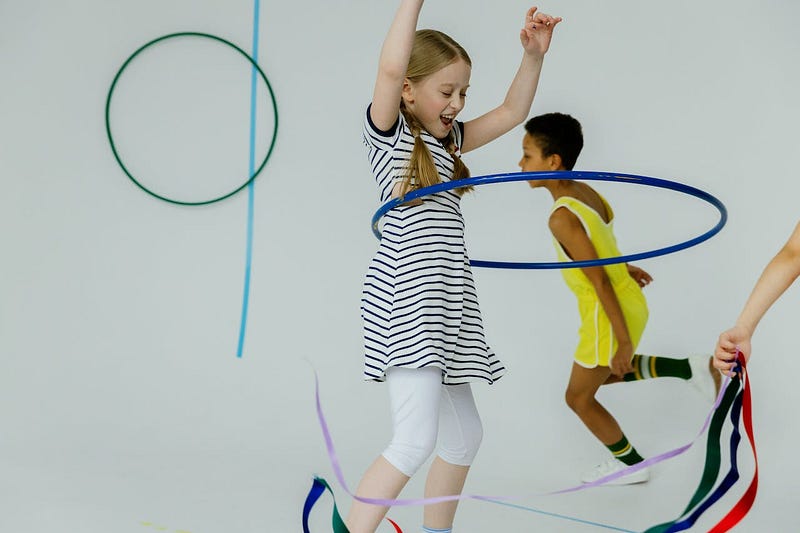
Building problem-solving skills while being active readily builds problem-solving skills, along with confidence and enthusiasm to get things done.
This then should carry on to the academic skills that students use, such as problem-solving in maths, planning, and organizing their English assignments to help make communicating learning goals easier.
#5 Strengthening Physical Health Helps With Communication
We understand that when we play physical sports as teams, we need to have good communication skills to become successful as a team.
This same logic applies to using good communication strategies in the classroom that makes learning a more enjoyable experience for everyone.
One game I enjoyed using in my days teaching PE class was the “pass the hula hoop around” game as a warm-up where students were standing in a circle holding hands as a team and each team had to co-ordinate together how to get the hula hoop from one person to the other without unlocking hands as a race.
Students enjoyed problem-solving how to work out passing the hula hoop and using encouraging words to help support their team members.
Encouraging students to use positive words in the PE class helps foster good mental health towards activities.
PE class is not about strength or who can handle the challenges faster, it should be about fostering a safe classroom environment.
This class has no place for sore losers.
However, students should understand that in life, there is competition and what that it takes hard work, dedication, and a positive mindset to come out on top.
Before creating any competition-style games in any classroom, students should understand that competition should come from intrinsic motivation more so than extrinsic motivation in the classroom.
Physical Activities and Online Education
Unfortunately many students lose their motivation when their chances of physical activity are reduced, particularly in the online classroom.
Teachers can work with students to keep their motivation levels up by pausing during the online class to conduct a stretching break, or if that’s not possible, to break for a fast-paced thinking game that could get them exercising their brains!
Parents looking to balance online learning with offline activities, can also make time for their children to do fun physical activities that are easy to do.
Does cleaning the house count as physical activities?
Physical Education Video
The five benefits to students participating in PE class are highlighted in my video below for you to enjoy.
If you enjoyed this video, please like it, and subscribe to my channel: https://www.youtube.com/@TheETIAcademy
Final Thoughts…
Physical health in education plays a vital role in helping students with their learning. This, in turn, makes it easier for teachers when teaching their lessons. This helps foster connections between students and teachers that will make classroom management easier and foster a sense of a happy classroom community.
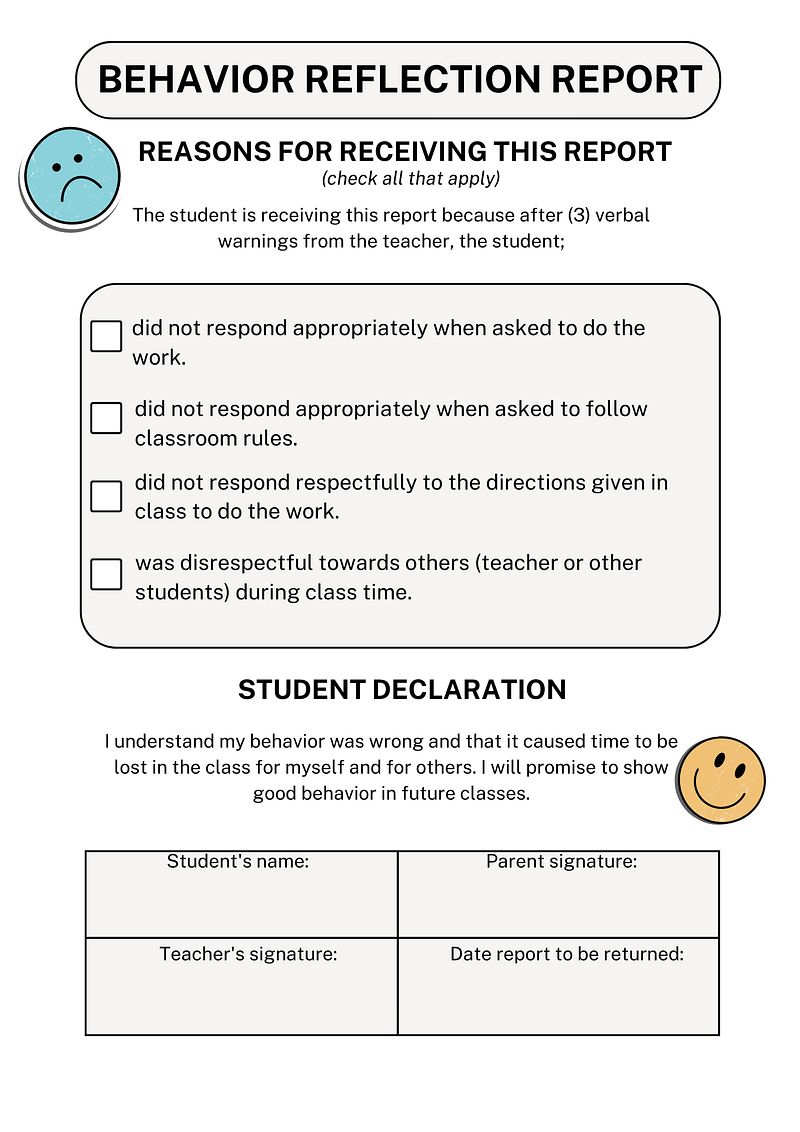
If you are a teacher struggling with classroom management and disciplining your students, you can download this behavior reflection sheet I made using Canva.