
Astraphobic Badonkadonk
The Word Collector — Part 46
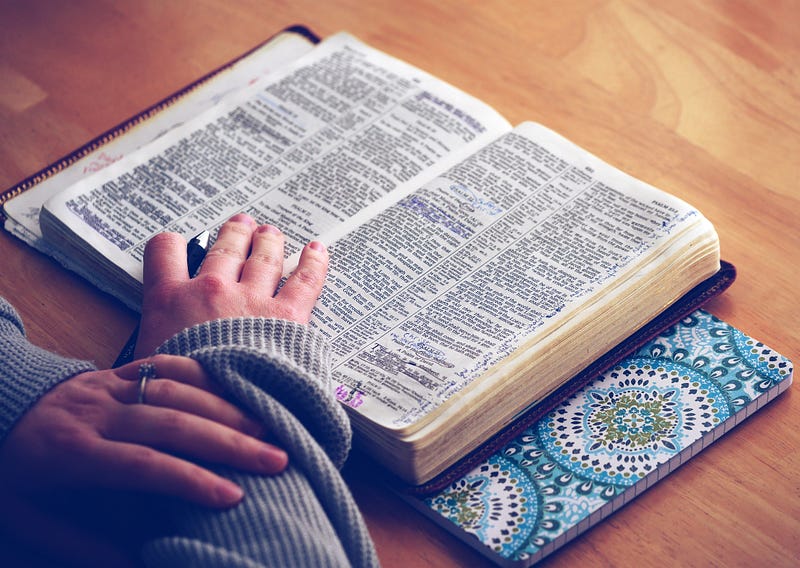
This is the latest in a series about new words and phrases, specimens collected during expeditions into the deepest, darkest literary and media wilderness, and displayed for your entertainment, elucidation, and enlightenment. These are new to me, but of course, you may know some or all of them already, in which case you are welcome to marvel at my ignorance, an inexhaustible seam of material to be mined. As a challenge, see how many you already know!

Astraphobia — from ancient Greek, a fear of lightning or thunderstorms accompanied by lightning, seen in this article by James Bellerjeau:
badonkadonk- this word turned up in an article by Robin Wilding, and in urban slang, it means a large and formidable posterior!
tilde — this word was seen in an article by Matthew Clapham -
A tilde is an accent (~) placed over Spanish n when pronounced ny (as in señor) or Portuguese a or o when nasalized (as in São Paulo), or over a vowel in phonetic transcription, indicating nasalisation; a symbol similar to a tilde used in mathematics and logic to indicate negation, inversion. From the same article –
bodega — a small owner-operated convenience store serving hot and prepared food, often open late hours. As an example, the New York City Department of Health defines a bodega as any store of sufficient size “that sells milk, meat or eggs but is not a speciality store (bakery, butcher, chocolate shop, etc) and doesn’t have more than two cash registers”.
orthographic — an adjective that means connected with the accepted way of spelling and writing words.
dilettante — as heard in the film “Oppenheimer”, a dilettante is a person who cultivates an area of interest, such as the arts, without real commitment or knowledge.
deprecated — seen on the Medium site to describe what has happened to the referred membership scheme. In this context, it means something that has become obsolete or superseded.
conniption — this is an informal noun meaning a fit of rage or hysterics. The word was seen in an article about writer’s block by Ben Ulansey
dysania — an extreme difficulty rising from bed or an inability to leave the bed. It may be a symptom of depression, hypersomnia, or other health conditions. From Susie Dent’s book “Word Perfect”.
ablaut reduplication — this is a strange feature of the English language: that we put vowels in a certain order in near-repeated words, such as ping pong, ding dong, Kitkat and zig-zag, rather than the other way round. The phrase was seen in Susie’s Dent’s boo, and the exact reason they only sound right when the vowel sounds are in this order, is subject to debate among linguists, and an article on the rule is below:
The Gartner Hype Cycle — This is a graphical representation of the lifecycle stages a technology goes through from conception to maturity and widespread adoption. The phrase was seen in a Medium article, and then in the way these things seem to work, I then saw it in several others.
GOTS — an acronym standing for Global Organic Textile Standard (GOTS), which has a clearly defined set of criteria and is transparent. GOTS is the worldwide leading textile processing standard for organic fibres, including ecological and social criteria, backed up by independent certification. The acronym was seen by Mrs. Pearce referring to an item of clothing: she holds a black belt in online shopping.
elegiac — an adjective relating to or characteristic of an elegy; wistfully mournful. The word was seen in the book “London Burning” by Anthony Quinn.
mater dolorosa -from Latin, meaning a sorrowful mother — used especially for depictions of the Virgin Mary grieving over her dead son. The phrase was seen in the book “London Burning” by Anthony Quinn.
“going gangbusters” — This expression was also seen in the book “London Burning” by Anthony Quinn. If something is going gangbusters, it is going strongly and doing very well. If someone comes on like gangbusters, they behave very energetically and sometimes aggressively.
tumbril — from the book “London Burning” by Anthony Quinn, tumbril is an historical noun, meaning an open cart that tilted backwards to empty its load, in particular one used to convey condemned prisoners to the guillotine during the French Revolution. Also means a two-wheeled covered cart which carried tools or ammunition for an army.
noctambulation — a stroll at night, or sleepwalking, which is also known as somnambulism, from the book “London Burning” by Anthony Quinn
enjambement– from the book “London Burning” by Anthony Quinn, it means, in poetry, the running over of a sentence from one verse or couplet into another so that closely related words fall in different lines.
Weimaraner dog– a dog of a thin-coated, typically grey breed of pointer used as a gun dog. The reference to this breed was seen in the book “London Burning” by Anthony Quinn
epicene– an adjective meaning having characteristics of both sexes or no characteristics of either sex; of indeterminate sex; effeminate; effete. From the book “London Burning” by Anthony Quinn.
faut de mieux– from French, translating as a lack of something better or more desirable. From the book “London Burning” by Anthony Quinn
I hope you enjoyed this collection, and do share any favourites of your own in the comments.
As always, thank you for reading.
To join a new Facebook group “Medium Matters” where writers can support each other and share articles.
Mastodon- you can find me here
Previous articles from The Word Collector:
Part 45: Ergophobic Humdudgeon
Part 44 — Hippopotomonstrosesquippedaliophobic Longiloquence
Part 43 — Stravaiging Shiznit
Part 42 — Model Collapse And Dezinformatsiya
Part 41 — A Flapdoodle of rapid unscheduled disassembly
Part 40 — Mulesing, Merkins, Quislings, Tallywags And Refoulment
Part 39 — Blowing off the hinky cobwebs
Part 38 — A Dreich Case Of Psychoterratic Solastalgia
Part 37 — A Cockamamie Collection Of Highkey Zhuzh
Part 36 — Keggers, Kerning, Çay and Crickets
Part 35 — Murmuring judges and anhedonia
Part 34 — A-quomodocunquizing-borborygmus
Part 33 — Going Monk Mode In Taumatawhakatangihangakoauauotamateaturipukakapikimaungahoronukupokaiwhenuakitanatahu
Part 32 — Turpitudinous Tourons
Part 31 — Hurkle durkle, medicanes and misophonia
Part 30 — Immortal earworms
Part 29 — Government on the RAAC
Part 28 –Saved by a deus ex machina
Part 27 — Pre-Lapsarian Yakers
Part 26 — Fegans, Jorts, Rababs And Scotch Bonnets
Part 25 — Fissiparous Hegemony
Part 24 — Lollygag And Booktok
Part 23 — Patronymics And Samovars
Part 22 — Medium Is No Chronofage If YRMIRY
Part 21 — Everything Is Eellogofusciouhipoppokunurious
Part 20 — Hexakosioihexekontahexaphobia And The Matthew Effect
Part 19 — A Nappuccino And Some Typo-Squatting
Part 18 — Yeeting Detritovres
Part 17 — An Inverted Pyramid Of Piffle On The Bed Of Procrustes
Part 16 — Having The Jones And Partisan Acrimony
Part 15 — Spycops In The Boondocks
Part 14 — Harlots, Stochastic Parrots, And The Devil’s Cufflinks
Part 13 — The Things We Make Exceptional
Part 12 — “Semper Fidelis” And Semantic Symbiosis
Part 11 — Heliophobic Hikikomori
Part 10 — Lenticular Clouds And Peque Peques
Part 9 — Big Red Boots And Nepo Babies
Part 8 — A Patina Of Smilies
Part 7 — Atavistic frou frou
Part 6-Mouth Breathers And Pearl Clutchers
Part 5 — The Lexophile’s Latest List
Part 4 — Revenge of the word collector
Part 3- An Etymological Extravaganza
Part 2- Return Of The Word Collector
Part 1 — A Moment In The Sun