

Asking Questions — Sometimes Getting Answers
Our dialysis story — chapter 15
I’m a why person. I have questions. I want answers. Unfortunately, I get very few answers to my medical questions. But last week, G at the nephrology office answered this question:
You and Dr. E repeatedly mention a dialysis team that would meet with us to explain dialysis, give advice on a renal diet, and answer our questions. Where is that team? Cause we sure haven’t seen them.
G replied:
When Dr. E first told Ben he’d have to start dialysis, our practice managed the dialysis center. Now, it’s managed by DaVita Healthcare. Dr. E goes there regularly to monitor his patients and has control over Ben’s treatments, but he has no control over how they manage the center. I’m surprised they haven’t communicated better with you.
I’m not. It’s a healthcare company on the stock market. Answerable to stockholders, not patients, not us.
Maybe Dr. E said something to the center about my dissatisfaction because a dietician showed up Monday to speak to Ben about his diet.
Speaking to Ben about his diet is a waste of time.
Although he used to be in charge of the food in our house, I’m the cook now. Ben eats what I prepare — usually, and I do my best to maintain a diabetic renal diet for him. It isn’t easy.
For nearly all of our 19 years together, I rarely cooked, other than culinary adventures with our grandchildren. It wasn’t until a couple of years ago that I started baking. Now, I’m the chef — well, chef is a very generous term. I’m the cook. I’m also a vegetarian and he’s not.
I’m not proficient at preparing flesh as food.

The dietician gave Ben a Nutrition and Blood Test Results Report.
His calcium and potassium were good. His albumin was just a little low. But his phosphorus was 8.2 when it should be between 3.0 and 5.5. She also gave him an educational sheet about phosphorus.
Ben told the dietician that he didn’t understand all that information. He asked her to call me. She said she would. That was Monday, and it’s now Thursday — she hasn’t called.
I read labels diligently. Many of the foods on the sheet do not have phosphorus listed on their labels — nor any of the sneaky additives that contain phosphorus but have deceptive names like tricalcium phosphate and phosphoric acid.
Those foods contain phosphorus naturally, so they don’t have to list it as an ingredient. Why?
Foods like: all beans, including black beans, which we eat occasionally; cheese and yogurt, which Ben eats a few times a week; and almost all nuts, which I sometimes use in baking.
(I don’t understand why yogurt doesn’t list phosphorus. Yogurt is not a natural food; it’s a manmade concoction. Why isn’t phosphorus listed on yogurt containers?)
Ben’s diet is already very restrictive due to foods he likes that are not allowed on a renal diet because they’re high in potassium — potatoes, bananas, watermelon, spinach, dried fruits, and tomatoes — and foods that are severely limited because he’s diabetic. Also, he’s a picky eater. The only vegetables he likes are lettuce, radishes (too high in potassium), tomatoes (too high in potassium), spinach (too high in potassium), potatoes (too high in potassium), and artichokes (too high in potassium).
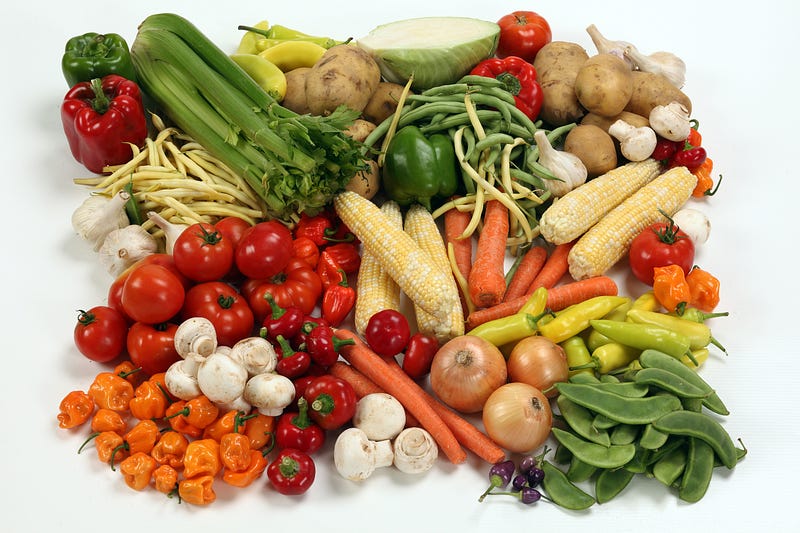
What is it with vegetables and potassium????
Then there’s the whole issue of salt. He’s not supposed to have salt. He won’t eat meat or eggs or rice without salt. Yes, I’ve tried salt substitutes. They suck. Even to me, they suck, and I don't much care for salt. He doesn’t want sucky substitutes. He wants salt. I compromise with a “salt” that has 50% less sodium. He doesn’t like it.

If I remove the high-in-phosphorus foods, his diet will consist of eggs, meat, lettuce, rice that he’s not too fond of, a bit of bread, apples, peaches, and Glucerna, which is a little high in potassium, but he needs it to help regulate his blood sugar. Also, some of my baked goods, which may or may not be a little high in phosphorus and potassium.
To add to my frustration, I’ve found sites that say grapes are high in potassium and others that say they’re low in potassium! Which is correct?? He loves grapes. Chilled grapes are his after-dialysis treat. I don’t want to take them away from him.

To complicate matters further, I have diet restrictions — I’m a vegetarian and have food allergies, colitis, and IBS. The list of foods I can’t eat or can’t eat often is very long.
Ben and I NEVER eat the same meal. Other than breakfast, which is typically something I’ve baked, I have to make two meals for lunch and dinner.
It’s all so confusing, frustrating, and stressful.
Preparing food and eating should be enjoyable. Now it’s a time-sucking, mind-boggling chore.
Speaking of stress, my search for an in-person caregiver support group revealed only one in our city. It’s ten miles from us and meets on one of the two weekday afternoons when Ben doesn’t have dialysis and when I have a client. I thought about seeing if I could move my client to a different day but decided that driving an additional 20 miles a week, on top of the 72 miles a week I drive for Ben’s dialysis and my driving to various client offices, would only create more stress. Not to mention the meeting is two hours long. Add that to almost 40 minutes of driving, and I’d be gone for nearly three hours. Nope. Won’t work for me. I’ll drink a glass of wine instead.
So, I soldier on, grateful that dialysis gives us more time to be together, despite the confusion and frustration.
© Dennett 2023
Our Dialysis Story:


