
Order Out of Chaos? Maybe.
Our dialysis story — chapter 9

Ben is home.
The plumbers are done.
The Plumbing Prince and his Posse, who were supposed to arrive at 8 am and be done in two hours, arrived at 9:15 and finished at 2:30. We have water — and holes in our walls and a partially destroyed bathroom floor.
I arrived at the hospital a little before 4 pm. Ben returned to his room from dialysis at 4:45. He looked terrible. His skin color was yellowish-gray, black circles were under his eyes, he had a vacant stare, his voice was raspy, and he was very weak. He also complained that he couldn’t see to the right.
Ben had a mini-stroke in 2019. The only lingering effect was reduced sight in his right eye caused by a blood clot so near his optic nerve that surgery wasn’t an option. The severity of that sight reduction varied from day to day or week to week. Recently, it was better than usual. This evening, it was much worse.
His nurse feared he’d had a stroke. She went through all the stroke protocol exercises. Nothing. No other symptoms than his sight.
All his vitals were good — except his blood pressure was low — low for him. His BP runs high, even with the medications he takes. He’s so accustomed to a higher BP, he feels bad if it goes below 130/70. His norm is 145 to 160. After dialysis, his BP was 103/58. Really low for him.
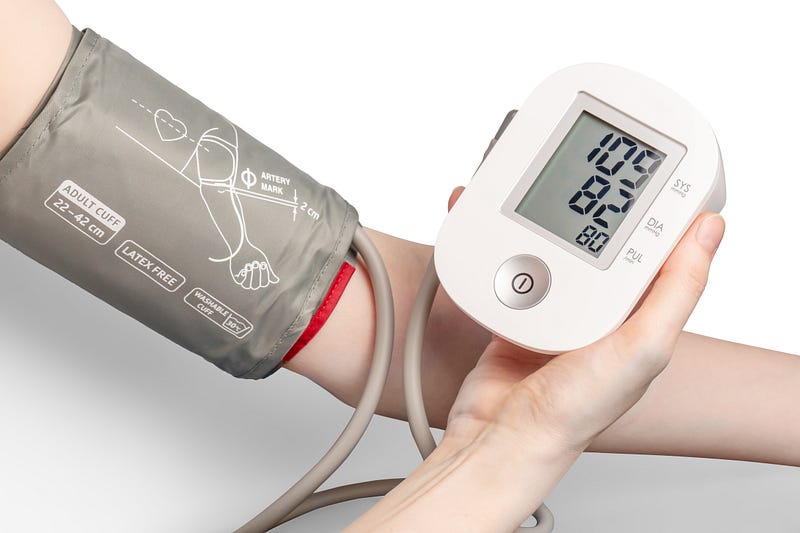
The hospital doctor believes Ben’s higher-than-average blood pressure positively affects that blood clot. Once I thought about it, I realized that his eyesight is indeed better when his BP is higher.
Low blood pressure can also be an effect of dialysis. To raise his BP, the nurse gave him IV fluids. As the liquid dripped into Ben’s vein, he slowly improved. The last symptom to get better was his sight — not back to what it was this morning but good enough that the doctor was confident Ben didn’t have a stroke and released him to come home. We were instructed that he shouldn’t take any blood pressure medications before future dialysis sessions.
Dialysis can be hard on the body resulting in low or high blood pressure, itching, muscle cramps, insomnia, fluid retention, fatigue, muscle cramps, anemia, confusion, brain edema, and other issues. Most or all of these symptoms may decrease or disappear over time as the body adjusts to dialysis and clean blood.
Hopefully, Ben will be stronger tomorrow.
We got home at 7:45. I didn’t go to work as planned. Ben’s condition was too fragile. I couldn’t possibly leave him. Work and bills pile up. But my love is home, our pets are happy, and we have water.
A little order out of chaos.
Ben is asleep beside me. I’m less alone than I was.
I don’t have peace but I have a sense of stillness.
© Dennett 2023
Our Dialysis Story:


