
Considering Death
Our dialysis story — chapter three

We think more and more about dying as we age. That’s normal and probably wise if we want to make our passing easier for those left behind. In my case, I’m sure Ben’s decreasing kidney function is why my mind travels to dark places more often, but honestly, death has always been part of my life, always in my thoughts.
Even as a very young child, I don’t recall a time when death seemed foreign, strange, or scary to me.
I was the fourth of four children. I had two healthy older sisters and an older brother who lived only eight months. He was born with a defective heart. Had he lived, I would not be here. I was the replacement baby that our family doctor recommended.
When consulted about my mother’s post-partum depression, the doctor told my father that the only way for a woman to recover from losing one child is to give birth to another. Get her pregnant as soon as possible and her depression will disappear.
He was wrong — dead wrong.
My mother didn’t want me. She wanted my brother. She bore me because of horrendous medical advice.
My mother died before I was three months old. She was thirty-nine. The official cause of her passing was a heart attack, but my sisters and I always knew our mother died of a broken heart, not a faulty one.
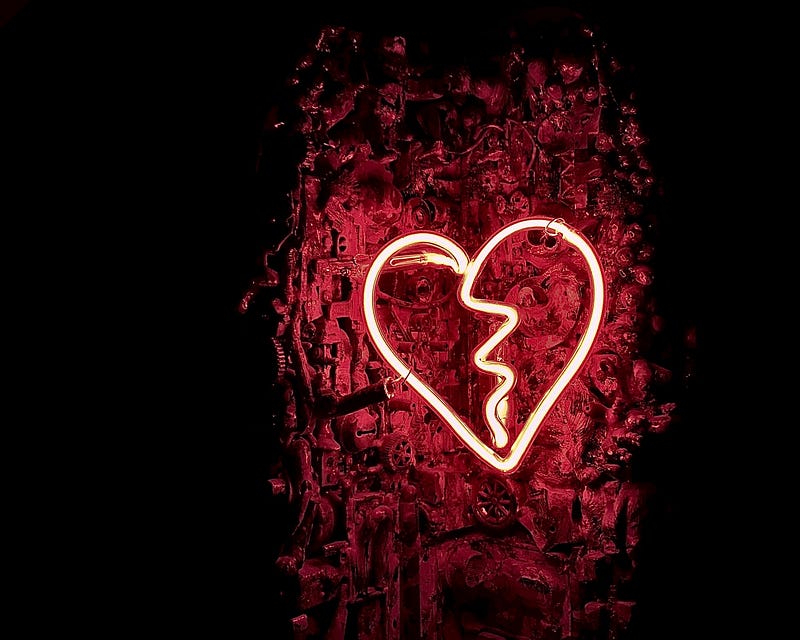
From my earliest memories, I knew my brother’s death was why I was living and why my mother wasn’t.
Death was why I existed.
I remember working with a woman who hadn’t experienced a single death until she was 39 years old when her father-in-law passed. She’d never attended a funeral, a viewing, or a wake. That amazed me.
By the time I was 39, I’d experienced more deaths than I could count. In one year, I attended five funerals. In my then-husband’s family, funerals were annual or bi-annual family reunions.
My sister’s mother-in-law and my mother-in-law passed on the same day in 1976. Neither death was expected. My sister had been married for over ten years, but my wedding was less than four months before my mother-in-law was murdered.
I’ve been shocked by unexpected passings and spent days at a loved one’s side, watching death take control, hour by hour, cell by cell.
I’ve sat by the phone, waiting for the call. I’ve also answered the phone, unaware of the sad news being delivered. And I’ve been the caller.
I’ve seen body bags and crime scene tape and watched a nurse gently close lifeless eyelids. I’ve shopped for coffins, shipped ashes, and read Last Wills and Testaments. I’ve welcomed mourners and been welcomed as a mourner. I’ve cooked, delivered, and eaten casseroles between tears and laughter. I’ve been the last to leave and the one left behind when everyone else went home.
I know death all too well.
Although Ben has a slew of health issues, his passing isn’t imminent. Hopefully, kidney dialysis will add years to his life. But he’s 15 years older than me. Chances are he’ll cross over before I do. We talk about that. Those conversations aren’t morbid; they’re realistic and necessary.
I expect we’ll share many more years, especially considering the longevity of his relatives, but I have to think of what I’ll do if he leaves first.
These thoughts are never pleasant or easy, but it’s foolish to pretend death isn’t one day coming for us both — and also for you.
Meanwhile, I’m typing and hoping this cloudy day will deliver much-needed rain. Ben is reading his emails and will soon walk our dog. I need to shower and get ready to go to work this afternoon. We both need to consider lunch.
In other words, it’s another day to be grateful.
© Dennett 2023
Dialysis Stories:
Chapter One:
Chapter Two:


