
A Storyteller’s Guide To Product Photography With Midjourney
Images don’t sell, stories do.
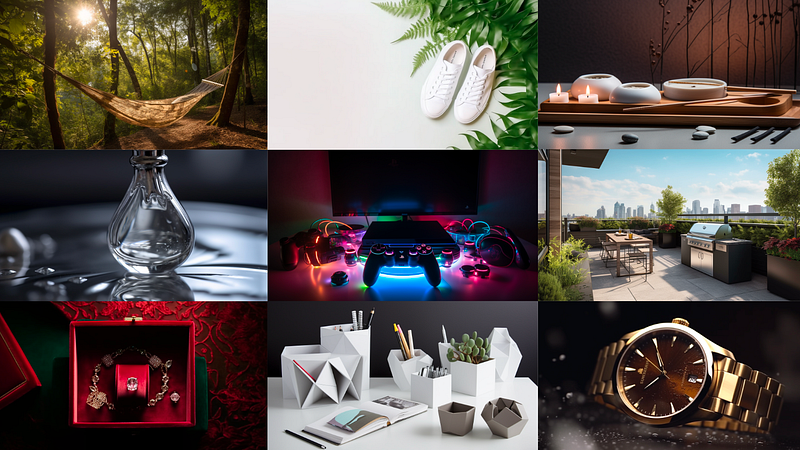
Recently, I left my cinematic prompt home turf to explore Midjourney-powered product/advertising photography. It’s no secret that good-looking images alone are not enough to sell a product. You need to tell its story.
A story with just a single image. Quite a challenge, so I went with it. Here’s my process.
From USP To Story in 3 Steps
Step 1: Understanding the Product’s Unique Selling Point (USP)
When you write a story, you know you’re not going to reach everyone with it. Some people won’t care because it’s just not their thing. And that’s fine.
But in order to reach at least some people, we have to put our story in a context that allows them to figure:
“Wait a second! This could be my thing!”
This is where genre comes into play. When we propose a story, we use genre to underpin the expectations of a particular target audience. To invite people in with the promise: “this is the type of thing that usually resonates with you!”
To do this, we need to know the genre conventions and build our story with them (that does not exclude breaking conventions when it helps the story and gives the genre a fresh angle!)
Similarly, we want to understand the unique selling proposition of a product and its key benefits to know how it is resonating with its target audience.
Step 2: Linking the USP to a Story
So I looked at things lying around next to me and asked myself: What emotions and ideas come to my mind when I am dealing with soap, headphones, perfume, or smartphones?
What is the stuff that would make them interesting in a story?
What ideas are they helping to unfold, and what are they representing?
A piece of soap could signal self-care. Headphones could represent freedom… and so on.
Then I just wrote down some random ideas that I thought might be connected in some way to these objects if they were part of a story. I had no idea what that connection would actually be, I just wrote down the images, feelings and ideas I came across:
For example:
- Soap: Natural ingredients, self-care, and rejuvenation.
- Headphones: Immersive audio experience and freedom from distractions.
- Perfume: Sensuality, personal identity, and mysterious allure.
- Smartphone: Cutting-edge technology, connectivity, and efficiency.
Step 3: Identify Visual Elements
In the next step, I tried to identify visual elements that reflect the ideas that I found would have something to do with the product’s unique benefits (USP) from a story perspective (basically brainstorming medium and technique, colors, shapes, textures, and lighting that would fit).
Here’s an example of what that looked like.
On my list, I had:
- Soap: Natural ingredients, self-care, and rejuvenation.
If I would use that directly in a prompt like
photography of artisanal soap with Natural ingredients, self-care,
rejuvenation --ar 16:9 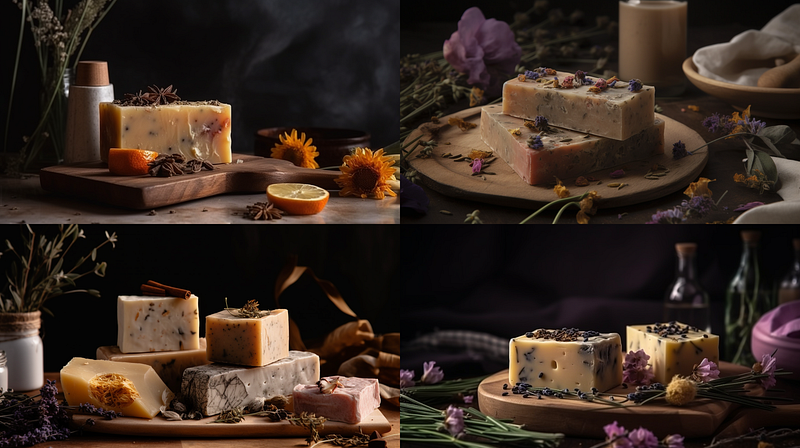
… the result looks more like cheese than soap. 😂 Maybe because of the “natural ingredients” phrase?
Anyway, if I could find visual elements that tell the story of that “naturalistic vibe” and the ideas of “self-care” and “rejuvenation” …
Vintage polaroid, A row of assorted artisanal soaps with fresh herbs and
flowers --ar 16:9 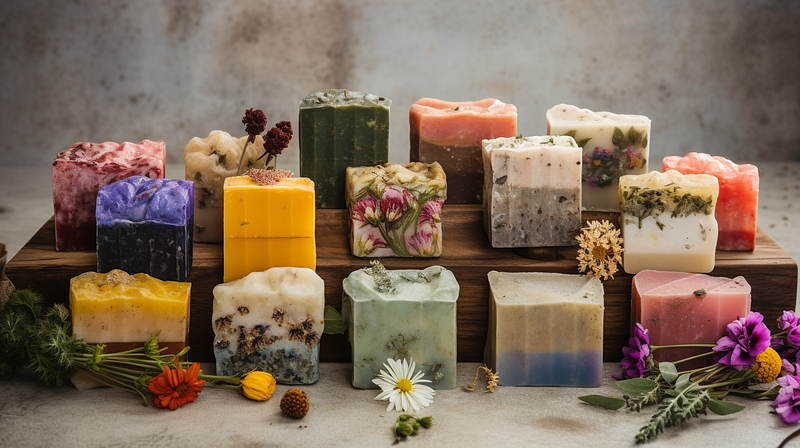
That makes much more sense. It is not perfect yet, but this is something to work with.
Another example. I had:
- Headphones: Immersive audio experience and freedom from distractions.
As a prompt, this is actually giving us some cool images:
photography of Headphones, Immersive audio experience
and freedom from distractions --ar 16:9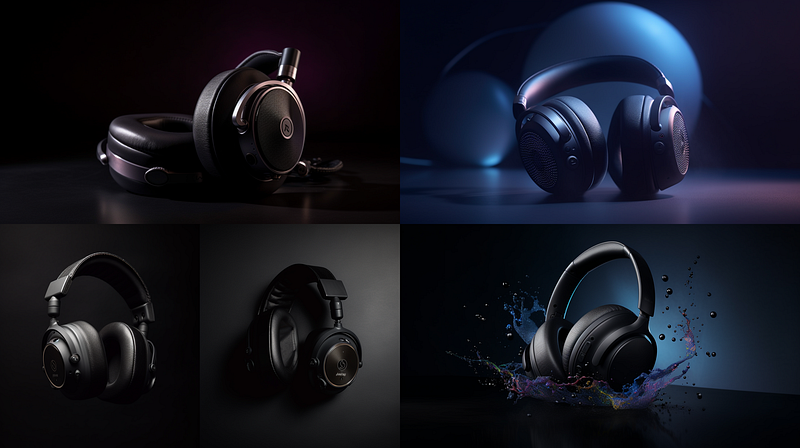
But it’s not telling me the story of “freedom” or “immersive audio experience”, does it?
So instead, I tried to think of visual elements that tell that story!
Surreal collage, high-quality headphones floating among the clouds --ar 16:9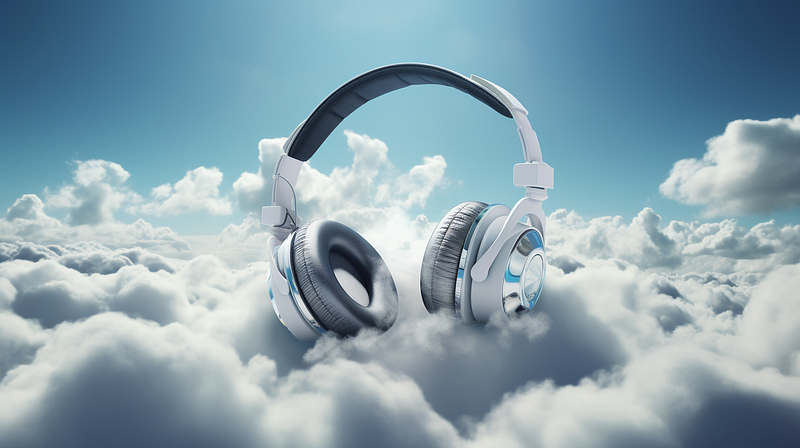
See what I mean? Another one:
- Perfume: personal identity, mysterious allure.
As a prompt, we get:
photography of perfume, personal identity, mysterious allure --ar 16:9 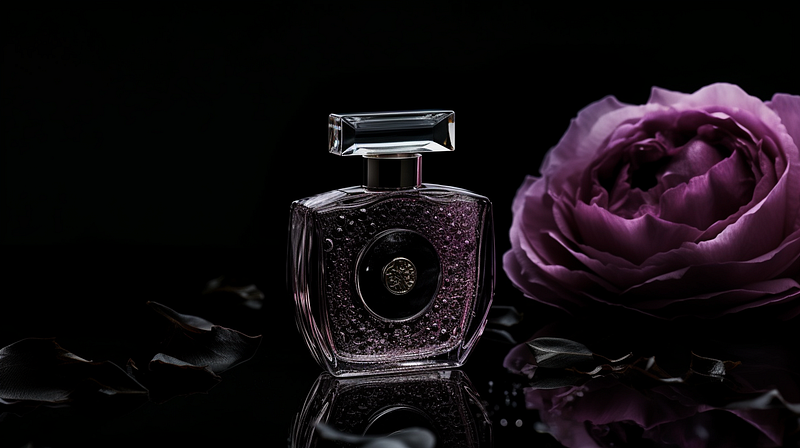
In this case, the initial random ideas get us pretty close to an image that tells a story, right?
Here I only needed to narrow down the vibe of the image into a more “focused” combination of visual elements.
Film noir style, A high-end perfume bottle on a dark,
moody background with a single light source --ar 16:9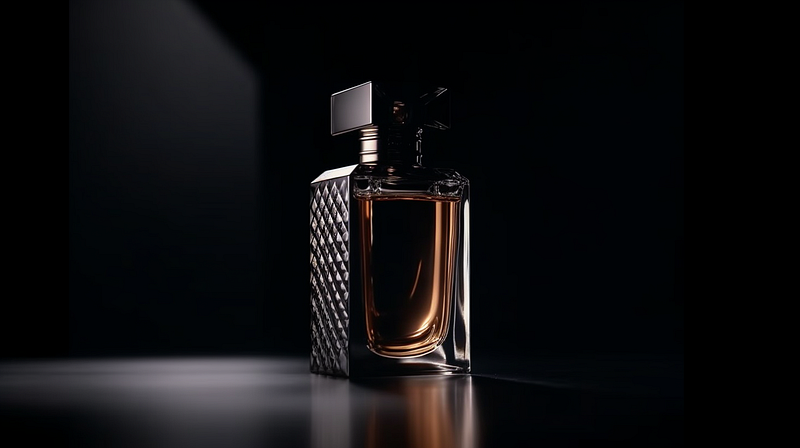
Finally, let’s try:
- Smartphone: Sleek 3D renders, vibrant colors, and futuristic themes.
As a prompt we get:
Sleek 3D render of a smartphone, vibrant colors, and futuristic themes
--ar 16:9 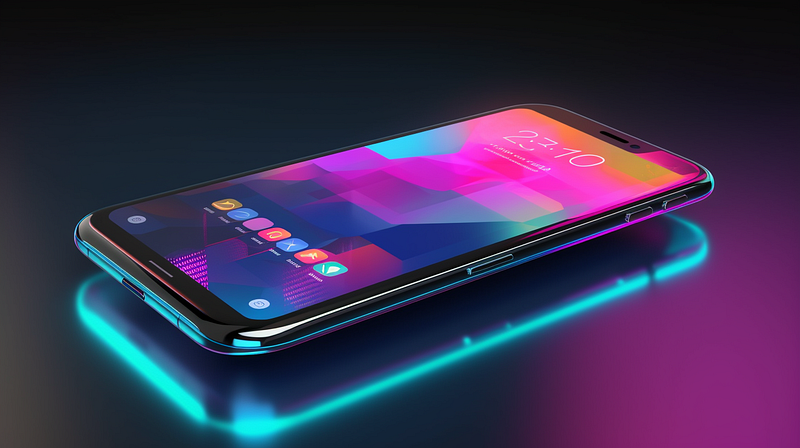
This could be a good image in some situations.
However, I felt the vibrant colors were not the best choice to make this work for me.
So I dropped them and focused on the initial “futuristic themes”.
Sleek 3D render, A futuristic smartphone floating above a reflective surface
with glowing features --ar 16:9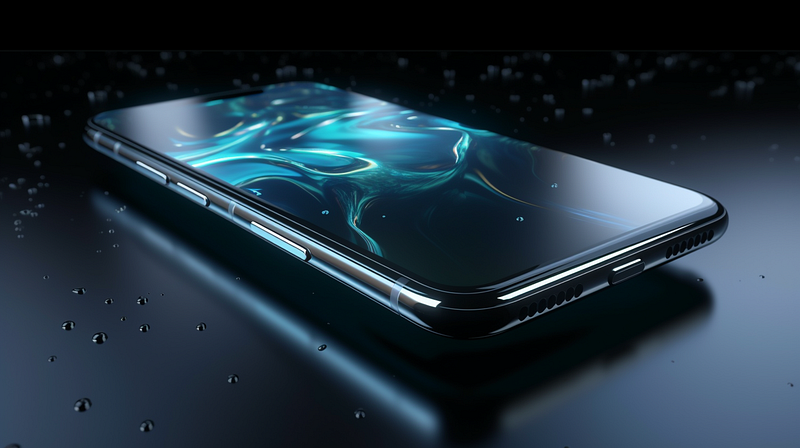
I hope this little tutorial helps you with whatever it is you’re working on. Happy to hear your thoughts and comments!
➡️ For more information about AI & Creativity, follow me on Twitter or Medium (use my referral link to get full access to all my articles and those of thousands of other writers).
➡️ If you like my content, why not leave a “clap” at the end of this article, so more people can see it?


