
A registered nurse unshackles Bruce Lee’s demise
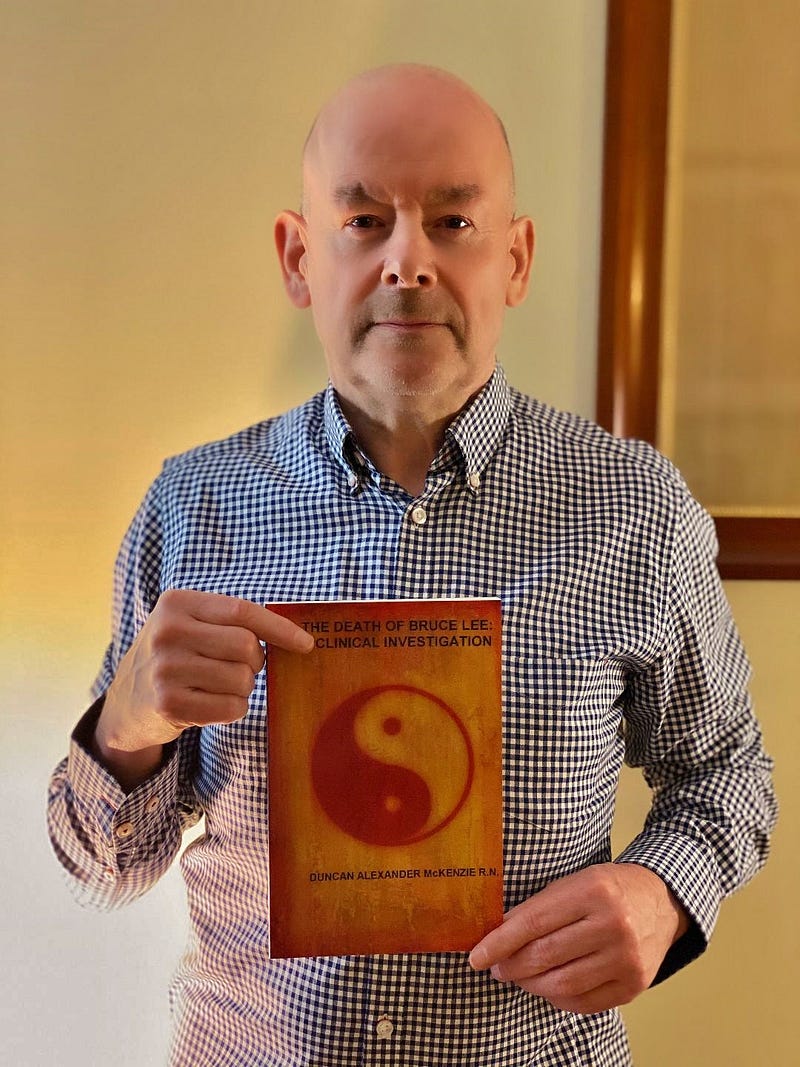
An engaging interview finds “The Death of Bruce Lee: A Clinical Investigation” author Duncan McKenzie convinced that an allergic reaction to aspirin felled the soaring 32-year-old “Enter the Dragon” warrior and not a heatstroke as proposed by “Bruce Lee: A Life” scribe Matthew Polly.
The Duncan McKenzie Interview
Which Bruce Lee movie left an indelible impact upon you?
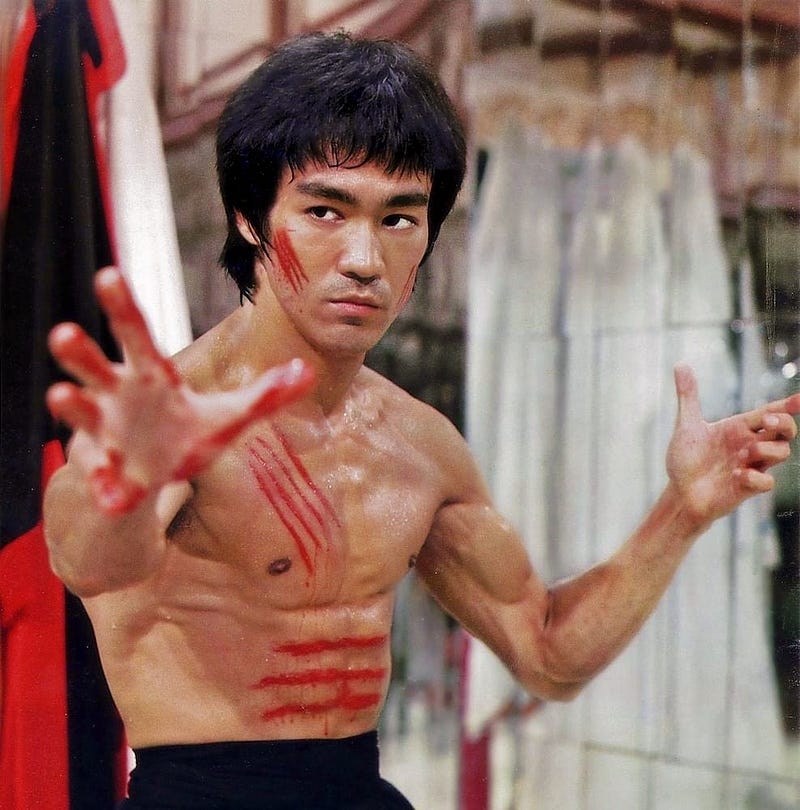
Born in the United Kingdom in 1955, I am one of those old enough to have seen the original movies of Bruce when they first came out. Bruce’s movies swept the country and were smash hits. My favorite film of Bruce’s is Enter the Dragon [1973], and I saw it repeatedly.
There was even a pop music hit called “Kung Fu Fighting” by Carl Douglas. I did take up karate, being inspired by Bruce, however I was totally devoid of the natural talent and reflexes that he had. There is no one that could fail to be impressed by the intensity, dynamism, and charisma of Bruce Lee.
Where were you the day that you learned of Bruce’s passing?
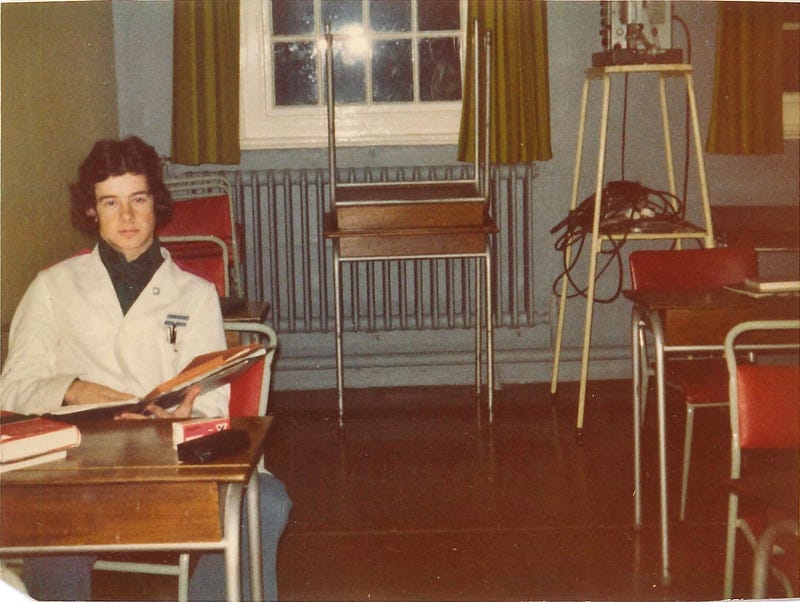
To be honest I cannot recall exactly the moment I heard of Bruce’s death. I wish I could, however human memory is such a malleable phenomenon that I would run the risk of creating a false memory! On July 20, 1973, I was in England, and it was just before I began my registered nursing career. I was 18, the minimum age for starting what was then a hospital-based training program. Everyone was shocked and mystified that he had died at such a young age, but never did I think I would one day investigate his death.
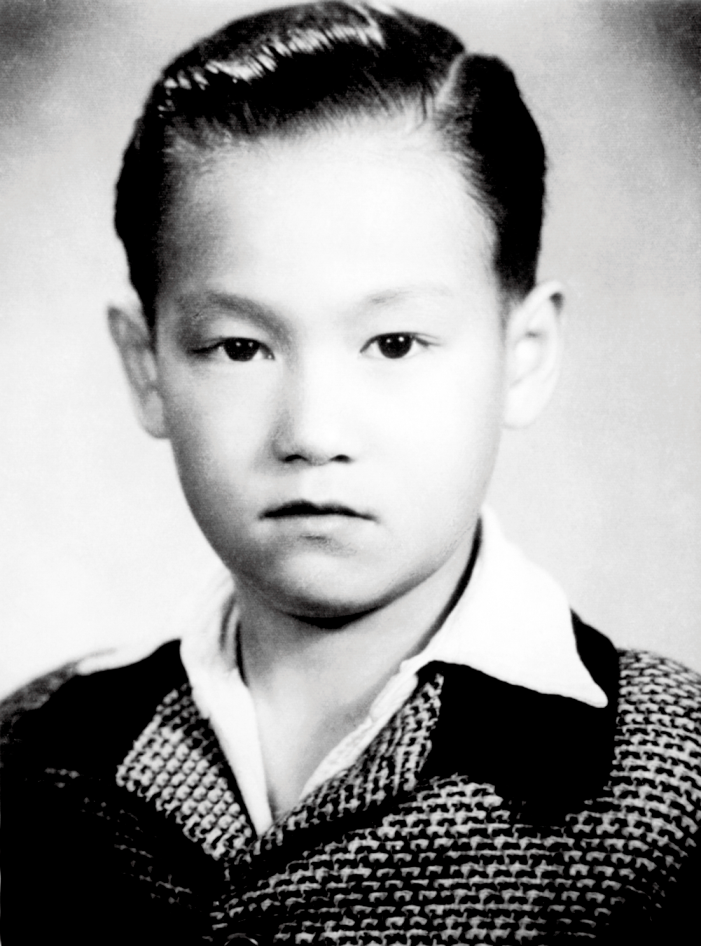
I had read books written about Bruce throughout my life, and it was sometimes difficult to sort out the myth from the truth. It was obviously true that he was a gifted human being and a superb martial artist, however due to his screen presence and the mythical feats of kung fu masters which he portrayed, many initially denied that he was actually dead. But he was all too human and all too mortal.
Where did your medical background take you?
After I completed my training as a registered nurse in England, I moved to Australia in 1978 to continue my nursing career. By 2010 I was working at a major hospital in Melbourne as a mental health clinician. Nevertheless, I maintained a great interest in forensic medical issues.
Later that year I took a sabbatical from my work in Australia and went to the Philippines to take a break and do some clinical research. My partner Roy is from the Philippines. Bruce and his movies are well-known there, and Bruce is an idol of the great Filipino boxer Manny Pacquiao. I love the tropical climate and many aspects of the culture.
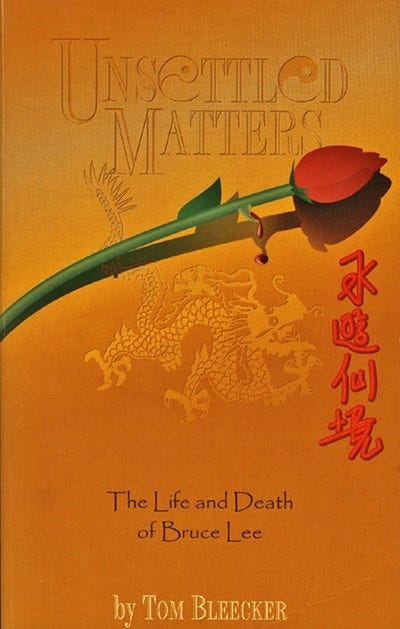
I was actually prompted and motivated to write The Death of Bruce Lee: A Clinical Investigation [2012] after reading Unsettled Matters: The Life & Death of Bruce Lee [1996] by Tom Bleecker on my Kindle. I was blessed to have the time to research Bruce’s death and work intensively on the book during my two-year sojourn in the Philippines.
What bothered you about Bleecker’s Unsettled Matters?
The medical explanation that Tom put forward for Bruce’s death did not make sense. Essentially, Tom felt that Bruce’s demise was the result of him having abused steroids over the years. I felt that there were other possible causes, and as a nurse I should be able to come to a reasonable conclusion as to what actually happened.
Tom had been married to Bruce’s widow Linda Emery [1988–1990] and apparently had access to a lot of medical information on Bruce which he used in his book. It was an attempt to deconstruct the myth of Bruce Lee, as some have elevated him to something approaching a deity, in addition to seeking to explain his death. Many fans felt that Bruce had been denigrated in Unsettled Matters, and I intended to review the record and come to a better explanation.
The other medical issue that required clarification was the back injury that Bruce was alleged to have suffered, which in subsequent years led to the view that he used cannabis as pain relief. Tom was of the view that Bruce never had a serious back injury. I was motivated to find the truth and to honor the memory of Bruce. I reached out immediately to Tom as a matter of courtesy to advise him that I was going to write a book that would be critical of his.
And I then touched base with the Bruce Lee Foundation stating my objectives. Life is full of irony. Despite sending two emails to them I received absolutely no response, and never have, from the foundation or Bruce’s family. I thought they would be interested in supporting someone who was setting out to find out exactly what happened to Bruce. Even in light of my critical stance against Tom’s conclusions, he very kindly responded to my email almost immediately and corresponded with me while I put my book together and answered questions that I had.
In my book I considered all of the possible causes of his death, dismissing the ones that did not have any evidence to support them. There were a lot of things to consider, but in the end I came to the conclusion that Bruce’s collapse while dubbing dialogue for Enter the Dragon in a Hong Kong studio was a classic case of heatstroke, while his death some weeks later was caused by anaphylaxis, secondary to the ingestion of a compound medication called Equagesic [meprobamate and aspirin].
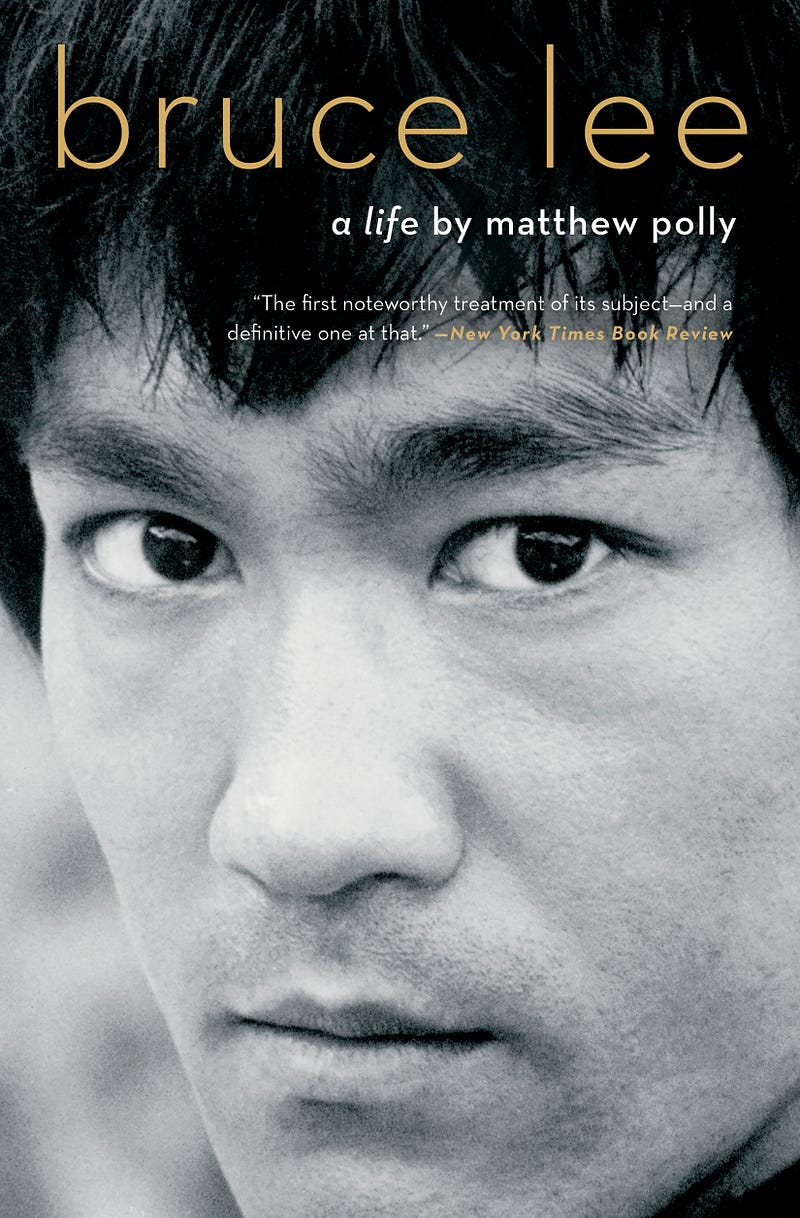
Matthew Polly, having read my book subsequently, reached out to me when he was writing Bruce Lee: A Life [2018]. We corresponded for some time while he completed his amazing biography of Bruce. Matthew is a meticulous researcher. He wanted to know all of the details of my research and conclusions, which I was happy to discuss with him before he came to his own conclusion about Bruce’s untimely and tragic death.
Did Bleecker reconsider his opinion that steroids generated Bruce’s death?
Even though Tom and I corresponded for awhile, he never abandoned the belief that Bruce’s death was related to steroid abuse. As far as I am aware he still holds that view. But at least Tom did communicate with me. Unsettled Matters did include a lot of information about Bruce that was of interest such as his insurance policies and the subsequent legal battles that took place around his estate.
There are some quarters and interests that have promoted Bruce as an infallible deity who was morally perfect and a monk-like philosopher. The truth of his death related to the fact that he was at his mistress Betty Ting Pei’s apartment when he died and that he regularly used cannabis. This is not the sort of fare that those wishing to portray him as an anti-drug, wholesome family man would like. Of course, we should not judge him because of this. He grew up in a culture where having concubines was not unusual and where using opium was common.
Did Bruce abuse steroids?
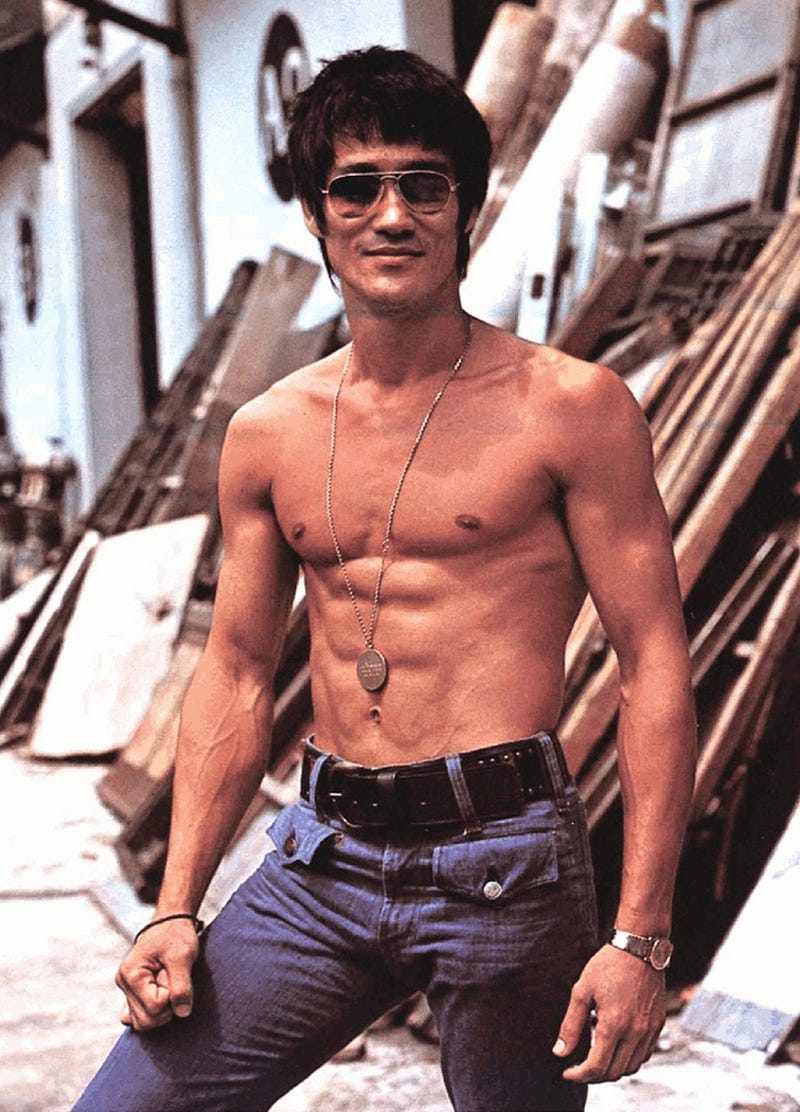
I could find no direct evidence that Bruce abused steroids. The hypothesis that Bruce died due to adrenal insufficiency after suddenly ceasing the use of steroids could not be supported and reportedly at autopsy there were no indications of this.
Tom mentioned in his book that steroids were actually legal at the time when Bruce was around and were used quite commonly in certain circles. Bruce was always seeking ways to improve himself, to become stronger and faster. It is certainly possible he dabbled with steroids, but this hinges on any clear and direct evidence coming forward. It would be a good question to refer to Tom.
Was Bruce’s cannabis intake deadly?
It was in no way related to his demise. Professor Donald Teare, the British forensic pathologist, famously stated at the Hong Kong inquest into Bruce’s death that the significance of Bruce having used cannabis at the time of his death was about as relevant as Bruce “having had a cup of tea.” His use of cannabis is a red herring and detracted from the real cause of Bruce’s death [a medication-induced hypersensitivity reaction].
Was Bruce’s decision to have the sweat glands from his armpits removed a fatal mistake?
Not at all. It’s another red herring. His fans after his death found out that he had had the sweat glands in his armpits [axillae] removed. This led to various assumptions that were promulgated on the fan forums, such as Bruce being unable to sweat, or that he was unable to sweat out the toxins in the bad batch of cannabis he had consumed.
Sweating to assist in thermoregulation would occur in all the other parts of his body just the same, unless this was overwhelmed due to the extreme heat, lack of air flow, and dehydration that led to his episode of heatstroke in the dubbing room on May 10, 1973.
This set of environmental parameters and dehydration that existed in the dubbing room are not likely to have matched the parameters, such as ambient temperature, in Betty’s apartment on the night of his death and would therefore lead me to exclude a second episode of heatstroke.
What were Bruce’s underlying psychological issues, and how did they influence his well-being?
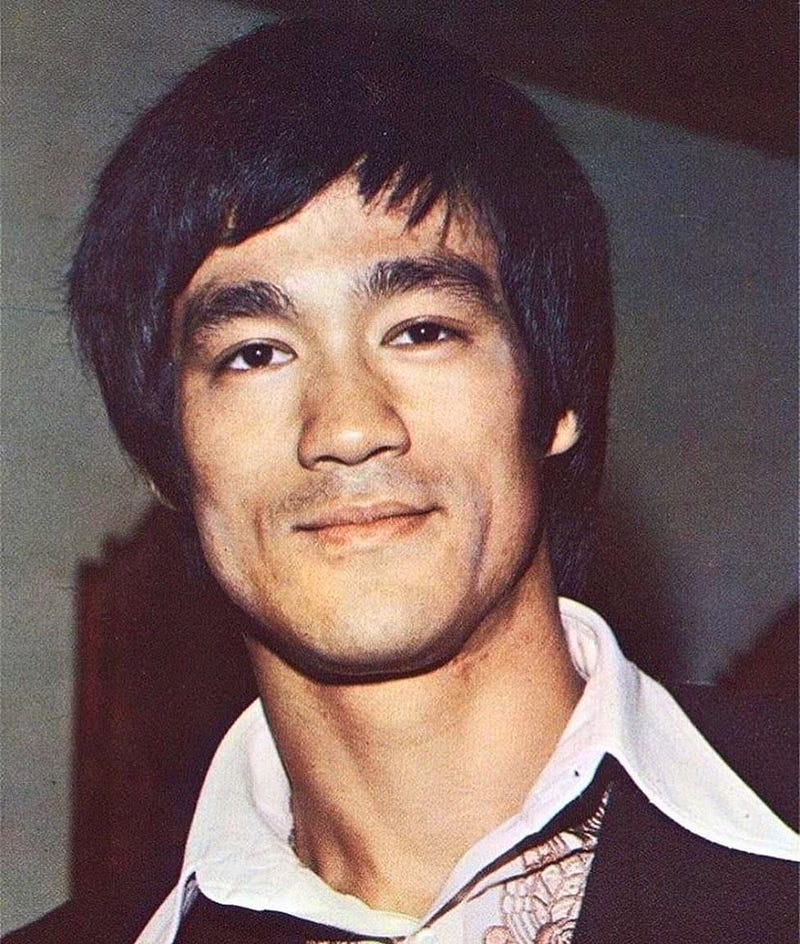
One has to look at Bruce as a composite of cultural influences, personality traits, and his environment. He was often referred to as cocky, and I think he was actually quite deeply insecure.
Critical to his personality and his drive was the issue of his undescended testicle, referred to medically as cryptorchidism. To have grown up with only one testicle, while other boys had two, likely led to a feeling of inferiority and a feeling of it being a slight on his masculinity. We can assume that this may have driven him to perfect the muscular physique that he had and what drove him in his conquests of women. These behaviors were attempts to compensate for a feeling of masculine inferiority.
Reinforcing this psychological complex was the cultural influences of his formative years in Hong Kong. It was quite normal in that culture to have concubines. His drive to success had to incorporate the accompaniments of what this was perceived to be in Asian culture — the many women, the money, the Mercedes car. These things he had to have to be “the man.” In Bruce Lee: A Life the family circumstances and relationships are discussed in detail, which gives us further clues as to how to understand him in the context of his early family relationships.
Is Matthew Polly’s heatstroke theory valid?
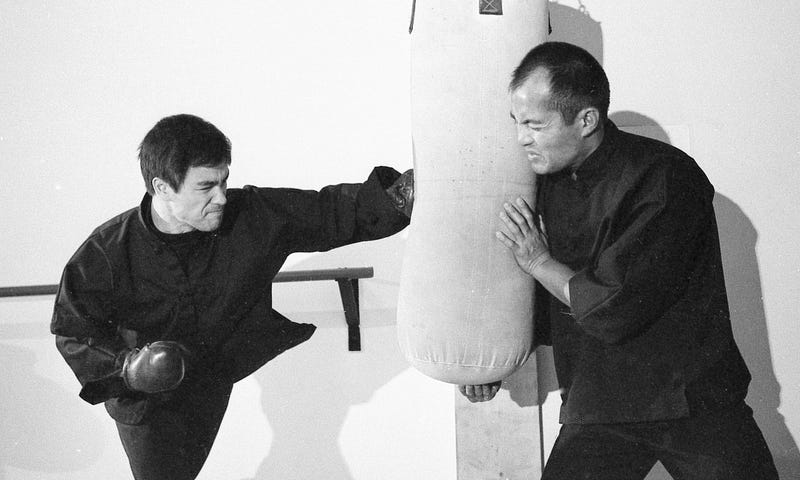
When Matthew was writing Bruce Lee: A Life he contacted me circa 2016 and asked if he could interview me as part of his research for his book. Of course, I was happy to agree. He had been immersed in Bruce’s history and was perplexed when he started thinking about the end of Bruce’s life.
I had also written a little tract entitled Mortal Dragon in which I proposed the heatstroke theory of his collapse which occurred in May of 1973. Matthew stated that when he had read my theory about the collapse he had thought, ‘That’s it!’ He did his own research further to this which seemed to confirm the idea. Matthew and I engaged in extensive correspondence, and I really admire him as a writer and researcher.
We did not, and do not, agree on the precise cause of Bruce’s death on July 20, 1973, yet we had a very respectful and rewarding discussion around this topic. Due to the fact that the cause of death, as determined at autopsy, was cerebral edema, Matthew felt that because Bruce had suffered cerebral edema in the context of the May 1973 collapse the cause of the cerebral edema must have been the same i.e due to hyperthermia or heatstroke [Polly lays out his defense in this exclusive conversation].
My own view is that the circumstances were not the same, that is, Bruce was in a comfortable, air-conditioned apartment when he died and not a small, stifling dubbing studio that had the air conditioning switched off to minimize background noise. Cerebral edema can occur for a number of reasons and can be associated with a number of syndromes.
Because I could not see the environment at the time of his death being a necessary and sufficient cause of heatstroke, I believe Bruce suffered an episode of anaphylaxis in response to ingesting the Equagesic medication. This was the view of Professor Teare, the renowned British forensic pathologist who was called to give an opinion at the inquest into Bruce’s death in Hong Kong.
We perhaps will never know in absolute terms. Matthew could well be right and I would put his hypothesis in second place to mine, well in front of the various bizarre and improbable causes that have been postulated to try to explain Bruce’s death.
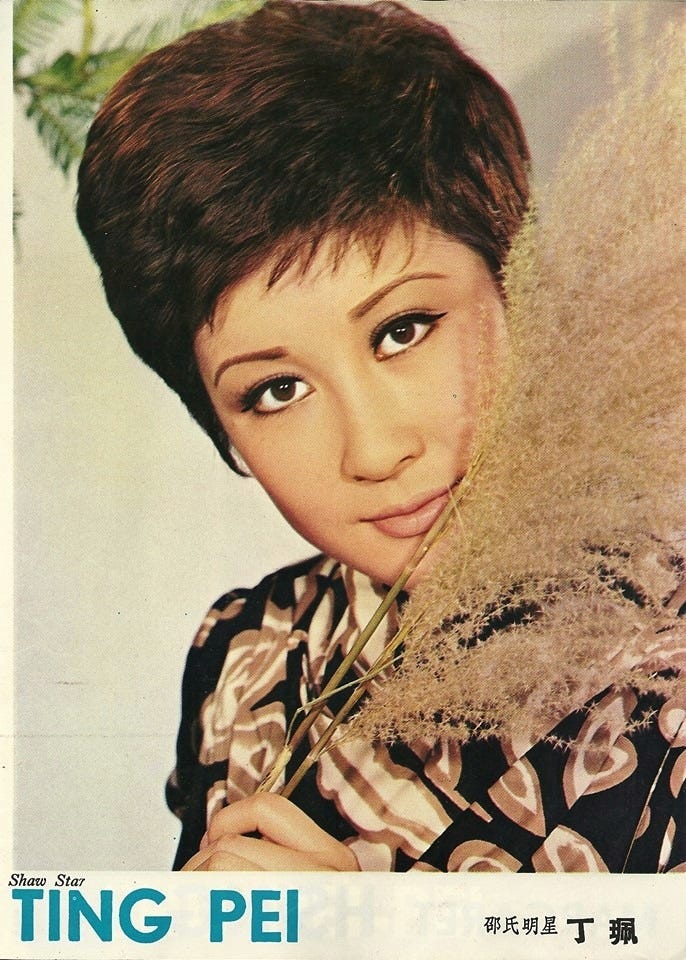
So Betty Ting Pei’s apartment was indeed air-conditioned on that sultry Hong Kong day.
I checked the weather records for Hong Kong. Matthew was absolutely right that it was a very hot and humid day. Matthew asked me for the link for the Hong Kong meteorological office as in his own meticulous way he was confirming this information.
I recall seeing somewhere that some pictures were taken of Betty’s apartment at the time of Bruce’s death, and an air conditioner or fan was clearly visible. I do not believe that Bruce or Betty would have sat in a sweltering apartment without having a fan or air conditioner turned on.
Another issue — it is likely that Bruce was quite dehydrated on the day of his collapse on May 10 and that this had contributed to his episode of heatstroke. In contrast to this, rather than Bruce being cloistered in a tiny dubbing room with no windows open or air conditioning, and without fluids, he was in a spacious apartment with a free flow of air and had been consuming fluids as evidenced by the police investigation at the time.
I consider therefore that the possibility of heatstroke to be less likely in the environment of Betty’s apartment. After all, she herself did not become unwell or mention this as an issue at the time.
Polly disclosed that Ting Pei gave Bruce Equagesic pills multiple times during their relationship. Why were there no allergic reactions prior to July 20?
The allergic reaction, or hypersensitivity reaction or the anaphylaxis episode, however you may wish to call it, is a deep and complex issue. But it boils down to this — anaphylaxis is an unpredictable condition. It can develop even with previous multiple exposures to the causative substance. It does not surprise me that Bruce may have been given the same medication previously.
Bruce, due to being quite exhausted and stressed at the time of his death, was perhaps more vulnerable to such a reaction. It is the thing that killed him in the end. And life remains full of irony. It was not another human being that killed Bruce, not a big, strong opponent of flesh and blood, but a little, innocuous tablet.
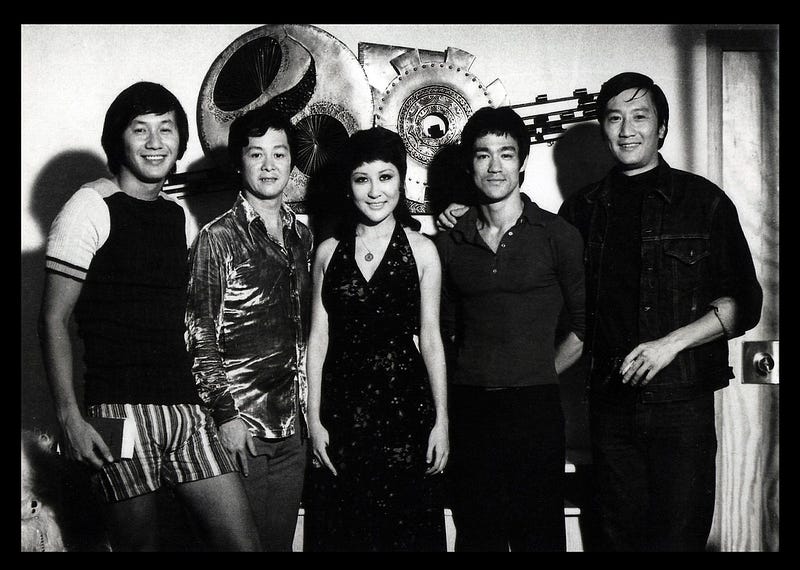
Why was Bruce “quite exhausted and stressed at the time of his death?”
Bruce, just before his death, had been under enormous pressure. It would appear that his life had become quite chaotic, and in the months leading up to his death he had narrowly avoided dying through an episode of heatstroke. That was the May 10 incident.
He was constantly being challenged to fight by people who wanted to challenge his martial arts prowess. He was now under pressure to produce more martial arts movies, and at risk of being manipulated, conned, or leaned on [extorted] by the Triads [an infamous criminal gang]. It was reported that he had been drinking alcohol regularly but couldn’t tolerate its effects, and allegations had been made about his drug use. He was certainly using cannabis regularly.
He had been suffering from headaches, likely a consequence of the episode on May 10. Betty reported that he was very tired. This was most unusual for this man of apparent boundless energy and dynamism who had been nicknamed “Never Sits Still.” Bruce had lost a significant amount of weight and those around him said he was hypervigilant and on edge. Both Bruce Lee: A Life and Unsettled Matters detail these issues, and it seems clear to me that he was a man heading towards exhaustion. This state of stress and exhaustion was a factor in the anaphylactic or hypersensitivity reaction that led to his death.
Is there any history of anaphylaxis among Bruce’s family?
I have no knowledge of this, and it would not necessarily be a predictor of whether Bruce was born with, or developed, a hypersensitivity to certain substances.
Please shed auxiliary light on Mortal Dragon: The Death of Bruce Lee Explained.
Mortal Dragon [2015] was written after The Death of Bruce Lee: A Clinical Investigation. It is available on Amazon in Kindle format. I wanted to provide in summary form the detailed research in The Death of Bruce Lee.
I felt too that Betty Ting Pei had been somewhat maligned due to her presence with Bruce when he died. I wanted to point out that all over the world, every day, people are dying from anaphylaxis reactions, even very fit athletes. In the same vein, people are also dying from heatstroke, which nearly killed Bruce two months before his actual death. This is still happening as in the case of the Chinese MMA fighter Yang Jian Bing, who died in the Philippines in 2015 of heatstroke and dehydration before a fight.
How satisfied are you with Polly’s biography? And is Bruce’s death the only matter where your opinions diverge?
Matthew’s book is by far the best there is out there in regard to the life of Bruce Lee. I do not consider it deficient in any way. There were not any other aspects or issues concerning Bruce’s life where Matthew and I disagreed. He asked for my input specifically in regard to Bruce’s death and the medical issues around that. As a biographer Matthew was researching thoroughly and harvesting knowledge from those such as myself who had detailed knowledge about one aspect of Bruce’s life in order to put together the comprehensive biography that was written.
It was only about Bruce’s specific cause of death that we had any divergence of opinion. And despite maintaining my stance, it is still within the bounds of possibility that Matthew is right, and I am wrong — there is no definitive, absolute, retrospective way of determining the issue one way or the other. I am certain, beyond a reasonable doubt, that it was one or the other — Bruce either died of a second episode of heatstroke on a hot, humid night in Hong Kong, perhaps overexerting himself in some way, and being physiologically primed and vulnerable to another episode.
Or he suffered a medication hypersensitivity reaction, in the absence of a history of similar episodes, but primed by the stress that he was under. The medical literature does support a greater likelihood of allergic-type reactions when an individual is under stress and this seems principally to be due to the mediation of the hormone histamine, which is released into the bloodstream when one is stressed and is integral to an allergic response.
I am nowhere close to being the first-class writer that Matthew is, however I had to write and publish my books alone with no help from any publisher or editor. My book did not generate any huge interest from the public, which again may in part be due that there was no capacity for promotion or advertising. If a publishing house did offer to reissue the book, I would certainly be interested. For anybody who would like to acquire an autographed edition, simply comment below.
The other issue that I have is that due to my professional ethics I must write factually and without invention or sensationalism. During the writing of my books I could have included some things that smacked of sensationalism concerning Bruce’s death, or bent the truth here and there and maybe sold a lot more copies, however as a registered nurse I couldn’t do that. I also couldn’t have promoted conspiracy theories about Bruce’s death, which would have garnered more attention and sold more copies. I was after the truth, no matter how prosaic that was.
© Jeremy Roberts, 2020. All rights reserved. To touch base, email [email protected] and mention which story led you my way. I appreciate it sincerely.


