
The humanity of Bruce Lee versus a whitewashed hagiography
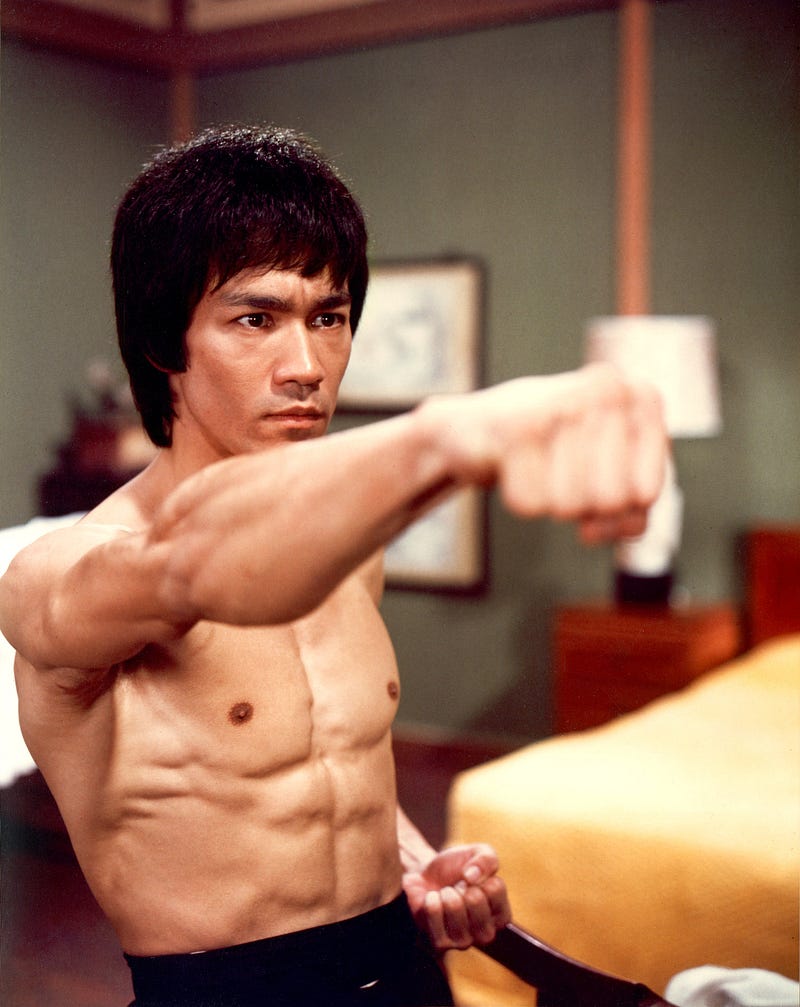
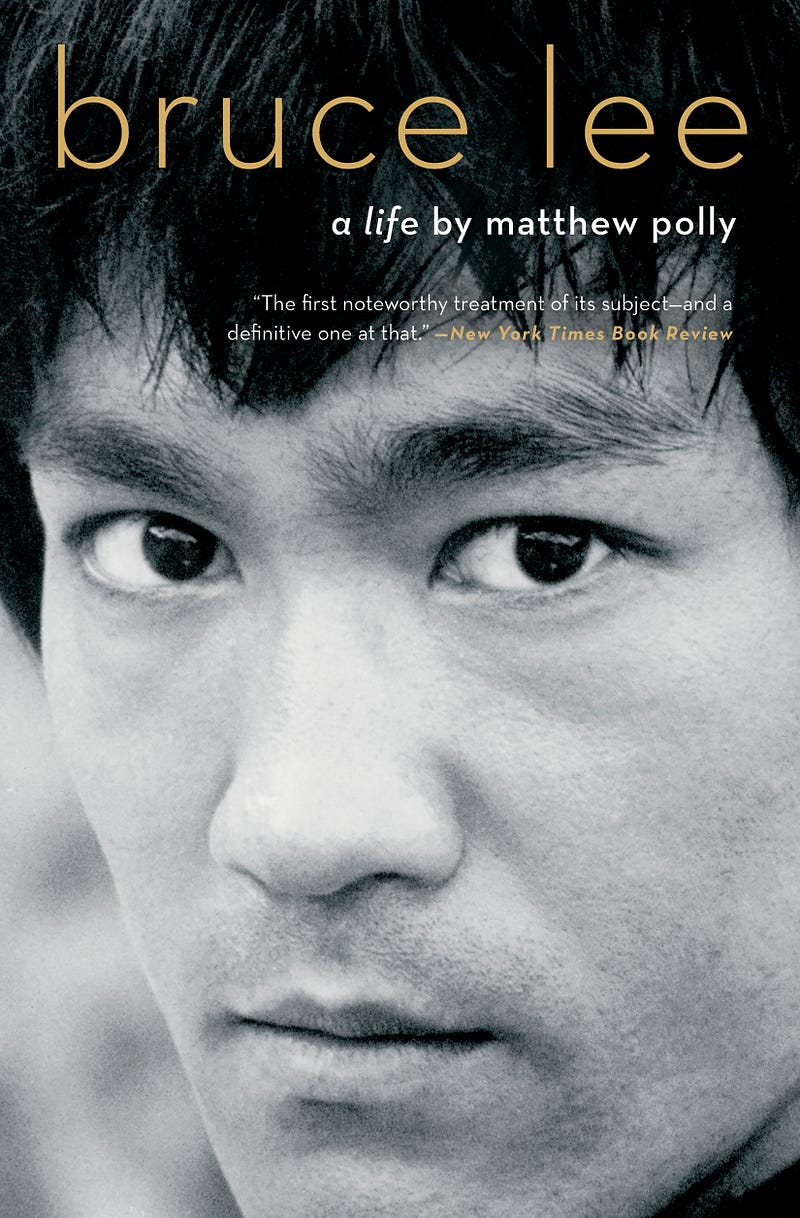
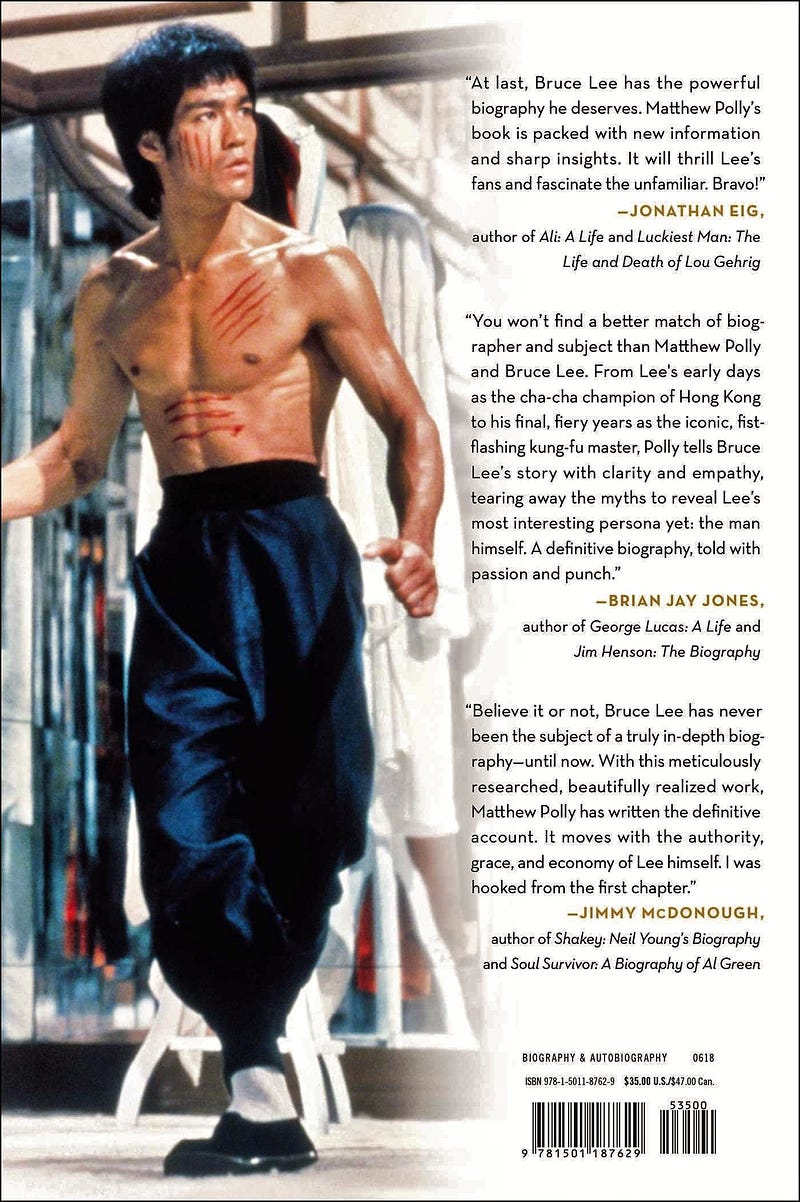
Bruce Lee’s cockiness, an embarrassing turn on the ’60s TV western Here Come the Brides, a hippie trapper encountering late 18th century-era Native Americans in the rejected Kelsey script, supportive Enter the Dragon producer Fred Weintraub, and high flying side kicks during a bustling Times Square are the focus of an authorized Matthew Polly interview. A tortured bleeder when it comes to spilling ink on paper, the Rhodes Scholar spent six years completing third tome Bruce Lee: A Life. Nicknamed “Never Sits Still,” the most famous, iconic, and charismatic Asian American of all time demanded an empathetic, sweeping biography that retracted myth in lieu of methodical research. Polly passed the audition, going so far as to convince mistress Betty Ting Pei to finally break her silence to a Western journalist. Accessing the previous third installment, entitled “Imagine Bruce Lee Being Interviewed by Johnny Carson and Doing Kung Fu with Elvis Presley,” is no sweat.
The Matthew Polly Interview, Part Four
You were only two years old when Bruce Lee died suddenly in Hong Kong on July 20, 1973, at age 32. What was the earliest instance of you becoming aware of him?
When I was about 12 years old I went over to a friend’s house. His father had just bought the first VCR in our smallish town of Topeka, Kansas — about 130,000 people, mostly blue collar, conservative. My friend’s older brother brought down a VHS tape and said, “You little guys have to see this.” It was Enter the Dragon [1973]. We had never seen a kung fu movie before. We had no idea who Bruce Lee was. But he became my hero that day. I wanted to be just like him, even going so far as to study Jeet Kune Do.
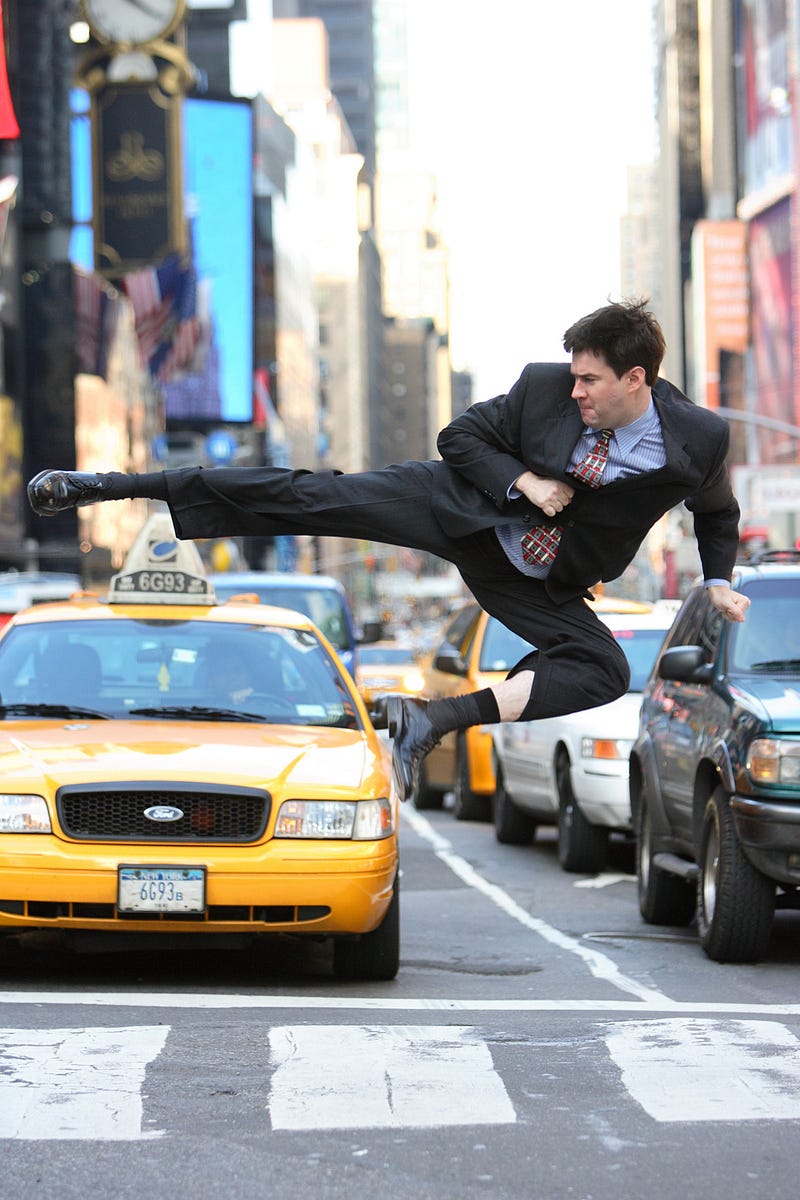
Please spill the beans behind this sensational high flying kick shot.
The Times of London was doing an article about my first book, American Shaolin: Flying Kicks, Buddhist Monks, and the Legend of Iron Crotch: An Odyssey in the New China [2007]. They had a photographer named Shahar Azran shoot me doing flying kicks in NYC’s Times Square. It was his idea. I was hungover, actually. We’d wait for the light to turn red, and then I’d do three or four flying side kicks until it turned green. He had me do about 30 kicks until finally my legs gave out. What I remember most was this group of German tourists who stood there the entire time looking at me with a quizzical expression as if saying, ‘Is this guy famous? Should we know who he is?’
Did you have a defined schedule for writing Bruce Lee: A Life?
I’m what they call a bleeder. I have to open a vein and spill the blood on the page to get anything done. I wish I had a fixed schedule. Several of my friends are great about that. They get up early, put in a couple of hours, and then move on with their day. I hate them. I torture myself by not writing until the guilt, shame, and remorse build to the point where something finally bursts through the dam. It’s torture. My dad was right. I should have gone to law school.
What visual element from Bruce’s career would you recommend as a starting point for his greatness?
Enter the Dragon is definitely the first movie anyone interested in learning more about Bruce should see. It had the highest budget [$850,000]. It was written and produced by Hollywood, so it has more of a Western sensibility [screenwriter Michael Allin, producers Fred Weintraub and Paul Heller, and director Robert Clouse, respectively]. And it was the last movie Bruce made, so he was at the height of his powers.
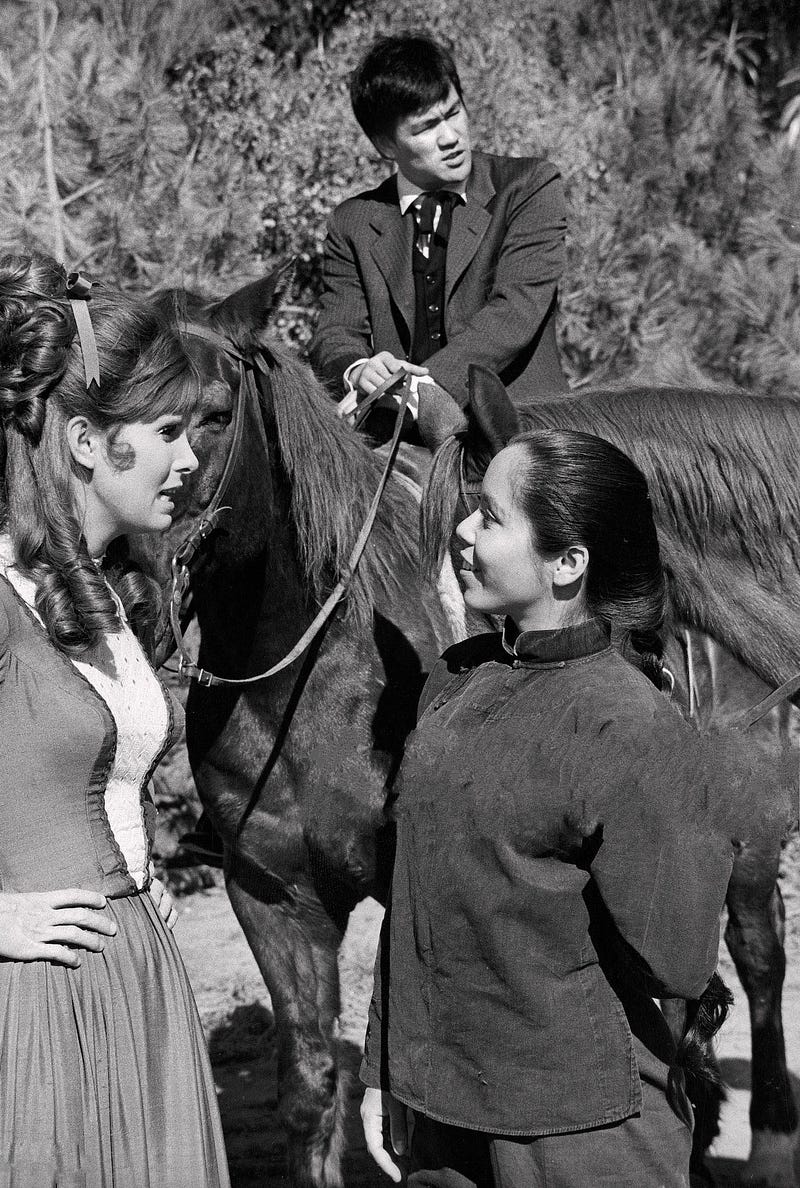
On page 243, in reference to Bruce’s guest spot on the April 9, 1969, “Marriage, Chinese Style” episode of the forgotten ABC comedy western Here Come the Brides, you write, “The role was unique, because it was the only time in Bruce’s adult career where he didn’t play a martial arts master. In fact, his character was a bit of a coward, constantly being threatened or bullied. As a result, Bruce had the chance, as an actor, to work with a different palette of emotions — alarm, humiliation, and fear.” In the notes appendix you deem it a “hackneyed episode filled with dated stereotypes about obedient Chinese woman.” But you leave us hanging — was Bruce convincing as Lin?
You have a very sharp eye! You caught a spot where I was trying to be nice and avoid a topic. Okay, let me give it straight.
Even grading on the low bar standards of a crap 1960s TV show like Here Come the Brides, Bruce was pretty terrible — awkward, uncomfortable, sticking out like a sore thumb among the rest of the cheesy cast. If you didn’t know anything about Bruce Lee and I showed you this episode and told you that he was the most famous, iconic, and charismatic Chinese actor in the world, you would burst out laughing.
So yeah, not very convincing. But it just goes to show how much work he put into his craft to become Bruce Lee, because he definitely wasn’t a natural.
Did Bruce realize that he was alienating part of his audience and feeding gasoline to his detractors whenever he boasted?
One thing to remember when learning about Bruce Lee is he died very young at the age of 32. So the story of his life, the entire arc, is the story of a very young man. Most biographies are about men who had a chance to grow older, wiser, and calmer — to learn from the mistakes we all make. Bruce as a young man was quite cocky, as are a lot of talented young men. As he got older he grew more mature, and if he had continued living I’m sure that process would have continued. The reason he seems so boastful as a person is because he never had the chance to grow out of that phase of development.
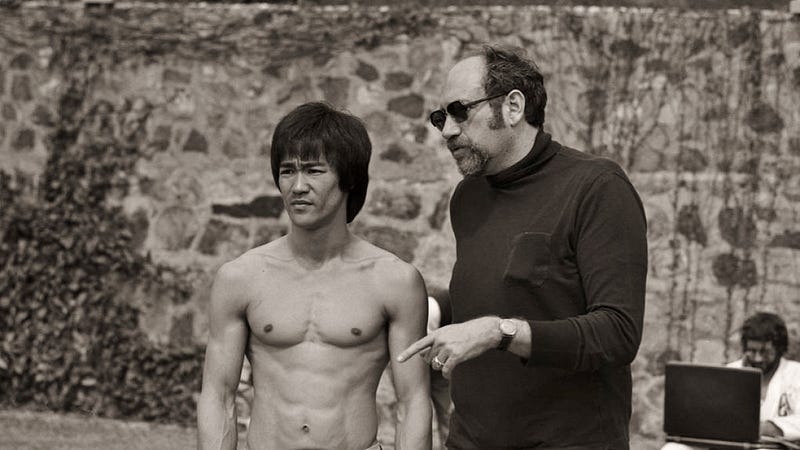
Who was your first substantial interview?
My first big interview was with Fred Weintraub, who produced Enter the Dragon. He was kind of bored with the whole thing and just being polite until I asked him about a rejected Warner Bros. movie project called Kelsey he had tried to develop for Bruce in 1971. Suddenly he sat straight up and said, “God, no one has ever asked me about that. Where did you dig that up? What a good note!”
[From pages 280–281 — Eventually reimagined as the primary source material for Enter the Dragon, Kelsey was set in 1792. The oddball tale finds a tall, rugged trapper searching for a secret path through the North Dakota territory that according to legend dissects the lands of the Native American Mandan tribe. Lee would have played a Chinese mercenary and comrade of Kelsey, essentially a regression to Kato].
After that Fred loved me. He dug up the original screenplay for Kelsey and became my biggest supporter. Whenever I had problems getting someone to agree to an interview — like I did with John Saxon — I’d go to Fred. He’d make sure that person talked to me. Fred passed away in 2017 before the book was finished. I really wish he’d had a chance to read it. I miss the guy.
At the outset, why did John Saxon turn you down?
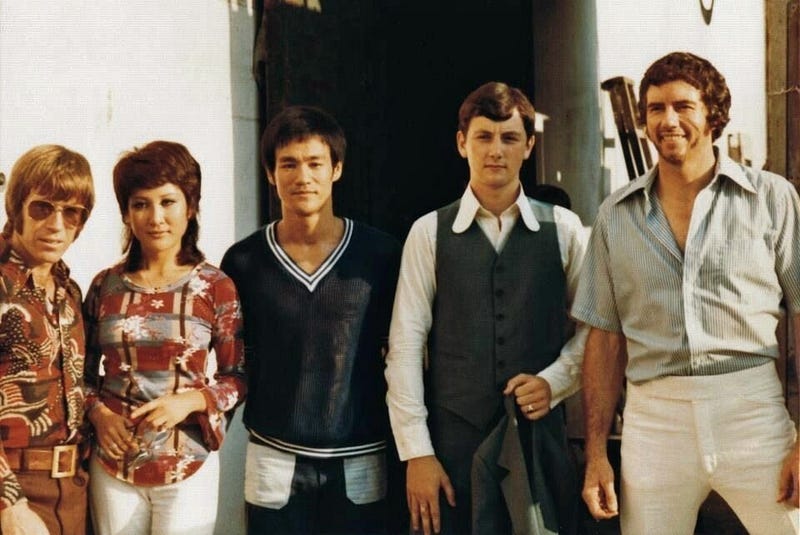
I don’t know what John’s issues were, but I’d guess he gets pestered a lot by Bruce Lee fans. Since he had no idea who I was, he ignored my emails until Fred called him.
Was there a pivotal moment in your six years of research, interviews, and writing where you thought, ‘I know I made the right decision to chronicle Bruce’s life and have uncovered a story that will reevaluate what is known about him?’
I had a pivotal moment when I interviewed ’70s Taiwanese actress Betty Ting Pei. Bruce died in her bed. For about 40 years, she and Bruce’s Golden Harvest movie producer Raymond Chow had told the world that Bruce had been at her apartment for a business meeting. No one really believed it, but previous biographers had to report the cover story.
My interview with her was the first time she admitted to a Western reporter what we had all suspected — she was Bruce’s mistress. That’s when I felt like I was going to be able to tell the true story of Bruce as a human being, not some perfect saint, which is what most of the previous books about him had been like.
How did you find Betty Ting Pei and convince her to go on the record?
I hired a young Hong Kong journalist to serve as my assistant and translator. We interviewed a retired TV producer, Robert Chua, who was friends with Betty. He set it up. I told her I was writing an article about the making of Enter the Dragon for the New York Times Magazine, which at the time was kinda true. The editor had expressed interest but hadn’t officially assigned the story to me. I ended up selling the article to Playboy in 2013.
As Bruce’s lover, Betty is a controversial figure obviously never mentioned by the estate. Were you skeptical about her memories?
As a journalist you always have to be skeptical. But first, Bruce died in her bed. That’s a pretty suggestive fact. Second, I interviewed a half dozen other people who confirmed various aspects of Betty’s story. Third, the way she told me her story came off as truthful. Reporters, like cops, spend a lot of time around liars. We get pretty good at spotting it.
DON’T GO ANYWHERE YET! PART FIVE, the finale of the Matthew Polly / Bruce Lee interview, finds Lee pulling a knife on Lo “Orson Welles” Wei, his mysterious final days, how heat stroke may have contributed to his death, advice for an anxiety-crippled hopeless romantic, and more. To catch up with earlier installments, just go below.
© Jeremy Roberts, 2020. All rights reserved. To touch base, email [email protected] and mention which story led you my way. I appreciate it sincerely.


