
6 Best and the Worst Foods for Your Gut Health
Gut health is the key to overall health. — Kris Carr
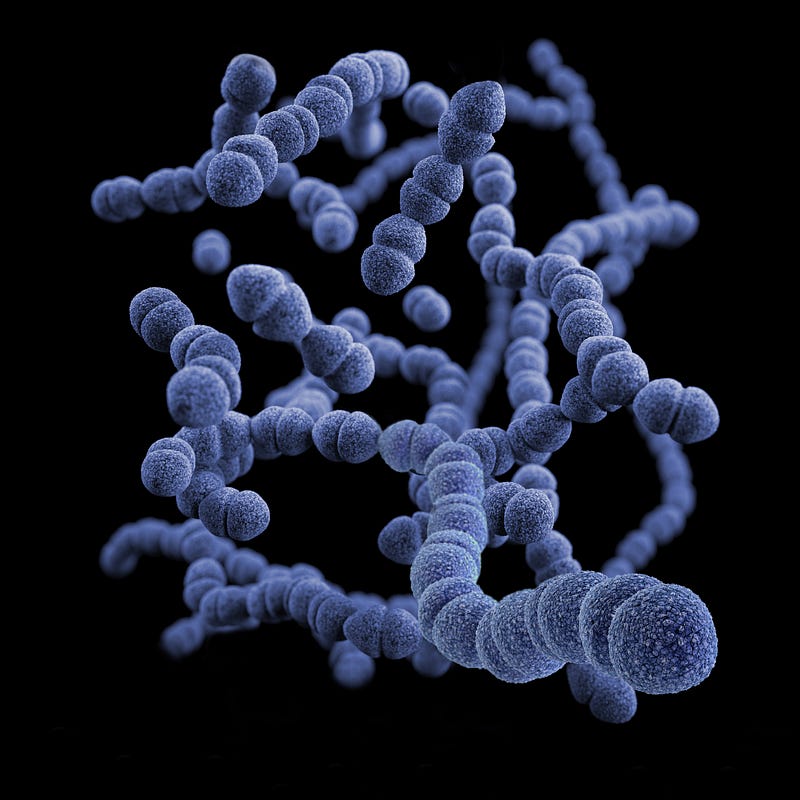
70% of your serotonin is made in your gut. What’s going on in your gut is going to affect your mood — anxiety, depression, and focus. — Dr. Frank Lipman
Gut health is super important to living a more productive and happy life.
My grandmother, who never went to school, always used to stock the fridge with gut-friendly foods.
When I was a kid, I had no idea that fermented foods (yogurt, kefir, kimchi, sauerkraut, etc.) naturally contain probiotic cultures to strengthen your digestive system.
My grandmother always encouraged me to eat yogurt with breakfast.
Why is gut health important?
What’s going in our gut can virtually affect everything: mood, health, productivity, etc.
We all know that when our body does not have the right balance of bacteria, many organisms can grow out of control, which can cause fungi and other infections in the long run.
Antibiotic kills both good and bad bacteria, and a person taking the antibiotics may be vulnerable to yeast infection.
Here are a couple of things that show the importance of gut health.
depression and anxiety, which is related to mental health
Diabetes
Obesity
inflammation
etc.
Here I’m going to share the top 6 good foods for your gut health. I did not include yogurt because that one is obvious. Let’s jump intot he learnung part.
Bananas
I love to eat at least two bananas a day. Most of the time, I consume one with breakfast and one before a workout (hiking, gym, running, boxing, etc.).
Bananas supply inulin; it’s a type of probiotic that cannot be digested or absorbed in the stomach. It’s a starchy substance and is easily found in many foods: bananas, wheat, onions, leeks, artichokes, asparagus, etc.
What does inulin (banana) do to your body?
Its primary function is to increase the frequency of your bowel movements and also add bulk to the stool. It’s possible you may have more bowel movements, but the inulin helps to slow overall digestion.
It helps your body to absorb nutrients from the food you eat. Study shows that inulin also helps the body to absorb calcium.
Broccoli
Broccoli is high in dietary fiber, encouraging the development of healthy bacteria in the stomach.
This vegetable contains a lot of glucosinolates and isothiocyanates, which boost antioxidant levels and help protect against chemically caused malignancies.
It is advisable to consume green vegetables with lipids to improve the absorption of fat-soluble vitamins such as A, D, E, and K. Pair your green vegetables with healthy fats such as olive oil or seeds and nuts.
Black beans
Pectin, a kind of soluble fiber, is abundant in black beans.
I highly suggest adding black beans to your diet to increase your protein intake. In fact, all beans, including lima beans and kidney beans, are high in soluble fiber and a cheaper alternative to animal protein sources.
Whole grains
Your body cannot break down fiber on its own.
When it reaches your big intestine, gut bacteria begin to ferment it.
This produces acids that nourish cells in your intestines while also protecting your gut from unwanted germs.
Flax seeds
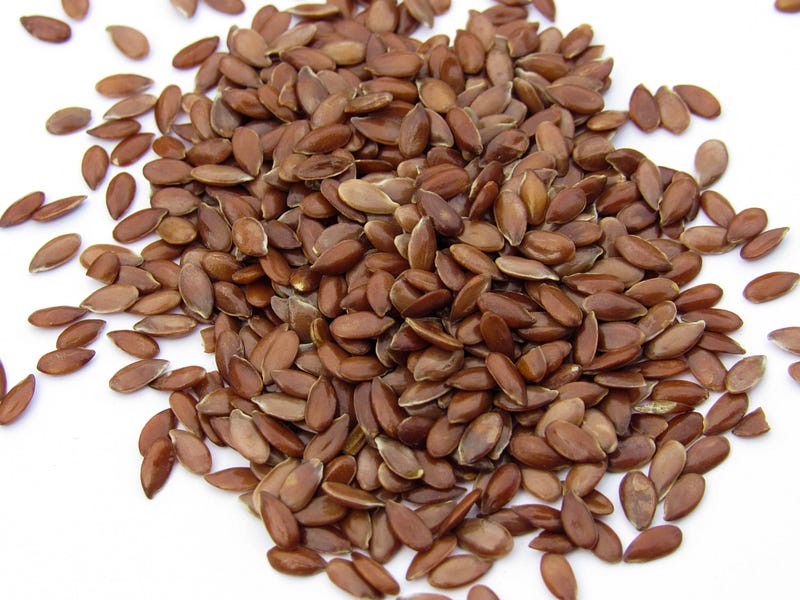
Flax seeds are high in protein, fiber, and omega-3 fatty acids. Flax seeds include both soluble and insoluble fiber, which can help control bowel movements.
Soluble fiber is digested by gut flora, whereas insoluble fiber bulks up stools to aid with constipation prevention and glucose management.
It is recommended to ingest ground flax seeds rather than whole flax seeds to make the nutrients in flax seeds more accessible.
I buy whole flax seeds from Costco and then simply grind them at home with a basic coffee grinder.
Garlic & Ginger
Garlic
Garlic’s antibacterial and antifungal qualities can help manage bad intestinal bacteria and regulate yeast in the stomach.
It may be used to flavor savory meals.
Ginger
Fresh ginger helps our digestive system to keep moving food through the intestine.
Ginger may be used in soups, stews, smoothies, and stir-fries. I love to add fresh ginger to my tea.
Worst foods for your gut health
Here are the worst foods for your gut health.
- Red Meat
- Fried foods
- Foods with antibiotics — (antibiotics kill all the bacteria, good and bad)
- Alcohol
- Artificial sweeteners
- Processed foods
- Sugary soft drinks
- etc…
Caffeine (moderation is the key here), I also wrote a detailed article on the long-term impact of coffee consumption. Here is the link.
Thank you for reading; follow me and clap a couple of times.
As a new reader, please check my holistic health, productivity, and well-being stories reflecting my reviews, observations, and 30+ days of experiments (29 completed so far) to build a sustainable healthy lifestyle.
After 30+ days of challenges to living a healthy and productive life, I wrote my experiential journey. Here are the links for easy access.
3.78 liters of water per day for 30 days, 20+ Squats per day for 30 days, Reading challenge for 30 days, Coffee, Sugar, 2-minute plank daily for 30 days, 20 Push-ups daily for 30 days , Walk 10,000 steps daily for 30 days, Long Walks, Power Nap, Extra Virgin Olive Oil daily for 30 days, No Shampoo for 30 days, Cold Shower for 30 days, 10,000 Steps, Skincare routine for 30 days, Meditation daily for 30 days, Mental Break, Sit-ups, Matcha, 2-Bananas daily for 30 days, Tim Feriss’ Morning Routine for 30 days, Floss daily for 30 days, Lukewarm Lemon Water daily for 30 days, Stretching daily for 30 days
I also wrote about general life philosophy. Here are the links for easy access.
Mental Health/Brain Damage, Hiking, Cofee (New Research), Technology, Healthy Lifestyle, Life Lessons, Productivity, Learning, Money
Disclaimer: My posts do not include professional or health advice. I only document my reviews, observations, experiences, experiments, and perspectives to provide information to create awareness. This post may contain affiliate links.
To get access to unlimited stories, you can also consider signing up to become a Medium member for just $5. If you sign up using my link, I’ll receive a small commission (at no extra cost to you). Thank you!


