
100Hour Challenge — Kizomba
Kizomba is a partner dance originating from Angola, and should not be confused with the fitness activity of zumba. The name of the dance means party, and it has a very marked beat, which makes it easy to dance on time. It is a grounded dance, where one of the essential elements is to control where you and your partner put your bodyweight.
The first thing you learn is how to embrace your partner. You make a connection, with chest, head, and knees. The better connected you are, the easier it is to lead and follow. You want to hold her back very softly, in a firm but soft embrace.
The connection is key, and when you dance, you move together almost as one. With some partners, the connection is so strong that you almost melt into each other. To dance well, the lead needs to be precise. You should lead with confidence and without hesitation.
Getting started
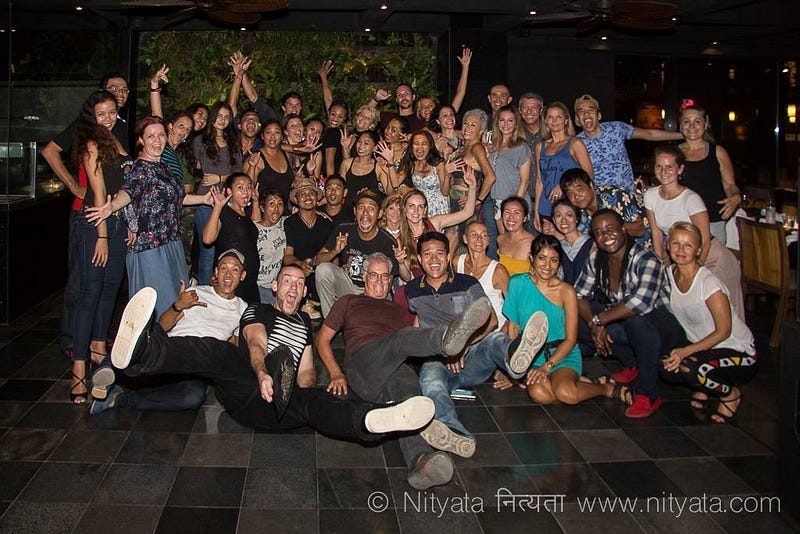
I first tried kizomba in Bali, where we focused on learning the basics and some simple figures. The basics are not that difficult to learn. But to dance well, it’s essential to pay attention to the details. Kizomba is a skill where you cannot practice the basics too much. Perfecting and adjusting them to each dance partner is crucial.
I took 8 hours of private classes with Dewa, where we focused on the basics. He broke down the details of every move, and we sometimes practised one movement for a whole hour. It was interesting to see how precise you need to be for the move to work well. And if you don’t perform it correctly, you are only teaching your body to complete the move in a less than optimal way.
It is better to get it correct from the beginning, as it takes more effort to change your technique at a later stage. I recommend taking at least a few private classes, as it is challenging to get the basics correct without the feedback from an expert teacher. As you are dancing very close to your partner, it leaves little room for poor technique. In a more open dance like salsa, moves can work even if not performed flawlessly.
Dewa’s teaching style is great. He explains everything in detail, and you improve one specific detail at a time, before moving on. The feedback I got from the first lessons was to get closer to the girl, connect better with the knees in saida’s(a movement), and to give better signals with the hand on the shoulder blade when I want the girl to turn her body.
It is difficult to get closer, as you feel that there is no space. But if you perform the move correctly, it works out perfectly. The girl will step where your foot is at the moment, but because you also move at the same moment, there will be space. A common mistake is to not dance close enough, and this makes it more difficult to lead your partner.
My main focus through this challenge was to learn the basics very well. The goal is to dance without having to think. That is how you’re supposed to dance and let your feelings guide your moves. But it is difficult to do something without thinking before you even know how to do it.
During my stay in Bali, I also participated in a kizomba workshop with Isabelle and Felicien, two famous kizomba instructors from France. Their teaching style is excellent, and they explain and show everything clearly. The classes are built up in a gradual way, to try to make sure the students get the moves before moving on.

It was amazing to get a taste of a lot of different moves in a short time. Some of the moves were still quite advanced for my level. The movements usually work in the class, where the girls know what you are going to do. They will consciously or unconsciously help you. When you later try to make the same move on the dance floor, it often doesn’t work, as they don’t expect it in the same way. A small detail in how you lead can make a big difference.
Lisbon
In Lisbon, I started dancing at Jazzy Dance Studios. This is a fantastic school, with excellent teachers, many students with a high level, and you get access to classes in almost any type of rhythm.
I started with the beginner and intermediate classes. I love to repeat the beginner classes, as you can focus on the basics for a whole hour. They also explain things in more detail. Information that it is assumed that you know when you go to more advanced classes.
The beginner classes went well, while the intermediate level gave me a good challenge. I also had a look at the advanced course, and it didn’t seem too far out of reach. After two, three weeks, I joined the advanced classes as well. They were challenging but had many good female dancers who gave me tips on how to improve.
I also started private classes with Ana. She is an excellent teacher, with great energy and encouragement to help you learn. But she is also strict and will stop and fix you when you make a mistake. This is the trademark of my favourite teachers, they are very kind and encouraging, but at the same time strict and demanding.
With Ana, I learned several new moves, and we worked on perfecting the ones I already knew. But rather than having a lot of different steps, I enjoy working on performing a few moves well. And the difference to complete the move well is small, so you must focus on being very precise.
We also worked on interpreting the music. Kizomba can be danced on the beat, but you can also slow the moves down or make faster steps. Sometimes you don’t even dance on the beat, but rather to the melody or the voice of the singer. Sometimes the music asks you directly, and sometimes you need to make a personal interpretation. Maybe the song suggests a wavy movement, or to slow down and perhaps even freeze. This part of dancing can be quite tricky and requires that you listen to a lot of music.
Pick the ideal place to learn a skill
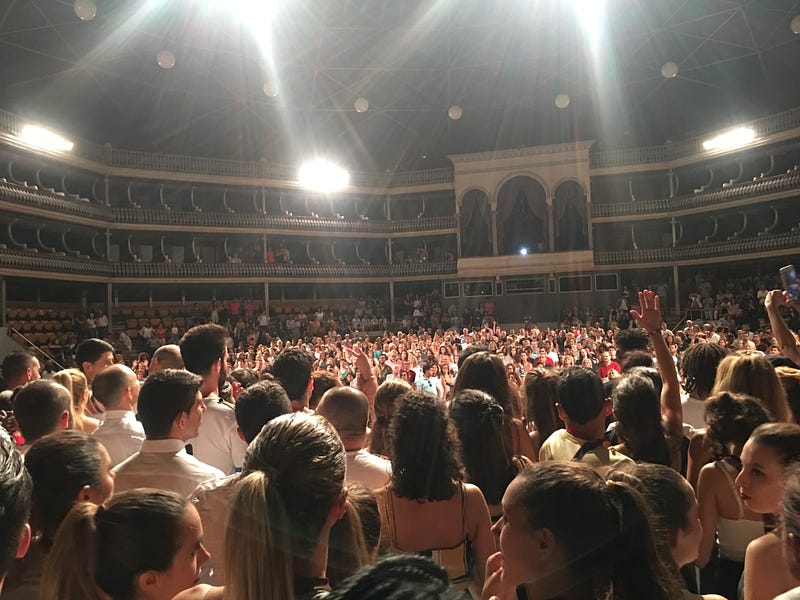
Essential to learning a skill fast is to have the opportunity to practice it. That’s why I chose to learn kizomba in Lisboa, as you can find a place to dance every day of the week. Sometimes it starts very late. One Sunday we went to an Angolan club at 1 am, and we were almost the first to arrive. The dancing went on to the early morning, and people still didn’t seem interested in leaving. It can be quite addictive.
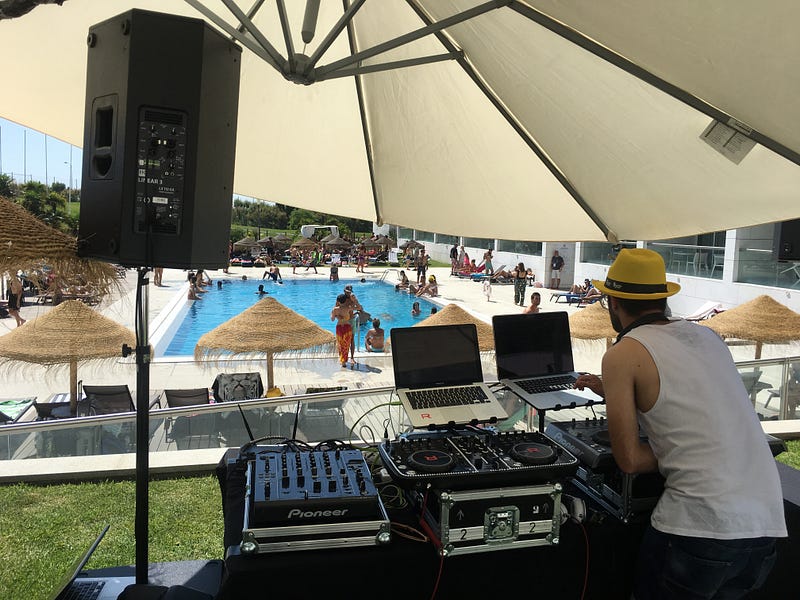
In Lisboa, I also joined a kizomba festival, with three days of workshops from many different teachers. The classes were quite advanced, and we were learning many moves. When you learn a lot in a short time, you sometimes end up forgetting most of it. But it was fun to try, and I improved at least a few of my moves. Festivals are also a great place to meet and dance with many good dancers. They also had a nice pool party.
Performance
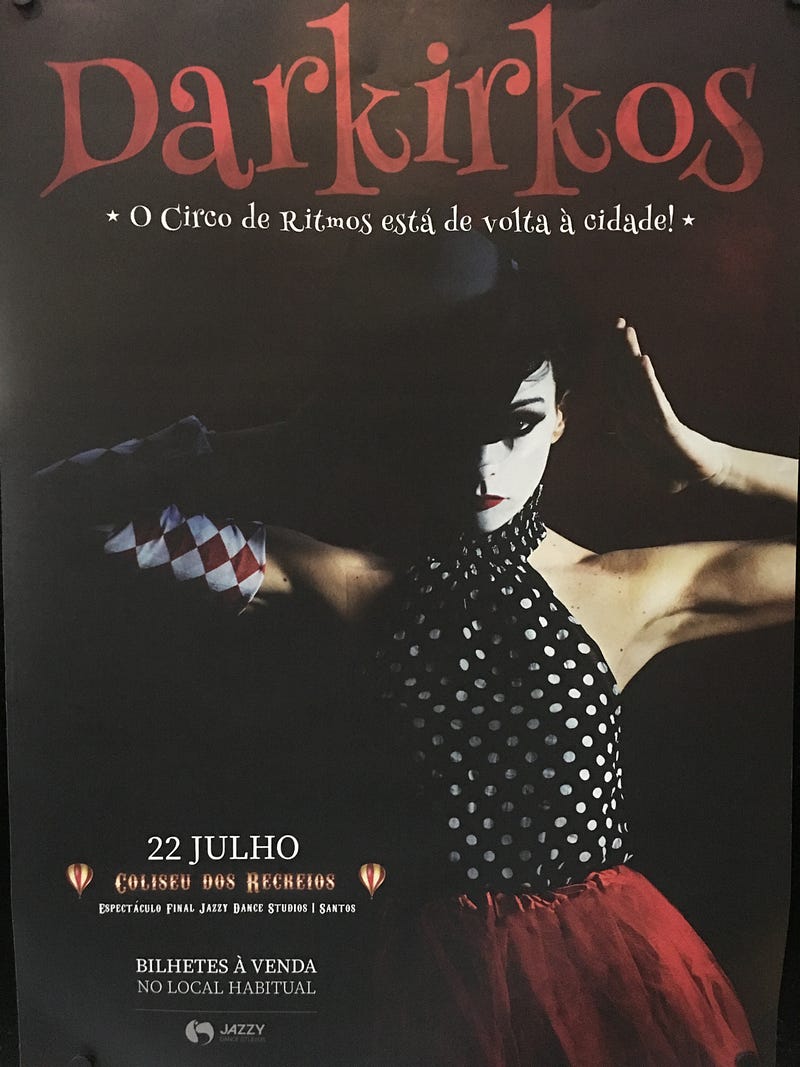
Back in Jazzy, we started to practice for the big annual student show. The show is organised professionally, and the school put in a lot of effort to make it look good. We practiced for almost two months, and in the end, it was a beautiful choreography where we all dressed up in black and silver. Before the day of the show, we also did two full days of rehearsals in the school, with a panel of judges to critique what was good and not. They wanted us to look as good as possible in the show.
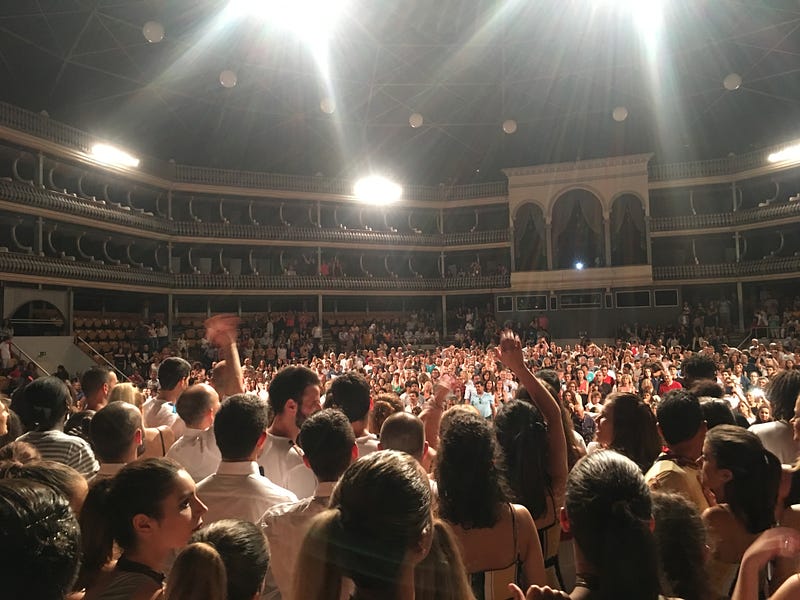
We performed the show in Coliseu dos Recreios, one of the oldest theatres in Lisboa. It has a capacity of 4300 people.
On the performance day, we did an on-stage rehearsal to make sure we positioned ourselves correctly to look good on stage. We also adjusted the scene lighting for each show. The entire show lasted about two and a half hours. Our performance was one minute and thirty seconds:) To remember the correct positions, we looked for some small mark on the stage floor, to use as a reference. We did the last dance-through, including walking on to the stage, where we interacted and flirted with the bachata and salsa groups.
When the show started, we went to the dressing rooms to wait. We were number 14 of 30 shows, so it was still an hour before our turn. When we got the call, we went downstairs to line up behind the stage, while being completely silent. Two or three groups were waiting in front of us, so this was the time when you could get a bit nervous.

It was exciting, but I didn’t feel very nervous, as we had practised the show so many times. Mostly, it was fun to experience something new. When we entered the stage, it felt like we were doing something we knew well, that we were doing one more time. It was also dark, so we didn’t see the audience.
Everything went well, and as a group, it was our best performance so far. Everyone remembered the moves, and the symmetry and timing were good. We could leave the stage feeling good and watch the rest of the show from the stands. The other groups held a high level, with a lot of advanced dancers, many who I think will go on to become professional dancers. It was a joy to watch. In the end, it was time for all the groups to go back on stage and get applause from the audience, an enjoyable experience.
Best tips for learning kizomba
- Learn the basics very well.
- Develop a clear lead. Control with the chest, where you go, she goes.
- Dance with confidence and your girl will feel where you want to move.
- Quality over quantity. It is better to know a few moves well than doing a lot of figures without control and connection.
- Have a firm but soft embrace.
- And most important of all, enjoy!
Thanks for reading, following and sharing ! :)
My other 100Hour challenges:


