avatarDr Mehmet Yildiz

Free AI web copilot to create summaries, insights and extended knowledge, download it at here

13480

Abstract

ng RNA processing, and targeting TDP-43 aggregation.</p><h1 id="6aea">6 — Huntingtin</h1><p id="b8da"><a href="https://www.cell.com/neuron/fulltext/S0896-6273(16)00096-9?_returnURL=https%3A%2F%2Flinkinghub.elsevier.com%2Fretrieve%2Fpii%2FS0896627316000969%3Fshowall%3Dtrue">Huntingtin</a>, a protein central to the pathogenesis of Huntington’s disease, is well-documented in developing this genetic neurodegenerative disorder.</p><p id="cfb7">Huntington’s disease can occur due to expanding a specific region within the huntingtin gene, producing a mutant form of the huntingtin protein.</p><p id="0dbe">This mutant protein possesses more <a href="https://www.annualreviews.org/doi/10.1146/annurev-pathmechdis-012418-012857">polyglutamine repeats</a>, making it prone to misfolding and aggregation. The aggregation process can increase toxic clumps of mutant huntingtin protein within neurons, causing cellular dysfunction and neurodegeneration.</p><p id="7f4a">Mutant huntingtin aggregates disrupt cellular processes essential for neuronal health. These aggregates remove cellular components, like transcription factors, molecular chaperones, and signaling molecules, causing functional impairment.</p><p id="7c75">As a result, crucial cellular pathways, like protein degradation and cellular stress response mechanisms, are compromised, contributing to the progressive neurodegenerative cascade in Huntington’s disease.</p><p id="76aa">Mitochondria become particularly vulnerable in Huntington’s disease. Mutant huntingtin protein directly interacts with mitochondrial components, impairing their function and leading to neuron energy deficits.</p><p id="cc1d">The cumulative effects of disrupted cellular processes, impaired neurotransmission, and mitochondrial dysfunction ultimately lead to neuronal dysfunction and cell death in Huntington’s disease.</p><h2 id="a6d1">Mitigation Strategies</h2><p id="9da3">Specialists focus on modulating cellular processes, neurotransmission enhancement, and targeting mutant huntingtin aggregation.</p><h1 id="29c5">7 — Superoxide Dismutase 1</h1><p id="5833"><a href="https://onlinelibrary.wiley.com/doi/10.1002/anie.202000451">Superoxide dismutase 1</a> (SOD1) is an enzyme and protein for neutralizing harmful reactive oxygen species and maintaining oxidative balance within cells.</p><p id="93cf">The primary function of SOD1 is to convert superoxide radicals into less harmful molecules, preventing cellular damage caused by oxidative stress.</p><p id="5310">In <a href="https://readmedium.com/i-found-6-patterns-after-deeply-researching-als-disease-for-my-father-57ffd9b9a71b">ALS</a>, mutations in the SOD1 gene lead to the production of mutant SOD1 proteins that acquire toxic properties. These mutant proteins not only lose their normal enzymatic function but also gain the ability to generate reactive oxygen species themselves, amplifying oxidative stress.</p><p id="f682">Prolonged exposure to oxidative stress can lead to cellular dysfunction and contribute to the selective vulnerability of motor neurons in ALS.</p><p id="36b2">Mutant SOD1 proteins accumulate within mitochondria. This accumulation disrupts mitochondrial function and impairs the efficiency of ATP production, leading to energy deficits in motor neurons.</p><p id="3d22">Mutant SOD1 proteins can directly interact with mitochondrial components, inducing mitochondrial membrane permeability changes and promoting the release of pro-apoptotic factors, triggering neuronal cell death.</p><p id="7a34">The cumulative effects of oxidative stress, mitochondrial dysfunction, and impaired cellular processes converge to trigger the degeneration of motor neurons in ALS.</p><p id="64fe">As motor neurons degenerate, the communication between the brain and the muscles is disrupted, leading to muscle weakness, paralysis, and eventually respiratory failure associated with ALS, <a href="https://readmedium.com/i-found-6-patterns-after-deeply-researching-als-disease-for-my-father-57ffd9b9a71b">as happened to my father.</a></p><h2 id="2de2">Mitigation Strategies</h2><p id="b745">Specialists work on restoring mitochondrial function, modulating cellular processes, and lowering oxidative stress.</p><h1 id="9926">8 — Prions</h1><p id="87e0"><a href="https://www.pnas.org/doi/full/10.1073/pnas.95.23.13363">Prions</a>, misfolded proteins, induce typically folded proteins to adopt their anomalous conformation. They exist in two distinct forms: the normal (properly folded protein) and the misfolded (disease-associated isoform).</p><p id="8869">Through an unknown trigger, folded protein can undergo a conformational change, adopting the misfolded conformation of it. This conversion marks the beginning of a cascade of events that lead to the accumulation and aggregation of disease-associated isoforms.</p><p id="4960">These aggregates become resistant to degradation and form insoluble deposits, exerting toxic effects on neuronal function.</p><p id="e8a7">One of the enigmatic characteristics of prion diseases is their ability to propagate within the brain. This propagation mechanism amplifies and spreads the misfolded protein throughout the central <a href="https://readmedium.com/heres-how-to-make-the-nervous-system-more-flexible-and-functional-99432acd589b">nervous system</a>, worsening neurodegenerative processes.</p><p id="27ef">As prions propagate and aggregate, they disrupt normal cellular homeostasis, contributing to neurodegeneration. The accumulation impairs intracellular protein quality control mechanisms, leading to <a href="http://11376">proteotoxic stress</a> and dysfunction of the ubiquitin-proteasome system.</p><p id="1bc0">This disturbance in protein degradation pathways results in the buildup of toxic protein aggregates, which can compromise cellular function and trigger apoptotic pathways, leading to neuronal death. <a href="https://www.cambridge.org/core/journals/expert-reviews-in-molecular-medicine/article/mechanisms-of-prioninduced-neurodegeneration/B08F0E4FB58BA4B2E04689624903FF8C">Prion-induced neurodegeneration</a> is closely linked to neuroinflammatory responses.</p><h2 id="adbe">Mitigation Strategies</h2><p id="83e0">Specialists work on early detection and diagnosis, modulating inflammatory responses, and targeting prion propagation.</p><h1 id="2fe3">9 — Fused in Sarcoma</h1><p id="4df2"><a href="https://www.mdpi.com/1420-3049/24/8/1622">Fused in Sarcoma</a> (FUS) is an RNA-binding protein. It is vital in various cellular processes, like RNA metabolism and transport. Mutations in the FUS gene have been identified in people with ALS and FTLD.</p><p id="3254">The abnormal accumulation of FUS in neurons disrupts essential RNA processing mechanisms, impairs cellular function, and causes neurodegeneration. The precise mechanisms by which FUS pathology contributes to disease progression are still being investigated,</p><p id="0e45">FUS interacts with various RNA molecules, like messenger RNA and long non-coding RNA, facilitating their transport and contributing to proper splicing and localization within cells.</p><p id="79b7">The aberrant accumulation of FUS in ALS and FTLD patients disrupts these crucial RNA processing events, leading to an imbalance in RNA metabolism and impairing cellular homeostasis.</p><p id="5c47">The accumulation of abnormal FUS disrupts normal cellular function, contributing to the degeneration of neurons. Dysregulation of RNA granule formation and function interferes with intracellular transport processes, impairs synaptic function, and compromises cellular health.</p><h2 id="3db0">Mitigation Strategies</h2><p id="0d6f">Specialists work on enhancing cellular clearance mechanisms and modulating RNA processing pathways. Therapeutic interventions, like gene therapies and small molecule compounds, are being explored to restore FUS function and alleviate its pathological effects.</p><h1 id="6d20">10 — Ataxin-1 and Ataxin-3</h1><p id="2ccb"><a href="http://0400615101">Ataxin-1</a> and <a href="https://www.frontiersin.org/articles/10.3389/fimmu.2022.870966/full">Ataxin-3</a> proteins enable the normal functioning of neurons. Nevertheless, mutations in their genes (ATXN1 and ATXN3) might cause irregular forms of these proteins. They might cause the development of <a href="https://pubmed.ncbi.nlm.nih.gov/24816443/#:~:text=To%20date%2C%20a%20total%20of,1%20(SMAX1%2FSBMA).">polyglutamine diseases</a>.</p><p id="b373">Mutated protein totality from Ataxin-1 and Ataxin-3 within neurons can impair cellular function, disrupt neuronal signaling, and contribute to the degeneration of some brain regions, like the cerebellum. They impair neuronal signaling, contributing to neurodegeneration.</p><p id="cfab">The accumulation of mutant Ataxin-1 and Ataxin-3 proteins can induce excessive oxidative stress, increasing reactive oxygen species and causing cellular damage. The cellular toxicity, creating a catch-22 situation, can further contribute to the degeneration of affected brain regions.</p><h2 id="bfb6">Mitigation Strategies</h2><p id="ec4c">Mitigation strategies for Ataxin-1 and Ataxin-3 involve targeting protein aggregation and enhancing cellular clearance mechanisms. It includes gene silencing techniques and molecular chaperones. Modulating protein folding and degradation pathways is also being explored.</p><h1 id="e316">Detecting These Pathogenic Proteins</h1><p id="ca81">Detecting the accumulation of proteins involved in neurodegenerative diseases relies on various mechanisms and techniques.</p><p id="de4b">The common ones are <a href="https://link.springer.com/protocol/10.1007/978-1-4939-8935-5_25">Immunohistochemistry</a>, <a href="https://link.springer.com/protocol/10.1007/978-1-4939-2742-5_9">Western Blotting</a>, <a href="https://www.ncbi.nlm.nih.gov/books/NBK555922/">Enzyme-Linked Immunosorbent Assay</a>, <a href="http://191">Mass Spectrometry</a>, <a href="https://www.ncbi.nlm.nih.gov/books/NBK559089/">PET Scanning</a>, and <a href="https://pubmed.ncbi.nlm.nih.gov/14524396/">Cerebrospinal Fluid Analysis</a>.</p><p id="f04f">Detecting proteins associated with neurodegenerative diseases can be performed by professionals and experts like researchers, pathologists, radiologists, specialists in proteomics, clinicians, and laboratory technicians.</p><p id="3eb1">The acceptable ranges for proteins can vary depending on the specific protein and the context in which it is being measured. Protein levels are assessed in bodily fluids, like blood, cerebrospinal fluid, or tissue samples.</p><p id="9bcd">Mentioned experts analyze protein expression levels, biomarkers, disease-specific ranges, and disease progression profiles.</p><p id="a15d">To accurately interpret protein levels and their association with disease formation, you need to review scientific literature and clinical guidelines and obtain guidance from healthcare professionals specializing in the specific disease of interest. They can provide the most up-to-date information regarding acceptable ranges and disease-related implications.</p><h1 id="04eb">Conclusions and Takeaways</h1><p id="0dd2">These proteins and their interactions in the brain are highly complex. Even scientists struggle to understand their mechanisms and implications with their specialist knowledge. In addition, scientists still cannot reach a consensus on their effects.</p><p id="e136">In my perspective, the only viable way at this stage is to optimize these proteins via healthy lifestyle habits and preventive behavior with professional support.</p><p id="c5d5">From my experience and reviews, it is possible to lower the effects of damaged proteins by activating the <a href="https://readmedium.com/three-tips-to-initiate-autophagy-f30636936ef3">autophagy<b> </b>process.</a></p><p id="5b87">Therefore, I created a lifestyle that allows me to achieve <a href="https://readmedium.com/here-is-what-happened-when-i-experimentally-initiated-autophagy-decades-ago-afb4a64fa7e8">autophagy<b></b></a><b> </b>and <a href="https://readmedium.com/heres-how-i-initiate-mitophagy-and-make-my-mitochondria-denser-in-7-steps-d074dab60d67">mitophagy<b></b></a><b> </b>effectively, which brings many more health benefits.</p><p id="9598">The key contributors to activating these self-healing processes are <a href="https://readmedium.com/i-no-longer-do-keto-and-intermittent-fasting-for-weight-loss-as-ive-no-fat-to-lose-8949c8e3c16d">time-restricted eating</a>, occasional <a href="https://readmedium.com/heres-what-happened-to-me-after-performing-infrequent-7-day-fasting-20b32024e763">prolonged fasting</a>, a <a href="https://readmedium.com/keto-diets-plus-intermittent-fasting-lifestyles-tick-the-boxes-of-metabolic-and-mental-health-c3c93b51d750">ketogenic diet</a>, <a href="https://readmedium.com/i-love-running-yet-i-practice-it-differently-for-health-and-fitness-reasons-2e2124eb2d9f">personalized workouts</a>, <a href="https://readmedium.com/here-is-what-happened-when-i-experimented-with-thermogenesis-for-decades-891de9dbc376">thermogenesis</a>, and <a href="https://readmedium.com/heres-how-i-corrected-my-sleep-issues-in-7-steps-and-reaped-many-health-benefits-c9978a215a54">restorative sleep</a>.</p><p id="ec74">Thank you for reading my perspectives. I wish you a healthy and happy life.</p><p id="f452">As a new reader, please check my holistic health and well-being stories reflecting my reviews, observations, and decades of experiments optimizing my <a href="https://readme

Options

dium.com/9d8b86921946">hormones</a> and <a href="https://readmedium.com/90c34e0a9266">neurotransmitters</a>.</p><blockquote id="ee0a"><p><a href="https://readmedium.com/57ffd9b9a71b">ALS,</a> <a href="https://readmedium.com/defeat-metabolic-syndrome-and-slim-down-waistline-with-three-tips-2abaa6c7a2ef">Metabolic Syndrome</a>, <a href="https://readmedium.com/why-442-million-people-live-diabetic-and-what-we-can-do-about-it-d843bb8cbcf8">Type II Diabetes,</a> <a href="https://readmedium.com/get-healthier-leaner-three-doable-tips-to-defeat-fatty-liver-disease-4468b7045d18">Fatty Liver Disease</a>, <a href="https://readmedium.com/lower-the-risks-of-heart-disease-and-strokes-in-five-steps-8e203e94f599">Heart Disease</a>, <a href="https://readmedium.com/heres-how-to-lower-the-risks-of-strokes-in-5-steps-336c4af24d1a">Strokes,</a> <a href="https://readmedium.com/rewire-the-brain-to-melt-unwanted-belly-fat-preventing-obesity-12902d711b1d">Obesity</a>, <a href="https://readmedium.com/reduce-liver-cancer-risks-with-healthy-lifestyle-choices-e9fb28be291e">Liver Cancer</a>, <a href="https://readmedium.com/heres-how-colonoscopy-saved-peter-s-life-6dfb6a7e03f7">Colorectal Cancer</a>,<i> <a href="https://readmedium.com/74cad3bbc701"></a></i><a href="https://readmedium.com/74cad3bbc701">Autoimmune Disorders,</a> <a href="https://readmedium.com/why-high-homocysteine-levels-matter-and-how-to-optimize-them-58af6d4b0fc9">Homocysteine</a>, <a href="https://readmedium.com/make-your-lungs-healthier-proactively-73bc5031f366">Lungs Health</a>, <a href="https://readmedium.com/make-your-pancreas-healthier-via-lifestyle-choices-e7f0d925bb5f">Pancreas Health</a>, <a href="https://readmedium.com/make-your-kidneys-healthier-via-lifestyle-choices-b9f38d6cc468">Kidneys Health</a>, <a href="https://readmedium.com/shocking-stats-about-non-communicable-diseases-70377b7a8d4c">NCDs</a>, <a href="https://readmedium.com/five-tips-to-prevent-infectious-diseases-96fc44ef3d93">Infectious Diseases</a>, <a href="https://readmedium.com/make-your-brain-healthy-with-ten-lifestyle-approaches-d4c0f95f6ad6">Brain Health</a>, <a href="https://readmedium.com/three-lifestyle-habits-to-lower-dementia-risks-1c008ce4b1ee">Dementia</a>, <a href="https://readmedium.com/heres-how-i-eliminated-depressive-suicidal-feelings-in-7-steps-in-my-younger-years-32b2b5d7223a">Depression</a>, <a href="https://readmedium.com/six-tips-to-prevent-brain-atrophy-and-lower-the-risks-of-mental-disorders-1373a763e62c">Brain Atrophy</a>, <a href="https://readmedium.com/what-mothers-need-to-know-about-neonatal-disorders-20c5c82c20e5">Neonatal Disorders</a>, <a href="https://readmedium.com/heres-how-i-got-healthier-and-smoother-skin-via-5-lifestyle-and-holistic-health-methods-51cdb26f320b">Skin Health</a>, <a href="https://readmedium.com/heres-how-altering-my-diet-solved-the-unbearable-teeth-problems-sustainably-95bd5b512b7f">Dental Health</a>, <a href="https://readmedium.com/three-tips-for-improving-bone-health-and-reducing-the-risks-of-osteoporosis-7952a47ef314">Bone Health</a>, <a href="https://readmedium.com/six-tips-to-heal-a-leaky-gut-via-lifestyle-choices-and-support-from-professionals-67fcd1981cdb">Leaky Gut</a>, <a href="https://readmedium.com/how-a-leaky-gut-might-lead-to-a-leaky-brain-and-7-steps-to-lower-risks-daf8bc7810b1">Leaky Brain</a>, <a href="https://readmedium.com/heres-how-i-defeated-brain-fog-with-six-lifestyle-habits-decades-ago-f72609bcd6a9">Brain Fog</a>, <a href="https://readmedium.com/here-is-how-i-defeated-chronic-inflammation-via-9-lifestyle-habits-a684f047d9fd">Chronic Inflammation</a>, <a href="https://readmedium.com/three-tips-to-eliminate-insulin-resistance-and-shrink-waistline-685f9ae8648">Insulin Resistance</a>, <a href="https://readmedium.com/three-tips-to-optimize-cortisol-to-melt-belly-fat-and-keep-lean-muscles-9fba2e12868e">Elevated Cortisol</a>, <a href="https://readmedium.com/make-your-body-leptin-sensitive-to-lose-visceral-fat-with-a-simple-metabolic-shift-be283fcc7f8e">Leptin Resistance</a>, <a href="https://readmedium.com/how-an-elderly-couple-eliminated-anabolic-resistance-and-lowered-the-risk-of-sarcopenia-in-7-steps-8cbf0394c6ae">Anabolic Resistance</a>, <a href="https://readmedium.com/cholesterol-paradox-and-how-it-impacted-my-health-positively-ea15ac938843">Cholesterol</a>, <a href="https://readmedium.com/why-high-triglyceride-levels-matter-and-how-to-optimize-them-d56c120d585a">High Triglycerides</a>, <a href="https://readmedium.com/heres-how-to-lower-risks-of-metabolic-disorders-or-reverse-them-in-5-steps-3a3c479774c2">Metabolic Disorders</a>, <a href="https://readmedium.com/d8e0a2c39509">Gastrointestinal Disorders</a>, <a href="https://readmedium.com/heres-how-thyroid-hormones-can-affect-our-health-and-well-being-71fc9345102b">Thyroid Disorders</a>, <a href="https://readmedium.com/heres-how-i-fixed-my-anemia-in-3-steps-and-regained-an-abundance-of-energy-1b07beeed83b">Anemia</a>, <a href="https://readmedium.com/dysautonomia-in-awareness-month-2585d55969ab">Dysautonomia</a>, <a href="https://readmedium.com/heres-how-solving-anemia-and-chronic-inflammation-improved-my-cardiac-output-7df24783b5b1">cardiac output</a>, and <a href="https://readmedium.com/6-tips-to-improve-bladder-health-and-lower-the-risks-of-urinary-track-disorders-1720468412cb">urinary track disorders</a>.</p></blockquote><p id="6796">I also wrote about valuable nutrients. Here are the links for easy access:</p><blockquote id="43b3"><p><a href="https://readmedium.com/d39511441651">Lutein/Zeaxanthin</a>, <a href="https://readmedium.com/2b156c2c9410">Phosphatidylserine</a>, <a href="https://readmedium.com/boron-heres-why-we-need-this-necessary-micronutrient-in-our-diets-6c0e7d7fe838">Boron,</a> <a href="https://readmedium.com/urolithin-a-supplementation-might-improve-mitochondrial-health-muscle-strength-and-longevity-aa6065cc8f1c">Urolithin</a>, <a href="https://readmedium.com/e907672585b2">taurine</a>, <a href="https://readmedium.com/citrulline-101-six-health-benefits-based-on-two-decades-of-experience-6833d51a2b30">citrulline malate</a>, <a href="https://readmedium.com/biotin-101-an-independent-review-of-vitamin-h-de5f57389744">biotin</a>, <a href="https://readmedium.com/lithium-orotate-helped-elaine-to-defeat-bipolar-disorder-3840407b97ff">lithium orotate</a>, <a href="https://readmedium.com/seven-proven-health-benefits-of-alpha-lipoic-acid-60123f4d8084">alpha-lipoic acid</a>, <a href="https://readmedium.com/what-if-theres-a-hope-to-improve-immunity-why-nac-is-a-critical-molecule-for-health-a7fcf9189200">n-acetyl-cysteine</a>, <a href="https://readmedium.com/1d360f4446d">acetyl-l-carnitine</a>, <a href="https://readmedium.com/why-i-take-100-mg-coq10-ubiquinol-daily-7273c61ba1c">CoQ10</a>, <a href="https://readmedium.com/4e7ee05b83df">PQQ,</a> <a href="https://readmedium.com/what-i-learned-from-experimenting-with-nadh-9cecd6213fdc">NADH</a>, <a href="https://readmedium.com/d62f22add143">TMG</a>, <a href="https://readmedium.com/five-remarkable-health-benefits-of-the-most-researched-fitness-supplement-9ce620a36e2">creatine</a>, <a href="https://readmedium.com/b13731bef208">choline</a>, <a href="https://readmedium.com/b0251c803417">digestive enzymes</a>, <a href="https://readmedium.com/f1ae8b89401e">magnesium</a>, <a href="https://readmedium.com/zinc-is-an-essential-mineral-and-its-deficiency-matter-for-health-9a13555b7a9d">zinc</a>, <a href="https://readmedium.com/my-testimony-of-hydrolyzed-collagen-b808289b4ea9">hydrolyzed collagen</a>, <a href="https://readmedium.com/what-we-know-about-nootropics-why-they-matter-73e324b9ecc0">nootropics</a>, <a href="https://readmedium.com/1-mg-pure-nicotine-helped-me-write-10-000-words-84d132dbbd0">pure nicotine</a>, <a href="https://readmedium.com/why-is-activated-charcoal-in-my-emergency-bag-is-it-hype-or-hope-ab0b4cbcec4a">activated charcoal</a>, <a href="https://readmedium.com/why-vitamin-b12-matters-for-health-how-to-address-deficiency-8476f7abd2b4">Vitamin B12</a>, <a href="https://readmedium.com/dementia-perspectives-on-korsakoffs-syndrome-vitamin-b1-deficiency-d9ed74c44575">Vitamin B1</a>, <a href="https://readmedium.com/vitamin-d-as-a-steroid-hormone-not-just-another-supplement-495a2f55c984">Vitamin D</a>, <a href="https://readmedium.com/why-do-we-need-vitamin-k2-d83e75ece893">Vitamin K2</a>, <a href="https://readmedium.com/the-necessity-of-omega-3-fatty-acids-for-the-body-and-brain-82a6246e9e05">Omega-3 Fatty Acids</a>, <a href="https://readmedium.com/f1744eba70d0">N-Acetyl L-Tyrosine</a>, and <a href="https://readmedium.com/review-of-17-unique-nutritional-molecules-improving-health-b52814702c49">other nutrients</a>.</p></blockquote><p id="ff44"><b>Disclaimer: </b>My posts do not include professional or health advice. I only document my reviews, observations, experience, and perspectives to provide information and create awareness.</p><p id="d241">As part of my <a href="https://readmedium.com/7-spellbinding-secrets-of-creative-non-fiction-to-charm-readers-e917e97ea3ac">creative non-fiction writing goals</a>, I’d like to share a few stories that might warm our hearts with a bit of humor into weighty topics.</p><h1 id="d01d">Sample Humorous Stories</h1><blockquote id="c4e6"><p><a href="https://readmedium.com/apparently-i-was-a-dog-in-a-previous-life-2b114101add7"><i>Apparently, I Was a Dog in a Previous Life</i></a></p></blockquote><blockquote id="7788"><p><a href="https://readmedium.com/finally-after-burning-her-house-georgia-found-enlightenment-deae03f02bab"><i>Finally, After Burning Her House, Georgia Found Enlightenment</i></a></p></blockquote><blockquote id="1388"><p><a href="https://readmedium.com/hilarious-tips-to-prevent-brain-atrophy-and-keep-the-gray-matter-giggling-d707ece5639e"><i>Hilarious Tips to Prevent Brain Atrophy and Keep the Gray Matter Giggling</i></a></p></blockquote><blockquote id="a104"><p><a href="https://readmedium.com/amygdala-hijacks-a-hilarious-adventure-to-emotional-mastery-fbcbc97e11c"><i>Amygdala Hijacks: A Humorous Approach to Emotional Mastery</i></a></p></blockquote><blockquote id="f14b"><p><a href="https://readmedium.com/my-first-humorous-lecture-to-science-students-in-the-1990s-d11b310d7d06"><i>My First Humorous Lecture to Science Students in the 1990s</i></a></p></blockquote><blockquote id="901f"><p><a href="https://readmedium.com/7-reasons-we-lack-vitality-e03b074c277f"><i>7 Hilarious Reasons Why Your Vitality Plays Hide-and-Seek</i></a></p></blockquote><blockquote id="6334"><p><a href="https://readmedium.com/8-psychological-points-i-needed-to-unlearn-and-to-relearn-the-opposites-4d16526d3b7e"><i>8 Psychological Points I Had to Unlearn and Relearn the Opposite</i></a></p></blockquote><blockquote id="85b5"><p><a href="https://readmedium.com/5-funny-yet-real-reasons-we-accumulate-visceral-fat-dbd59d78fc69"><i>5 Funny Yet Real Reasons We Accumulate Visceral Fat</i></a></p></blockquote><blockquote id="2c16"><p><a href="https://readmedium.com/the-quirky-side-effects-of-keto-diets-329587eb9ba7"><i>The Quirky Side Effects of Keto Diets</i></a></p></blockquote><p id="f371">Based on my writing experience and observations, I documented findings and strategies that might help you amplify your voice, engage your audience, and achieve your desired outcomes in your writing journey.</p><div id="08c5" class="link-block"> <a href="https://readmedium.com/enhance-the-chance-of-boosting-by-enriching-the-quality-of-your-content-with-practical-steps-cdf64b92ff15"> <div> <div> <h2>New Writers: Enhance the Chance of Boosting By Using This Checklist</h2> <div><h3>A comprehensive checklist and guide for aspiring writers and bloggers planning to write online writing platforms based…</h3></div> <div><p>medium.com</p></div> </div> <div> <div style="background-image: url(https://miro.readmedium.com/v2/resize:fit:320/1*LW8oQ6eMgAMfIn-b2Ht_vw.png)"></div> </div> </div> </a> </div><p id="6eb7">I publish my lifestyle, health, and well-being stories on <a href="https://medium.com/sensible-biohacking-transhumanism"><b>EUPHORIA</b></a><b>.</b> My focus is on cellular, mitochondrial, metabolic, and mental health. Here is my collection of <a href="https://readmedium.com/vital-life-lessons-from-24-stories-297daea4ab80">Insightful Life Lessons from Personal Stories</a>.</p><div id="c06f" class="link-block"> <a href="https://dr-mehmet-yildiz.medium.com/subscribe"> <div> <div> <h2>Get an email whenever Dr. Mehmet Yildiz publishes. He is a top writer and editor on Medium.</h2> <div><h3>undefined</h3></div> <div><p>undefined</p></div> </div> <div> <div style="background-image: url(https://miro.readmedium.com/v2/resize:fit:320/0*1aMv-ig9vLjJzOr5)"></div> </div> </div> </a> </div><p id="37ed">You are welcome to join <a href="https://readmedium.com/master-copy-onboarding-new-writers-d20e5ad97a86">my publications</a> on Medium as a writer by sending a request <a href="https://digitalmehmet.com/contact">via this link.</a> 22K writers contribute to my publications. You may <a href="https://dr-mehmet-yildiz.medium.com/membership">join Medium with my referral link</a> to enjoy<b> unlimited content.</b></p></article></body>

10 Proteins Causing Neurodegenerative Disorders When Damaged and Elevated

An overview of pathogenic proteins in the brain with mechanisms and potential risk mitigation strategies
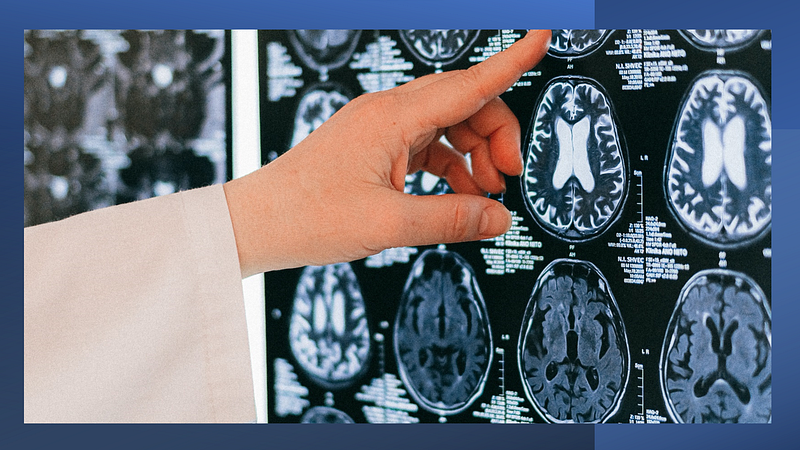
Photo by Anna Shvets from Pexels (slightly edited by the author)

Proteins are essential for our survival and well-being. However, some proteins in the nervous system get damaged and clump together, causing neural impairment. Scientists are intensely studying how these proteins interact and contribute to developing neurodegenerative diseases.

Our knowledge is still limited, and research is inconclusive. Researchers have found similarities and connections between these disorders and damaged proteins, suggesting shared pathways. Understanding how these proteins interact and spread is a big challenge, but it can lead to better diagnosis and treatment options in the future.

We all have these proteins in our bodies under normal conditions. They are critical for physiological functions in cellular processes, like protein synthesis, cellular signaling, and maintenance of neuronal structure.

Yet, these proteins undergo pathological changes in neurodegenerative disorders, leading to aggregation, accumulation, or misfolding. These abnormal forms of proteins are associated with developing and progressing degenerative diseases in the brain and nervous system.

As these proteins are highly complex, without going into scientific and technical details, I wrote this article in plain language for awareness purposes so that you can have meaningful conversations with your family doctors or specialists when they detect abnormal levels of these proteins when diagnosing your conditions.

Although these proteins have associations with neurodegenerative disorders, there are many more diagnostic functions. In my opinion, based on experience, the most critical factor for neurodegenerative disorders is the brain's energy metabolism, which I explained in a previous article.

First, I provide a brief overview of pathogenic proteins and then summarize the critical points for each protein in the brain based on my reviews. I also provide mitigation strategies used by clinicians and specialists. In the final section, I explain the detection process and provide some practical tips in the conclusion section.

A Brief Overview of Pathogenic Proteins

Pathogenic proteins can disrupt normal cellular processes, impair neuronal function, and contribute to the degeneration and death of neurons.

Pathogenic proteins can cause abnormal conformations due to genetic mutations, environmental factors, or age-related changes. Misfolded proteins can aggregate and form insoluble clumps within neurons.

Accumulating pathogenic proteins interfere with normal cellular processes. This disrupts the overall functioning of neurons and impairs their ability to maintain proper cellular homeostasis.

Pathogenic proteins can overwhelm the cellular machinery responsible for protein quality control, leading to impaired proteostasis (imbalance of synthesis and degradation) and the accumulation of misfolded proteins.

Some pathogenic proteins can induce oxidative stress, damaging cellular components and contributing to neuronal dysfunction and degeneration.

Pathogenic proteins can interfere with intracellular signaling pathways, impairing neuronal communication and synaptic function. This disruption can contribute to synaptic loss, altered neurotransmission, and cognitive/motor impairments.

Pathogenic proteins can trigger inflammatory responses in the brain, activating immune cells and releasing pro-inflammatory molecules. Chronic neuroinflammation can worsen neuronal damage and contribute to disease progression.

These proteins alone do not necessarily indicate disease. They are appropriately regulated and maintained in healthy people.

It is the disruption of protein balance, accumulation of abnormal forms, and impaired clearance mechanisms that contribute to neurodegenerative disorders.

The factors influencing the onset and progression of these diseases are complex. They include genetic predisposition, environmental factors, age-related changes, lifestyle, and unknown factors.

Here is a summary of ten pathogenic proteins.

1 — Amyloid-Beta

Amyloid-beta is a peptide derived from the amyloid precursor protein. Its accumulation in the brain leads to the formation of plaques, which initiates detrimental events, resulting in neuronal damage and cognitive decline.

Amyloid-beta peptides aggregate to form insoluble plaques in the brain. These plaques accumulate between neurons, disrupting their normal functioning and impairing communication.

Amyloid-beta interferes with synaptic transmission, disrupting the communication between neurons. This disruption contributes to memory loss, cognitive impairment, and neurological symptoms associated with Alzheimer’s.

Amyloid-beta can trigger inflammatory responses in the brain. Chronic inflammation exacerbates neuronal damage and accelerates the progression of Alzheimer’s disease.

Amyloid-beta is linked to the formation of neurofibrillary tangles composed of a protein called tau which I cover in section #4. These tangles further disrupt neuronal function and contribute to the degeneration of neurons and connective tissues.

Mitigation Strategies

Known strategies to lower amyloid are healthy lifestyle modifications, maintaining good vascular health by managing hypertension, diabetes, and hyperlipidemia, and performing cognitive stimulation.

2 — Alpha-Synuclein

Alpha-synuclein, an abundant protein in the brain, has emerged as a critical player in the development and progression of Parkinson’s disease.

Its accumulation and aggregation contribute to the formation of Lewy bodies, which disrupt normal cellular processes, impair neuronal function, and lead to the characteristic motor and cognitive symptoms associated with the disease.

When misfolded and accumulated, Alpha-synuclein forms aggregated clumps known as Lewy bodies. They interfere with cellular processes, triggering detrimental events.

Misfolded alpha-synuclein disrupts critical cellular functions, like vesicular transport, neurotransmitter release, mitochondrial function, and protein degradation pathways. This disruption leads to neuronal dysfunction and cell death.

Alpha-synuclein pathology in Parkinson’s disease affects brain regions responsible for motor control. The degeneration of dopaminergic neurons, due to alpha-synuclein aggregation, cause motor symptoms like tremors, rigidity, bradykinesia, and postural instability.

Alpha-synuclein pathology is also associated with cognitive decline, including difficulties with memory, attention, executive function, and visuospatial skills.

Non-motor symptoms, including sleep disturbances, autonomic dysfunction, mood changes, and gastrointestinal issues, also manifest in Parkinson’s disease.

Mitigation Strategies

Regular exercise, an anti-inflammatory and antioxidant-rich diet, regular exercise, medication, and treatments aim to modulate alpha-synuclein levels, enhance cellular clearance mechanisms, and alleviate symptoms.

3 — Fibrinogen

Fibrinogen is a blood protein that plays a vital role in the clotting process. Under normal circumstances, fibrinogen helps form blood clots to prevent excessive bleeding.

Nevertheless, fibrinogen plays a different role in cerebral amyloid angiopathy (CAA), an abnormal condition characterized by the accumulation of amyloid deposits in blood vessel walls in the brain.

The deposition of fibrinogen in these vessels contributes to disrupting the blood-brain barrier, triggering inflammatory responses, and increasing the risk of cerebral hemorrhages.

CAA might coexist with Alzheimer’s disease and can lead to cognitive decline and other neurological symptoms.

In CAA, fibrinogen can accumulate within the walls of blood vessels in the brain. The abnormal accumulation of fibrinogen disrupts the integrity of the blood-brain barrier, which regulates the exchange of molecules between the bloodstream and the brain.

Fibrinogen deposits in the blood vessel walls stimulate an inflammatory response. Inflammatory molecules attract immune cells to the site, leading to events that further contribute to vascular dysfunction.

Chronic inflammation can weaken the vessel walls and increase the risk of cerebral hemorrhages, resulting in localized bleeding and tissue damage within the brain.

Mitigation Strategies

Key strategies address underlying causes through lifestyle modifications and therapeutic interventions to reduce fibrinogen accumulation and enhance its clearance from blood vessel walls.

4 — Tau

Tau is a protein that stabilizes microtubules in neuronal cells. It is vital in maintaining cellular structure and facilitating essential transport processes.

However, tau experiences abnormal modifications in neurodegenerative disorders, resulting in its aggregation into neurofibrillary tangles. The changes include abnormal phosphorylation, acetylation, and post-translational modifications.

These modifications cause tau to disconnect from microtubules and aggregate into neurofibrillary tangles, impeding normal cellular function.

As tau aggregates accumulate, they interfere with the transport of essential molecules within neurons. This disruption can impair the delivery of nutrients, organelles, and signaling molecules, compromising cellular health and contributing to neuronal degeneration.

Mitigation Strategies

Lifestyle interventions, tau-targeted therapies, supportive care, and cognitive training are common strategies.

5 — TDP-43

TDP-43 (TAR DNA-binding protein 43) is a vital component in processing and regulating RNA within cells. However, in neurodegenerative disorders like ALS and FTLD, the abnormal accumulation of TDP-43 is observed.

In ALS and FTLD, TDP-43 experiences misfolding and subsequent aggregation, leading to abnormal accumulation within cells.

These aggregates disrupt normal cellular processes and contribute to the pathogenesis of neurodegenerative diseases.

When TDP-43 is aggregated, it separates other RNA-binding proteins, leading to the dysregulation of RNA processing pathways.

This disruption impairs the production of vital proteins, ultimately impacting cellular function and neurodegeneration.

The dysregulation of RNA processing disrupts the transport of RNA molecules, compromises protein synthesis, and disturbs the functioning of cellular organelles.

These disturbances collectively contribute to cellular dysfunction and the degeneration of motor neurons, and cognitive impairment observed in TDP-43-associated disorders.

Mitigation Strategies

Specialists focus on inflammation modulation, restoring RNA processing, and targeting TDP-43 aggregation.

6 — Huntingtin

Huntingtin, a protein central to the pathogenesis of Huntington’s disease, is well-documented in developing this genetic neurodegenerative disorder.

Huntington’s disease can occur due to expanding a specific region within the huntingtin gene, producing a mutant form of the huntingtin protein.

This mutant protein possesses more polyglutamine repeats, making it prone to misfolding and aggregation. The aggregation process can increase toxic clumps of mutant huntingtin protein within neurons, causing cellular dysfunction and neurodegeneration.

Mutant huntingtin aggregates disrupt cellular processes essential for neuronal health. These aggregates remove cellular components, like transcription factors, molecular chaperones, and signaling molecules, causing functional impairment.

As a result, crucial cellular pathways, like protein degradation and cellular stress response mechanisms, are compromised, contributing to the progressive neurodegenerative cascade in Huntington’s disease.

Mitochondria become particularly vulnerable in Huntington’s disease. Mutant huntingtin protein directly interacts with mitochondrial components, impairing their function and leading to neuron energy deficits.

The cumulative effects of disrupted cellular processes, impaired neurotransmission, and mitochondrial dysfunction ultimately lead to neuronal dysfunction and cell death in Huntington’s disease.

Mitigation Strategies

Specialists focus on modulating cellular processes, neurotransmission enhancement, and targeting mutant huntingtin aggregation.

7 — Superoxide Dismutase 1

Superoxide dismutase 1 (SOD1) is an enzyme and protein for neutralizing harmful reactive oxygen species and maintaining oxidative balance within cells.

The primary function of SOD1 is to convert superoxide radicals into less harmful molecules, preventing cellular damage caused by oxidative stress.

In ALS, mutations in the SOD1 gene lead to the production of mutant SOD1 proteins that acquire toxic properties. These mutant proteins not only lose their normal enzymatic function but also gain the ability to generate reactive oxygen species themselves, amplifying oxidative stress.

Prolonged exposure to oxidative stress can lead to cellular dysfunction and contribute to the selective vulnerability of motor neurons in ALS.

Mutant SOD1 proteins accumulate within mitochondria. This accumulation disrupts mitochondrial function and impairs the efficiency of ATP production, leading to energy deficits in motor neurons.

Mutant SOD1 proteins can directly interact with mitochondrial components, inducing mitochondrial membrane permeability changes and promoting the release of pro-apoptotic factors, triggering neuronal cell death.

The cumulative effects of oxidative stress, mitochondrial dysfunction, and impaired cellular processes converge to trigger the degeneration of motor neurons in ALS.

As motor neurons degenerate, the communication between the brain and the muscles is disrupted, leading to muscle weakness, paralysis, and eventually respiratory failure associated with ALS, as happened to my father.

Mitigation Strategies

Specialists work on restoring mitochondrial function, modulating cellular processes, and lowering oxidative stress.

8 — Prions

Prions, misfolded proteins, induce typically folded proteins to adopt their anomalous conformation. They exist in two distinct forms: the normal (properly folded protein) and the misfolded (disease-associated isoform).

Through an unknown trigger, folded protein can undergo a conformational change, adopting the misfolded conformation of it. This conversion marks the beginning of a cascade of events that lead to the accumulation and aggregation of disease-associated isoforms.

These aggregates become resistant to degradation and form insoluble deposits, exerting toxic effects on neuronal function.

One of the enigmatic characteristics of prion diseases is their ability to propagate within the brain. This propagation mechanism amplifies and spreads the misfolded protein throughout the central nervous system, worsening neurodegenerative processes.

As prions propagate and aggregate, they disrupt normal cellular homeostasis, contributing to neurodegeneration. The accumulation impairs intracellular protein quality control mechanisms, leading to proteotoxic stress and dysfunction of the ubiquitin-proteasome system.

This disturbance in protein degradation pathways results in the buildup of toxic protein aggregates, which can compromise cellular function and trigger apoptotic pathways, leading to neuronal death. Prion-induced neurodegeneration is closely linked to neuroinflammatory responses.

Mitigation Strategies

Specialists work on early detection and diagnosis, modulating inflammatory responses, and targeting prion propagation.

9 — Fused in Sarcoma

Fused in Sarcoma (FUS) is an RNA-binding protein. It is vital in various cellular processes, like RNA metabolism and transport. Mutations in the FUS gene have been identified in people with ALS and FTLD.

The abnormal accumulation of FUS in neurons disrupts essential RNA processing mechanisms, impairs cellular function, and causes neurodegeneration. The precise mechanisms by which FUS pathology contributes to disease progression are still being investigated,

FUS interacts with various RNA molecules, like messenger RNA and long non-coding RNA, facilitating their transport and contributing to proper splicing and localization within cells.

The aberrant accumulation of FUS in ALS and FTLD patients disrupts these crucial RNA processing events, leading to an imbalance in RNA metabolism and impairing cellular homeostasis.

The accumulation of abnormal FUS disrupts normal cellular function, contributing to the degeneration of neurons. Dysregulation of RNA granule formation and function interferes with intracellular transport processes, impairs synaptic function, and compromises cellular health.

Mitigation Strategies

Specialists work on enhancing cellular clearance mechanisms and modulating RNA processing pathways. Therapeutic interventions, like gene therapies and small molecule compounds, are being explored to restore FUS function and alleviate its pathological effects.

10 — Ataxin-1 and Ataxin-3

Ataxin-1 and Ataxin-3 proteins enable the normal functioning of neurons. Nevertheless, mutations in their genes (ATXN1 and ATXN3) might cause irregular forms of these proteins. They might cause the development of polyglutamine diseases.

Mutated protein totality from Ataxin-1 and Ataxin-3 within neurons can impair cellular function, disrupt neuronal signaling, and contribute to the degeneration of some brain regions, like the cerebellum. They impair neuronal signaling, contributing to neurodegeneration.

The accumulation of mutant Ataxin-1 and Ataxin-3 proteins can induce excessive oxidative stress, increasing reactive oxygen species and causing cellular damage. The cellular toxicity, creating a catch-22 situation, can further contribute to the degeneration of affected brain regions.

Mitigation Strategies

Mitigation strategies for Ataxin-1 and Ataxin-3 involve targeting protein aggregation and enhancing cellular clearance mechanisms. It includes gene silencing techniques and molecular chaperones. Modulating protein folding and degradation pathways is also being explored.

Detecting These Pathogenic Proteins

Detecting the accumulation of proteins involved in neurodegenerative diseases relies on various mechanisms and techniques.

The common ones are Immunohistochemistry, Western Blotting, Enzyme-Linked Immunosorbent Assay, Mass Spectrometry, PET Scanning, and Cerebrospinal Fluid Analysis.

Detecting proteins associated with neurodegenerative diseases can be performed by professionals and experts like researchers, pathologists, radiologists, specialists in proteomics, clinicians, and laboratory technicians.

The acceptable ranges for proteins can vary depending on the specific protein and the context in which it is being measured. Protein levels are assessed in bodily fluids, like blood, cerebrospinal fluid, or tissue samples.

Mentioned experts analyze protein expression levels, biomarkers, disease-specific ranges, and disease progression profiles.

To accurately interpret protein levels and their association with disease formation, you need to review scientific literature and clinical guidelines and obtain guidance from healthcare professionals specializing in the specific disease of interest. They can provide the most up-to-date information regarding acceptable ranges and disease-related implications.

Conclusions and Takeaways

These proteins and their interactions in the brain are highly complex. Even scientists struggle to understand their mechanisms and implications with their specialist knowledge. In addition, scientists still cannot reach a consensus on their effects.

In my perspective, the only viable way at this stage is to optimize these proteins via healthy lifestyle habits and preventive behavior with professional support.

From my experience and reviews, it is possible to lower the effects of damaged proteins by activating the autophagy process.

Therefore, I created a lifestyle that allows me to achieve autophagy and mitophagy effectively, which brings many more health benefits.

The key contributors to activating these self-healing processes are time-restricted eating, occasional prolonged fasting, a ketogenic diet, personalized workouts, thermogenesis, and restorative sleep.

Thank you for reading my perspectives. I wish you a healthy and happy life.

As a new reader, please check my holistic health and well-being stories reflecting my reviews, observations, and decades of experiments optimizing my hormones and neurotransmitters.

ALS, Metabolic Syndrome, Type II Diabetes, Fatty Liver Disease, Heart Disease, Strokes, Obesity, Liver Cancer, Colorectal Cancer, Autoimmune Disorders, Homocysteine, Lungs Health, Pancreas Health, Kidneys Health, NCDs, Infectious Diseases, Brain Health, Dementia, Depression, Brain Atrophy, Neonatal Disorders, Skin Health, Dental Health, Bone Health, Leaky Gut, Leaky Brain, Brain Fog, Chronic Inflammation, Insulin Resistance, Elevated Cortisol, Leptin Resistance, Anabolic Resistance, Cholesterol, High Triglycerides, Metabolic Disorders, Gastrointestinal Disorders, Thyroid Disorders, Anemia, Dysautonomia, cardiac output, and urinary track disorders.

I also wrote about valuable nutrients. Here are the links for easy access:

Lutein/Zeaxanthin, Phosphatidylserine, Boron, Urolithin, taurine, citrulline malate, biotin, lithium orotate, alpha-lipoic acid, n-acetyl-cysteine, acetyl-l-carnitine, CoQ10, PQQ, NADH, TMG, creatine, choline, digestive enzymes, magnesium, zinc, hydrolyzed collagen, nootropics, pure nicotine, activated charcoal, Vitamin B12, Vitamin B1, Vitamin D, Vitamin K2, Omega-3 Fatty Acids, N-Acetyl L-Tyrosine, and other nutrients.

Disclaimer: My posts do not include professional or health advice. I only document my reviews, observations, experience, and perspectives to provide information and create awareness.

As part of my creative non-fiction writing goals, I’d like to share a few stories that might warm our hearts with a bit of humor into weighty topics.

Sample Humorous Stories

Apparently, I Was a Dog in a Previous Life

Finally, After Burning Her House, Georgia Found Enlightenment

Hilarious Tips to Prevent Brain Atrophy and Keep the Gray Matter Giggling

Amygdala Hijacks: A Humorous Approach to Emotional Mastery

My First Humorous Lecture to Science Students in the 1990s

7 Hilarious Reasons Why Your Vitality Plays Hide-and-Seek

8 Psychological Points I Had to Unlearn and Relearn the Opposite

5 Funny Yet Real Reasons We Accumulate Visceral Fat

The Quirky Side Effects of Keto Diets

Based on my writing experience and observations, I documented findings and strategies that might help you amplify your voice, engage your audience, and achieve your desired outcomes in your writing journey.

I publish my lifestyle, health, and well-being stories on EUPHORIA. My focus is on cellular, mitochondrial, metabolic, and mental health. Here is my collection of Insightful Life Lessons from Personal Stories.

You are welcome to join my publications on Medium as a writer by sending a request via this link. 22K writers contribute to my publications. You may join Medium with my referral link to enjoy unlimited content.

Health
Mental Health
Science
Self Improvement
Lifestyle
Recommended from ReadMedium